Curdling
Add rennet or acid to milk to separate curds and whey, the foundation of cheese making.
Cheese making is an art that transforms milk into a diverse array of flavors and textures. From creamy Brie to sharp Cheddar, each cheese tells a story of tradition and craftsmanship.
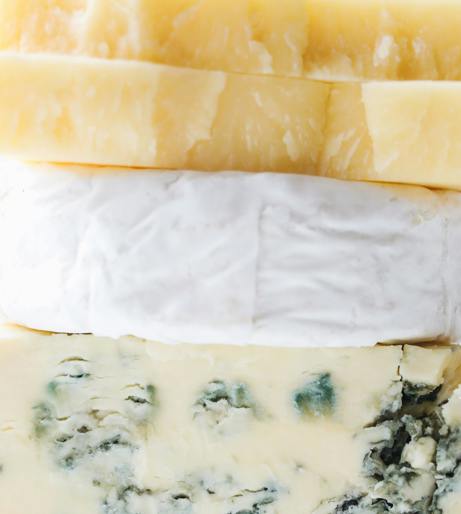
Popular types include Mozzarella, Gouda, Blue Cheese, and Feta. Each variety has unique ingredients, aging processes, and cultural origins that define its character.
Mastering cheese making requires understanding key steps: curdling, pressing, aging, and flavoring. Each stage influences the final product’s taste and texture.
Add rennet or acid to milk to separate curds and whey, the foundation of cheese making.

Apply pressure to remove excess whey and shape the cheese into its final form.

Age cheese in controlled environments and add herbs, spices, or molds for unique flavors.
Explore advanced techniques to elevate your cheese making, from stretching mozzarella to cultivating blue cheese veins.
Master the art of stretching curd for mozzarella and other stringy cheeses.
Learn to cultivate molds for blue cheese and other flavored varieties.
Add smoky flavors by cold or hot smoking your cheeses.
Control temperature and humidity to perfect the aging process.
Infuse cheeses with herbs, spices, or wines for unique flavors.
Identify and fix common issues like bitter flavors or improper texture.
Experiment with different milks like cow, goat, or sheep for varied flavors.
Use local ingredients to create cheeses with a sense of place.
Pair homemade cheeses with wines, breads, and fruits for a perfect board.




Whether you're a novice or an experienced cheese maker, mastering these fundamentals ensures delicious, high-quality cheeses.
| Element | Description |
|---|---|
| Milk Quality | Use fresh, high-quality milk for the best flavor and texture. |
| Temperature Control | Maintain precise temperatures during curdling, stretching, and aging. |
| Rennet Selection | Choose the right rennet type for the cheese variety you're making. |
| Aging Environment | Control humidity and temperature to develop desired flavors and textures. |
| Sanitation | Keep all equipment clean to prevent contamination and off-flavors. |
| Experimentation | Don't be afraid to try new techniques, flavors, and ingredients. |
Cheese making is a rewarding craft that combines science and art. With practice, you can create cheeses that rival those from the finest creameries.