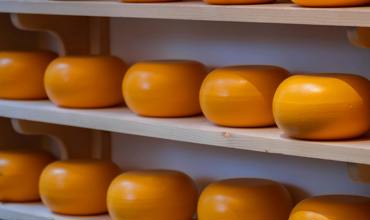
Hard Cheeses
Examples include Parmesan and Cheddar. Great for grating, slicing, and adding depth to dishes.
Cheese is a beloved dairy product with a rich history and diverse flavors. From creamy to sharp, there's a cheese for every palate and occasion.
Popular types include Cheddar, Mozzarella, Gouda, Brie, and Blue Cheese. Each variety has unique characteristics, textures, and aging processes.
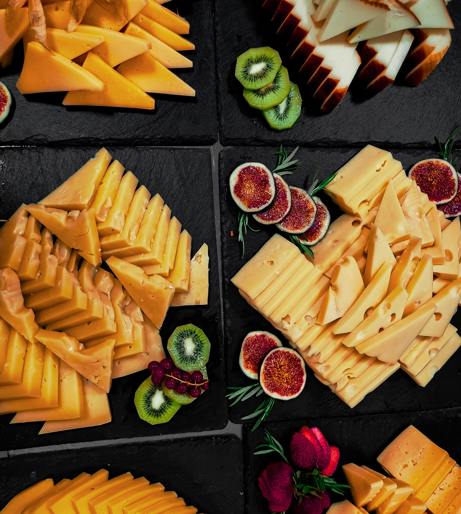
Choosing the right cheese starts with understanding its type, flavor profile, and intended use. Consider texture, aging, and pairing options.
Examples include Parmesan and Cheddar. Great for grating, slicing, and adding depth to dishes.
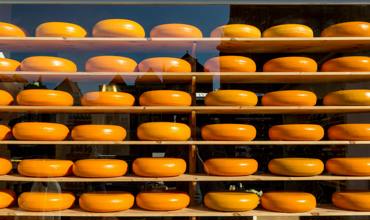
Brie and Camembert are creamy and spreadable, perfect for appetizers or desserts.
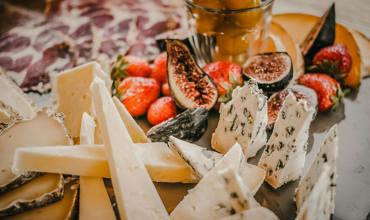
Such as Gorgonzola and Stilton, known for their pungent flavor and veined appearance.
Enhance your cheese experience with the right pairings. Consider wine, fruits, nuts, and crackers to complement flavors and textures.
Pair bold reds with aged cheeses and crisp whites with fresh, mild varieties.
Try apples with Cheddar or pears with Blue Cheese for a sweet and savory contrast.
Almonds and walnuts complement hard and semi-hard cheeses beautifully.
Store cheese in the refrigerator, wrapped in wax paper to maintain moisture and flavor.
Bring cheese to room temperature before serving to enhance its flavor and texture.
Experiment with cheese boards, combining various types, textures, and accompaniments.




Understanding the characteristics of different cheese types helps in selecting the perfect cheese for any occasion.
| Cheese Type | Characteristics |
|---|---|
| Hard Cheese | Firm texture, long aging, strong flavor (e.g., Parmesan, Cheddar) |
| Soft Cheese | Creamy texture, mild flavor, short aging (e.g., Brie, Camembert) |
| Blue Cheese | Veined appearance, pungent flavor, semi-soft texture (e.g., Gorgonzola, Stilton) |
| Fresh Cheese | Soft, mild, unaged (e.g., Mozzarella, Ricotta) |
| Semi-Hard Cheese | Moderate texture, versatile use (e.g., Gouda, Gruyère) |
Exploring different cheese types can elevate your culinary experiences and introduce you to a world of flavors.