
Hard Cheeses
Hard cheeses like Parmesan and Pecorino are great for grating and adding a sharp, nutty flavor to dishes.
Cheese is a beloved dairy product, offering a wide range of flavors, textures, and aromas. With hundreds of varieties, there's a cheese for every palate and occasion.
Popular types include cheddar, mozzarella, gouda, brie, and blue cheese. Each variety has its own unique production process, aging time, and flavor profile.

Choosing the right cheese starts with understanding your preferences and the occasion. Flavor, texture, and pairing potential are key factors.
Hard cheeses like Parmesan and Pecorino are great for grating and adding a sharp, nutty flavor to dishes.

Soft cheeses like Brie and Camembert are creamy and rich, perfect for spreading or enjoying on their own.
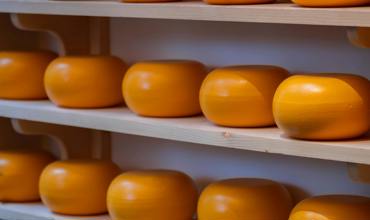
Blue cheeses like Stilton and Gorgonzola offer a bold, pungent flavor that pairs well with sweet accompaniments.
Pairing cheese with the right accompaniments enhances its flavor. Consider wine, fruits, nuts, and bread to create a balanced and enjoyable experience.
Pair bold reds with hard cheeses and crisp whites with soft cheeses for a harmonious match.
Sweet fruits like apples and pears complement the richness of cheeses like cheddar and brie.
Nuts like almonds and walnuts add a crunchy texture and enhance the flavor of semi-hard cheeses.
Crusty bread pairs well with soft cheeses, while hearty whole grain bread complements hard cheeses.
Serve cheese at room temperature for the best flavor. Allow it to sit out for 30 minutes before serving.
Store cheese in the refrigerator, wrapped in wax paper or cheese paper, to maintain freshness.
Experiment with different cheese boards to discover new flavor combinations.
Grate hard cheeses over pasta for a quick and delicious upgrade to your meal.
Use soft cheeses as a spread on sandwiches or crackers for a creamy texture.




Whether you're a cheese novice or a connoisseur, understanding these fundamentals will help you choose the perfect cheese for any occasion.
| Element | Description |
|---|---|
| Flavor | Consider the intensity and type of flavor—mild, sharp, nutty, or pungent—to match your taste preferences. |
| Texture | Choose based on desired texture—soft, semi-soft, semi-hard, or hard—for different culinary uses. |
| Aging | Aging affects flavor and texture. Younger cheeses are milder, while aged cheeses are more intense. |
| Milk Type | Cheeses can be made from cow, goat, sheep, or buffalo milk, each offering unique flavor profiles. |
| Pairing | Consider how the cheese will pair with other foods and drinks for a balanced experience. |
| Storage | Proper storage is essential to maintain freshness and flavor. Keep cheese refrigerated and wrapped appropriately. |
Exploring the world of cheese is a delightful journey. With the right knowledge, you can elevate any meal or gathering with the perfect cheese selection.