Bushra Griffith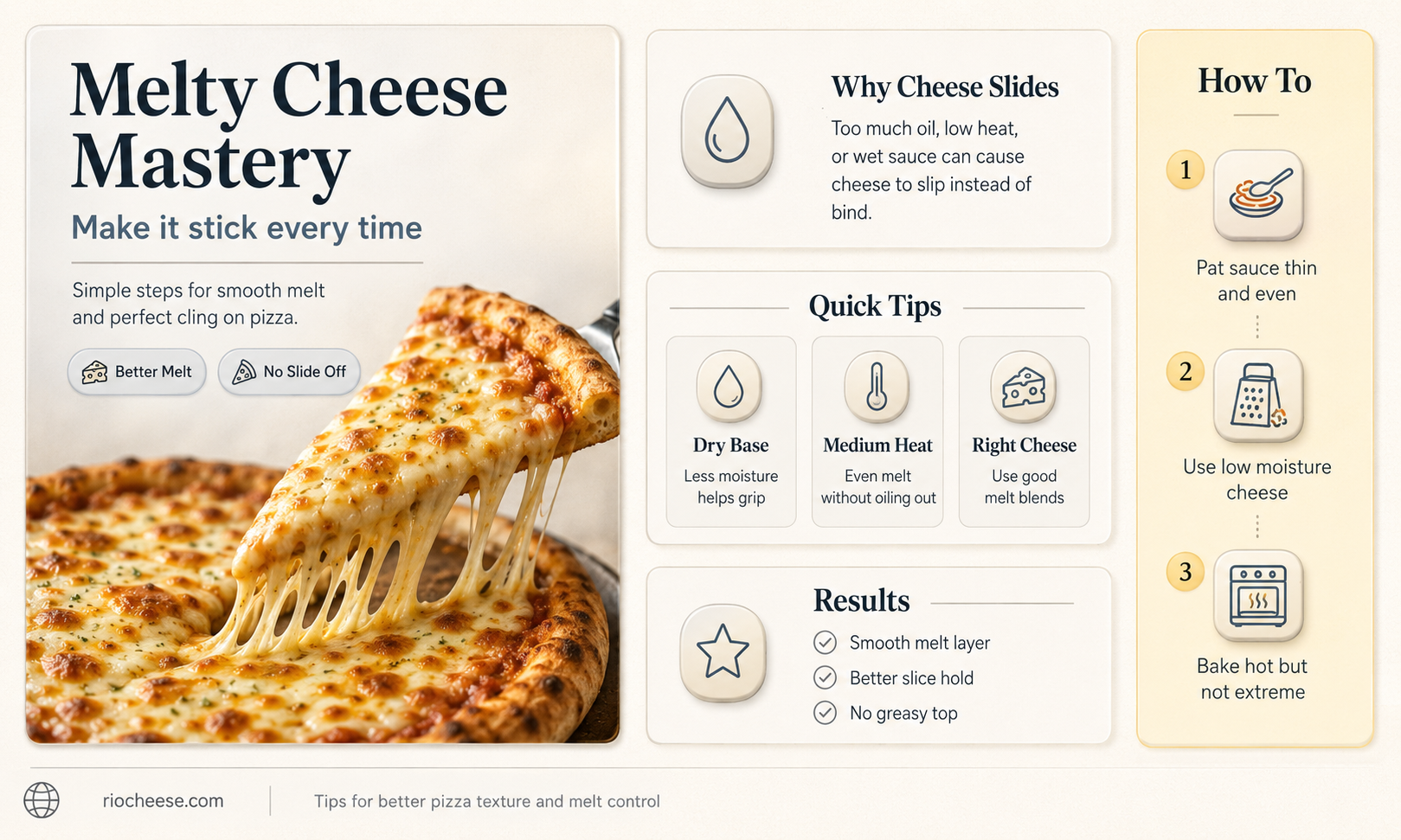
Getting cheese to stick to pizza can be a challenge, especially when using fresh mozzarella or other types of cheese that don't melt as easily as processed cheese. One effective method is to shred or thinly slice the cheese, which increases its surface area and allows it to melt more evenly. Additionally, you can try mixing a small amount of cornstarch or flour with the shredded cheese, which helps to absorb excess moisture and promotes better melting. Another trick is to lightly toast the pizza crust before adding the cheese, as this creates a slightly rough surface that the cheese can adhere to more easily. Finally, using a combination of cheeses, such as mozzarella and cheddar, can also improve the cheese's ability to stick to the pizza.
Explore related products


What You'll Learn
- Cheese Selection: Choose cheeses with good melting properties like mozzarella, provolone, or fontina for optimal stickiness
- Grating Technique: Grate cheese finely for even melting and better adherence to the pizza surface
- Temperature Control: Ensure the pizza is at the right temperature before adding cheese to promote melting and sticking
- Cheese Placement: Distribute cheese evenly across the pizza, ensuring it covers the desired areas for a uniform stick
- Cooking Time: Adjust the cooking time to allow the cheese to melt thoroughly and bond with the pizza toppings

Cheese Selection: Choose cheeses with good melting properties like mozzarella, provolone, or fontina for optimal stickiness
The secret to achieving that perfect, gooey cheese pull on your homemade pizza lies in selecting the right type of cheese. Cheeses with excellent melting properties are the key to ensuring that your pizza toppings adhere well to the crust and create that mouthwatering, stretchy texture. Mozzarella, provolone, and fontina are top choices for their superior melting qualities.
Mozzarella, in particular, is the most commonly used cheese on pizzas due to its high moisture content and exceptional melting ability. It creates a smooth, stretchy layer that binds toppings together and prevents them from sliding off. Provolone is another excellent option, offering a slightly sharper flavor and a gooey texture that complements a variety of toppings. Fontina, with its nutty flavor and creamy melt, is a gourmet choice that adds a touch of sophistication to any pizza.
When selecting cheese for your pizza, it's essential to consider the fat content as well. Cheeses with higher fat content tend to melt better and create a richer, more indulgent texture. However, be mindful of the salt content, as some cheeses can be quite salty and may overpower the other flavors on your pizza.
In addition to choosing the right cheese, it's crucial to use the correct amount. Too little cheese, and your toppings may not adhere properly to the crust. Too much cheese, and you risk creating a soggy, overly greasy pizza. A good rule of thumb is to use about 1/4 to 1/2 cup of shredded cheese per pizza, depending on the size and the number of toppings.
Finally, don't forget to preheat your oven to the correct temperature. A hot oven is essential for achieving that perfect melt and ensuring that your cheese sticks to the pizza crust. Aim for a temperature of at least 450°F (232°C) to get the best results. By following these tips and selecting the right cheese, you'll be well on your way to creating a delicious, gooey pizza that's sure to impress.
Preventing Cheese Slide: Tips for Perfect Pizza Topping Adhesion
You may want to see also
Explore related products


Grating Technique: Grate cheese finely for even melting and better adherence to the pizza surface
Grating cheese finely is a technique often employed to enhance the melting properties and adherence of cheese to pizza surfaces. This method is based on the principle that smaller cheese particles have a greater surface area relative to their volume, which facilitates quicker and more even melting. When cheese is grated finely, it distributes more uniformly across the pizza, reducing the likelihood of clumps or uneven patches that can detract from the overall texture and flavor.
To grate cheese finely, it is essential to use a suitable grater, such as a microplane or a fine-toothed box grater. These tools are designed to create thin, delicate shreds of cheese that melt smoothly and quickly. When grating, it is important to apply gentle, consistent pressure and to move the cheese in a controlled, back-and-forth motion. This technique helps to prevent the cheese from becoming too warm, which can cause it to clump or lose its texture.
In addition to improving melting and adherence, finely grated cheese can also enhance the visual appeal of a pizza. The thin, even shreds create a more uniform and professional-looking topping, which can be particularly important for pizzas that are served in a restaurant or at a gathering. Furthermore, the increased surface area of finely grated cheese allows it to brown more evenly when exposed to high heat, resulting in a more appetizing and flavorful crust.
One common mistake when grating cheese is to grate it too coarsely, which can lead to uneven melting and a less desirable texture. Another potential issue is to grate the cheese too far in advance, as this can cause it to dry out or lose its flavor. To avoid these problems, it is best to grate the cheese just before using it and to store any leftover grated cheese in an airtight container in the refrigerator.
In conclusion, the grating technique is a simple yet effective method for improving the melting and adherence of cheese to pizza surfaces. By using a suitable grater and applying gentle, consistent pressure, it is possible to create finely shredded cheese that melts evenly and quickly, resulting in a more uniform and professional-looking pizza.
Exploring the Halal Status of Cheese Pizza: A Delicious Dilemma
You may want to see also
Explore related products


Temperature Control: Ensure the pizza is at the right temperature before adding cheese to promote melting and sticking
Achieving the perfect temperature for your pizza before adding cheese is crucial for ensuring that the cheese melts evenly and adheres well to the surface. The ideal temperature range for this process is between 450°F and 500°F (232°C and 260°C). At this temperature, the cheese will melt quickly and smoothly, creating a delicious, gooey texture that sticks to the pizza.
To ensure your pizza is at the right temperature, preheat your oven to the recommended temperature and allow it to reach a steady state before placing the pizza inside. Use an oven thermometer to verify the temperature, as oven dials can sometimes be inaccurate. Once the pizza is in the oven, monitor the temperature closely and adjust as necessary to maintain the ideal range.
If you're using a pizza stone or baking steel, make sure to preheat it in the oven for at least 30 minutes before adding the pizza. This will help to create a hot, even surface for the pizza to cook on, promoting better melting and sticking of the cheese.
Another important factor to consider is the type of cheese you're using. Different cheeses have different melting points, so choose a cheese that melts well at the temperature range you're working with. Mozzarella, for example, is a popular choice for pizza because it melts well at high temperatures and creates a stretchy, gooey texture.
Finally, be careful not to overload your pizza with cheese, as this can lead to uneven melting and a soggy crust. Instead, add a moderate amount of cheese and spread it evenly across the surface of the pizza. This will help to ensure that the cheese melts uniformly and sticks well to the pizza.
Exploring Halal Options: Papa John's Cheese Pizza Under the Spotlight
You may want to see also
Cheese Placement: Distribute cheese evenly across the pizza, ensuring it covers the desired areas for a uniform stick
To achieve a perfectly cheesy pizza with evenly distributed cheese that sticks well, it's crucial to focus on the placement technique. Start by grating your cheese of choice—mozzarella works best for its excellent melting properties. Ensure the cheese is at room temperature; cold cheese doesn't melt evenly and can lead to clumps.
Next, consider the pizza's layout. If you're aiming for a classic cheese pizza, sprinkle the grated cheese evenly across the entire surface, making sure to cover the edges where the crust meets the toppings. This ensures that every bite has a consistent cheese flavor. For pizzas with additional toppings, strategically place the cheese around and between the toppings to create pockets of melted goodness.
A common mistake is overloading the pizza with cheese, which can result in a soggy crust and uneven melting. Instead, use a moderate amount and spread it out thinly. This allows the cheese to melt uniformly and stick to the pizza without creating a greasy mess.
For an extra cheesy kick, you can layer different types of cheese. Start with a base of mozzarella, then add a sprinkle of cheddar or parmesan for added flavor. Just remember to keep the total cheese amount in check to maintain the perfect balance.
Finally, preheat your oven to the highest temperature setting, ideally around 475°F to 500°F (245°C to 260°C). This high heat helps the cheese melt quickly and evenly, creating a delicious, gooey texture that sticks perfectly to the pizza. Place the pizza on a preheated pizza stone or baking sheet to ensure the crust gets crispy while the cheese melts to perfection.
The Great Pizza Debate: Toppings vs. Cheese - Which Comes First?
You may want to see also
Cooking Time: Adjust the cooking time to allow the cheese to melt thoroughly and bond with the pizza toppings
To ensure that cheese adheres well to pizza, it's crucial to adjust the cooking time appropriately. This allows the cheese to melt thoroughly and create a strong bond with the toppings. Here's how to do it:
First, preheat your oven to the recommended temperature for your pizza recipe, typically around 475°F (245°C). Place the pizza on a preheated baking stone or sheet to ensure even cooking. Monitor the pizza closely as it bakes, checking the cheese's progress. The cheese should be fully melted and slightly browned in spots, indicating it has reached the optimal temperature for bonding with the toppings.
If you notice the cheese isn't melting evenly, you may need to adjust the oven's temperature or cooking time. For example, if the edges of the pizza are browning too quickly while the center remains pale, lower the oven temperature slightly and continue baking. Conversely, if the cheese isn't melting at all, increase the temperature or extend the cooking time.
Remember that different types of cheese melt at different rates. Mozzarella, commonly used on pizzas, melts well and quickly, but other cheeses like cheddar or gouda may require more time. Experiment with different cheeses and cooking times to find the perfect combination for your pizza.
In summary, adjusting the cooking time is essential for achieving a perfectly melted and bonded cheese topping on your pizza. By monitoring the pizza closely and making necessary adjustments, you can ensure a delicious and visually appealing result every time.
Savor the Flavor: National Cheese Pizza Day Delights Await!
You may want to see also
Frequently asked questions
Mozzarella is the best type of cheese for pizza as it melts evenly and has excellent sticking properties due to its high moisture content and stretchiness.
To ensure the cheese sticks to the pizza crust, you can lightly brush the crust with olive oil or melted butter before adding the cheese. This helps create a bond between the cheese and the crust.
Always add the cheese before baking the pizza. The heat from the oven helps the cheese melt and adhere to the crust and other toppings.
The key is to preheat your oven to the correct temperature (usually around 475°F or 245°C) and bake the pizza for the right amount of time. Keep an eye on the pizza while it's baking and remove it from the oven when the cheese is melted and slightly browned, but not burnt.