Bushra Griffith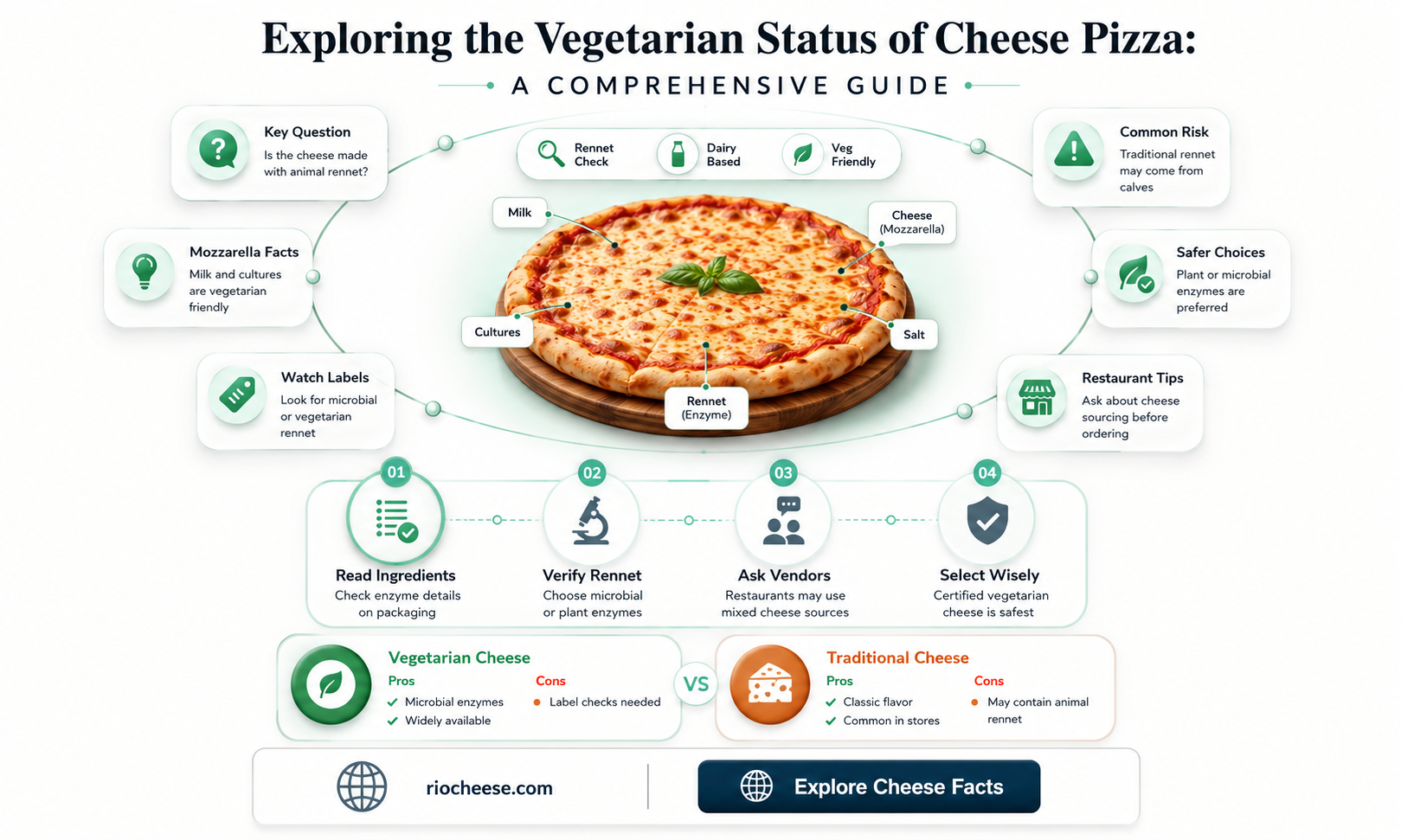
Cheese pizza is a popular dish that consists of a pizza base topped with tomato sauce and melted cheese. While it does not contain any meat products, the question of whether it is vegetarian can be more complex. Some vegetarians may avoid cheese pizza if the cheese contains enzymes derived from animal sources, which are used in the cheese-making process. However, many vegetarians consider cheese pizza to be a suitable option as long as the cheese is made using vegetarian-friendly enzymes or microbial rennet. It is essential to check the ingredients and preparation methods to ensure that the cheese pizza aligns with one's dietary preferences and restrictions.
Explore related products


What You'll Learn
- Ingredients Check: Verify if all ingredients used in cheese pizza are vegetarian-friendly, including the dough and cheese
- Cross-Contamination: Explore the risk of cross-contamination with non-vegetarian ingredients during the preparation process
- Cheese Sources: Investigate the origin of the cheese to ensure it doesn't involve animal rennet or other non-vegetarian additives
- Dough Composition: Examine the dough recipe to confirm it doesn't contain any hidden animal-derived ingredients like lard
- Restaurant Practices: Consider how different restaurants might handle vegetarian requests for cheese pizza, including potential non-vegetarian toppings

Ingredients Check: Verify if all ingredients used in cheese pizza are vegetarian-friendly, including the dough and cheese
To verify if all ingredients used in cheese pizza are vegetarian-friendly, we need to examine each component closely. Let's start with the dough. Traditional pizza dough is made from flour, water, yeast, salt, and sometimes sugar and oil. These ingredients are generally considered vegetarian. However, some specialty doughs may contain additional ingredients like honey or lard, which are not vegetarian. It's essential to check the specific recipe or ingredient list to ensure the dough meets vegetarian standards.
Next, we'll focus on the cheese. The most common cheese used on pizza is mozzarella, which is typically made from cow's milk. While some vegetarians consume dairy products, others do not. It's crucial to know the preferences of the individual in question. Additionally, some cheeses may contain enzymes derived from animal sources as part of the cheese-making process. Vegetarian-friendly cheeses will use microbial or fungal enzymes instead. Again, checking the ingredient list or contacting the manufacturer is necessary to confirm the cheese's vegetarian status.
Other toppings on a cheese pizza, such as tomato sauce and spices, are generally vegetarian-friendly. However, it's always a good idea to double-check the ingredient lists to ensure there are no hidden animal-derived ingredients. Some pizzas may also include additional toppings like olives, mushrooms, or bell peppers, which are all vegetarian options.
In conclusion, to verify if a cheese pizza is vegetarian-friendly, it's essential to check the ingredients of the dough and cheese specifically. While many traditional recipes are vegetarian, there may be exceptions or variations that include animal-derived ingredients. By being diligent and examining the ingredient lists, you can ensure that the cheese pizza meets the dietary requirements of vegetarians.
The Art of Melty Perfection: How to Get Cheese to Stick to Pizza
You may want to see also
Explore related products


Cross-Contamination: Explore the risk of cross-contamination with non-vegetarian ingredients during the preparation process
Cross-contamination is a significant concern for vegetarians when it comes to food preparation, especially in environments where non-vegetarian ingredients are also handled. This risk arises when food particles, residues, or utensils used in the preparation of meat, poultry, or seafood come into contact with vegetarian dishes, such as cheese pizza. For individuals who follow a vegetarian diet for ethical, religious, or health reasons, even trace amounts of animal-derived ingredients can be unacceptable.
One common scenario where cross-contamination can occur is in pizzerias or restaurants that serve both vegetarian and non-vegetarian pizzas. If the same cutting boards, knives, or surfaces are used to prepare pizzas with meat toppings and those without, there is a risk of transferring small pieces of meat or meat juices to the vegetarian pizzas. Similarly, if the same oven is used to bake both types of pizzas, there is a possibility of airborne contamination from the cooking meat.
To mitigate these risks, it is essential for food establishments to implement strict hygiene and sanitation protocols. This includes using separate cutting boards, utensils, and preparation areas for vegetarian and non-vegetarian dishes. Additionally, staff should be trained to handle food safely and to be aware of the potential for cross-contamination. For vegetarians dining out, it is advisable to inquire about the restaurant's practices regarding food preparation and to choose establishments that prioritize vegetarian and vegan options.
In the context of cheese pizza specifically, the risk of cross-contamination can be further reduced by ensuring that the cheese used is vegetarian-friendly. Some cheeses contain enzymes derived from animal sources as part of the cheese-making process. Vegetarians should look for cheeses that use microbial or fungal enzymes instead. By being vigilant about the ingredients used and the preparation methods employed, vegetarians can enjoy cheese pizza while minimizing the risk of cross-contamination with non-vegetarian ingredients.
Exploring the Flavor Fusion: Taco, Cat, Goat Cheese, and Pizza Cards
You may want to see also
Explore related products


![Grated Parmesan Cheese enhances your pastas, pizzas, seafood, salads and more with the bold taste of grated cheese. The sharp and tangy flavor complements your favorite recipes, and it's pre-grated to save you valuable prep time in the kitchen. Parmesan Cheese is sure to add great nutty and salty flavor to your favorite meals at any occasion. Sprinkle this Parmesan cheese over pasta dishes or add it your signature chicken Parmesan recipe for extra flavor . [ 24 oz , 1.5 lb ]](https://m.media-amazon.com/images/I/51aMA607ydL._AC_UL320_.jpg)
Cheese Sources: Investigate the origin of the cheese to ensure it doesn't involve animal rennet or other non-vegetarian additives
To ensure that cheese pizza is vegetarian, it's crucial to investigate the origin of the cheese used. Many cheeses contain animal rennet, an enzyme derived from the stomach lining of ruminant animals, which is used in the cheese-making process. For vegetarians, this is a significant concern. Fortunately, there are alternatives available.
One approach is to look for cheeses that use microbial or fungal rennet, which are vegetarian-friendly substitutes. These enzymes are derived from bacteria or fungi and perform the same function as animal rennet without involving any animal products. Another option is to choose cheeses that are explicitly labeled as vegetarian. Many cheese manufacturers now cater to the vegetarian market and produce cheeses without animal rennet.
It's also important to be aware of other potential non-vegetarian additives in cheese. Some cheeses may contain ingredients like whey powder or casein, which are derived from milk but may be processed using animal-derived enzymes. To avoid these, opt for cheeses that are made with vegetarian-friendly processing methods.
When shopping for vegetarian cheese, it's helpful to research brands and read labels carefully. Look for certifications from vegetarian organizations or consult with the manufacturer directly to confirm their ingredients and processes. By taking these steps, you can enjoy cheese pizza while adhering to your vegetarian diet.
Exploring Gourmet Pizza Toppings: Merlot Cheese Edition
You may want to see also
Explore related products



Dough Composition: Examine the dough recipe to confirm it doesn't contain any hidden animal-derived ingredients like lard
Analyzing the dough composition is crucial when determining whether a cheese pizza is vegetarian. The primary concern is the potential presence of hidden animal-derived ingredients, such as lard, which is commonly used in some dough recipes to enhance flavor and texture. Lard is derived from pork fat, making it a non-vegetarian ingredient. To ensure the pizza is vegetarian, it's essential to scrutinize the dough recipe and verify that no animal products are used.
When examining the dough recipe, look for ingredients that may be animal-derived but not immediately obvious. For instance, some recipes might use ingredients like "shortening" or "fat," which could be lard or another animal product. It's also important to consider the source of the ingredients, as some seemingly vegetarian ingredients might be processed using animal products. For example, some sugars are processed using bone char, and certain wines are clarified with animal-derived fining agents.
To confirm the vegetarian status of the dough, one can either consult the recipe directly or contact the manufacturer or restaurant if the pizza is store-bought or from a dining establishment. Many restaurants and food manufacturers are now more transparent about their ingredients due to increasing consumer demand for vegetarian and vegan options. Additionally, there are online resources and apps available that can help identify vegetarian-friendly products and recipes.
In cases where the dough recipe is not readily available or the ingredients are not clearly listed, it's best to err on the side of caution and assume the pizza is not vegetarian. Alternatively, one could opt to make the pizza dough from scratch using known vegetarian ingredients, such as vegetable shortening or olive oil, to ensure the pizza meets vegetarian standards.
By carefully examining the dough composition and verifying the ingredients, one can confidently determine whether a cheese pizza is suitable for a vegetarian diet. This attention to detail not only ensures dietary compliance but also promotes transparency and accountability in the food industry regarding ingredient sourcing and labeling.
Savoring Simplicity: The Carb Count in Your Favorite Cheese Pizza Slice
You may want to see also
Explore related products



Restaurant Practices: Consider how different restaurants might handle vegetarian requests for cheese pizza, including potential non-vegetarian toppings
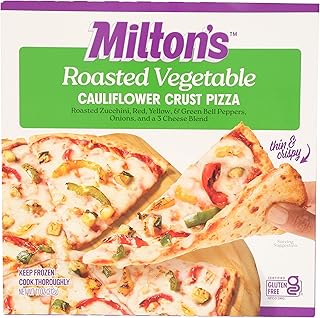
In the culinary world, the handling of vegetarian requests for cheese pizza can vary significantly from one restaurant to another. Some establishments may have strict protocols in place to ensure that vegetarian pizzas are prepared without any cross-contamination from non-vegetarian ingredients, while others might be more lenient in their approach. For instance, a pizzeria with a dedicated vegetarian kitchen might use separate utensils, cutting boards, and ovens to prepare vegetarian pizzas, whereas a smaller, family-owned restaurant might not have the resources or space to implement such measures.
One potential issue that arises when ordering a vegetarian cheese pizza is the possibility of non-vegetarian toppings being added accidentally or intentionally. In some cases, this might happen due to a miscommunication between the customer and the restaurant staff, while in other instances, it could be a result of the restaurant's practices or policies. For example, a restaurant might use the same oven to cook both vegetarian and non-vegetarian pizzas, increasing the risk of cross-contamination. Alternatively, some establishments might offer "vegetarian" pizzas that include toppings like anchovies or sausage, which are not considered vegetarian by most standards.
To navigate these challenges, vegetarians might need to be proactive when ordering cheese pizza at restaurants. This could involve asking detailed questions about the restaurant's preparation methods, ingredients, and policies regarding vegetarian dishes. For instance, a customer might inquire whether the restaurant uses separate utensils and ovens for vegetarian pizzas, or whether they offer any guarantees about the absence of non-vegetarian toppings. By being informed and assertive, vegetarians can increase the likelihood of receiving a cheese pizza that aligns with their dietary preferences and restrictions.
Ultimately, the handling of vegetarian requests for cheese pizza at restaurants is a complex issue that requires careful consideration and communication. While some establishments may prioritize the needs of vegetarian customers, others might not have the same level of commitment or resources. By understanding these nuances and taking steps to advocate for their dietary choices, vegetarians can make more informed decisions when ordering cheese pizza at restaurants.
Exploring Halal Options: Papa John's Cheese Pizza Under the Spotlight
You may want to see also
Frequently asked questions
Yes, cheese pizza is generally considered vegetarian as it does not contain any meat products.
A typical cheese pizza consists of a dough base, tomato sauce, and mozzarella cheese. Some variations may include additional cheeses or seasonings.
While cheese pizza is usually vegetarian, it's important to check the ingredients list or ask the restaurant to confirm, as some places may use animal-derived products in their dough or cheese.
Vegetarians can eat pizzas with various toppings as long as they do not include meat, poultry, or fish. Popular vegetarian pizza toppings include vegetables, mushrooms, olives, and different types of cheese.