 Patrick Oconnell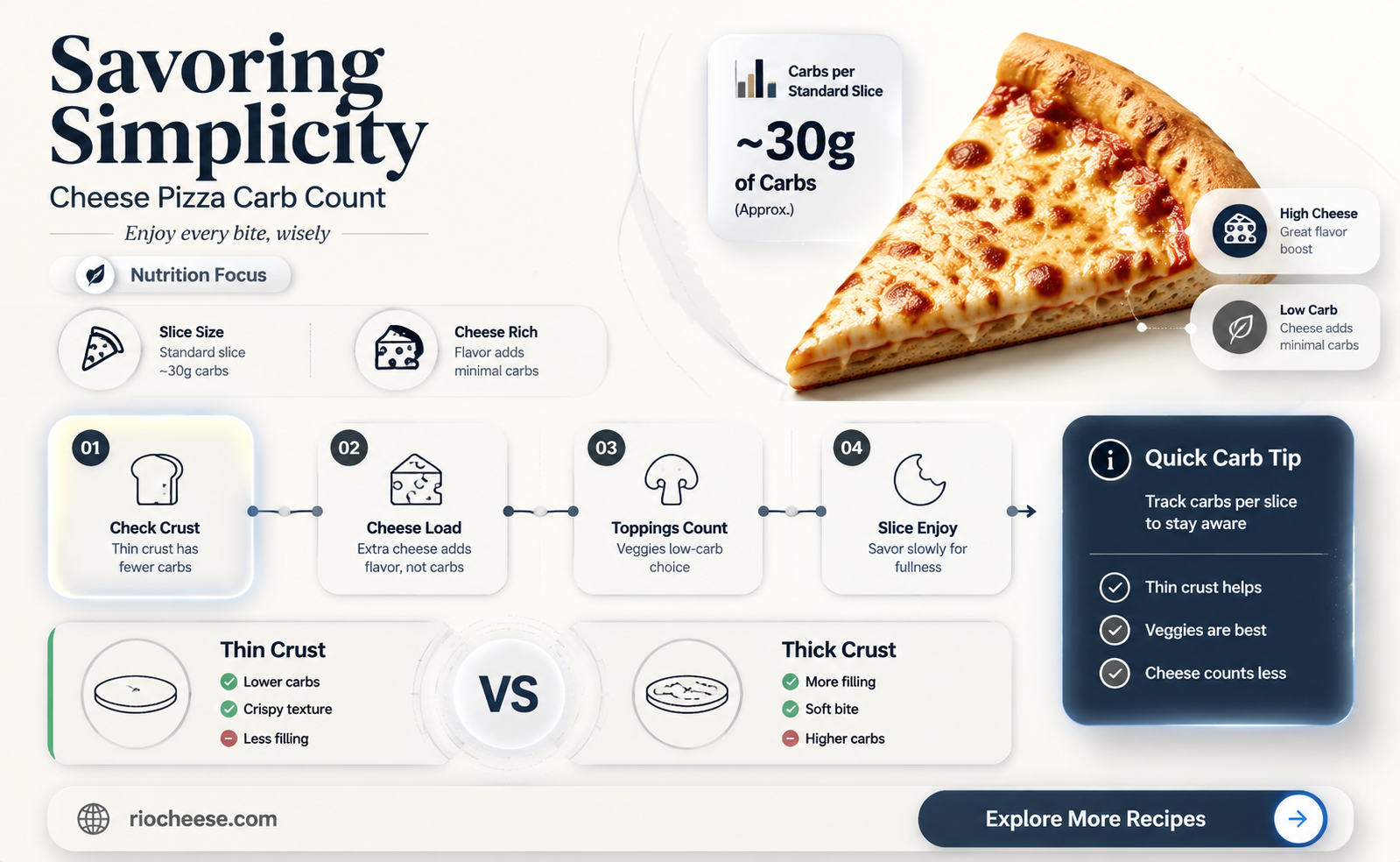
When it comes to indulging in a slice of cheese pizza, many of us wonder about its nutritional content, particularly the carbohydrate count. A typical slice of cheese pizza can vary significantly in its carb content depending on several factors, including the thickness of the crust, the type of cheese used, and any additional toppings. On average, a thin-crust slice might contain around 20-25 grams of carbohydrates, while a thick-crust slice could have upwards of 30-40 grams. It's important to note that these values are approximate and can differ based on the specific recipe and preparation method. For those monitoring their carb intake, it's always a good idea to check with the pizzeria or use a nutrition calculator to get a more accurate estimate.
Explore related products


What You'll Learn
- Nutritional Breakdown: Understand the macronutrient distribution in a slice of cheese pizza
- Crust Carbohydrates: Explore the carb content specifically in the pizza crust
- Cheese and Sauce Carbs: Analyze the carbohydrate contributions from cheese and tomato sauce
- Comparative Values: Compare carb counts in cheese pizza to other pizza varieties
- Dietary Considerations: Evaluate the impact of cheese pizza on different dietary plans

Nutritional Breakdown: Understand the macronutrient distribution in a slice of cheese pizza
A slice of cheese pizza typically contains a significant amount of carbohydrates, primarily from the crust. On average, a single slice can have anywhere from 20 to 40 grams of carbs, depending on the thickness of the crust and the specific ingredients used. It's important to note that not all carbs are created equal; the crust of a pizza is usually made from refined flour, which means it has a high glycemic index and can cause a rapid spike in blood sugar levels.
In addition to carbs, a slice of cheese pizza also contains a substantial amount of fat. The cheese is the primary source of fat, with mozzarella being the most common type used. A single slice of cheese pizza can contain anywhere from 10 to 20 grams of fat, with a significant portion of that being saturated fat. While fat is an essential macronutrient, consuming high amounts of saturated fat can increase the risk of heart disease and other health issues.
Protein is the third major macronutrient found in a slice of cheese pizza. The cheese and any meat toppings, such as pepperoni or sausage, contribute to the protein content. On average, a slice of cheese pizza contains around 10 to 15 grams of protein. It's worth noting that the protein quality can vary depending on the type of cheese and meat used; for example, mozzarella cheese is a good source of protein, but it's not as high in protein as some other types of cheese, like Parmesan.
To put the nutritional content of a slice of cheese pizza into perspective, it's helpful to compare it to the recommended daily intake of macronutrients. The Dietary Guidelines for Americans recommend that adults consume 45 to 65 percent of their daily calories from carbohydrates, 20 to 35 percent from fat, and 10 to 35 percent from protein. A single slice of cheese pizza can easily provide a significant portion of the recommended daily intake of carbohydrates and fat, but it may not be as substantial in terms of protein.
When considering the nutritional breakdown of a slice of cheese pizza, it's also important to think about portion control and balance. While a single slice can be a satisfying and delicious treat, consuming multiple slices in one sitting can quickly lead to excessive calorie and macronutrient intake. To maintain a balanced diet, it's recommended to pair a slice of pizza with a side salad or vegetables to increase the fiber and nutrient content of the meal.
In conclusion, understanding the macronutrient distribution in a slice of cheese pizza can help individuals make informed decisions about their diet and portion sizes. By being mindful of the carb, fat, and protein content, as well as the overall calorie intake, it's possible to enjoy pizza as part of a balanced and healthy diet.
Exploring Halal Options: Papa John's Cheese Pizza Under the Spotlight
You may want to see also
Explore related products


Crust Carbohydrates: Explore the carb content specifically in the pizza crust
Analyzing the carbohydrate content in pizza crust reveals some interesting insights. A typical slice of cheese pizza contains around 25-30 grams of carbohydrates, with the crust contributing a significant portion of this total. The exact amount of carbs in the crust can vary depending on factors such as the type of flour used, the thickness of the crust, and any additional ingredients like sugar or oil.
For those looking to reduce their carb intake, opting for a thin crust or a crust made with alternative flours like almond or coconut flour can be a good strategy. These options typically contain fewer carbohydrates and can help lower the overall carb content of the pizza. Additionally, some pizzerias offer low-carb or keto-friendly crust options that are specifically designed to cater to those following a low-carbohydrate diet.
It's also worth noting that the glycemic index (GI) of the crust can impact how quickly the carbohydrates are digested and absorbed by the body. A crust made with whole wheat flour, for example, may have a lower GI compared to a crust made with refined white flour. This means that the whole wheat crust may provide a more sustained release of energy and potentially have a lesser impact on blood sugar levels.
In conclusion, understanding the carbohydrate content in pizza crust is essential for those monitoring their carb intake. By making informed choices about the type of crust and being mindful of portion sizes, it's possible to enjoy pizza while still adhering to dietary goals.
Exploring the Kosher Status of Cheese Pizza: A Delicious Dilemma
You may want to see also
Explore related products


Cheese and Sauce Carbs: Analyze the carbohydrate contributions from cheese and tomato sauce
Analyzing the carbohydrate contributions from cheese and tomato sauce is crucial for understanding the overall carb content of a cheese pizza slice. Cheese, particularly the types commonly used on pizzas such as mozzarella, contains minimal carbohydrates. A 1-ounce serving of mozzarella cheese has approximately 1 gram of carbohydrates. This low carb content makes cheese a favorable ingredient for those monitoring their carbohydrate intake.
Tomato sauce, on the other hand, is a more significant contributor to the carbohydrate content of a cheese pizza slice. A typical serving of tomato sauce (about 1/4 cup) contains around 6 grams of carbohydrates. The natural sugars in tomatoes, along with any added sugars in the sauce, contribute to this carb count. It's important to note that the carbohydrate content can vary depending on the specific brand and type of tomato sauce used.
When considering the combination of cheese and tomato sauce on a pizza, the total carbohydrate content is primarily influenced by the sauce. For a standard slice of cheese pizza, which typically includes a moderate amount of tomato sauce and a generous amount of cheese, the sauce is the dominant factor in determining the carb count. Therefore, individuals looking to reduce the carbohydrate content of their cheese pizza might consider using a tomato sauce with lower sugar content or applying a thinner layer of sauce.
In summary, while cheese contributes minimally to the carbohydrate content of a cheese pizza slice, tomato sauce plays a more significant role. Understanding the carb contributions of these ingredients can help individuals make informed choices about their pizza consumption, especially those who are managing their carbohydrate intake for dietary or health reasons.
Exploring the Halal Status of Cheese Pizza: A Delicious Dilemma
You may want to see also
Comparative Values: Compare carb counts in cheese pizza to other pizza varieties
Analyzing the carbohydrate content in various pizza types reveals significant differences. A standard slice of cheese pizza typically contains around 25-30 grams of carbohydrates. In contrast, a slice of pepperoni pizza may have slightly fewer carbs, averaging about 20-25 grams due to the higher fat content from the pepperoni.
For those looking to reduce their carb intake, vegetable pizzas can be a better option. A slice of veggie pizza, loaded with toppings like mushrooms, bell peppers, and onions, might contain approximately 15-20 grams of carbohydrates, depending on the thickness of the crust and the amount of sauce used.
Another popular variety is the meat lover's pizza, which often includes toppings such as sausage, bacon, and ham. Interestingly, despite the high protein content, a slice of meat lover's pizza can still contain around 20-25 grams of carbohydrates, similar to a cheese pizza.
For individuals following a ketogenic diet or those who are particularly carb-conscious, cauliflower crust pizzas have become a trendy alternative. A slice of cauliflower crust cheese pizza can contain as few as 5-10 grams of carbohydrates, making it a much lower-carb option compared to traditional wheat-based crusts.
In summary, while cheese pizza is a classic favorite, there are several other pizza varieties that offer lower carbohydrate options. By choosing toppings wisely and opting for alternative crusts when available, pizza enthusiasts can enjoy their favorite meal while still managing their carb intake effectively.
Savor the Flavor: National Cheese Pizza Day Delights Await!
You may want to see also
Dietary Considerations: Evaluate the impact of cheese pizza on different dietary plans
Evaluating the impact of cheese pizza on different dietary plans requires a nuanced understanding of nutritional content and individual dietary needs. Cheese pizza, while a beloved comfort food, can pose challenges for those managing specific health conditions or adhering to particular diets. For instance, individuals following a low-carbohydrate or ketogenic diet must be cautious due to the high carb content in pizza crust. A standard slice of cheese pizza can contain anywhere from 20 to 30 grams of carbohydrates, which can significantly impact daily carb limits for those on such diets.
Moreover, cheese pizza can be problematic for individuals with lactose intolerance or dairy allergies, as the cheese is a primary component. Those following a vegan diet also need to avoid cheese pizza unless it features a dairy-free cheese alternative. Additionally, the high sodium content in both the cheese and the sauce can be a concern for those on a low-sodium diet, potentially contributing to hypertension if consumed in excess.
For individuals managing their weight, cheese pizza can be a high-calorie option, with a single slice often containing between 250 to 400 calories, depending on the size and thickness of the crust. This caloric density can make it challenging to maintain a calorie deficit necessary for weight loss. However, it's important to note that cheese pizza can still be part of a balanced diet when consumed in moderation and paired with healthier options such as salads or vegetables.
In terms of macronutrient balance, cheese pizza provides a mix of carbohydrates, proteins, and fats. The crust is primarily a source of carbohydrates, while the cheese offers both protein and fat. This combination can be beneficial for those seeking a meal that provides sustained energy, but it's crucial to be mindful of portion sizes to avoid overconsumption of any single macronutrient.
Ultimately, the impact of cheese pizza on different dietary plans depends on individual needs and goals. By understanding the nutritional content and being mindful of portion sizes, cheese pizza can be incorporated into various diets in a balanced and health-conscious manner.
Exploring Gourmet Pizza Toppings: Merlot Cheese Edition
You may want to see also
Frequently asked questions
On average, one slice of cheese pizza contains about 25-30 grams of carbohydrates.
The carb content can vary based on the size of the slice, the thickness of the crust, the type of cheese used, and any additional toppings or sauces.
Yes, thick crust cheese pizza generally has more carbohydrates than thin crust due to the larger amount of dough used in the crust.
Adding extra cheese to your pizza will not significantly increase the carbohydrate content, as cheese is primarily composed of fat and protein.
The type of cheese used on a pizza does not have a substantial impact on the carbohydrate content, as most cheeses have a similar nutritional profile in terms of carbs.
