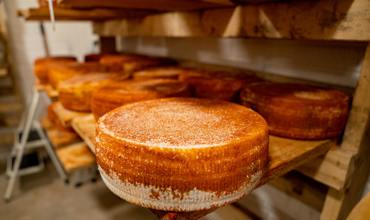
Milk Selection
Choose high-quality milk, preferably raw or pasteurized, depending on the cheese type. Avoid ultra-pasteurized milk for best results.
Cheese making is an art that transforms milk into a variety of flavors, textures, and styles. From creamy Brie to sharp Cheddar, each cheese has its own unique character and process.
Popular types include Mozzarella, Gouda, Blue Cheese, and Feta. Each variety requires specific techniques, cultures, and aging times to achieve its distinct taste and texture.
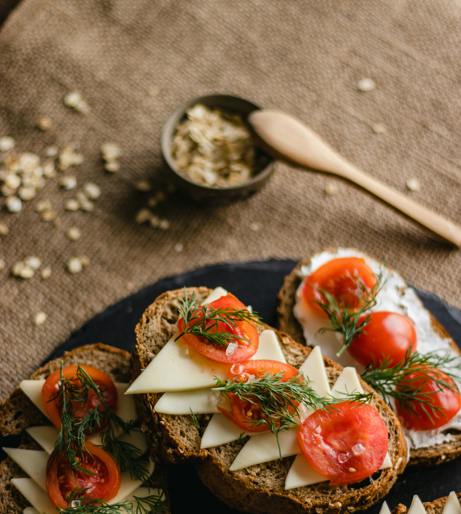
Successful cheese making starts with the right ingredients and techniques. Milk quality, cultures, rennet, and temperature control are critical to the process.
Choose high-quality milk, preferably raw or pasteurized, depending on the cheese type. Avoid ultra-pasteurized milk for best results.
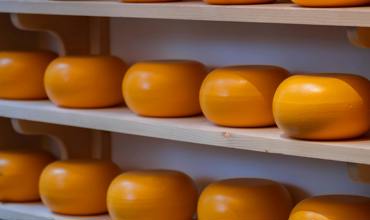
Use specific bacterial cultures and rennet to coagulate milk. Each cheese type requires a unique combination for flavor and texture.
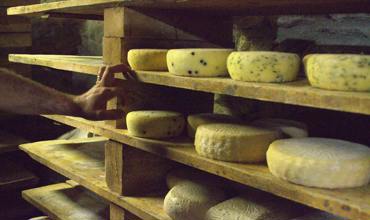
Maintain precise temperatures during curdling, cutting, and pressing to ensure proper cheese formation and flavor development.
Cheese making involves several stages, each crucial for developing flavor, texture, and character. Master these steps to craft the perfect cheese.
Add cultures and rennet to milk to form curds. This step is essential for separating solids from whey.
Cut curds into smaller pieces and stir to release whey. This affects moisture content and texture.
Press curds to remove excess whey and form a cohesive cheese wheel or block.
Apply salt to the cheese surface or brine to enhance flavor and preserve the cheese.
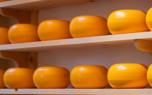
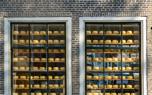
Age cheese in controlled conditions to develop complex flavors and textures over time.
Store cheese properly to maintain quality. Wrap in wax or store in a cool, humid environment.
Experiment with different milk types, such as cow, goat, or sheep, to create unique flavors.
Use herbs, spices, or ash to add distinctive flavors and textures to your cheese.
Invest in quality equipment like a cheese press, thermometer, and pH meter for consistent results.
Whether you're a beginner or an experienced cheese maker, mastering these fundamentals ensures delicious, high-quality cheese.
| Element | Description |
|---|---|
| Milk Quality | Start with fresh, high-quality milk for the best flavor and texture. |
| Cultures | Use specific bacterial cultures to develop flavor and acidity in the cheese. |
| Rennet | Add rennet to coagulate milk and form curds, essential for cheese structure. |
| Temperature Control | Maintain precise temperatures during each stage to ensure proper curd formation and flavor development. |
| Aging Conditions | Control humidity and temperature during aging to develop complex flavors and textures. |
| Sanitation | Keep all equipment and work areas clean to prevent contamination and ensure food safety. |
Cheese making is a rewarding craft that combines science and art. With practice and attention to detail, you can create exceptional cheeses to enjoy and share.