Randy Chandler
Cream cheese and Greek yogurt are two popular dairy products that are often used in various recipes, from savory dishes to sweet desserts. While they have distinct flavors and textures, many people wonder if they can be mixed together to create a delicious and versatile ingredient. The good news is that cream cheese and Greek yogurt can indeed be combined, and the resulting mixture can be used in a variety of ways. In this article, we'll explore the benefits of mixing cream cheese and Greek yogurt, as well as provide some tips and ideas for using the mixture in your cooking and baking.
Explore related products


What You'll Learn
- Texture Comparison: Discussing the differences in texture between cream cheese and Greek yogurt
- Nutritional Benefits: Highlighting the health benefits of combining these two dairy products
- Culinary Uses: Exploring various dishes where a mixture of cream cheese and Greek yogurt can be used
- Flavor Profile: Analyzing the taste combination and how it can enhance or alter recipes
- Substitution Tips: Offering advice on how to substitute one for the other in cooking and baking

Texture Comparison: Discussing the differences in texture between cream cheese and Greek yogurt
Cream cheese and Greek yogurt, while both dairy products, exhibit distinctly different textures that set them apart in culinary applications. Cream cheese is characterized by its smooth, creamy, and spreadable consistency, making it ideal for use in frosting, dips, and as a spread on bagels. On the other hand, Greek yogurt has a thicker, tangier, and more strained texture, which lends itself well to being used in savory dishes, dressings, and as a substitute for sour cream.
The primary difference in texture between the two products stems from their production processes. Cream cheese is made by combining cream with a bacterial culture, which is then heated and strained to achieve its characteristic smoothness. In contrast, Greek yogurt is created by fermenting milk with specific bacterial cultures and then straining it multiple times to remove excess whey, resulting in its thick and creamy texture.
When considering the use of these products in recipes, their textures play a crucial role in determining their suitability. For instance, cream cheese's smooth texture makes it an excellent choice for creating a rich and velvety frosting for cakes, while Greek yogurt's thicker consistency is better suited for adding a tangy flavor and creamy texture to dishes like tzatziki sauce or as a topping for baked potatoes.
In terms of nutritional content, both cream cheese and Greek yogurt offer unique benefits. Cream cheese is higher in fat and calories, making it a more indulgent option, while Greek yogurt is typically lower in fat and higher in protein, making it a healthier choice for those looking to increase their protein intake.
In conclusion, the texture comparison between cream cheese and Greek yogurt highlights their distinct characteristics and culinary uses. While they can be used interchangeably in some recipes, their unique textures and flavors make them better suited for different applications. Understanding these differences can help home cooks and professional chefs alike make informed decisions when selecting ingredients for their dishes.
Creamy Twist: Incorporating Cream Cheese into Your Spaghetti
You may want to see also
Explore related products


Nutritional Benefits: Highlighting the health benefits of combining these two dairy products
Combining cream cheese and Greek yogurt offers a variety of nutritional benefits. Both dairy products are rich in protein, which is essential for muscle repair and growth. Greek yogurt, in particular, is known for its high protein content, often containing up to 20 grams per serving. Cream cheese, while lower in protein than Greek yogurt, still provides a significant amount, contributing to the overall protein content of the mixture.
In addition to protein, both cream cheese and Greek yogurt are good sources of calcium. Calcium is crucial for maintaining strong bones and teeth, and it also plays a role in muscle function and nerve transmission. The combination of these two dairy products can provide a substantial amount of calcium, helping to meet daily requirements.
Greek yogurt is also rich in probiotics, which are beneficial bacteria that support gut health. These probiotics can aid in digestion, boost the immune system, and even contribute to mental health. While cream cheese does not contain probiotics, it does provide a source of healthy fats. These fats are important for absorbing fat-soluble vitamins and can help to keep you feeling full and satisfied.
When combining cream cheese and Greek yogurt, it's important to consider the fat content. Cream cheese is higher in fat than Greek yogurt, so mixing them can increase the overall fat content of the dish. However, by choosing a lower-fat cream cheese or using Greek yogurt as a substitute for some of the cream cheese, you can reduce the fat content while still enjoying the nutritional benefits.
Overall, the combination of cream cheese and Greek yogurt can be a nutritious addition to a balanced diet. By providing a good source of protein, calcium, probiotics, and healthy fats, this mixture can support various aspects of health, from muscle function to gut health.
The Cost of Cream Cheese: A Pound of Deliciousness Unveiled
You may want to see also
Explore related products

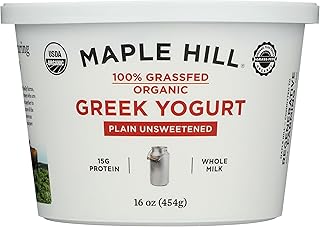
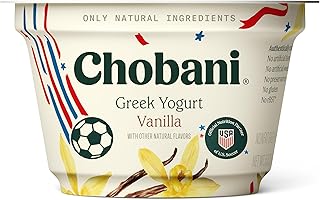


Culinary Uses: Exploring various dishes where a mixture of cream cheese and Greek yogurt can be used
Cream cheese and Greek yogurt, when combined, create a versatile mixture that can enhance a variety of dishes. This blend offers a balance of richness from the cream cheese and tanginess from the Greek yogurt, making it suitable for both sweet and savory recipes. One popular culinary use is as a spread for bagels or toast, providing a creamy texture and a slight tang that complements the bread's flavor. Additionally, this mixture can be used as a base for dips, such as a garlic and herb dip or a spinach and artichoke dip, adding depth and creaminess to the dish.
In the realm of desserts, the combination of cream cheese and Greek yogurt can be used to create lighter versions of traditional cheesecake. By substituting some of the cream cheese with Greek yogurt, the dessert becomes less dense and slightly tangy, offering a refreshing twist on the classic recipe. This mixture can also be used in no-bake cheesecake recipes, where the Greek yogurt helps to set the dessert in the refrigerator, eliminating the need for baking.
Savory dishes also benefit from the incorporation of this mixture. For instance, it can be used as a sauce for pasta, adding a creamy and tangy element to the dish. It can also be used as a marinade for chicken or fish, tenderizing the meat and infusing it with flavor. Furthermore, the mixture can be used as a topping for baked potatoes or as a filling for stuffed vegetables, providing a rich and satisfying taste.
When using a mixture of cream cheese and Greek yogurt in culinary applications, it's important to consider the consistency and flavor profile of the final dish. The ratio of cream cheese to Greek yogurt can be adjusted to achieve the desired level of creaminess and tanginess. Additionally, the mixture can be seasoned with various herbs, spices, and other ingredients to tailor it to specific recipes and taste preferences.
In conclusion, the combination of cream cheese and Greek yogurt offers a wide range of culinary possibilities, from spreads and dips to desserts and savory dishes. By experimenting with different ratios and seasonings, cooks can create unique and flavorful recipes that showcase the versatility of this mixture.
Discover the Best Spots to Buy Monty's Cream Cheese
You may want to see also
Explore related products


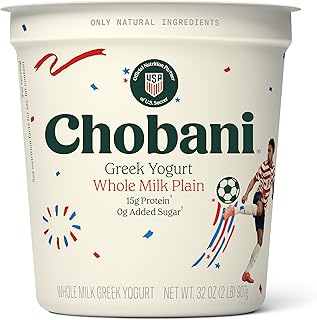



Flavor Profile: Analyzing the taste combination and how it can enhance or alter recipes
The combination of cream cheese and Greek yogurt in recipes can significantly alter the flavor profile, offering a unique taste experience. Cream cheese, with its rich and tangy flavor, pairs well with the slightly acidic and creamy texture of Greek yogurt. This blend can enhance the overall taste of dishes, adding depth and complexity to the flavor.
When analyzing the taste combination, it's essential to consider the proportions of each ingredient. A higher ratio of cream cheese to Greek yogurt will result in a richer, more indulgent flavor, while a higher ratio of Greek yogurt to cream cheese will yield a lighter, more refreshing taste. The key is to find the right balance that complements the other ingredients in the recipe.
In terms of enhancing recipes, the mixture of cream cheese and Greek yogurt can be used in various ways. It can serve as a base for dips and spreads, adding a creamy and tangy element to appetizers. In baking, this combination can be used to create moist and flavorful cakes, muffins, or cheesecakes. Additionally, it can be incorporated into savory dishes, such as pasta sauces or marinades, to add a rich and creamy texture.
However, it's important to note that the flavor profile of this combination can also alter the taste of certain recipes. For instance, if a recipe calls for a specific type of cheese or yogurt, substituting it with a mixture of cream cheese and Greek yogurt may change the intended flavor. Therefore, it's crucial to experiment with different ratios and combinations to achieve the desired taste.
In conclusion, the flavor profile of cream cheese and Greek yogurt offers a unique and versatile taste combination that can enhance or alter recipes. By understanding the proportions and applications of this mixture, one can create dishes with depth, complexity, and a delightful balance of flavors.
Indulge in the Best Pumpkin Rolls with Cream Cheese Filling: A Guide to Where to Buy Them
You may want to see also
Explore related products


Substitution Tips: Offering advice on how to substitute one for the other in cooking and baking
In the realm of culinary substitutions, the swap between cream cheese and Greek yogurt is a common conundrum. While both ingredients share a creamy texture, their differences in fat content, tanginess, and consistency require careful consideration when substituting one for the other in recipes. Here are some practical tips to navigate this substitution successfully:
First, it's essential to understand the ratio of substitution. Generally, you can substitute Greek yogurt for cream cheese at a 1:1 ratio by volume. However, due to the higher moisture content in Greek yogurt, you may need to adjust the recipe by reducing other liquid ingredients slightly to maintain the desired consistency. For instance, if a recipe calls for 8 ounces of cream cheese, you can use 8 ounces of Greek yogurt, but you might need to decrease the amount of milk or water in the recipe by a couple of tablespoons.
When substituting Greek yogurt for cream cheese in baking, it's crucial to consider the leavening agents used in the recipe. Cream cheese is denser and contributes to the structure of baked goods, whereas Greek yogurt is lighter and may require additional leavening agents like baking powder or baking soda to achieve the same rise. Additionally, Greek yogurt's tanginess can affect the flavor profile of the final product, so you may need to adjust the amount of sugar or other sweeteners to balance the taste.
On the other hand, when using cream cheese as a substitute for Greek yogurt in savory dishes, the richness of cream cheese can overpower the flavors of other ingredients. To mitigate this, you can mix cream cheese with a bit of lemon juice or vinegar to replicate the tanginess of Greek yogurt. Also, be mindful of the salt content, as cream cheese is generally saltier than Greek yogurt, and adjust the seasoning accordingly.
In conclusion, while substituting cream cheese and Greek yogurt is possible, it requires attention to detail and an understanding of how each ingredient affects the recipe's texture, flavor, and structure. By following these tips and experimenting with ratios and adjustments, you can successfully navigate the world of culinary substitutions and create delicious dishes with confidence.
Unraveling the Mystery: Is Cream Cheese an Egg-Free Delight?
You may want to see also
Frequently asked questions
Yes, you can mix cream cheese and Greek yogurt together. The combination creates a creamy and tangy mixture that can be used in various recipes or as a spread.
The best way to mix cream cheese and Greek yogurt is to start by softening the cream cheese at room temperature. Then, gradually add the Greek yogurt and mix until smooth and well combined. You can use a hand mixer or a whisk to achieve a creamy consistency.
The mixture of cream cheese and Greek yogurt can be used in several ways. It can serve as a base for dips, be spread on bagels or toast, used as a frosting for cakes, or incorporated into savory dishes like pasta sauces or casseroles.
The taste of the mixture is a blend of the rich, tangy flavor of cream cheese and the slightly sour, creamy taste of Greek yogurt. The combination results in a balanced flavor profile that is both tangy and creamy, offering a unique taste experience compared to using either ingredient alone.
Mixing cream cheese and Greek yogurt can offer some health benefits. Greek yogurt is a good source of protein, probiotics, and calcium, while cream cheese provides some vitamins and minerals, including vitamin A and phosphorus. However, it's important to note that cream cheese is also high in fat and calories, so moderation is key when consuming this mixture for health-conscious reasons.