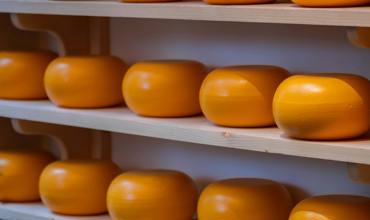
Selecting Cheese
Look for even holes and a smooth texture. Check the label for aging time to match your flavor preference.
Swiss cheese, known for its distinctive holes and nutty flavor, is a versatile cheese enjoyed worldwide. Its unique texture and taste make it a favorite for sandwiches, fondue, and cheese boards.
Popular varieties include Emmental, Appenzeller, and Gruyère. Each type has its own aging process, flavor profile, and culinary uses.
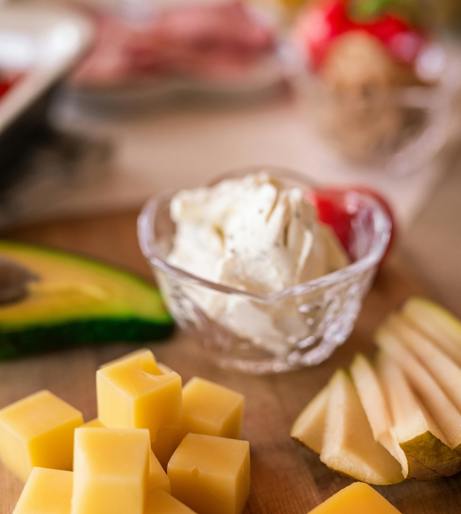
Choosing and storing Swiss cheese properly ensures its flavor and texture remain intact. Consider the type, freshness, and intended use when selecting.
Look for even holes and a smooth texture. Check the label for aging time to match your flavor preference.
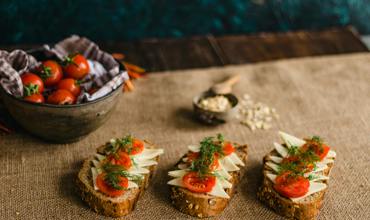
Wrap in wax paper and store in the refrigerator. Avoid plastic wrap to prevent moisture buildup.
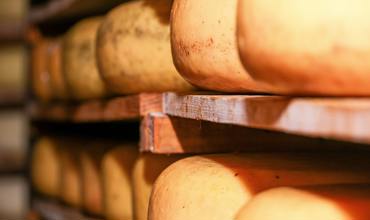
Pair with fruits like apples, nuts, and wines such as Riesling or Pinot Noir for a delightful experience.
The art of making Swiss cheese involves specific steps, from curdling milk to forming the characteristic holes. Understanding the process enhances appreciation for this cheese.
Milk is heated and curdled using bacterial cultures, creating the base for cheese.
Curds are cut, stirred, and heated to release whey, shaping the cheese texture.
During aging, bacteria produce carbon dioxide, creating the iconic holes.
Grate Swiss cheese over pasta for a creamy, nutty flavor enhancement.
Use Swiss cheese in sandwiches for a classic, melt-in-your-mouth experience.
Pair Swiss cheese with fresh fruits and nuts for a sophisticated cheese board.




Understanding the key characteristics of Swiss cheese helps in selecting the right type for your culinary needs.
| Characteristic | Description |
|---|---|
| Texture | Firm yet creamy, with distinctive holes known as "eyes." |
| Flavor | Nutty and slightly sweet, with a mild tang that intensifies with age. |
| Color | Pale yellow interior with a natural rind that may vary in color. |
| Uses | Versatile in cooking, melting, and pairing with wines and fruits. |
| Aging | Aged from 2 to 12 months, with longer aging resulting in stronger flavors. |
Exploring the world of Swiss cheese opens up a realm of culinary possibilities, from simple snacks to gourmet dishes.