Kamil Perry
When it comes to identifying expired Parmesan cheese, visual cues play a crucial role. Typically, fresh Parmesan cheese boasts a pale yellow to white color with a slightly granular texture. However, as it ages past its prime, noticeable changes occur. Expired Parmesan cheese may develop greenish or bluish mold spots, particularly around the edges or on the surface. Additionally, the cheese might exhibit a more pronounced yellowish hue and a drier, crumbly texture. It's essential to inspect the cheese carefully for any signs of spoilage before consumption to ensure food safety and quality.
Explore related products


What You'll Learn
- Color Changes: Expired Parmesan may develop mold spots or discolor, shifting from its typical pale yellow hue
- Texture Alterations: The cheese could become harder and more brittle, or conversely, softer and slimier if mold is present
- Odor Transformations: A sharp, unpleasant smell may replace the usual nutty and savory aroma of fresh Parmesan
- Mold Growth: Visible mold, ranging from small spots to extensive coverage, is a clear sign of spoilage
- Packaging Indicators: Check for bloating or leakage in the packaging, which can suggest bacterial growth and spoilage

Color Changes: Expired Parmesan may develop mold spots or discolor, shifting from its typical pale yellow hue
One of the primary indicators that Parmesan cheese has surpassed its prime is a noticeable shift in color. Fresh Parmesan typically boasts a pale yellow hue, which is a result of the natural aging process and the specific bacterial cultures used during fermentation. However, as the cheese ages beyond its recommended shelf life, it may begin to develop mold spots or discolor, signaling potential spoilage.
The mold spots that can appear on expired Parmesan are often green or blue, which are common colors for mold growth on dairy products. These spots may start small but can quickly spread, covering larger areas of the cheese's surface. In addition to mold, the cheese may also exhibit a general darkening or browning of its color, which can be a sign of oxidation or the breakdown of the cheese's proteins and fats.
It's important to note that not all color changes in Parmesan cheese are indicative of spoilage. For instance, some artisanal or aged varieties of Parmesan may naturally have a darker color due to longer aging processes or the use of different bacterial cultures. However, when combined with other signs of spoilage, such as an off odor or slimy texture, color changes can be a strong indicator that the cheese is no longer safe to consume.
To prevent the consumption of spoiled Parmesan, it's crucial to regularly inspect the cheese for any signs of mold or discoloration. If you notice any significant changes in the cheese's appearance, it's best to err on the side of caution and discard it. Proper storage can also help to extend the shelf life of Parmesan cheese, reducing the likelihood of spoilage. This includes keeping the cheese in a cool, dry place and ensuring that it is tightly wrapped to prevent exposure to air and moisture.
In summary, color changes in Parmesan cheese can be a clear sign of spoilage, particularly when accompanied by mold growth or other indicators of decay. By being vigilant about inspecting the cheese and following proper storage guidelines, you can help to ensure that your Parmesan remains safe and enjoyable to eat.
Exploring the Rich Flavor Profile of Eidar Cheese: A Taste Journey
You may want to see also
Explore related products




Texture Alterations: The cheese could become harder and more brittle, or conversely, softer and slimier if mold is present
As Parmesan cheese ages past its prime, one of the most noticeable changes is in its texture. The cheese could become harder and more brittle, making it difficult to grate or break apart. This is often accompanied by a loss of moisture, causing the cheese to dry out and lose its elasticity. On the other hand, if mold is present, the cheese may become softer and slimier, with a distinct change in its consistency. The mold can cause the cheese to break down, leading to a mushy texture that is unappetizing and potentially unsafe to eat.
The hardening of Parmesan cheese is a natural process that occurs as the cheese dries out over time. This can be accelerated by exposure to air, heat, or low humidity. To prevent this, it's important to store Parmesan cheese properly, wrapped tightly in plastic wrap or aluminum foil and kept in a cool, dry place. However, even with proper storage, the cheese will eventually become too hard to use. In this case, it's best to discard the cheese and purchase a fresh block.
On the other hand, the softening and sliming of Parmesan cheese due to mold is a sign of spoilage. Mold can grow on cheese that has been left out at room temperature for too long, or that has been stored in a damp environment. It's important to inspect Parmesan cheese regularly for signs of mold, such as green or white spots, or a fuzzy texture. If mold is present, the cheese should be discarded immediately, as it can pose health risks if consumed.
In summary, the texture of expired Parmesan cheese can change significantly, either becoming harder and more brittle, or softer and slimier if mold is present. Proper storage can help prevent the hardening process, but it's important to inspect the cheese regularly for signs of spoilage and discard it if mold is present.
Savoring Health: A Taste Test of Domino's Reduced Fat Cheese Pizza
You may want to see also
Explore related products


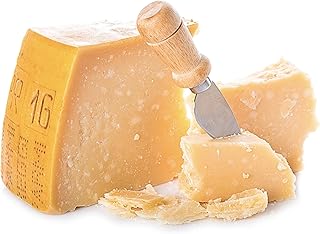

Odor Transformations: A sharp, unpleasant smell may replace the usual nutty and savory aroma of fresh Parmesan
As Parmesan cheese ages past its prime, one of the most noticeable changes is in its odor. The characteristic nutty and savory aroma that fresh Parmesan is known for can transform into a sharp, unpleasant smell. This olfactory shift is a key indicator that the cheese has begun to spoil. The change in scent is due to the breakdown of proteins and fats in the cheese, which releases volatile compounds that have a strong, pungent odor.
When assessing whether Parmesan cheese has expired, it's crucial to pay attention to this change in smell. Fresh Parmesan should have a rich, umami fragrance that is both complex and inviting. In contrast, expired Parmesan will often emit a sour or ammonia-like odor that is distinctly off-putting. This unpleasant smell is a sign that the cheese has started to develop harmful bacteria, which can lead to foodborne illness if consumed.
To determine if your Parmesan cheese has gone bad, start by giving it a sniff. If the aroma is sharp and unpleasant, it's likely that the cheese has expired. Additionally, you can look for other signs of spoilage, such as mold growth or a slimy texture. However, the odor transformation is often the first and most reliable indicator that the cheese is no longer safe to eat.
In summary, the odor of Parmesan cheese is a critical factor in determining its freshness. A sharp, unpleasant smell is a clear sign that the cheese has expired and should be discarded to avoid potential health risks. Always trust your nose when it comes to assessing the quality of Parmesan cheese, as it can provide valuable insights into whether the cheese is still safe and enjoyable to consume.
Exploring the Rich and Tangy Flavors of Danish Blue Cheese
You may want to see also
Explore related products
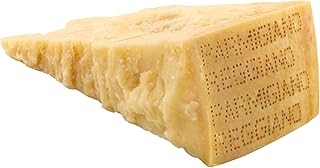


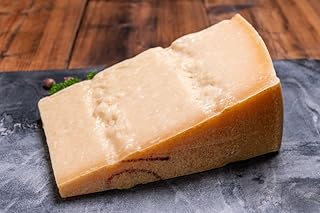
Mold Growth: Visible mold, ranging from small spots to extensive coverage, is a clear sign of spoilage
Mold growth on Parmesan cheese is a definitive indicator of spoilage. This can manifest as small, isolated spots or extensive coverage across the cheese's surface. The mold may appear in various colors, including green, white, or black, and can have a fuzzy or powdery texture. It's crucial to note that mold on cheese can produce mycotoxins, which are harmful compounds that can cause illness if ingested. Therefore, any Parmesan cheese showing signs of mold should be discarded immediately.
The presence of mold on Parmesan cheese can be attributed to improper storage conditions, such as high humidity or inadequate refrigeration. Cheese should ideally be stored in a cool, dry place, wrapped tightly to prevent exposure to air and moisture. If mold is found on the cheese, it's essential to clean the storage area thoroughly to prevent the spread of mold spores to other food items.
In some cases, mold growth may not be immediately visible on the surface of the cheese. Therefore, it's important to inspect the cheese closely and regularly for any signs of spoilage. If the cheese has an off odor, discoloration, or a slimy texture, it may also be an indication that the cheese has expired and should not be consumed.
To prevent mold growth and extend the shelf life of Parmesan cheese, it's recommended to store it in the refrigerator at a temperature between 35°F and 40°F (1.6°C and 4.4°C). The cheese should be wrapped tightly in plastic wrap or aluminum foil to prevent air and moisture from reaching it. Additionally, it's advisable to consume the cheese within a few months of purchase to ensure its quality and safety.
In conclusion, mold growth is a clear sign of spoilage in Parmesan cheese. It's essential to inspect the cheese regularly for any signs of mold and to discard it immediately if any is found. Proper storage conditions and timely consumption can help prevent mold growth and ensure the cheese remains safe and enjoyable to eat.
Savoring the Flavor: A Taste of Dominican Fried Cheese
You may want to see also
Explore related products


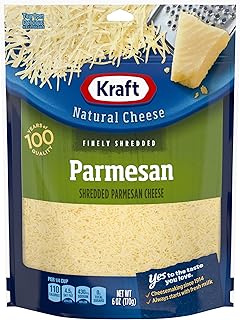
Packaging Indicators: Check for bloating or leakage in the packaging, which can suggest bacterial growth and spoilage
When inspecting the packaging of Parmesan cheese for signs of expiration, it's crucial to look for specific indicators that may suggest bacterial growth or spoilage. Bloating or leakage in the packaging are red flags that should not be ignored. Bloating occurs when gases produced by bacteria accumulate inside the package, causing it to expand or feel puffy to the touch. Leakage, on the other hand, may indicate that the cheese has become too moist, potentially due to bacterial activity, and is seeping out of the packaging.
To check for bloating, gently press on the package and observe if it feels unusually firm or if there's a noticeable resistance. If the package seems to be bulging or if you can see any wrinkles or creases that suggest expansion, it's likely that the cheese has started to spoil. Similarly, if you notice any liquid or semi-liquid substance seeping out of the package, this is a clear sign of leakage and potential spoilage.
It's important to note that these packaging indicators are not foolproof methods for determining the freshness of Parmesan cheese. However, they can serve as useful preliminary checks before further inspecting the cheese itself for signs of expiration, such as mold, discoloration, or an off odor. Always remember to store Parmesan cheese in a cool, dry place to minimize the risk of spoilage and to extend its shelf life.
In summary, when evaluating the packaging of Parmesan cheese for signs of expiration, pay close attention to bloating or leakage, as these can be indicative of bacterial growth and spoilage. While these indicators are not definitive, they can help you make an informed decision about the freshness of the cheese and whether it's safe to consume.
Exploring the Rich Flavor Profile of Double Gloucester Cheese
You may want to see also
Frequently asked questions
Expired Parmesan cheese may show signs of mold, discoloration, or an off odor. It's best to discard it if you notice any of these symptoms.
It's not recommended to use Parmesan cheese past its expiration date as it may have developed harmful bacteria or mold, which can pose health risks.
Parmesan cheese that has gone bad may have a strong, unpleasant odor, visible mold, or discoloration. It may also have a slimy or soft texture, rather than the hard, crumbly texture of fresh Parmesan.
Eating expired Parmesan cheese can lead to foodborne illness, with symptoms such as nausea, vomiting, diarrhea, and stomach cramps. It's important to always check the expiration date before consuming any food product.
To prevent Parmesan cheese from expiring quickly, store it in a cool, dry place, such as a pantry or refrigerator. Wrap it tightly in plastic wrap or aluminum foil to prevent air and moisture from getting in. It's also a good idea to grate or shred the cheese before storing it, as this will help it last longer.