Andy Montoya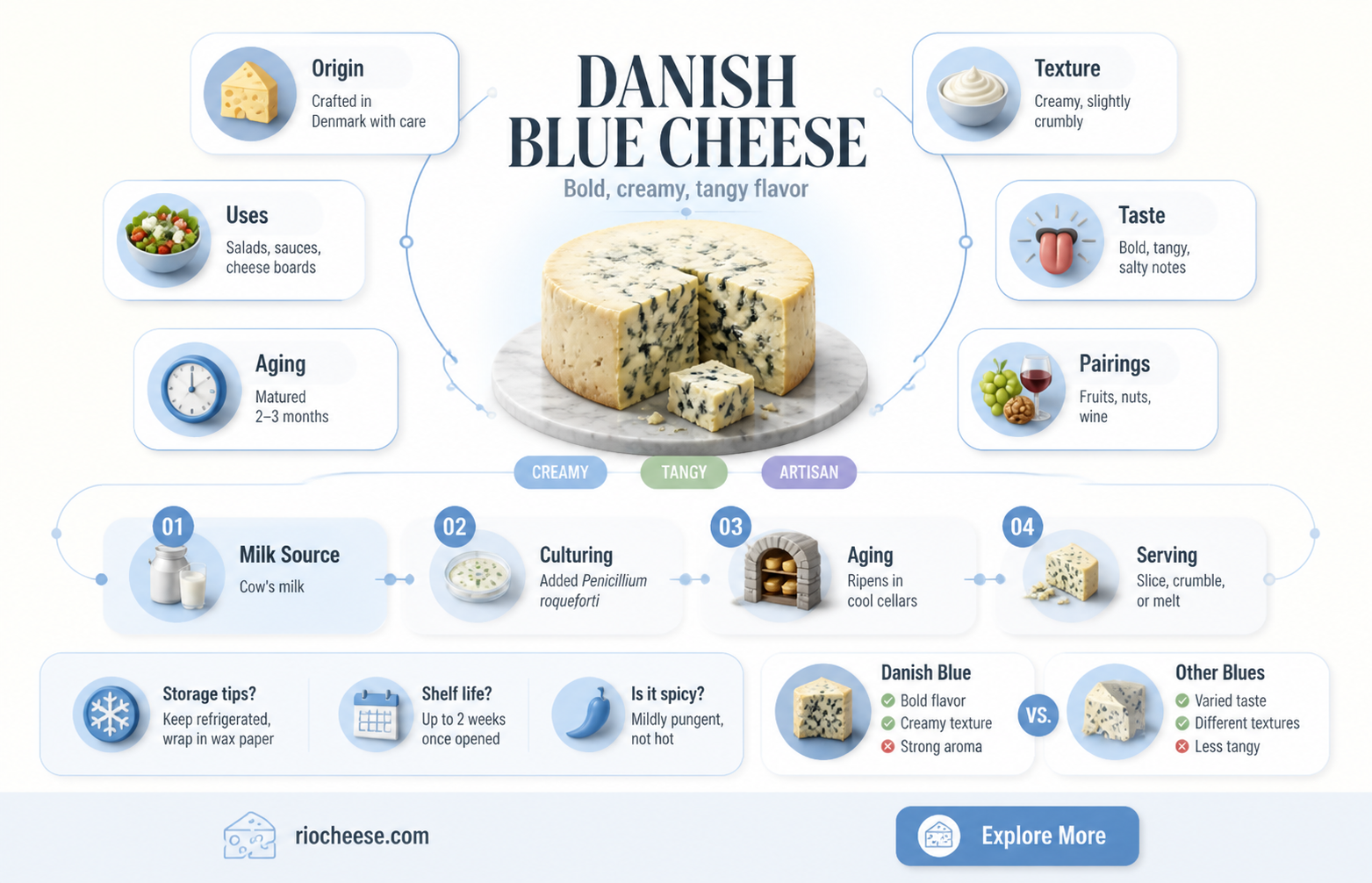
Danish blue cheese, also known as Danablu, is a strong, pungent cheese that originates from Denmark. It is made from cow's milk and is characterized by its distinctive blue-green veins of mold, which give it a unique flavor profile. The taste of Danish blue cheese is often described as sharp, tangy, and slightly salty, with a creamy texture that contrasts with the bold flavors. It is typically aged for several months, which allows the flavors to develop and intensify. This cheese is often enjoyed on its own, paired with fruits and nuts, or used in cooking to add a rich, savory element to dishes.
Explore related products
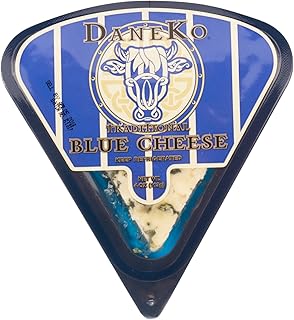


![Danish Blue Cheese features blue mold veins and has a fine and nutty aroma with hints of marzipan and the soft bitter flavor of sourdough, making it a favorite for cooking and snacking. It is made using homogenized cow's milk, which contributes to its strong bite, while the cream in the milk provides the perfect balance for its sharp flavor. The unique taste of Danish Blue Cheese will not go unnoticed. It is strong and flavorful while boasting a memorable aroma. The taste is sharp, salty, savory, nutty, with hints of marzipan and soft bitter flavor of sourdough. [ 12.3 oz , 0.76 lb ]](https://m.media-amazon.com/images/I/51x+Xt306vL._AC_UL320_.jpg)

What You'll Learn
- Flavor Profile: Strong, pungent, and tangy with a sharp, salty kick
- Texture: Creamy and soft, often with a slightly crumbly exterior
- Aroma: Intense, earthy, and slightly ammonia-like, characteristic of blue cheeses
- Pairing Suggestions: Pairs well with sweet fruits, nuts, and full-bodied red wines
- Culinary Uses: Ideal for salads, sandwiches, and as a bold addition to various dishes

Flavor Profile: Strong, pungent, and tangy with a sharp, salty kick
Danish blue cheese, known for its robust and distinctive flavor, offers a sensory experience that is both bold and complex. The strong, pungent aroma is the first indicator of its intense taste profile. This pungency is a result of the blue mold cultures used in its production, which break down the fats and proteins in the cheese, releasing volatile compounds that contribute to its sharp scent.
The tanginess of Danish blue cheese is another prominent characteristic. This tangy flavor comes from the lactic acid bacteria present during the fermentation process. These bacteria convert lactose into lactic acid, giving the cheese its acidic, zesty taste. The tanginess is often described as bright and refreshing, balancing the richness of the cheese.
A sharp, salty kick is perhaps the most defining feature of Danish blue cheese. The saltiness is introduced during the cheese-making process, where salt is added to the curds before pressing and aging. This salt not only enhances the flavor but also helps to preserve the cheese. The sharpness of the salt is amplified by the blue mold, which creates a piquant, almost spicy sensation on the palate.
When tasting Danish blue cheese, one might also notice a creamy, buttery texture that contrasts with its bold flavors. This texture is a result of the high fat content in the cheese, which provides a smooth, rich mouthfeel. The combination of the creamy texture with the strong, tangy, and salty flavors creates a unique and memorable tasting experience.
In summary, Danish blue cheese is characterized by its strong, pungent aroma, tangy lactic acid notes, and a sharp, salty kick. These flavors are balanced by a creamy, buttery texture, making it a cheese that is both bold and luxurious. Whether enjoyed on its own, crumbled over salads, or melted into sauces, Danish blue cheese offers a distinctive and flavorful addition to any culinary creation.
Exploring the Rich Flavor Profile of Crumbled Goat Cheese
You may want to see also
Explore related products


Texture: Creamy and soft, often with a slightly crumbly exterior
Danish blue cheese, renowned for its distinctive texture, presents a delightful sensory experience. The creamy and soft interior is a hallmark of this cheese, providing a rich and velvety mouthfeel that is both luxurious and satisfying. This texture is achieved through a careful aging process, where the cheese is allowed to mature under controlled conditions, developing its characteristic smoothness.
Contrasting with the creamy interior, the exterior of Danish blue cheese often exhibits a slightly crumbly texture. This outer layer, known as the rind, is typically firmer and drier than the cheese itself. The rind serves as a protective barrier, helping to preserve the cheese's moisture and flavor during aging. When bitten into, the rind provides a subtle crunch that complements the softness of the cheese, creating a pleasing textural contrast.
The combination of the creamy interior and the crumbly exterior is a key aspect of Danish blue cheese's appeal. This textural duality not only enhances the eating experience but also contributes to the cheese's versatility in culinary applications. Whether crumbled over salads, melted into sauces, or simply enjoyed on its own, the unique texture of Danish blue cheese adds depth and complexity to any dish.
In summary, the texture of Danish blue cheese is a defining characteristic that sets it apart from other varieties. Its creamy and soft interior, paired with a slightly crumbly exterior, offers a delightful contrast that is both visually appealing and gastronomically satisfying. This textural profile is the result of meticulous craftsmanship and careful aging, making Danish blue cheese a true delicacy for cheese enthusiasts.
Exploring the Rich Flavors of Cotswold Cheese: A Taste Journey
You may want to see also
Explore related products


Aroma: Intense, earthy, and slightly ammonia-like, characteristic of blue cheeses
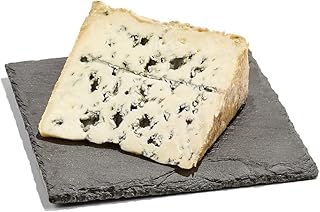
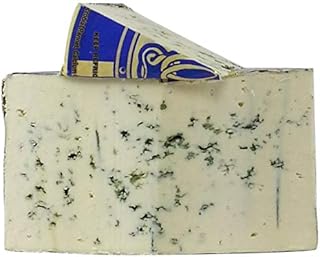
The aroma of Danish blue cheese is a defining characteristic that sets it apart from other cheese varieties. It is intense, earthy, and slightly ammonia-like, which may seem off-putting to some, but is a hallmark of blue cheeses. This pungent aroma is a result of the mold cultures used in the cheese-making process, specifically Penicillium roqueforti, which imparts a distinctive flavor and scent.
When you first encounter the aroma of Danish blue cheese, it can be quite overpowering. The earthy notes are reminiscent of damp soil or mushrooms, while the ammonia-like aspect gives it a sharp, tangy quality. This combination of scents may evoke a visceral reaction, but it is important to remember that the aroma is often more intense than the actual taste.
The aroma of Danish blue cheese also plays a crucial role in its flavor profile. The pungent scent is a precursor to the bold, tangy taste that blue cheese is known for. When you taste the cheese, the aroma lingers in the background, enhancing the overall sensory experience. The intense aroma can also help to balance out the richness of the cheese, making it a more complex and interesting flavor.
For those who are new to blue cheese, the aroma can be a bit overwhelming. However, with time and exposure, many people come to appreciate the unique qualities of blue cheese. The aroma becomes less off-putting and more intriguing, as you begin to understand the nuances of the cheese's flavor profile.
In conclusion, the aroma of Danish blue cheese is a defining characteristic that is intense, earthy, and slightly ammonia-like. While it may be off-putting to some, it is an essential aspect of the cheese's flavor profile and plays a crucial role in the overall sensory experience. With time and exposure, many people come to appreciate the unique qualities of blue cheese, including its distinctive aroma.
Exploring the Rich Flavor Profile of Cuajada Cheese
You may want to see also
Explore related products


Pairing Suggestions: Pairs well with sweet fruits, nuts, and full-bodied red wines
Danish blue cheese, known for its strong flavor and creamy texture, pairs exceptionally well with a variety of foods and beverages. One of the most classic pairings is with sweet fruits, such as figs, pears, or apples. The sweetness of the fruit balances the pungency of the cheese, creating a harmonious blend of flavors. For a more indulgent experience, try pairing Danish blue cheese with nuts like walnuts or almonds. The crunchy texture of the nuts contrasts beautifully with the soft, spreadable consistency of the cheese, while their rich, earthy flavors complement each other perfectly.
When it comes to beverages, full-bodied red wines are an excellent choice to accompany Danish blue cheese. The tannins in the wine help to cut through the richness of the cheese, while the bold flavors of the wine stand up to the strong taste of the blue cheese. Some specific wine recommendations include Cabernet Sauvignon, Merlot, or a robust Pinot Noir. For non-alcoholic options, consider pairing the cheese with a sparkling water infused with citrus or a sweet iced tea, which can help cleanse the palate between bites.
To elevate your pairing experience, consider serving Danish blue cheese as part of a cheese board. Arrange the cheese alongside the suggested fruits and nuts, and perhaps add some crackers or bread for variety. This presentation not only looks appealing but also allows guests to experiment with different combinations and find their own perfect pairings.
In terms of practical tips, when pairing Danish blue cheese with other foods, it's important to consider the intensity of flavors. The strong taste of blue cheese can easily overpower more delicate flavors, so it's best to pair it with foods that can hold their own. Additionally, when serving blue cheese, make sure to bring it to room temperature to fully appreciate its creamy texture and complex flavors.
Overall, Danish blue cheese offers a world of pairing possibilities, from sweet fruits and nuts to full-bodied red wines. By exploring these combinations, you can discover new and exciting ways to enjoy this flavorful cheese.
Exploring the Rich Flavor Profile of Cup Cheese: A Taste Test
You may want to see also
Explore related products


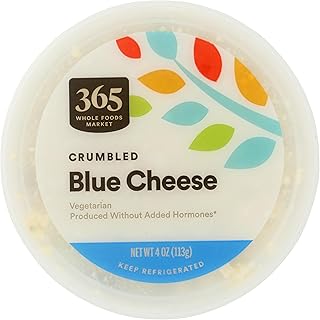


Culinary Uses: Ideal for salads, sandwiches, and as a bold addition to various dishes
Danish blue cheese, with its robust and tangy flavor profile, is a versatile ingredient that can elevate a variety of dishes. Its creamy texture and distinctive blue veins make it an excellent choice for culinary applications that require both visual appeal and a bold taste. One of the most popular uses of Danish blue cheese is in salads, where it can be crumbled over mixed greens to add a rich, savory element that complements the freshness of the vegetables. The cheese's strong flavor pairs particularly well with bitter greens like arugula or radicchio, creating a balanced and satisfying dish.
In addition to salads, Danish blue cheese is a fantastic addition to sandwiches. Its creamy consistency and sharp taste can enhance the flavor of meats, such as turkey or roast beef, and add depth to vegetarian options like avocado or cucumber sandwiches. For a more indulgent experience, it can be paired with caramelized onions or sautéed mushrooms, creating a gourmet sandwich that is both hearty and flavorful.
Beyond salads and sandwiches, Danish blue cheese can be used as a bold addition to various other dishes. It can be melted into sauces or dips, providing a rich, cheesy base that is perfect for coating pasta or vegetables. The cheese can also be incorporated into baked goods, such as scones or bread, adding a savory twist to traditional recipes. For those looking to experiment, Danish blue cheese can even be used in desserts, where its tangy flavor can contrast beautifully with sweet ingredients like honey or chocolate.
When using Danish blue cheese in culinary applications, it is important to consider the strength of its flavor and how it will interact with other ingredients. A little goes a long way, so it is best to use it sparingly to avoid overpowering the dish. Additionally, the cheese's creamy texture can add richness to recipes, so it may be necessary to adjust other ingredients accordingly to maintain the desired balance of flavors and textures.
Overall, Danish blue cheese is a versatile and flavorful ingredient that can be used in a variety of culinary applications. Its bold taste and creamy texture make it an excellent choice for salads, sandwiches, and other dishes where a strong, savory element is desired. By understanding how to use it effectively, cooks can unlock the full potential of this delicious cheese and create memorable meals that are both visually appealing and packed with flavor.
Exploring the Rich Flavor Profile of Creamy Havarti Cheese
You may want to see also
Frequently asked questions
Danish blue cheese has a strong, pungent flavor with a sharp, tangy taste. It's known for its intense aroma and bold, spicy notes.
Compared to other blue cheeses, Danish blue cheese tends to have a milder, creamier texture and a slightly less intense flavor profile. However, it still retains the characteristic pungency and tanginess of blue cheese.
Danish blue cheese is often used in salads, dressings, and marinades. It can also be crumbled over pasta dishes, incorporated into sauces, or served as a bold, flavorful topping for burgers and sandwiches.
The key ingredients that contribute to the taste of Danish blue cheese include milk, salt, and the blue mold cultures (such as Penicillium roqueforti). These molds give the cheese its distinctive blue veins and pungent flavor.
The aging process plays a crucial role in developing the flavor of Danish blue cheese. As the cheese ages, the blue mold cultures become more active, producing compounds that contribute to the cheese's pungency and tanginess. The longer the cheese is aged, the stronger and more complex its flavor becomes.


![Blue Cheese Crumbles. These crumbles are handmade with cow's milk and are easy to incorporate into many recipes. Toss these blue cheese crumbles onto salads, on top of steaks and burgers, or even inside buffalo chicken wraps. [ 12 oz , 0.75 lb ]](https://m.media-amazon.com/images/I/61YHpZEyQtL._AC_UL320_.jpg)