Bushra Griffith
Fake cheese, also known as processed cheese or cheese analogues, is a popular alternative to traditional dairy cheese. It's made from a variety of ingredients, including plant-based oils, proteins, and flavorings. The taste of fake cheese can vary widely depending on the brand and type, but it often has a milder, creamier flavor than real cheese. Some people find it to be a delicious and versatile substitute, while others may notice a slightly artificial or plasticky taste. In this article, we'll explore the world of fake cheese and discover what makes it a popular choice for many consumers.
Explore related products


What You'll Learn
- Texture Comparison: Analyzing the mouthfeel differences between real and imitation cheeses
- Flavor Profile: Exploring the taste nuances that distinguish fake cheese from authentic varieties
- Melting Characteristics: Investigating how imitation cheeses melt compared to their real counterparts
- Common Ingredients: Identifying typical components used in fake cheese production and their impact on taste
- Culinary Uses: Discussing the best applications for fake cheese in cooking and recipes

Texture Comparison: Analyzing the mouthfeel differences between real and imitation cheeses
The mouthfeel of cheese is a critical aspect of its overall sensory experience. Real cheese typically has a complex texture that can range from creamy and smooth to crumbly and firm, depending on the type. This texture is a result of the natural coagulation process of milk proteins during cheese-making. In contrast, imitation cheeses often have a more uniform and sometimes rubbery texture, lacking the depth and variety found in their real counterparts.
One of the key differences in texture between real and imitation cheeses lies in the melting properties. Real cheese melts in a way that is often described as "stretchy" or "gooey," with a smooth, even consistency. This is due to the presence of natural proteins and fats that melt and stretch when heated. Imitation cheeses, on the other hand, may not melt as smoothly or evenly, sometimes resulting in a clumpy or oily texture when heated.
Another aspect to consider is the initial bite or "attack" of the cheese. Real cheese often has a distinct, sometimes sharp or tangy bite that is followed by a rich, creamy finish. Imitation cheeses may lack this initial bite, instead offering a more bland or neutral flavor profile. Additionally, the finish of imitation cheeses can sometimes be less satisfying, with a lingering artificial taste or a lack of depth in flavor.
When comparing the textures of real and imitation cheeses, it's also important to consider the role of aging. Aged real cheeses can develop a more complex texture over time, with the formation of crystals or a more pronounced crumb structure. Imitation cheeses, being artificially created, do not undergo this natural aging process and therefore lack the textural evolution that real cheeses experience.
In summary, the texture of real cheese is a multifaceted sensory experience that encompasses a range of sensations from the initial bite to the melting properties and finish. Imitation cheeses, while they may mimic some aspects of real cheese, often fall short in terms of texture, lacking the complexity and depth that comes from natural cheese-making processes.
Exploring the Rich Flavor Profile of Cuajada Cheese
You may want to see also
Explore related products


Flavor Profile: Exploring the taste nuances that distinguish fake cheese from authentic varieties
The flavor profile of fake cheese is a complex and nuanced topic, with many factors influencing the final taste. One of the key differences between fake cheese and authentic varieties is the presence of natural enzymes and bacteria in real cheese, which contribute to its unique flavor and aroma. Fake cheese, on the other hand, often relies on artificial flavorings and additives to mimic the taste of real cheese. This can result in a less complex and less satisfying flavor experience.
Another important factor to consider is the texture of fake cheese. While some fake cheeses are designed to closely mimic the texture of real cheese, others may have a more rubbery or plastic-like consistency. This can affect the way the cheese melts and the overall mouthfeel, which in turn can impact the flavor profile. For example, a fake cheese with a more rubbery texture may not melt as smoothly as real cheese, which can result in a less creamy and less rich flavor experience.
When it comes to specific flavor notes, fake cheese often lacks the depth and complexity of real cheese. Real cheese can have a wide range of flavor notes, from nutty and earthy to tangy and sharp. Fake cheese, on the other hand, may have a more uniform and less interesting flavor profile. However, some high-quality fake cheeses are designed to closely mimic the flavor of specific types of real cheese, such as cheddar or mozzarella.
One of the challenges in creating a convincing fake cheese flavor profile is balancing the various flavor components. For example, a fake cheese that is too salty may not taste like real cheese, while a fake cheese that is too bland may not be satisfying. Finding the right balance of saltiness, tanginess, and other flavor notes is crucial in creating a fake cheese that tastes authentic.
In conclusion, the flavor profile of fake cheese is a complex and multifaceted topic. While fake cheese can never fully replicate the taste and texture of real cheese, high-quality fake cheeses can come close by carefully balancing various flavor components and mimicking the texture of real cheese. Understanding the differences between fake cheese and real cheese can help consumers make informed choices when selecting cheese alternatives.
Exploring the Rich Flavor Profile of Cotija Cheese: A Taste Journey
You may want to see also
Explore related products


Melting Characteristics: Investigating how imitation cheeses melt compared to their real counterparts
The melting characteristics of imitation cheeses are a crucial aspect to consider when comparing them to their real counterparts. One key difference lies in the composition of the cheeses. Real cheese is made from milk and contains natural proteins and fats that contribute to its melting properties. In contrast, imitation cheeses often contain plant-based proteins and fats, which can affect how they melt.
When heated, real cheese typically melts smoothly and evenly, forming a gooey and stretchy texture. This is due to the natural proteins and fats in the cheese that break down and re-form when exposed to heat. Imitation cheeses, on the other hand, may not melt as smoothly or evenly. They can become grainy or separate when heated, resulting in a less desirable texture.
Another factor to consider is the moisture content of the cheeses. Real cheese generally has a higher moisture content than imitation cheese, which can also impact melting characteristics. Higher moisture content in real cheese allows it to melt more easily and form a smoother texture. Imitation cheeses with lower moisture content may require more heat to melt and may not achieve the same gooey consistency as real cheese.
In terms of flavor, the melting characteristics of imitation cheeses can also differ from real cheeses. When melted, real cheese often releases its natural flavors and aromas, enhancing the overall taste of the dish. Imitation cheeses may not have the same depth of flavor when melted, and some may even develop an unpleasant taste or odor when heated.
To better understand the melting characteristics of imitation cheeses, it can be helpful to conduct a simple experiment. Start by selecting a variety of real and imitation cheeses. Then, heat each cheese in a small saucepan over low heat, stirring constantly. Observe the melting process, noting the texture, consistency, and any changes in flavor or aroma. This experiment can provide valuable insights into the differences between real and imitation cheeses when it comes to melting.
Exploring the Appearance of Ear Cheese: A Visual Guide
You may want to see also
Explore related products



Common Ingredients: Identifying typical components used in fake cheese production and their impact on taste
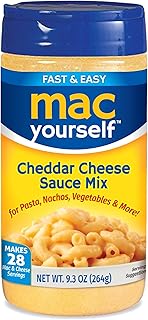
Fake cheese, also known as cheese analogues, are products designed to mimic the taste, texture, and appearance of traditional cheese. They are often used as a cost-effective alternative in various food applications, from pizzas to sauces. The taste of fake cheese can vary significantly depending on the ingredients used in its production. Common ingredients include plant-based oils, such as soybean or canola oil, which provide a creamy texture and mild flavor. These oils are often hydrogenated to enhance stability and shelf life, although this process can introduce trans fats, which have been linked to health concerns.
Another key ingredient in fake cheese is casein, a milk protein that gives real cheese its characteristic texture and melting properties. Casein is often derived from milk but can also be produced through fermentation using bacteria. In addition to casein, other proteins like whey protein or soy protein may be used to improve texture and nutritional content. Flavorings, such as salt, spices, and natural or artificial flavorings, are added to enhance the taste and mimic the complex flavor profile of real cheese.
The combination of these ingredients results in a product that can closely resemble the taste and texture of real cheese, although there are some notable differences. Fake cheese often has a milder, less tangy flavor and a smoother, more uniform texture. It may also lack the nuanced flavors and aromas that develop in real cheese during the aging process. Additionally, the melting properties of fake cheese can differ from those of real cheese, sometimes resulting in a less desirable texture when heated.
Despite these differences, fake cheese can be a suitable substitute for real cheese in many applications, particularly when cost and shelf life are primary considerations. However, consumers who are sensitive to the taste and texture of real cheese may find fake cheese to be an unsatisfactory alternative. As with any food product, it is essential to read labels and understand the ingredients used in fake cheese to make informed choices about its consumption.
Exploring the Rich Flavor Profile of Derby Cheese: A Culinary Journey
You may want to see also
Explore related products


Culinary Uses: Discussing the best applications for fake cheese in cooking and recipes
Fake cheese, with its unique taste and texture, can be a versatile ingredient in various culinary applications. One of the best uses for fake cheese is in vegan or dairy-free recipes, where it can serve as a direct substitute for traditional cheese. For instance, in a vegan lasagna, fake cheese can be layered between pasta sheets and vegetables, providing a creamy texture and rich flavor that complements the other ingredients. Similarly, in dairy-free pizza recipes, fake cheese can be melted on top of the pizza, offering a gooey and satisfying texture that mimics the taste of mozzarella.
Another excellent application for fake cheese is in dishes where the cheese is not the main focus but still adds a desirable richness. For example, in a vegetable stir-fry, a small amount of fake cheese can be added towards the end of cooking to create a creamy sauce that binds the vegetables together. This technique can also be used in soups and stews, where fake cheese can be stirred in to add depth and creaminess without overpowering the other flavors.
Fake cheese can also be used creatively in desserts. For instance, in a dairy-free cheesecake, fake cheese can be combined with other ingredients like tofu, sugar, and vanilla to create a smooth and creamy filling that sets firmly in the refrigerator. This dessert can be topped with fresh fruit or a fruit compote for a delicious and satisfying treat.
When using fake cheese in cooking, it's important to consider its melting properties. Some types of fake cheese melt better than others, and this can affect the final texture of the dish. For recipes that require a gooey or melted cheese texture, it's best to choose a fake cheese that is specifically designed for melting. Additionally, the flavor of fake cheese can vary depending on the brand and type, so it's a good idea to experiment with different varieties to find the one that best suits your taste preferences.
In conclusion, fake cheese can be a valuable ingredient in a wide range of culinary applications, from savory dishes to sweet treats. By understanding its properties and how it can be used effectively, cooks can create delicious and satisfying meals that cater to various dietary needs and preferences.
The Surprising Appearance of Expired Parmesan Cheese: A Visual Guide
You may want to see also
Frequently asked questions
Fake cheese, also known as vegan cheese or dairy-free cheese, can have a wide range of tastes depending on the brand and type. Generally, it may have a milder, less complex flavor compared to real cheese, with some varieties having a slightly tangy or nutty taste.
The taste of fake cheese is often less rich and less nuanced than real cheese. It may lack the depth of flavor and the variety of textures that real cheese offers. However, many fake cheeses are designed to mimic the taste and texture of specific types of real cheese, such as cheddar or mozzarella.
Yes, there can be health benefits to choosing fake cheese over real cheese, especially for those who are lactose intolerant, vegan, or looking to reduce their saturated fat and cholesterol intake. Fake cheese is typically lower in calories, fat, and cholesterol than real cheese, and it doesn't contain lactose. However, it's important to check the ingredients and nutritional information, as some fake cheeses can be high in sodium or contain other additives.