 Bushra Griffith
Fontina cheese, a renowned Italian variety, is celebrated for its rich and complex flavor profile. Originating from the Aosta Valley in the Italian Alps, Fontina is a semi-hard cheese made from cow's milk. Its taste is characterized by a harmonious blend of nutty, earthy, and slightly sweet notes, which develop over its aging period. The cheese's texture is smooth and elastic, making it a favorite for both snacking and cooking. Fontina's versatility allows it to be used in a variety of dishes, from simple cheese platters to more elaborate recipes like fondue and risotto. Its popularity has led to the creation of several variations, including Fontina d'Aosta, which is protected by a designation of origin, ensuring its traditional production methods and quality.
Explore related products


What You'll Learn
- Flavor Profile: Mild, creamy, slightly sweet, nutty undertones
- Texture: Soft, smooth, melts well, ideal for various dishes
- Pairing Suggestions: Fruits, nuts, crackers, wine, beer
- Culinary Uses: Grilled sandwiches, pasta dishes, salads, appetizers
- Nutritional Information: Calories, fat content, protein, vitamins, minerals

Flavor Profile: Mild, creamy, slightly sweet, nutty undertones
Fontina cheese, renowned for its mild and creamy flavor profile, offers a delightful culinary experience. The initial taste is characterized by a subtle sweetness that gently lingers on the palate. This sweetness is complemented by nutty undertones, which add depth and complexity to the cheese's overall flavor. The creaminess of Fontina is a standout feature, making it a versatile ingredient in various dishes.
When melted, Fontina cheese becomes even more enticing, as its creamy texture intensifies and its mild flavors become more pronounced. The nutty undertones become more evident, contributing to a rich and satisfying taste. This makes Fontina an excellent choice for dishes like fondue, where its melting properties and flavor profile can be fully appreciated.
In terms of pairing, Fontina cheese's mild and creamy nature makes it an ideal match for a variety of foods. It pairs well with fruits like apples and pears, as well as with nuts such as almonds and walnuts. The cheese's subtle sweetness and nuttiness also make it a great companion to wines, particularly white wines like Chardonnay or Sauvignon Blanc.
Fontina cheese is not only enjoyed on its own or in dishes but also used as a garnish or topping. Its mild flavor and creamy texture make it an excellent addition to salads, sandwiches, and pasta dishes. The cheese's versatility in both cooking and pairing makes it a popular choice among chefs and food enthusiasts alike.
In summary, Fontina cheese's flavor profile, characterized by its mild, creamy, slightly sweet, and nutty undertones, makes it a unique and versatile ingredient in the culinary world. Its excellent melting properties and ability to pair well with a variety of foods and wines further enhance its appeal. Whether enjoyed on its own or incorporated into dishes, Fontina cheese offers a delightful taste experience that is both subtle and satisfying.
Exploring the Distinctive Appearance of Emmental Cheese
You may want to see also
Explore related products


Texture: Soft, smooth, melts well, ideal for various dishes
Fontina cheese boasts a soft and smooth texture that is highly prized in culinary applications. This Italian cheese is known for its excellent melting properties, making it a versatile ingredient in a variety of dishes. When heated, Fontina becomes wonderfully gooey and stretchy, which is why it's often used in fondue recipes. The cheese's creamy consistency also makes it a great choice for gratinating over vegetables or pasta dishes, as it forms a rich, golden-brown crust when broiled.
The texture of Fontina is a result of its high moisture content and the specific aging process it undergoes. Typically aged for about three to four months, the cheese develops a tender crumb that is neither too firm nor too runny. This balance in texture allows Fontina to be easily sliced and served on cheese platters, while also melting smoothly when cooked.
In addition to its melting qualities, Fontina has a mild, nutty flavor that complements a wide range of ingredients without overpowering them. This makes it an ideal cheese for dishes where a subtle, creamy taste is desired. Whether used in a classic Italian risotto or as a topping for a gourmet pizza, Fontina's texture and flavor profile make it a beloved choice among chefs and home cooks alike.
When shopping for Fontina, it's important to look for a cheese that has a consistent, smooth texture without any signs of drying out or cracking. The rind should be intact and have a slightly reddish-brown color, indicating that it has been properly aged. To maintain its texture and flavor, Fontina should be stored in a cool, humid place, such as a cheese drawer in the refrigerator.
In summary, Fontina cheese is celebrated for its soft, smooth texture and exceptional melting properties, which make it a versatile and popular ingredient in many dishes. Its mild flavor and creamy consistency allow it to blend seamlessly with other ingredients, while its ability to form a golden crust when broiled adds a delightful textural contrast to various culinary creations.
Unraveling the Flavor Mystery: What Does Easy Cheese Taste Like?
You may want to see also
Explore related products


Pairing Suggestions: Fruits, nuts, crackers, wine, beer
Fontina cheese, with its rich and creamy texture, pairs exceptionally well with a variety of accompaniments. When considering fruits, apples and pears are classic choices that complement the cheese's nutty flavor. For a more exotic pairing, try figs or apricots, which add a touch of sweetness and complexity.
Nuts are another excellent pairing option for Fontina. Almonds and walnuts enhance the cheese's earthy notes, while pistachios or hazelnuts provide a delightful contrast in texture. When it comes to crackers, opt for whole grain or multigrain varieties to add a hearty crunch that balances the cheese's smoothness.
Wine enthusiasts will find that Fontina pairs beautifully with a range of wines. A crisp Chardonnay or a light Pinot Noir can enhance the cheese's subtle flavors, while a bold Cabernet Sauvignon or a sweet Riesling can create a more dramatic pairing. For beer lovers, a pale ale or a lager can cleanse the palate between bites of Fontina, while a stout or a porter can complement the cheese's richness.
When hosting a cheese board, consider arranging Fontina alongside these pairings to create a visually appealing and flavorful spread. Start with the cheese at room temperature to fully appreciate its texture and taste. Then, experiment with different combinations of fruits, nuts, crackers, wines, and beers to discover your perfect pairing. Remember, the key to a successful cheese board is variety and balance, so don't be afraid to mix and match to find your ideal Fontina pairings.
Exploring Fontina: A Visual Guide to Its Unique Appearance
You may want to see also
Explore related products

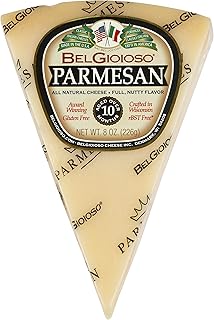


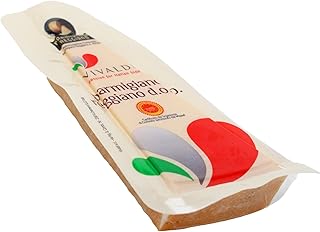

Culinary Uses: Grilled sandwiches, pasta dishes, salads, appetizers
Fontina cheese, with its rich and creamy texture, is a versatile ingredient that can elevate a variety of dishes. One of its most popular culinary uses is in grilled sandwiches, where it melts beautifully and adds a depth of flavor that complements the toasted bread and other fillings. For a gourmet twist, try pairing Fontina with caramelized onions and balsamic glaze for a sweet and savory combination.
In pasta dishes, Fontina can be grated over the top of a steaming bowl of spaghetti or incorporated into a creamy sauce for a luxurious macaroni and cheese. Its mild, nutty flavor pairs well with a variety of herbs and spices, making it a perfect addition to any pasta recipe. For a quick and easy appetizer, simply slice Fontina and serve it on a cheese platter with crackers, olives, and a drizzle of olive oil.
Fontina also shines in salads, where its smooth texture and subtle flavor can balance out the crispness of fresh greens and the tang of vinaigrettes. Try tossing sliced Fontina with mixed greens, cherry tomatoes, and a light balsamic dressing for a refreshing side dish. For a more indulgent appetizer, stuff Fontina into mushrooms and bake until golden brown and bubbly.
When using Fontina in any of these culinary applications, it's important to remember that a little goes a long way. Its rich flavor and creamy texture can quickly overpower other ingredients, so use it sparingly to achieve the perfect balance. Additionally, Fontina can be quite salty, so be mindful of this when seasoning your dishes.
In conclusion, Fontina cheese is a delicious and versatile ingredient that can be used in a variety of culinary applications. From grilled sandwiches to pasta dishes, salads, and appetizers, Fontina adds a rich, creamy texture and a depth of flavor that can elevate any meal. Just remember to use it sparingly and be mindful of its saltiness to achieve the perfect balance in your dishes.
Exploring the Flavor Profile of Cottage Cheese: A Comprehensive Guide
You may want to see also
Explore related products




Nutritional Information: Calories, fat content, protein, vitamins, minerals
Fontina cheese, a semi-soft Italian cheese, offers a rich nutritional profile that makes it a valuable addition to a balanced diet. One ounce of Fontina cheese contains approximately 100 calories, providing a moderate energy contribution. The fat content in this serving size is around 8 grams, with a notable portion being saturated fat, which should be consumed in moderation as part of a heart-healthy diet.
In terms of protein, Fontina cheese delivers about 6 grams per ounce, making it a good source of this essential macronutrient. Protein is crucial for muscle repair, growth, and overall body maintenance. Additionally, Fontina cheese is an excellent source of calcium, providing roughly 20% of the daily recommended value in a single ounce. Calcium is vital for strong bones and teeth, as well as for proper muscle function and nerve transmission.
Fontina cheese also contains vitamins A and B12, both of which play important roles in maintaining healthy vision, immune function, and red blood cell production. The cheese offers smaller amounts of other vitamins and minerals, including riboflavin, niacin, and phosphorus, which contribute to overall health and well-being.
When incorporating Fontina cheese into your diet, it's important to consider portion sizes due to its relatively high calorie and fat content. However, its nutritional benefits make it a worthwhile inclusion in moderation. Pairing Fontina cheese with nutrient-dense foods like fruits, vegetables, and whole grains can help create a well-rounded meal that supports overall health.
Exploring the Rich Flavor Profile of Danish Fontina Cheese
You may want to see also
Frequently asked questions
Fontina cheese has a mild, nutty flavor with a slightly sweet and earthy undertone. Its taste is often described as rich and buttery, with a hint of umami that makes it a versatile cheese for various dishes.
Compared to other cheeses, Fontina has a milder flavor than sharp cheddar or blue cheese but is more flavorful than mozzarella or provolone. It falls somewhere in between, making it a great choice for those who enjoy a cheese with character but not too overpowering.
Due to its rich and nutty flavor, Fontina cheese is commonly used in Italian cuisine. It's a key ingredient in fondue, pairs well with cured meats and olives on a cheese platter, and is excellent for grilling or broiling because it melts beautifully and develops a slightly crispy texture.
Yes, Fontina cheese can be used as a substitute for other cheeses in many recipes. Its mild yet flavorful profile makes it a good replacement for cheeses like Gruyère, Emmental, or even mozzarella in some dishes, adding a unique taste without overwhelming the other ingredients.


