Kamil Perry
Cottage cheese and sour cream are two distinct dairy products that often spark curiosity about their taste profiles. Cottage cheese, known for its lumpy texture and mild flavor, is a fresh cheese made from curds. It's often enjoyed as a protein-rich snack or incorporated into various recipes. On the other hand, sour cream is a fermented dairy product with a tangy, creamy taste and smooth texture, commonly used as a topping or ingredient in both savory and sweet dishes. While both products originate from milk, their production processes and resulting flavors are quite different, leading many to wonder if cottage cheese might share the same tangy taste as sour cream.
Explore related products


![Small Curd 2% Milkfat Cottage Cheese , delicious, creamy, and packed with protein. Enjoyed on its own, as a side dish, a snack or an ingredient in a variety of recipes, low fat cheese is extremely versatile , Hand cut curds in a rich creamy dressing for a delicious cultured dairy experience , With protein and calcium, each serving of 2% Milkfat has 13g protein and 100 calories .. [ 32 oz , 2 lb ]](https://m.media-amazon.com/images/I/51XxK9r9diL._AC_UL320_.jpg)
What You'll Learn
- Texture Comparison: Cottage cheese is lumpy and curdy, while sour cream is smooth and creamy
- Flavor Profile: Cottage cheese has a mild, slightly tangy taste, whereas sour cream is richer and more acidic
- Culinary Uses: Cottage cheese is often used in savory dishes or as a protein-rich snack, while sour cream is a common ingredient in both savory and sweet recipes
- Nutritional Differences: Cottage cheese is lower in fat and higher in protein compared to sour cream, which is higher in fat and calories
- Substitution in Recipes: In some recipes, cottage cheese can be used as a lower-fat substitute for sour cream, though the texture and flavor will be different

Texture Comparison: Cottage cheese is lumpy and curdy, while sour cream is smooth and creamy
The texture of cottage cheese is markedly different from that of sour cream, which is a key factor in determining their respective tastes and uses in cooking. Cottage cheese has a lumpy and curdy texture, characterized by its soft, white curds that are often separated by a liquid whey. This texture gives cottage cheese a distinctive mouthfeel that is both creamy and slightly chewy. In contrast, sour cream has a smooth and creamy texture that is uniform and velvety to the touch. This smoothness is due to the high fat content of sour cream, which creates a rich and luxurious feel in the mouth.
The difference in texture between cottage cheese and sour cream is not only a matter of personal preference but also has practical implications in culinary applications. Cottage cheese is often used in dishes where a firmer texture is desired, such as in salads, dips, or as a topping for fruits and vegetables. Its lumpy texture can add a pleasant contrast to other ingredients, providing a satisfying bite. On the other hand, sour cream is typically used in recipes where a smooth and creamy consistency is required, such as in dressings, marinades, or as a garnish for soups and stews. Its uniform texture allows it to blend seamlessly with other ingredients, creating a harmonious balance of flavors.
In terms of taste, the texture of cottage cheese contributes to its mild and slightly tangy flavor, which is often described as fresh and clean. The lumpy curds allow for pockets of flavor to develop, giving cottage cheese a more complex taste profile than its smooth counterpart. Sour cream, with its creamy texture, has a richer and more pronounced tangy flavor that is both bold and refreshing. The smoothness of sour cream allows the tanginess to be more evenly distributed, creating a consistent and balanced taste experience.
When comparing the two, it is clear that cottage cheese and sour cream offer distinct textural and flavor profiles that cater to different culinary needs and personal preferences. While cottage cheese provides a lumpy and curdy texture with a mild, fresh taste, sour cream offers a smooth and creamy consistency with a rich, tangy flavor. Understanding these differences can help cooks and food enthusiasts make informed decisions about which ingredient to use in their recipes, ensuring the desired texture and taste are achieved.
Blending Mayo and Cream Cheese: A Culinary Experiment
You may want to see also
Explore related products


Flavor Profile: Cottage cheese has a mild, slightly tangy taste, whereas sour cream is richer and more acidic
Cottage cheese and sour cream are two dairy products that, while sharing some similarities, have distinct flavor profiles. Cottage cheese is known for its mild, slightly tangy taste, which is a result of the fermentation process used to produce it. This process involves the breakdown of lactose by lactic acid bacteria, giving cottage cheese its characteristic flavor. The tanginess of cottage cheese is generally subtle and not overpowering, making it a versatile ingredient in both sweet and savory dishes.
On the other hand, sour cream has a richer and more acidic taste compared to cottage cheese. The richness of sour cream comes from its higher fat content, which gives it a creamy and smooth texture. The acidity in sour cream is more pronounced due to the fermentation process, which produces lactic acid as a byproduct. This results in a sharper, more tangy flavor that is often used to add a zesty kick to various recipes.
When comparing the two, it's clear that cottage cheese and sour cream have different flavor profiles that cater to different culinary needs. Cottage cheese is ideal for those looking for a milder, less acidic option, while sour cream is perfect for adding a rich, tangy element to dishes. Understanding these flavor differences can help in making informed decisions when choosing between the two for your next recipe.
From Sour to Creamy: A Simple Guide to Making Cream Cheese at Home
You may want to see also
Explore related products



Culinary Uses: Cottage cheese is often used in savory dishes or as a protein-rich snack, while sour cream is a common ingredient in both savory and sweet recipes
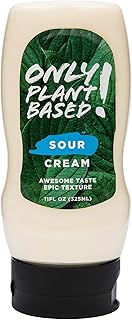
Cottage cheese and sour cream, while both dairy products, have distinct culinary applications that set them apart. Cottage cheese is a versatile ingredient often utilized in savory dishes or as a protein-rich snack. Its mild flavor and creamy texture make it an excellent addition to salads, dips, and spreads. For instance, it can be mixed with herbs and spices to create a flavorful dip for vegetables or crackers. Additionally, cottage cheese is a popular choice for those looking to increase their protein intake, as it is low in fat and high in protein, making it an ideal snack for athletes and fitness enthusiasts.
On the other hand, sour cream is a staple ingredient in both savory and sweet recipes. Its tangy flavor and smooth consistency make it a perfect complement to a variety of dishes. In savory recipes, sour cream is often used as a topping for soups, stews, and casseroles, adding a cool and creamy contrast to hot and hearty dishes. It can also be used as a base for salad dressings or as a garnish for tacos and burritos. In sweet recipes, sour cream is a key ingredient in desserts like cheesecakes, pancakes, and muffins, providing moisture and a subtle tang that balances the sweetness of the dish.
When comparing the culinary uses of cottage cheese and sour cream, it is clear that while both ingredients have their place in the kitchen, they serve different purposes and are used in distinct ways. Cottage cheese is primarily used in savory dishes and as a protein-rich snack, while sour cream is a versatile ingredient that can be used in both savory and sweet recipes. Understanding the unique qualities and applications of each ingredient can help home cooks and professional chefs alike to create delicious and well-balanced dishes.
Crafting Creamy Garden Vegetable Delights with Cheese
You may want to see also
Explore related products



Nutritional Differences: Cottage cheese is lower in fat and higher in protein compared to sour cream, which is higher in fat and calories
Cottage cheese and sour cream, while both dairy products, exhibit significant nutritional differences that can impact one's dietary choices. Cottage cheese is notably lower in fat and higher in protein compared to sour cream, making it a more favorable option for those looking to increase their protein intake while managing their fat consumption. This nutritional profile can be particularly appealing to individuals following a high-protein diet or those aiming to reduce their calorie intake without sacrificing satiety.
In contrast, sour cream is higher in fat and calories, which may contribute to weight gain if consumed in excess. However, it also provides some nutritional benefits, such as being a good source of calcium and containing probiotics that can support gut health. When deciding between the two, it's essential to consider one's dietary goals and overall nutritional needs.
From a culinary perspective, the lower fat content of cottage cheese makes it a versatile ingredient in various dishes, from savory dips to sweet desserts. Its mild flavor and creamy texture allow it to be used as a substitute for sour cream in many recipes, providing a similar mouthfeel with fewer calories. Additionally, the higher protein content of cottage cheese can help promote feelings of fullness, making it a satisfying addition to meals and snacks.
In summary, the nutritional differences between cottage cheese and sour cream are substantial, with cottage cheese offering a lower-fat, higher-protein alternative. This makes it an attractive choice for health-conscious individuals looking to optimize their diet without compromising on taste or versatility in cooking.
Creamy Delights: Mastering the Art of Cold Smoking Cream Cheese
You may want to see also
Explore related products


Substitution in Recipes: In some recipes, cottage cheese can be used as a lower-fat substitute for sour cream, though the texture and flavor will be different
Cottage cheese as a substitute for sour cream in recipes is a common practice for those looking to reduce fat content without sacrificing flavor. While the two ingredients have distinct textures and tastes, cottage cheese can provide a similar creamy consistency and tangy flavor profile when used correctly.
One key consideration when substituting cottage cheese for sour cream is the difference in fat content. Sour cream is typically higher in fat, which contributes to its rich, smooth texture. Cottage cheese, on the other hand, is lower in fat and has a more granular texture. To achieve a similar consistency, it may be necessary to blend the cottage cheese until smooth or combine it with other ingredients to enhance its creaminess.
In terms of flavor, cottage cheese has a milder, slightly sweet taste compared to the sharp, tangy flavor of sour cream. To replicate the taste of sour cream, you can add lemon juice or vinegar to the cottage cheese mixture. This will help to balance the flavors and create a more authentic sour cream substitute.
When using cottage cheese as a substitute in recipes, it's important to consider the specific dish being prepared. For example, in baked goods like cakes or cookies, the difference in texture and flavor may not be as noticeable. However, in dishes where sour cream is a prominent ingredient, such as dips or sauces, the substitution may be more apparent.
To successfully substitute cottage cheese for sour cream, it's recommended to start with a small amount and gradually increase as needed. This will allow you to adjust the consistency and flavor to your liking. Additionally, be mindful of the other ingredients in the recipe and how they may interact with the cottage cheese substitute.
In conclusion, while cottage cheese can be a suitable substitute for sour cream in some recipes, it's essential to consider the differences in texture and flavor and make adjustments accordingly. With a bit of experimentation and creativity, you can create delicious dishes that are both healthy and satisfying.
Creamy Twist: Incorporating Cream Cheese into Your Lasagna Recipe
You may want to see also
Frequently asked questions
Cottage cheese and sour cream have distinct tastes. Cottage cheese has a mild, slightly sweet flavor with a creamy texture, while sour cream is tangy and acidic.
While cottage cheese can be used as a substitute for sour cream in some recipes, it's important to note that the flavor and texture will be different. Cottage cheese works well in savory dishes but may not be the best choice for sweet recipes that require the tanginess of sour cream.
Both cottage cheese and sour cream are dairy products and can be used in a variety of recipes. They also share a creamy texture, although the consistency of cottage cheese is typically thicker and chunkier than sour cream.
To make a homemade version of sour cream using cottage cheese, you can blend equal parts cottage cheese and buttermilk until smooth. Add a pinch of salt and a squeeze of lemon juice for extra flavor. This mixture will have a similar tanginess to sour cream but will be thicker in consistency.
Yes, cottage cheese is generally lower in fat and calories than sour cream. It's also a good source of protein and contains probiotics, which can aid in digestion. However, it's important to note that both cottage cheese and sour cream can be part of a healthy diet when consumed in moderation.