Bushra Griffith
Garden vegetable cream cheese is a delightful and versatile spread that combines the richness of cream cheese with the freshness of garden vegetables. This homemade concoction is not only easy to prepare but also offers a healthier alternative to traditional cream cheese spreads. By incorporating a variety of vegetables, you can create a colorful and nutritious spread that is perfect for sandwiches, crackers, or as a dip. In this guide, we will walk you through the simple steps to make your own garden vegetable cream cheese, allowing you to customize the ingredients to your liking and enjoy the flavors of the garden in every bite.
Explore related products



What You'll Learn
- Selecting Fresh Vegetables: Choose a variety of garden-fresh vegetables like carrots, cucumbers, and bell peppers for flavor and nutrition
- Preparing the Vegetables: Wash, peel, and finely chop or grate the vegetables to ensure even distribution in the cream cheese
- Mixing the Ingredients: Blend softened cream cheese with the prepared vegetables, adding herbs and spices to taste
- Seasoning and Adjusting: Taste the mixture and adjust seasoning with salt, pepper, or additional herbs as needed for balance
- Serving Suggestions: Use the vegetable cream cheese as a spread on crackers, in sandwiches, or as a dip for fresh veggies

Selecting Fresh Vegetables: Choose a variety of garden-fresh vegetables like carrots, cucumbers, and bell peppers for flavor and nutrition
To ensure the best flavor and nutritional value in your garden vegetable cream cheese, it's crucial to select the freshest vegetables available. Look for vibrant colors and firm textures when choosing carrots, cucumbers, and bell peppers. These vegetables should be free from blemishes and soft spots, which can indicate spoilage or poor quality.
Carrots are a great source of beta-carotene, fiber, and vitamins, making them an excellent addition to your cream cheese. When selecting carrots, choose those that are bright orange and have a smooth surface. Avoid carrots that are limp or have cracks, as these can be signs of dehydration or damage.
Cucumbers are another key ingredient in garden vegetable cream cheese. They provide a refreshing crunch and are rich in water, making them hydrating and low in calories. When picking cucumbers, look for ones that are dark green and have a slightly glossy appearance. Avoid cucumbers that are yellow or have soft spots, as these can be overripe or spoiled.
Bell peppers add a sweet and slightly tangy flavor to your cream cheese, as well as a boost of vitamin C and antioxidants. When selecting bell peppers, choose those that are firm and have a bright, even color. Red, yellow, and orange bell peppers are all great options, depending on your flavor preference. Avoid peppers that are wrinkled or have soft spots, as these can indicate that they are past their prime.
In addition to selecting fresh vegetables, it's also important to wash them thoroughly before using them in your cream cheese. This will help remove any dirt, pesticides, or bacteria that may be present on the surface of the vegetables. You can wash your vegetables under running water or soak them in a solution of water and vinegar for a few minutes to ensure they are clean and safe to eat.
By choosing the freshest vegetables and washing them properly, you can create a delicious and nutritious garden vegetable cream cheese that is perfect for spreading on bagels, crackers, or using as a dip for your favorite snacks.
Unboxing Cream Cheese: A Guide to Ounce Measurements and More
You may want to see also
Explore related products


Preparing the Vegetables: Wash, peel, and finely chop or grate the vegetables to ensure even distribution in the cream cheese
Begin by selecting fresh, crisp vegetables for your garden vegetable cream cheese. Wash them thoroughly under running water to remove any dirt or debris. For root vegetables like carrots and parsnips, use a vegetable peeler to remove the outer skin. For leafy greens such as spinach or kale, trim off any tough stems. To ensure even distribution in the cream cheese, finely chop or grate the vegetables. For example, grate carrots and parsnips using a box grater, and chop leafy greens into small, uniform pieces. If using bell peppers, remove the seeds and membranes before dicing them finely. Onions and garlic should be minced to add flavor without overpowering the other ingredients.
When preparing the vegetables, it's important to maintain consistency in size to ensure even cooking and distribution in the final product. If you're using a food processor to chop the vegetables, pulse them in small batches to avoid overprocessing. For a more rustic texture, you can also use a mandoline slicer to thinly slice vegetables like cucumbers or zucchini. Remember to pat dry any excess moisture from the vegetables before mixing them with the cream cheese to prevent the spread from becoming too watery.
For added flavor, consider roasting some of the vegetables before incorporating them into the cream cheese. Roasting brings out the natural sweetness in vegetables like bell peppers, onions, and tomatoes, enhancing the overall taste of the spread. Simply toss the vegetables with a bit of olive oil, salt, and pepper, and roast them in the oven at 400°F (200°C) until tender and slightly caramelized. Allow the roasted vegetables to cool completely before chopping or grating them and mixing them with the cream cheese.
When mixing the vegetables with the cream cheese, start by softening the cream cheese at room temperature to make it easier to blend. Use a hand mixer or a stand mixer with a paddle attachment to cream the cheese until smooth and creamy. Gradually add the chopped or grated vegetables, mixing until they are evenly distributed throughout the cream cheese. Season the mixture with salt, pepper, and any additional herbs or spices you prefer, such as dill, chives, or garlic powder.
To ensure the best flavor and texture, refrigerate the garden vegetable cream cheese for at least an hour before serving. This allows the flavors to meld together and the spread to firm up slightly. Serve the cream cheese on crackers, bread, or vegetables for a delicious and healthy snack or appetizer.
Delicious Fusion: Yogurt and Cream Cheese Mixture Explained
You may want to see also
Explore related products


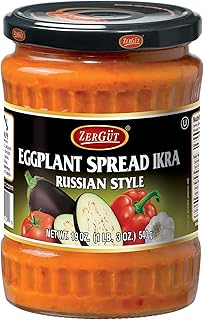


Mixing the Ingredients: Blend softened cream cheese with the prepared vegetables, adding herbs and spices to taste
Begin by ensuring your cream cheese is at room temperature, which will make it easier to blend smoothly with the vegetables. If you're using a stand mixer, attach the paddle and set it to medium speed. Alternatively, you can use a handheld mixer or even a sturdy spatula for a more rustic texture.
Add the softened cream cheese to the mixing bowl and begin blending. Gradually incorporate the prepared vegetables, starting with the softer ones like bell peppers and tomatoes. If you're using leafy greens, add them last to prevent them from getting too broken down.
As you mix, add your chosen herbs and spices. For a classic garden flavor, consider using a combination of dill, chives, and garlic powder. If you prefer a bit of heat, add some red pepper flakes or cayenne pepper. Taste as you go and adjust the seasoning to your liking.
Be careful not to overmix, as this can cause the cream cheese to become too smooth and lose its texture. You want the final product to have a creamy consistency with visible bits of vegetables and herbs.
Once the mixture is well combined, cover the bowl with plastic wrap and refrigerate for at least 30 minutes to allow the flavors to meld together. This step is crucial for developing the best taste and texture in your garden vegetable cream cheese.
Discover the Best Spots to Buy Monty's Cream Cheese
You may want to see also
Explore related products
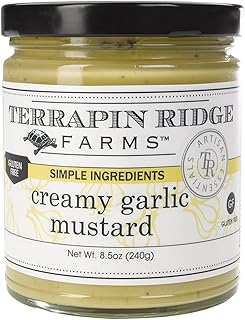




Seasoning and Adjusting: Taste the mixture and adjust seasoning with salt, pepper, or additional herbs as needed for balance
The final step in crafting your garden vegetable cream cheese is seasoning and adjusting to achieve the perfect balance of flavors. This crucial phase ensures that all the ingredients meld harmoniously, creating a spread that's both delicious and visually appealing. Begin by tasting the mixture, paying close attention to the interplay of flavors from the cream cheese, vegetables, and any herbs or spices you've added.
If the mixture lacks depth, consider adding a pinch of salt to enhance the overall flavor profile. Salt not only brings out the natural tastes of the ingredients but also helps to balance any bitterness from the vegetables. Be cautious not to overdo it, as too much salt can overpower the delicate flavors of the herbs and vegetables. A good rule of thumb is to add salt gradually, tasting after each addition to ensure you've reached the desired level of seasoning.
Pepper is another essential seasoning that can add a subtle kick to your garden vegetable cream cheese. Freshly ground black pepper is preferable, as it offers a more robust flavor compared to pre-ground varieties. When adding pepper, start with a small amount and taste as you go, as its heat can quickly become overpowering. Remember, you can always add more pepper, but it's challenging to remove excess heat once it's been added.
In addition to salt and pepper, you may want to experiment with other herbs or spices to further customize your spread. Consider adding a sprinkle of dried dill, chives, or parsley for a fresh, herbaceous note, or try a dash of paprika or cayenne pepper for a smoky or spicy twist. When incorporating new seasonings, do so in small increments, allowing your taste buds to guide you toward the perfect balance.
As you adjust the seasoning, keep in mind the type of vegetables you've used, as some may naturally be more bitter or sweet than others. For example, if you've added a lot of bell peppers, you may need to increase the salt slightly to counterbalance their natural sweetness. Conversely, if you've used a bitter vegetable like kale, you may want to add a touch more cream cheese or a squeeze of lemon juice to mellow out the bitterness.
Ultimately, the key to successful seasoning and adjusting is to trust your palate and be patient. Take your time to taste and re-taste, making small adjustments until you've achieved the perfect harmony of flavors. With practice, you'll develop an intuition for how different ingredients interact, allowing you to create a garden vegetable cream cheese that's uniquely yours.
Cream Cheese Conundrum: The Ultimate Guide to Freezing Cheese Balls
You may want to see also
Explore related products


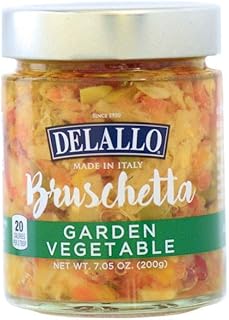


Serving Suggestions: Use the vegetable cream cheese as a spread on crackers, in sandwiches, or as a dip for fresh veggies
Garden vegetable cream cheese is a versatile and delicious spread that can elevate any snack or meal. One of the best ways to enjoy it is as a spread on crackers. Simply select your favorite crackers, whether they're plain, flavored, or even gluten-free, and generously apply a layer of the vegetable cream cheese. The creamy texture and savory flavor of the spread will complement the crunch of the crackers perfectly. For an extra burst of flavor, you can also add a slice of tomato or a sprinkle of fresh herbs on top.
In addition to being a great spread, garden vegetable cream cheese can also be used to enhance your sandwiches. Whether you're making a classic turkey and cheese sandwich or a more adventurous veggie wrap, adding a layer of vegetable cream cheese can take your sandwich to the next level. The spread adds a rich, creamy element that pairs well with a variety of fillings, from meats and cheeses to vegetables and condiments. Plus, it can help to keep your sandwich moist and prevent it from becoming too dry.
Another popular way to enjoy garden vegetable cream cheese is as a dip for fresh veggies. This is a great option for those looking for a healthier snack or appetizer. Simply arrange a selection of fresh vegetables, such as carrots, celery, bell peppers, and cherry tomatoes, on a platter and place a bowl of vegetable cream cheese in the center. The spread's tangy flavor and smooth texture make it the perfect accompaniment to crisp, fresh veggies. You can also experiment with different types of vegetables to find your favorite combinations.
When it comes to serving garden vegetable cream cheese, the possibilities are endless. You can get creative and use it as a base for a cheese ball, mix it with herbs and spices to create a custom spread, or even use it as a topping for baked potatoes. The key is to think outside the box and find new ways to incorporate this delicious spread into your meals and snacks. With its versatility and crowd-pleasing flavor, garden vegetable cream cheese is sure to become a staple in your kitchen.
The Cost of Cream Cheese: A Pound of Deliciousness Unveiled
You may want to see also
Frequently asked questions
You can use a variety of vegetables such as carrots, cucumbers, bell peppers, tomatoes, and green onions. Feel free to mix and match based on your preferences and what's available in your garden.
Wash and finely chop the vegetables. If using carrots or cucumbers, you may want to grate them for a smoother texture. For bell peppers and tomatoes, dicing them works well. Green onions can be thinly sliced.
Start by softening the cream cheese at room temperature. Then, using a hand mixer or a fork, blend the cream cheese until smooth. Gradually add the chopped vegetables and mix until they are evenly distributed throughout the cream cheese.
Absolutely! Fresh herbs like dill, parsley, or chives can add a delightful touch. For spices, consider adding a pinch of garlic powder, onion powder, or paprika. Adjust the seasoning to taste and enjoy your customized garden vegetable cream cheese.