Randy Chandler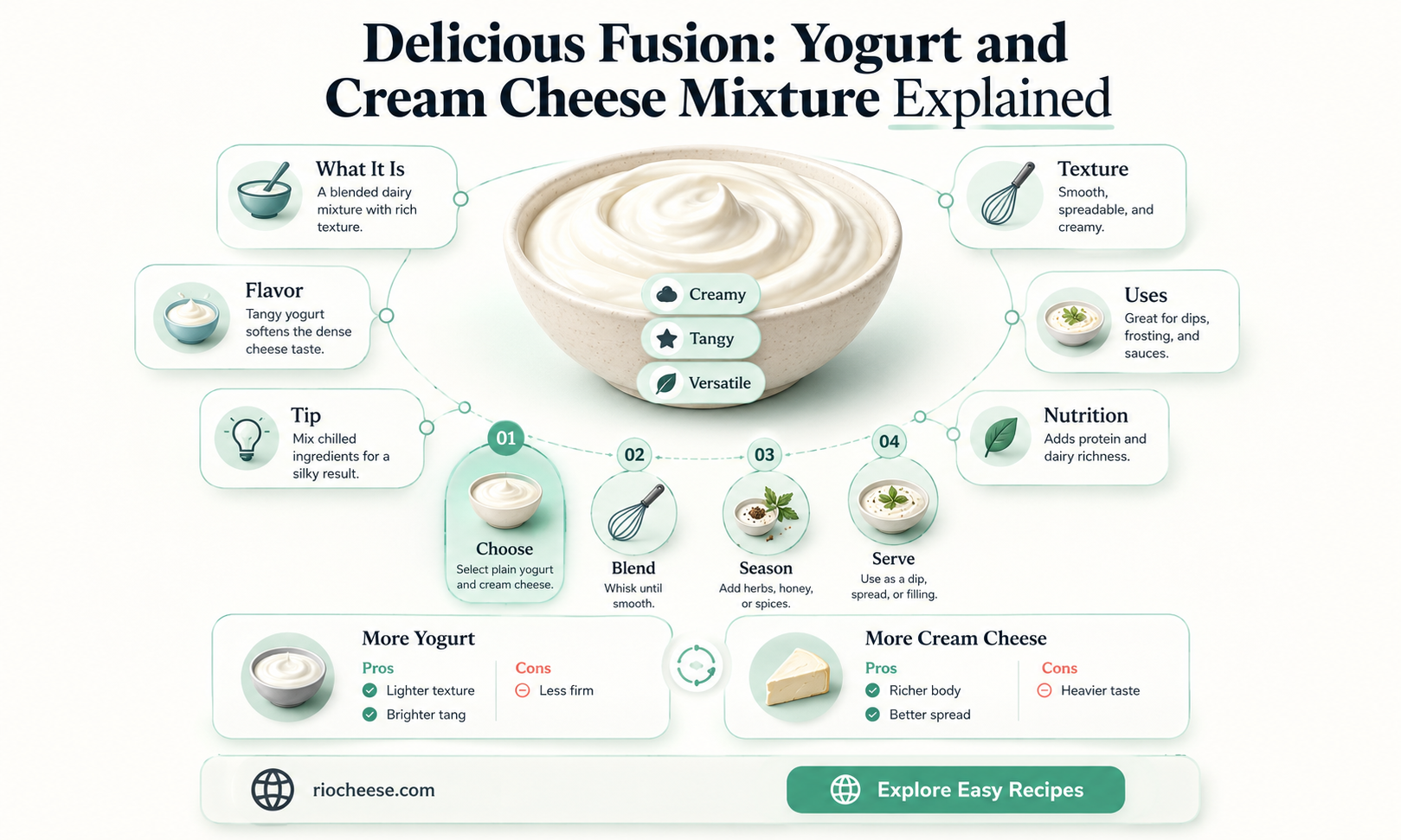
When it comes to culinary creativity, the question of whether you can mix yogurt and cream cheese is an intriguing one. The short answer is yes, you can mix yogurt and cream cheese, and the result can be a delightful combination of tangy and rich flavors. This mixture can be used in a variety of recipes, from savory dips to sweet spreads. However, it's important to consider the consistency and flavor profile you're aiming for, as different types of yogurt and cream cheese can yield varying results. For instance, using Greek yogurt will give you a thicker, more robust mixture, while regular yogurt will result in a lighter, more fluid consistency. Similarly, the choice of cream cheese—whether it's full-fat, reduced-fat, or even a dairy-free alternative—will influence the richness and creaminess of the final product. Experimenting with different combinations can lead to exciting new flavors and textures in your dishes.
Explore related products


What You'll Learn
- Combining Ratios: Ideal proportions of yogurt to cream cheese for a smooth, balanced mixture
- Texture Analysis: How the consistency changes when blending these two dairy products together
- Flavor Profile: The taste outcome of mixing yogurt's tanginess with cream cheese's richness
- Nutritional Comparison: Evaluating the health benefits and drawbacks of each component when combined
- Culinary Uses: Suggested applications for the yogurt-cream cheese blend in various recipes

Combining Ratios: Ideal proportions of yogurt to cream cheese for a smooth, balanced mixture
To achieve a smooth and balanced mixture when combining yogurt and cream cheese, it's essential to consider the ideal proportions. A general guideline is to use a 1:1 ratio of yogurt to cream cheese by volume. However, this can be adjusted based on personal preference and the specific recipe being followed. For a tangier flavor, you may opt for a higher yogurt content, while a richer, creamier texture might call for more cream cheese.
When mixing the two ingredients, it's crucial to ensure they are at room temperature to facilitate a smoother blend. Begin by gently folding the yogurt into the cream cheese using a spatula or whisk, taking care not to overmix, which can lead to a grainy texture. If the mixture is too thick, you can thin it out by adding a small amount of milk or cream.
For a more refined mixture, you can use a food processor or blender to combine the yogurt and cream cheese. Pulse the ingredients until they are well incorporated, being careful not to overprocess. This method can help achieve a silky, uniform consistency.
In terms of flavor enhancement, you can experiment with various add-ins such as honey, vanilla extract, or fresh herbs. These ingredients can be mixed directly into the yogurt and cream cheese blend to create a customized flavor profile.
When using the yogurt-cream cheese mixture in recipes, consider the moisture content of the yogurt, as this can affect the overall texture of the final dish. Greek yogurt, for example, has a thicker consistency and may require less cream cheese to achieve the desired texture. Conversely, regular yogurt may need more cream cheese to balance out the moisture.
In summary, the key to combining yogurt and cream cheese lies in finding the right balance of proportions and textures. By following these guidelines and experimenting with different ratios and add-ins, you can create a smooth, balanced mixture that suits your taste preferences and recipe requirements.
Exploring the Halal Status of Cream Cheese: A Comprehensive Guide
You may want to see also
Explore related products


Texture Analysis: How the consistency changes when blending these two dairy products together
The texture of yogurt and cream cheese is notably different. Yogurt has a smooth, slightly tangy consistency that can range from thin and pourable to thick and Greek-style. Cream cheese, on the other hand, is rich and dense with a mild, creamy flavor. When blended together, these two dairy products undergo a transformation in texture that can be quite surprising.
The blending process typically results in a mixture that is thicker than yogurt but smoother than cream cheese. The tanginess of the yogurt can cut through the richness of the cream cheese, creating a balanced flavor profile. However, achieving the right consistency can be tricky. If too much yogurt is added, the mixture may become too thin and lose the creamy texture that is characteristic of cream cheese. Conversely, if too much cream cheese is used, the mixture may become too dense and lose the refreshing quality of yogurt.
One of the key factors in texture analysis is the fat content of the cream cheese. Full-fat cream cheese will result in a richer, denser mixture, while reduced-fat or non-fat cream cheese will produce a lighter, fluffier texture. The type of yogurt used also plays a significant role. Greek yogurt, with its thick and creamy consistency, will yield a mixture that is more similar to cream cheese, while regular yogurt will result in a lighter, more fluid blend.
To achieve the desired texture, it is important to blend the ingredients thoroughly. This can be done using a food processor, blender, or even a whisk. The blending time will depend on the desired consistency, but it is essential to stop blending once the mixture is smooth and homogeneous to avoid over-processing, which can lead to a grainy or separated texture.
In conclusion, the texture analysis of blending yogurt and cream cheese reveals a delicate balance between achieving a smooth, creamy consistency and maintaining the distinct characteristics of each ingredient. By carefully selecting the type and proportion of yogurt and cream cheese, and by blending them thoroughly, it is possible to create a mixture that is both delicious and versatile.
Exploring Halal Certification: The Case of Philadelphia Cream Cheese
You may want to see also
Explore related products


Flavor Profile: The taste outcome of mixing yogurt's tanginess with cream cheese's richness
The combination of yogurt and cream cheese creates a unique flavor profile that balances tanginess with richness. Yogurt, typically made from fermented milk, brings a sharp, acidic taste that can range from mild to intense depending on the type and brand. This tanginess is a result of the lactic acid produced during fermentation. On the other hand, cream cheese is known for its smooth, creamy texture and mild, slightly tangy flavor. When mixed, these two ingredients complement each other, with the cream cheese tempering the sharpness of the yogurt and the yogurt adding a refreshing zing to the cream cheese.
The ratio in which yogurt and cream cheese are mixed can significantly affect the final taste. A higher proportion of yogurt will result in a tangier mixture, while more cream cheese will yield a richer, creamier consistency. For a balanced flavor, a 1:1 ratio is often recommended. This mixture can be used in various culinary applications, from dips and spreads to dressings and marinades.
One popular use of this mixture is in creating a healthier alternative to traditional sour cream-based dips. By combining yogurt and cream cheese, you can achieve a similar texture and flavor with fewer calories and less fat. Additionally, the probiotics in yogurt can provide digestive benefits, making this mixture not only delicious but also nutritious.
When preparing this mixture, it's essential to ensure that both ingredients are at room temperature to achieve a smooth consistency. Simply whisking the yogurt and cream cheese together until well combined is sufficient. For added flavor, you can incorporate herbs, spices, or other ingredients such as garlic, lemon juice, or honey.
In conclusion, mixing yogurt and cream cheese offers a versatile and flavorful combination that can enhance various dishes. By understanding the flavor profiles of each ingredient and experimenting with ratios and additions, you can create a customized mixture that suits your taste preferences and culinary needs.
Unboxing Cream Cheese: A Guide to Ounce Measurements and More
You may want to see also
Explore related products



Nutritional Comparison: Evaluating the health benefits and drawbacks of each component when combined
Combining yogurt and cream cheese can create a rich and creamy mixture, but it's essential to evaluate the nutritional implications of this combination. Yogurt is known for its probiotic benefits, which can aid in digestion and support gut health. It's also a good source of protein, calcium, and vitamins B6 and B12. On the other hand, cream cheese is high in fat and calories, with a significant amount of saturated fat that can contribute to heart disease if consumed in excess.
When mixed, the nutritional profile of the resulting product will depend on the ratio of yogurt to cream cheese used. A higher proportion of yogurt will increase the protein and probiotic content while keeping the fat content relatively lower. Conversely, a higher proportion of cream cheese will result in a higher fat and calorie content with less protein and probiotics.
It's also important to consider the added sugars and preservatives that may be present in flavored yogurts or cream cheeses. These additives can negate some of the health benefits of the natural components. Choosing plain, unsweetened yogurt and cream cheese can help minimize these drawbacks.
In terms of practical application, the mixture can be used as a spread, dip, or base for various recipes. When using it as a spread, it's advisable to pair it with whole-grain bread or crackers to increase the fiber content of the meal. As a dip, it can be a healthier alternative to sour cream-based dips, especially when served with fresh vegetables.
Overall, while the combination of yogurt and cream cheese can offer some health benefits, it's crucial to be mindful of the proportions and choose the simplest, least processed forms of these ingredients to maximize their nutritional value.
Discover the Best Spots to Buy Monty's Cream Cheese
You may want to see also
Explore related products
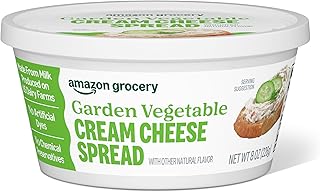


Culinary Uses: Suggested applications for the yogurt-cream cheese blend in various recipes
The yogurt-cream cheese blend offers a versatile ingredient for various culinary applications. One popular use is as a base for dips and spreads. By combining equal parts yogurt and cream cheese, you can create a tangy and creamy dip that pairs well with vegetables, crackers, or chips. For added flavor, consider mixing in herbs like dill or chives, or spices such as garlic powder or paprika.
Another excellent application for this blend is in baking. The yogurt-cream cheese mixture can be used as a substitute for traditional cream cheese in recipes like cheesecakes, muffins, or pancakes. This substitution not only reduces the fat content but also adds a subtle tanginess that complements the sweetness of baked goods. When using the blend in baking, it's essential to ensure that the yogurt is strained to remove excess moisture, which can affect the texture of the final product.
In addition to dips and baked goods, the yogurt-cream cheese blend can be used as a topping for various dishes. For instance, it can be dolloped on top of baked potatoes, tacos, or chili to add a cool and creamy element. The blend can also be used as a base for salad dressings, providing a rich and tangy flavor that can be customized with different herbs, spices, and oils.
When incorporating the yogurt-cream cheese blend into your recipes, it's crucial to consider the consistency and flavor profile you desire. The blend can be adjusted to achieve a thicker or thinner consistency by adding more yogurt or cream cheese, respectively. Additionally, you can experiment with different types of yogurt, such as Greek or flavored varieties, to create unique flavor combinations that suit your taste preferences.
Overall, the yogurt-cream cheese blend is a versatile and delicious ingredient that can be used in a variety of culinary applications. Whether you're looking to create a tangy dip, a creamy cheesecake, or a flavorful salad dressing, this blend offers a healthier and tastier alternative to traditional cream cheese.
Unveiling the Richness: What Makes Nova Cream Cheese Unique?
You may want to see also
Frequently asked questions
Yes, you can mix yogurt and cream cheese together. The combination of the two can create a delicious and versatile spread or dip.
The best way to mix yogurt and cream cheese is to use an electric mixer or a whisk to blend them together until smooth and creamy. You can also add in other ingredients like garlic, herbs, or spices to enhance the flavor.
A yogurt and cream cheese mixture can be used in a variety of ways. You can use it as a spread on bagels or crackers, as a dip for fruits and vegetables, or as a base for a creamy salad dressing.
Yes, there are some health benefits to mixing yogurt and cream cheese. Yogurt is a good source of probiotics, which can aid in digestion, while cream cheese is a good source of calcium and protein. However, it's important to note that cream cheese is also high in fat and calories, so it's best to consume the mixture in moderation.