Patrick Oconnell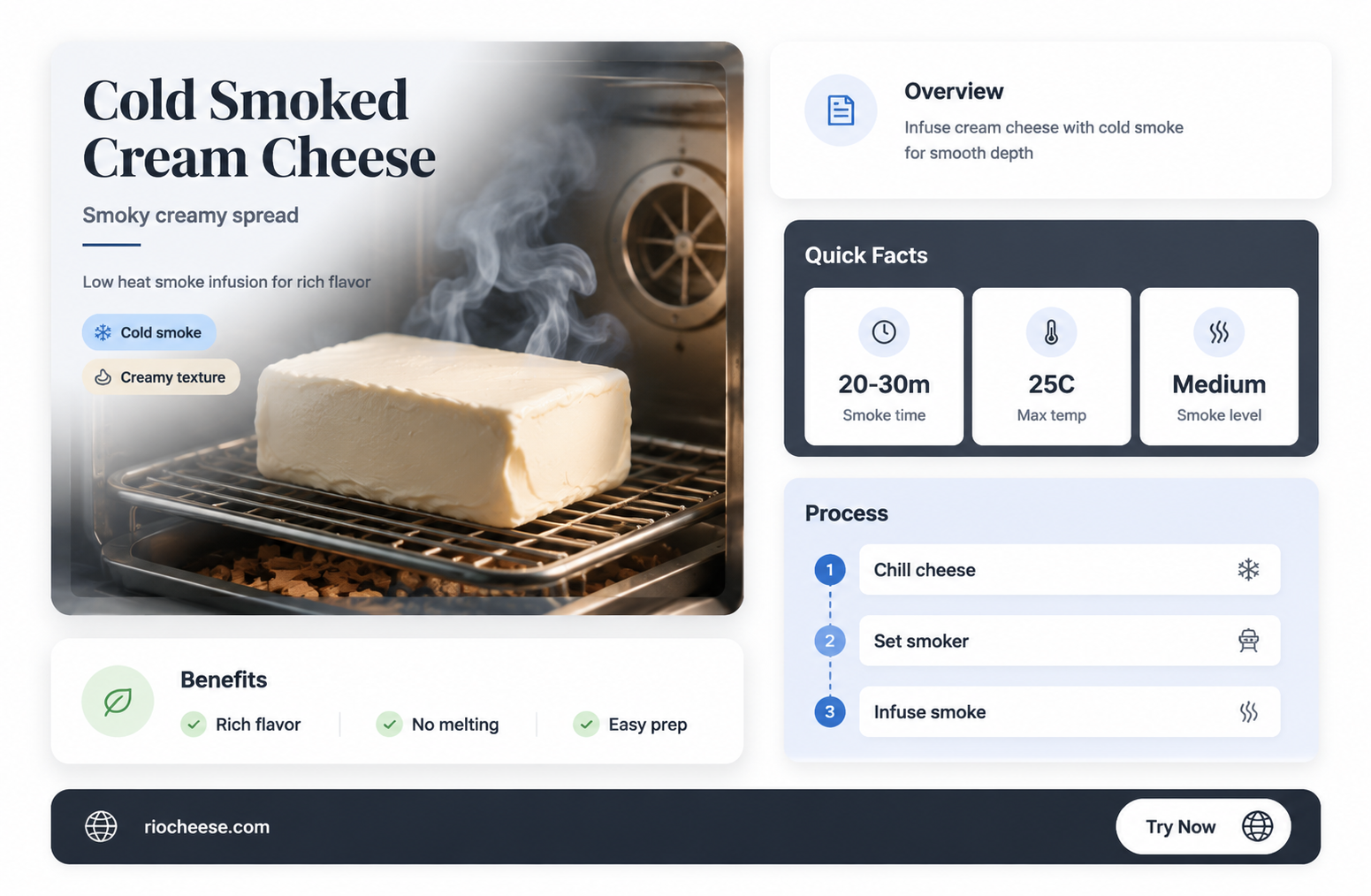
Cold smoking cream cheese is a culinary technique that infuses this popular dairy product with a rich, smoky flavor without the use of heat. This process involves exposing the cream cheese to smoke from burning wood chips or pellets at a low temperature, typically below 100°F (38°C), for several hours. The result is a deliciously smoky cream cheese that can be used in a variety of dishes, from spreads and dips to baked goods and savory recipes. In this guide, we'll walk you through the steps to cold smoke cream cheese at home, including the equipment you'll need, the best types of wood to use, and some creative ways to incorporate this flavorful ingredient into your cooking.
Explore related products


What You'll Learn
- Choosing the Right Cream Cheese: Select a high-quality, full-fat cream cheese for the best flavor and texture
- Preparing the Smoking Equipment: Ensure your smoker is clean and ready, with wood chips soaked and drained
- Setting Up the Smoker: Preheat the smoker to 100-120°F (38-49°C) and place the cream cheese inside
- Monitoring the Smoking Process: Keep an eye on the temperature and smoke for 1-2 hours, rotating the cream cheese occasionally
- Finishing and Storing: Once smoked, let the cream cheese cool, then wrap and refrigerate for at least 24 hours before serving

Choosing the Right Cream Cheese: Select a high-quality, full-fat cream cheese for the best flavor and texture
Selecting the right cream cheese is crucial for achieving the desired flavor and texture when cold smoking. High-quality, full-fat cream cheese is recommended because it provides a richer taste and a smoother consistency, which complements the smoky flavor added during the cold smoking process. Look for cream cheese brands that use real cream and have minimal additives, as these will yield the best results.
When choosing cream cheese for cold smoking, it's important to consider the fat content. Full-fat cream cheese, which typically contains around 33% fat, is ideal because the fat helps to carry the smoky flavor and creates a more luxurious texture. Lower-fat or non-fat cream cheese options may not provide the same depth of flavor and can result in a drier, less creamy final product.
In addition to fat content, pay attention to the ingredients list on the cream cheese packaging. Avoid brands that contain artificial flavors, colors, or preservatives, as these can negatively impact the taste and quality of the smoked cream cheese. Instead, opt for natural ingredients and a simple composition to ensure the best possible outcome.
Another factor to consider is the age of the cream cheese. For cold smoking, it's best to use cream cheese that is at least a few days old, as this allows the flavors to develop and meld together more effectively. However, be sure to check the expiration date and use the cream cheese before it spoils.
Finally, when selecting cream cheese for cold smoking, consider the specific flavor profile you want to achieve. Some cream cheese brands have a tangier taste, while others are milder. Choose a brand that aligns with your desired flavor outcome and experiment with different options to find the one that works best for you.
Indulge in the Best Pumpkin Rolls with Cream Cheese Filling: A Guide to Where to Buy Them
You may want to see also
Explore related products



Preparing the Smoking Equipment: Ensure your smoker is clean and ready, with wood chips soaked and drained
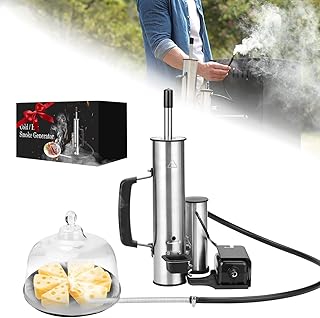
Before you begin the process of cold smoking cream cheese, it's crucial to prepare your smoking equipment properly. Start by thoroughly cleaning your smoker to ensure there are no residual flavors or contaminants that could affect the taste of your cream cheese. This involves scrubbing down all surfaces that come into contact with the food, including the racks and the interior walls.
Once your smoker is clean, it's time to prepare the wood chips. Soak them in water for at least 30 minutes to an hour before you plan to start smoking. This step is essential because it helps to prevent the wood chips from catching fire and producing too much heat, which could melt or spoil the cream cheese. After soaking, drain the wood chips thoroughly to remove excess water. This will help them burn more evenly and produce a consistent smoke.
When preparing your smoker, it's also important to consider the type of wood chips you're using. Different types of wood can impart different flavors to the cream cheese. For example, hickory wood chips will give a strong, bacon-like flavor, while apple wood chips will provide a milder, sweeter taste. Choose the type of wood that best complements the flavor profile you're aiming for.
Before placing the cream cheese in the smoker, make sure the temperature is set correctly. For cold smoking, you'll want to maintain a temperature between 25°F and 40°F (-3°C and 4°C). This low temperature ensures that the cream cheese doesn't melt or become too soft while still allowing the smoky flavor to penetrate.
Finally, place the wood chips in the smoker's designated area and light them according to the manufacturer's instructions. Once the chips are smoldering and producing smoke, place the cream cheese on the racks and close the smoker's lid. Monitor the temperature and smoke levels throughout the process, adjusting as necessary to maintain the desired conditions.
Cream Cheese Conundrum: The Ultimate Guide to Freezing Cheese Balls
You may want to see also
Explore related products


Setting Up the Smoker: Preheat the smoker to 100-120°F (38-49°C) and place the cream cheese inside
To begin the process of cold smoking cream cheese, it is essential to properly set up your smoker. Start by preheating the smoker to a temperature range of 100-120°F (38-49°C). This low temperature is crucial for cold smoking, as it allows the cream cheese to absorb the smoky flavor without melting or becoming too soft.
Once the smoker has reached the desired temperature, carefully place the cream cheese inside. It is important to ensure that the cream cheese is placed in a location where it will receive even exposure to the smoke. This can be achieved by placing it on a wire rack or tray that allows air to circulate around it.
When placing the cream cheese in the smoker, it is also important to consider the type of wood chips or pellets being used. Different types of wood will impart different flavors to the cream cheese, so choose a wood that complements the desired taste profile. For example, hickory or apple wood chips can add a sweet and smoky flavor, while mesquite or oak can provide a more robust and earthy taste.
After placing the cream cheese in the smoker, it is important to monitor the temperature and smoke exposure. Use a thermometer to ensure that the temperature remains within the desired range, and periodically check the cream cheese to see if it has reached the desired level of smokiness. This can take anywhere from 30 minutes to several hours, depending on the intensity of the smoke and the size of the cream cheese block.
Once the cream cheese has reached the desired level of smokiness, remove it from the smoker and allow it to cool. This will help to set the flavor and texture, making it easier to slice and serve. The smoked cream cheese can be stored in the refrigerator for up to a week, allowing you to enjoy its delicious flavor at your leisure.
Delicious Fusion: Yogurt and Cream Cheese Mixture Explained
You may want to see also
Explore related products


Monitoring the Smoking Process: Keep an eye on the temperature and smoke for 1-2 hours, rotating the cream cheese occasionally
The smoking process for cream cheese requires careful monitoring to ensure optimal flavor and texture. During the 1-2 hour smoking period, it's crucial to maintain a consistent temperature between 100-120°F (38-49°C). This low temperature range allows the cream cheese to absorb the smoky flavor without melting or becoming too soft. To achieve this, you may need to adjust the heat source or add ice to the smoker to lower the temperature.
In addition to temperature control, it's important to monitor the smoke levels. Too much smoke can overpower the delicate flavor of the cream cheese, while too little may result in an underwhelming taste. Aim for a steady, light smoke that gently envelops the cream cheese. You can control the smoke levels by adjusting the amount of wood chips or pellets used, as well as the airflow in the smoker.
Rotating the cream cheese occasionally during the smoking process ensures even flavor distribution. This is especially important if you're smoking multiple blocks of cream cheese at once, as the smoke may not penetrate evenly throughout the entire batch. By rotating the cream cheese, you can ensure that all sides are exposed to the smoke, resulting in a more consistent flavor profile.
It's also important to keep an eye on the humidity levels in the smoker. High humidity can cause the cream cheese to become too soft or even melt, while low humidity can lead to a dry, crumbly texture. Aim for a humidity level between 60-70% to maintain the ideal consistency of the cream cheese. You can control the humidity by adding water to the smoker or using a humidifier.
Finally, be patient and allow the cream cheese to rest for at least 30 minutes after smoking. This resting period allows the flavors to meld together and the texture to firm up slightly, resulting in a more enjoyable eating experience. Once rested, the smoked cream cheese can be stored in the refrigerator for up to 2 weeks, allowing you to enjoy its delicious flavor over an extended period.
Exploring Kosher Cream Cheese Options for Passover
You may want to see also
Explore related products


Finishing and Storing: Once smoked, let the cream cheese cool, then wrap and refrigerate for at least 24 hours before serving
After the cold smoking process, it's crucial to allow the cream cheese to cool down to room temperature. This step helps in preventing condensation from forming inside the packaging, which could lead to an undesirable texture or even spoilage. Once cooled, the cream cheese should be tightly wrapped in plastic wrap or aluminum foil to ensure it's fully covered. This wrapping not only protects it from absorbing other odors from the refrigerator but also maintains its moisture content.
The refrigeration period is a critical phase in the cold smoking process. A minimum of 24 hours is recommended to allow the flavors to fully develop and meld together. During this time, the cream cheese undergoes a transformation, with the smoky flavor becoming more pronounced and the overall taste profile becoming more complex. It's important to note that the longer the cream cheese is refrigerated, the stronger the smoky flavor will become. Therefore, it's advisable to taste it after 24 hours and then decide if additional time is needed to achieve the desired flavor intensity.
When storing smoked cream cheese, it's essential to keep it in the coldest part of the refrigerator, typically the back of the bottom shelf. This area provides the most consistent temperature, which is vital for preserving the quality and safety of the cream cheese. It's also important to ensure that the refrigerator is set at the correct temperature, ideally between 35°F and 38°F (1.7°C and 3.3°C). If the refrigerator is too warm, the cream cheese may spoil quickly, while if it's too cold, the texture may become too firm and the flavor development may be hindered.
In terms of storage duration, smoked cream cheese can be stored in the refrigerator for up to two weeks. However, it's best to consume it within a week for optimal flavor and texture. If you need to store it for a longer period, consider freezing it. To freeze, wrap the cream cheese tightly in plastic wrap, followed by a layer of aluminum foil. This double wrapping helps prevent freezer burn and maintains the integrity of the cream cheese. When ready to use, thaw it in the refrigerator overnight.
One common mistake to avoid is cutting into the cream cheese before it has been properly refrigerated. Doing so can cause the cheese to crumble or become too soft, affecting its texture and presentation. It's also important to handle the cream cheese gently during the wrapping and storage process to prevent it from becoming misshapen or damaged. By following these guidelines, you can ensure that your cold smoked cream cheese is stored safely and effectively, resulting in a delicious and high-quality final product.
Unveiling the Richness: What Makes Nova Cream Cheese Unique?
You may want to see also
Frequently asked questions
The best type of wood to use for cold smoking cream cheese is typically a mild hardwood, such as applewood, cherrywood, or hickory. These woods impart a subtle smoky flavor without overpowering the delicate taste of the cream cheese.
Cream cheese should be cold smoked for about 1 to 2 hours to achieve a light smoky flavor. For a more intense flavor, you can smoke it for up to 4 hours. It's important to monitor the temperature and ensure it stays below 100°F (38°C) to prevent the cream cheese from melting.
To cold smoke cream cheese at home, you'll need a smoker or a grill with a tight-fitting lid, wood chips or chunks of your chosen smoking wood, a thermometer to monitor the temperature, and a tray or plate to hold the cream cheese. You may also want to use a water pan to maintain humidity and prevent the cream cheese from drying out.