Patrick Oconnell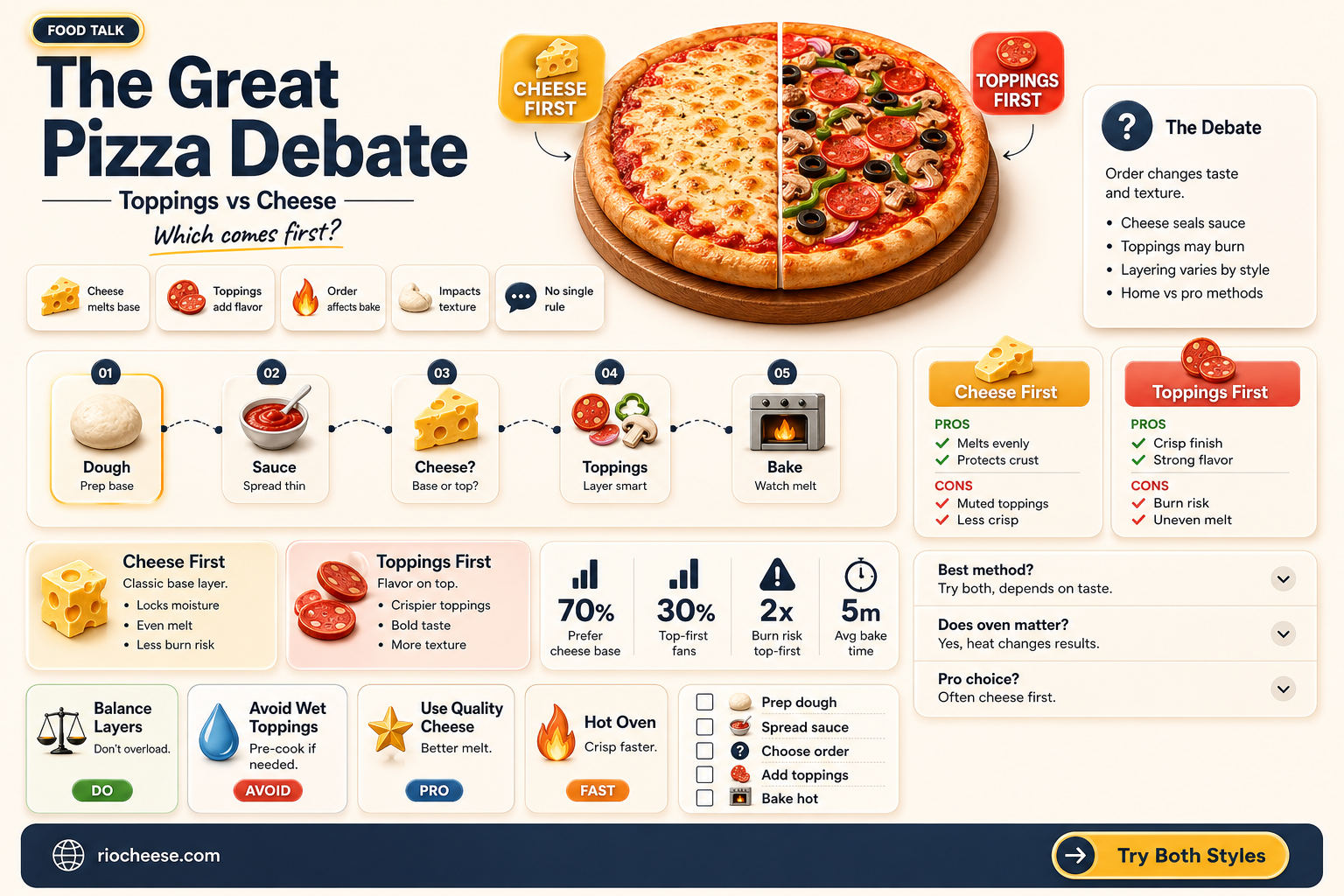
When it comes to crafting the perfect pizza, one of the most debated questions is whether to layer the cheese or the toppings first. This decision can significantly impact the final taste, texture, and overall enjoyment of the pizza. While some argue that cheese should be the initial layer to ensure it melts evenly and creates a gooey base, others contend that toppings should be placed first to allow their flavors to meld with the cheese as it cooks. The answer to this question often depends on personal preference, the type of pizza being made, and the desired outcome in terms of flavor and texture.
Explore related products



What You'll Learn
- Traditional Method: Classic approach of adding cheese first, followed by toppings
- Topping-First Technique: Placing toppings before cheese for a different texture and flavor profile
- Cheese Types: Exploring various cheese options and their melting properties for optimal pizza
- Topping Combinations: Discovering popular and unique topping pairings that complement each other
- Cooking Time: Adjusting baking time based on the order of ingredients for perfect crust and melt

Traditional Method: Classic approach of adding cheese first, followed by toppings
The traditional method of making pizza involves a specific sequence of layering ingredients, with cheese being the first topping to be added. This classic approach has been passed down through generations of pizza makers and remains a staple in many pizzerias today. The process begins with the preparation of the dough, which is rolled out into a thin, even layer. Once the dough is ready, a generous amount of tomato sauce is spread across the surface, leaving a small border around the edges for the crust.
Next comes the cheese, which is typically shredded mozzarella. The cheese is sprinkled evenly over the tomato sauce, ensuring that it covers the entire surface. This layer of cheese serves as a base for the other toppings, helping to bind them together and create a cohesive flavor profile. The cheese is also crucial in creating the signature melted, gooey texture that is characteristic of a well-made pizza.
After the cheese, a variety of toppings can be added, depending on personal preference or regional traditions. Common toppings include pepperoni, sausage, mushrooms, onions, bell peppers, and olives. These toppings are arranged on top of the cheese layer, often in a specific pattern or order to ensure even distribution and optimal flavor combination.
One of the key advantages of the traditional method is that it allows the cheese to melt properly, creating a smooth, even layer that complements the other toppings. This method also helps to prevent the toppings from sliding off the pizza during baking, as the melted cheese acts as a glue to hold everything in place.
However, it's important to note that the traditional method may not be suitable for all types of pizzas or personal preferences. Some people prefer to add their toppings before the cheese, which can result in a different texture and flavor profile. Additionally, certain toppings, such as pineapple or barbecue chicken, may not be compatible with the traditional method and may require a different approach.
In conclusion, the traditional method of adding cheese first, followed by toppings, is a tried and true approach to making pizza that has stood the test of time. This method offers several advantages, including proper melting of the cheese and even distribution of toppings. However, it's also important to consider personal preferences and the specific type of pizza being made when choosing a method for adding toppings.
Exploring the Kosher Status of Cheese Pizza: A Delicious Dilemma
You may want to see also
Explore related products




Topping-First Technique: Placing toppings before cheese for a different texture and flavor profile
The Topping-First Technique is a method that challenges the traditional approach of layering cheese directly on top of the pizza sauce. By placing toppings before the cheese, this technique aims to alter the texture and flavor profile of the pizza, offering a unique culinary experience. This method is particularly favored by those who enjoy a more pronounced taste of the individual toppings and a different mouthfeel.
One of the primary benefits of the Topping-First Technique is that it allows the toppings to cook more evenly. When cheese is placed on top, it can sometimes act as a barrier, preventing the toppings from fully cooking or releasing their flavors. By reversing the order, the toppings are exposed directly to the heat, ensuring they are cooked thoroughly and their flavors are more pronounced.
Another advantage of this technique is the textural contrast it provides. The cheese, when melted, can create a gooey, stretchy layer that some may find overwhelming. By placing the toppings first, the cheese melts around them, creating pockets of flavor and a more varied texture with each bite. This can be especially appealing to those who prefer a less uniform texture in their pizza.
However, it's important to note that the Topping-First Technique may not be suitable for all types of pizzas or toppings. For instance, toppings that release a lot of moisture, such as fresh tomatoes or certain vegetables, might make the pizza soggy if placed directly on the dough. Additionally, some toppings, like pepperoni or sausage, might not cook as evenly without the cheese layer to help distribute the heat.
In conclusion, the Topping-First Technique offers a unique approach to pizza preparation that can enhance the flavor and texture of the final product. By understanding the benefits and potential drawbacks of this method, pizza enthusiasts can experiment with different topping combinations and cooking techniques to create their perfect pizza.
Exploring the Flavor Fusion: Taco, Cat, Goat Cheese, and Pizza Cards
You may want to see also
Explore related products


Cheese Types: Exploring various cheese options and their melting properties for optimal pizza
Mozzarella is the quintessential pizza cheese, renowned for its excellent melting properties and mild flavor that complements a wide array of toppings. Its high moisture content and stretchy texture make it ideal for creating that perfect, gooey pizza slice. However, there are other cheese options that can elevate your pizza game.
Cheddar cheese, for instance, adds a sharp, tangy flavor that pairs well with meats and vegetables. It melts smoothly but doesn't stretch as much as mozzarella, making it a good choice for pizzas with a lot of toppings. Gouda is another option that offers a rich, buttery taste and melts beautifully, creating a creamy texture that's perfect for pizzas with chicken or bacon.
For those who prefer a milder cheese, provolone is a great choice. It has a slightly sweet flavor and melts well, providing a smooth, even coverage over the pizza. Fontina is another mild cheese that's often used in combination with other cheeses due to its excellent melting properties and subtle flavor.
When choosing a cheese for your pizza, it's important to consider not only the flavor but also the melting point. Cheeses with a lower melting point, like mozzarella and provolone, will melt more quickly and evenly, while cheeses with a higher melting point, like cheddar and gouda, will take longer to melt and may not cover the pizza as completely.
Ultimately, the best cheese for your pizza will depend on your personal taste preferences and the type of pizza you're making. Experimenting with different cheese combinations can lead to some delicious and unique pizza creations.
Exploring Gourmet Pizza Toppings: Merlot Cheese Edition
You may want to see also
Explore related products


Topping Combinations: Discovering popular and unique topping pairings that complement each other
Exploring the world of pizza toppings reveals a fascinating array of combinations that go beyond the classic pepperoni and mushroom. One popular pairing is the Hawaiian pizza, which controversially combines sweet pineapple with savory ham. This unique blend of flavors has sparked debates among pizza enthusiasts, with some swearing by its delicious contrast and others dismissing it as a culinary faux pas.
For those seeking a more adventurous topping experience, the "Meat Lovers" pizza offers a protein-packed punch. This combination typically includes pepperoni, sausage, bacon, and sometimes even ground beef or chicken. The key to this pairing is the balance of different meat textures and flavors, creating a hearty and satisfying meal.
Vegetarians, on the other hand, might opt for a "Veggie Delight" pizza, which can feature a colorful medley of toppings such as bell peppers, onions, olives, mushrooms, and spinach. The trick to this combination is to ensure that each vegetable complements the others without overpowering the overall flavor profile.
In recent years, gourmet pizza toppings have gained popularity, with combinations like fig and prosciutto or arugula and shaved Parmesan becoming trendy choices. These pairings often incorporate fresh, high-quality ingredients and unique flavor profiles that elevate the pizza from a simple fast food to a sophisticated culinary experience.
When it comes to creating the perfect topping combination, the key is to experiment with different flavors and textures while maintaining a balance that appeals to the palate. Whether it's a classic pairing or a bold new creation, the possibilities are endless for those willing to explore the world of pizza toppings.
Exploring the Halal Status of Cheese Pizza: A Delicious Dilemma
You may want to see also
Explore related products



Cooking Time: Adjusting baking time based on the order of ingredients for perfect crust and melt
The order in which ingredients are layered on a pizza significantly impacts the cooking time required to achieve the perfect crust and melt. When toppings are placed directly on the dough, they can release moisture during baking, which may lead to a soggy crust. To counteract this, it's essential to adjust the baking time and temperature accordingly.
For optimal results, preheat the oven to a higher temperature, around 475°F (245°C), and bake the pizza for a shorter duration, typically 10-12 minutes. This high-heat, quick-bake method helps to crisp the crust while ensuring the toppings are cooked through. However, it's crucial to monitor the pizza closely to prevent overcooking or burning.
Another approach is to par-bake the crust for 5-7 minutes before adding the toppings. This initial baking period allows the crust to set and become slightly crispy, creating a barrier against moisture from the toppings. After par-baking, reduce the oven temperature to 425°F (220°C) and bake for an additional 10-15 minutes, or until the cheese is melted and bubbly.
When cheese is added first, it acts as a moisture barrier, preventing the crust from becoming soggy. In this case, the baking time can be slightly longer, around 12-15 minutes at 450°F (230°C). However, be cautious not to overcook, as the cheese can become tough and rubbery if baked for too long.
Ultimately, the key to achieving the perfect crust and melt is to experiment with different baking times and temperatures based on the specific ingredients and their order. By understanding how each ingredient affects the cooking process, you can fine-tune your baking technique to create a delicious, perfectly cooked pizza every time.
Frequently asked questions
The order in which you place toppings and cheese on a pizza can vary based on personal preference and the type of pizza being made. Traditionally, cheese is spread over the sauce before adding toppings, but some people prefer to add toppings first to prevent the cheese from melting and sliding off during baking.
Placing cheese on pizza before toppings helps to create a cohesive flavor profile as the cheese melts and blends with the sauce. It also acts as a barrier, preventing toppings from burning or drying out during baking. Additionally, the melted cheese can help to hold the toppings in place, making each bite more consistent.
Adding toppings before cheese can be beneficial for those who prefer a crispier texture, as the toppings can cook and crisp up without being weighed down by the cheese. This method also allows the flavors of the toppings to be more pronounced, as they are not mixed with the melted cheese. Furthermore, it can be helpful when using toppings that release a lot of moisture during baking, as the cheese can absorb some of this moisture and prevent the crust from becoming soggy.