Bushra Griffith
When it comes to crafting the perfect pizza, one of the most crucial elements is the cheese. The right cheese can elevate a pizza from good to great, adding a rich, gooey texture and a depth of flavor that complements the other toppings. While mozzarella is the most traditional and widely used cheese on pizzas, there are many other options that can enhance your pie. Some enthusiasts swear by the sharp tang of cheddar, the creamy richness of ricotta, or the salty bite of feta. Others might opt for more exotic choices like goat cheese or blue cheese to add a unique twist. The best pizza cheese ultimately depends on personal preference and the specific flavor profile you're aiming for. Whether you're a fan of classic margherita or a more adventurous combination, choosing the right cheese is key to creating a pizza that's truly unforgettable.
Explore related products


What You'll Learn

Mozzarella: The Classic Choice
Mozzarella cheese has long been the go-to choice for pizza enthusiasts around the world. Its origins can be traced back to the Campania region of Italy, where it was first produced using the milk of water buffalo. Today, mozzarella is made from cow's milk and is renowned for its mild flavor and exceptional melting properties, making it the quintessential pizza cheese.
One of the key reasons mozzarella is so popular on pizzas is its ability to melt evenly and create a stretchy, gooey texture that is simply irresistible. This is due to its high moisture content and the way it is processed. Mozzarella is typically made by heating the curd and then stretching and folding it repeatedly, which creates a fibrous structure that melts beautifully when heated.
Another advantage of mozzarella is its versatility. It can be used on a wide variety of pizzas, from classic Margherita to more adventurous creations like Hawaiian or meat lovers. Its mild flavor allows it to complement a range of toppings without overpowering them. Additionally, mozzarella can be used in different forms, such as fresh, shredded, or buffalo, each offering a slightly different taste and texture.
When it comes to choosing the best mozzarella for your pizza, there are a few factors to consider. Look for mozzarella that is specifically labeled as "pizza mozzarella" or "mozzarella di bufala" for the most authentic taste and texture. It's also important to choose a cheese that is not too moist, as this can lead to a soggy crust. Finally, consider the fat content of the cheese, as this can affect the flavor and melting properties.
In conclusion, mozzarella is the classic choice for pizza cheese due to its exceptional melting properties, versatility, and mild flavor. By choosing the right type of mozzarella and using it correctly, you can create a delicious pizza that is sure to satisfy even the most discerning palate.
Exploring the Flavor Fusion: Taco, Cat, Goat Cheese, and Pizza Cards
You may want to see also
Explore related products


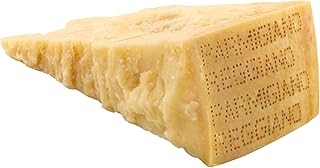
Parmesan: Adding a Nutty Flavor
Parmesan cheese is renowned for its distinct nutty flavor, which can elevate the taste profile of a pizza. This hard, aged cheese is often grated over pizzas to add a savory depth and a slight crunch. The umami-rich qualities of Parmesan make it a versatile choice, complementing both classic and gourmet pizza toppings.
One of the key benefits of using Parmesan on pizza is its ability to enhance the overall flavor without overpowering other ingredients. Unlike softer cheeses that can become soggy when melted, Parmesan retains its texture and flavor integrity even when exposed to high heat. This makes it an excellent choice for pizzas that are baked at high temperatures, ensuring that the cheese adds a consistent, nutty note with each bite.
When incorporating Parmesan into your pizza, it's essential to consider the balance of flavors. Since Parmesan has a strong, salty taste, it pairs well with milder cheeses like mozzarella or provolone. This combination allows the Parmesan to shine without overwhelming the palate. Additionally, Parmesan can be used strategically to highlight specific toppings. For instance, sprinkling it over a pizza with caramelized onions or roasted garlic can amplify the sweetness and depth of these ingredients.
In terms of quantity, a little Parmesan goes a long way. Start with a small amount, around 1-2 tablespoons per pizza, and adjust according to taste. Remember that Parmesan is a finishing cheese, meant to be added after baking to preserve its texture and flavor. Grating it freshly over the pizza just before serving will yield the best results, as pre-grated Parmesan can lose some of its potency and texture.
In conclusion, Parmesan cheese is a valuable addition to any pizza enthusiast's arsenal. Its nutty flavor and textural qualities make it a standout choice for enhancing the taste and complexity of your favorite pizzas. By using it judiciously and in combination with other cheeses and toppings, you can create a harmonious and delicious pizza experience.
Exploring Gourmet Pizza Toppings: Merlot Cheese Edition
You may want to see also
Explore related products


Gouda: Creamy and Rich
Gouda cheese, known for its creamy texture and rich flavor, is an excellent choice for pizza enthusiasts looking to elevate their cheese game. This Dutch cheese, traditionally made from cow's milk, offers a smooth melt and a subtle nuttiness that complements a variety of pizza toppings.
One of the key advantages of Gouda is its melting properties. Unlike some cheeses that can become rubbery or stringy when heated, Gouda melts evenly and smoothly, creating a luxurious, velvety layer on your pizza. This makes it an ideal choice for those who prefer a gooey, indulgent pizza experience.
In terms of flavor, Gouda strikes a perfect balance between mild and sharp. Its rich, buttery taste is not overpowering, allowing other ingredients to shine through. However, it also has a distinct character that adds depth and complexity to the overall flavor profile of the pizza. This versatility makes Gouda a great option for both classic and gourmet pizza creations.
When selecting Gouda for your pizza, it's important to choose a variety that is specifically designed for melting. Look for Gouda that is labeled as "young" or "mild," as these tend to have a higher moisture content and will melt more smoothly. Avoid aged Gouda, which can be too firm and may not melt as evenly.
In conclusion, Gouda cheese is a fantastic choice for pizza lovers who appreciate a creamy, rich flavor and a smooth, even melt. Its versatility and unique taste make it a standout option in the world of pizza cheeses.
Protein Power: Unveiling the Truth About Cheese Pizza's Nutritional Value
You may want to see also
Explore related products




Provolone: Mild and Melty
Provolone cheese, known for its mild flavor and excellent melting properties, is a popular choice for pizza enthusiasts. Its smooth, creamy texture and subtle taste make it an ideal complement to a variety of pizza toppings, without overpowering the other flavors. When melted, Provolone becomes gooey and stretchy, creating a delightful mouthfeel that many find irresistible.
One of the key advantages of Provolone is its versatility. It can be used as a standalone cheese on a pizza or blended with other cheeses to create a unique flavor profile. For example, combining Provolone with sharper cheeses like Parmesan or Pecorino Romano can add depth and complexity to the overall taste. Additionally, Provolone's mildness makes it a great choice for pizzas with spicy toppings, as it can help balance out the heat.
When selecting Provolone for pizza, it's important to choose a high-quality variety. Look for Provolone that is made from whole milk and has a good moisture content, as this will ensure optimal melting and flavor. It's also worth noting that Provolone comes in different styles, such as Provolone Dolce (sweet) and Provolone Piccante (spicy), which can be used to further customize the taste of your pizza.
In terms of preparation, Provolone should be grated or thinly sliced before being added to the pizza. This will help it melt evenly and quickly, ensuring that your pizza has a consistent texture throughout. When baking, Provolone should be exposed to high heat for a short period of time to achieve the perfect melt and slight browning on top.
Overall, Provolone's mild and melty characteristics make it a top contender for the best pizza cheese. Its versatility, quality, and unique flavor profile set it apart from other cheese options, making it a favorite among pizza lovers.
Savor the Flavor: Winning Taco Cat Goat Cheese Pizza Strategies
You may want to see also
Explore related products


Feta: Salty and Tangy
Feta cheese, with its distinct salty and tangy flavor, offers a unique twist to the traditional pizza cheese selection. Unlike the creamy, mild taste of mozzarella, feta brings a bold, briny character that can elevate a pizza's flavor profile. This Greek cheese is made from sheep's or goat's milk and is known for its crumbly texture and sharp taste, which can add a delightful contrast to the rich, savory toppings on a pizza.
When using feta as a pizza cheese, it's essential to consider its strong flavor and how it will complement or overpower other ingredients. Feta pairs well with Mediterranean-inspired toppings such as olives, sun-dried tomatoes, artichokes, and fresh herbs like basil or oregano. Its saltiness can also balance out the sweetness of caramelized onions or the bitterness of arugula. However, it's crucial to use feta sparingly, as its potent flavor can quickly dominate the pizza if overused.
One of the advantages of feta cheese is its ability to add a tangy kick to a pizza without the need for additional acidic ingredients like tomato sauce. This makes it an excellent choice for white pizzas or those with a lighter sauce base. Feta can also be combined with other cheeses, such as mozzarella or ricotta, to create a more complex and layered flavor profile.
In terms of preparation, feta cheese should be crumbled or finely chopped before being sprinkled onto the pizza. This ensures that the cheese melts evenly and distributes its flavor throughout the pizza. It's also important to note that feta cheese can be quite salty, so it's advisable to taste the pizza before adding additional salt or seasonings.
Overall, feta cheese can be a fantastic addition to a pizza, offering a salty and tangy flavor that sets it apart from more traditional cheese options. By carefully selecting complementary toppings and using feta in moderation, pizza enthusiasts can create a delicious and unique pizza experience.
Savoring Simplicity: Carbs in Little Caesars Cheese Pizza
You may want to see also
Frequently asked questions
The best cheese for pizza is often considered to be mozzarella due to its excellent melting properties and mild flavor that complements a variety of toppings.
Other good cheese options for pizza include cheddar for a sharper taste, provolone for a smoother melt, gouda for a rich flavor, and parmesan for a salty kick.
The melting point of cheese affects its suitability for pizza because cheeses with lower melting points, like mozzarella, melt more easily and create a gooey, stretchy texture that is desirable on pizza.
Yes, you can mix different types of cheese on your pizza to create a unique flavor profile. Combining mozzarella with other cheeses like cheddar, provolone, or gouda can add depth and complexity to your pizza's taste.
Factors to consider when choosing cheese for pizza include melting properties, flavor profile, texture, and how well the cheese complements the other toppings and sauce on the pizza.