Patrick Oconnell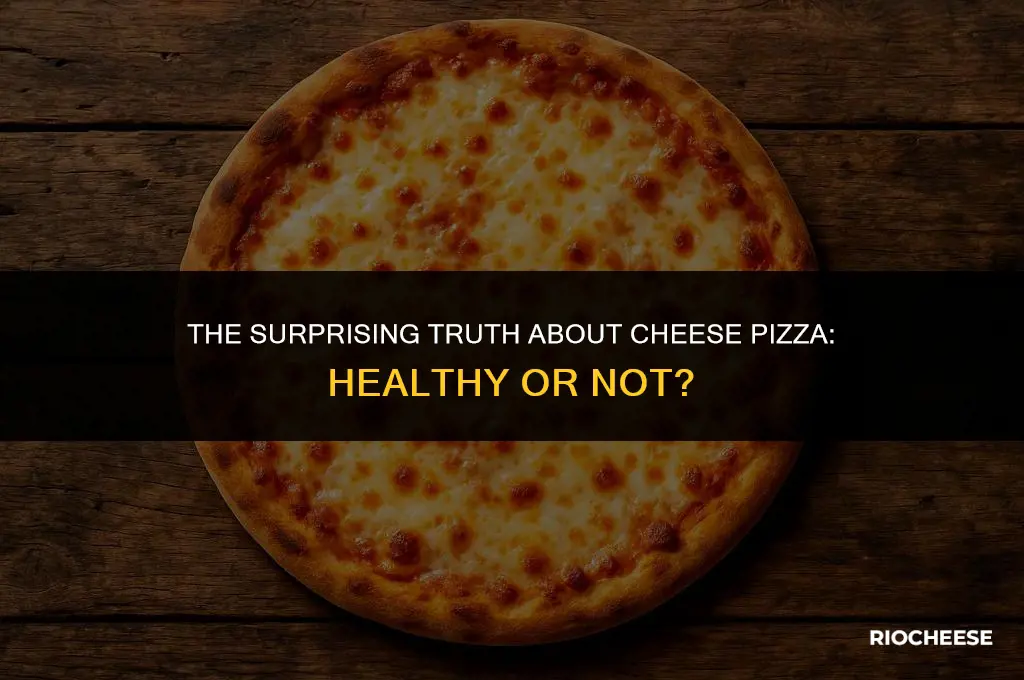
Cheese pizza, a beloved favorite among many, often sparks debate when it comes to its nutritional value. While it's undeniably delicious, the question of whether it's bad for you requires a nuanced look at its ingredients and preparation methods. A typical cheese pizza consists of a dough base, tomato sauce, and mozzarella cheese, which together provide a mix of carbohydrates, fats, and proteins. However, the healthiness of cheese pizza can vary greatly depending on factors such as the type of crust, the amount of cheese used, and any additional toppings. For instance, a thin crust with moderate cheese and fresh tomato sauce might be a more balanced option compared to a thick, deep-dish crust loaded with extra cheese and processed meats. Understanding these variables can help in making informed decisions about incorporating cheese pizza into a balanced diet.


What You'll Learn
- Caloric Content: Cheese pizza can be high in calories due to cheese and crust
- Fat and Cholesterol: Cheese is a significant source of saturated fat and cholesterol
- Sodium Levels: High sodium content in cheese and processed meats can increase blood pressure
- Nutrient Balance: Lacks essential nutrients like fiber, vitamins, and minerals found in vegetables
- Moderation Key: Enjoying cheese pizza in moderation as part of a balanced diet is crucial

Caloric Content: Cheese pizza can be high in calories due to cheese and crust
Cheese pizza, a beloved favorite for many, can indeed be high in calories, primarily due to its cheese and crust components. The caloric content of cheese pizza can vary significantly based on the type and amount of cheese used, as well as the thickness and ingredients of the crust. For instance, a slice of cheese pizza from a popular chain can range anywhere from 250 to 500 calories, depending on these factors.
The cheese used on pizza is typically high in fat and calories. Mozzarella, the most common cheese for pizza, contains about 85 calories per ounce. Considering that a single slice of pizza might have 2 to 3 ounces of cheese, the caloric contribution from cheese alone can be substantial. Additionally, some pizzas use a blend of cheeses, which can further increase the calorie count.
The crust is another significant contributor to the calorie content of cheese pizza. A thin crust pizza generally has fewer calories than a thick crust or deep-dish pizza. This is because the dough for a thin crust uses less flour, water, and yeast, resulting in a lighter, less calorie-dense base. On the other hand, thick crusts and deep-dish pizzas have more dough, which means more calories. Furthermore, some crusts are made with added ingredients like oil or sugar, which can also increase the calorie count.
It's important to note that while cheese pizza can be high in calories, it can still be part of a balanced diet when consumed in moderation. The key is to be mindful of portion sizes and to balance the intake of cheese pizza with other nutrient-dense foods. For example, pairing a slice of cheese pizza with a side salad can help increase the nutritional value of the meal while keeping the overall calorie intake in check.
In conclusion, the caloric content of cheese pizza is primarily influenced by the cheese and crust. By understanding these components and making mindful choices, it's possible to enjoy cheese pizza as part of a healthy and balanced diet.
The Ultimate Guide to Choosing the Perfect Pizza Cheese
You may want to see also
Fat and Cholesterol: Cheese is a significant source of saturated fat and cholesterol
Cheese, a staple ingredient in pizza, is indeed a significant source of saturated fat and cholesterol. Saturated fats are known to raise LDL (low-density lipoprotein) cholesterol levels, often referred to as "bad" cholesterol, which can increase the risk of heart disease and stroke. A single slice of cheese pizza can contain a substantial amount of saturated fat, primarily from the cheese and, to a lesser extent, from the meat toppings and crust.
The cholesterol content in cheese pizza also warrants attention. Dietary cholesterol, found in animal products like cheese, can contribute to higher blood cholesterol levels. While the body does produce cholesterol naturally, excessive intake from foods like cheese pizza can disrupt this balance. It's important to note that not all fats and cholesterol are harmful; for instance, some fats are essential for health, and cholesterol is necessary for building cells. However, moderation is key, especially when it comes to saturated fats and dietary cholesterol.
To mitigate the impact of saturated fat and cholesterol from cheese pizza, one could consider several strategies. Opting for lower-fat cheese options, such as part-skim mozzarella or reduced-fat cheddar, can help reduce the saturated fat content. Additionally, choosing whole-grain crusts and adding plenty of vegetable toppings can increase the fiber content of the pizza, which may help lower cholesterol levels. Limiting portion sizes and balancing cheese pizza with healthier meals throughout the week can also be effective in maintaining a nutritious diet.
In conclusion, while cheese pizza can be a source of saturated fat and cholesterol, it can still be part of a balanced diet when consumed in moderation. By making informed choices about ingredients and portion sizes, one can enjoy cheese pizza without significantly compromising heart health.
The Great Pizza Debate: Toppings vs. Cheese - Which Comes First?
You may want to see also
Sodium Levels: High sodium content in cheese and processed meats can increase blood pressure
High sodium content in cheese and processed meats can significantly increase blood pressure, posing a risk to cardiovascular health. This is particularly concerning for individuals who already have hypertension or are at risk of developing it. The American Heart Association recommends limiting daily sodium intake to less than 2,300 milligrams, yet a single slice of cheese pizza can contain over 700 milligrams of sodium, primarily from the cheese and any processed meat toppings.
The impact of sodium on blood pressure is well-documented. When sodium levels in the blood are high, the body retains more water to dilute the sodium, which increases the volume of blood in the vessels. This, in turn, raises blood pressure. Over time, consistently high blood pressure can lead to serious health issues, including heart disease, stroke, and kidney disease.
It's important to note that not all cheeses are equally high in sodium. For example, fresh mozzarella typically contains less sodium than aged cheeses like cheddar or parmesan. Additionally, processed meats such as pepperoni and sausage are particularly high in sodium, so opting for a pizza with vegetable toppings or lean protein sources like grilled chicken can help reduce sodium intake.
To mitigate the effects of high sodium content in cheese pizza, individuals can take several steps. First, they can choose pizzas with lower-sodium cheese options or ask for less cheese on their pizza. Second, they can opt for whole-grain crusts, which tend to be lower in sodium than white crusts. Third, they can balance their sodium intake by consuming more potassium-rich foods, such as fruits and vegetables, which can help lower blood pressure.
In conclusion, while cheese pizza can be a tasty treat, it's essential to be mindful of its sodium content and take steps to maintain a healthy balance. By making informed choices about toppings and portion sizes, individuals can enjoy cheese pizza as part of a balanced diet without significantly increasing their risk of high blood pressure.
Taco Cat Goat Cheese Pizza: A Fun and Flavorful Twist on a Classic
You may want to see also
Nutrient Balance: Lacks essential nutrients like fiber, vitamins, and minerals found in vegetables
Cheese pizza, while delicious, often lacks essential nutrients like fiber, vitamins, and minerals that are abundant in vegetables. This nutritional imbalance can lead to various health issues if consumed regularly. For instance, fiber is crucial for maintaining healthy digestion and preventing constipation. Without adequate fiber intake, individuals may experience digestive problems, which can further lead to more severe health conditions.
Vitamins and minerals play a vital role in supporting the immune system, promoting healthy skin, and ensuring proper growth and development. A deficiency in these nutrients can result in a weakened immune system, making the body more susceptible to infections and diseases. Additionally, the lack of vitamins and minerals can lead to poor skin health, characterized by dryness, acne, and premature aging.
To address this nutrient imbalance, it is essential to incorporate a variety of vegetables into one's diet. Vegetables such as spinach, broccoli, bell peppers, and tomatoes are rich in fiber, vitamins, and minerals. Adding these vegetables to pizza or consuming them as side dishes can help improve the overall nutritional value of the meal. Furthermore, opting for whole-grain pizza crusts can increase fiber intake, contributing to better digestive health.
In conclusion, while cheese pizza can be a tasty treat, it is crucial to be mindful of its nutritional shortcomings. By incorporating more vegetables into one's diet and choosing healthier pizza options, individuals can enjoy their favorite foods while maintaining a balanced and nutritious diet.
Savoring Simplicity: Carbs in Little Caesars Cheese Pizza
You may want to see also
Moderation Key: Enjoying cheese pizza in moderation as part of a balanced diet is crucial
Enjoying cheese pizza in moderation is essential for maintaining a balanced diet. While cheese pizza can be a delicious treat, it's important to consume it in reasonable amounts to avoid potential health risks. Moderation is key when it comes to incorporating cheese pizza into your diet.
One way to practice moderation is to limit the frequency of cheese pizza consumption. Instead of having it every day, try to enjoy it once or twice a week. This allows you to satisfy your cravings without overindulging. Additionally, consider sharing a pizza with friends or family to reduce individual portion sizes.
Another aspect of moderation is being mindful of portion control. Instead of eating multiple slices, limit yourself to one or two slices per meal. This helps to keep your calorie and fat intake in check. You can also pair your pizza with a side salad or vegetables to increase the nutritional value of your meal.
It's also important to be aware of the ingredients in your cheese pizza. Opt for whole-grain crusts and lean cheese options to make your pizza healthier. Avoid adding excessive toppings that are high in fat and calories. By making these small changes, you can enjoy cheese pizza without compromising your health goals.
In conclusion, moderation is the key to enjoying cheese pizza as part of a balanced diet. By limiting frequency, controlling portions, and making healthier ingredient choices, you can indulge in cheese pizza without negatively impacting your overall health. Remember, it's all about finding a balance that works for you.
Savoring the Flavor: Philly Cheese Steak Pizza Delight
You may want to see also
Frequently asked questions
Cheese pizza can be part of a balanced diet, but it's important to consider portion sizes and the frequency of consumption. A single slice of cheese pizza typically contains around 200-300 calories, with a significant amount of those calories coming from fat and carbohydrates. If you're watching your calorie intake or trying to maintain a healthy weight, it's best to enjoy cheese pizza in moderation.
There are several ways to make cheese pizza healthier. You can opt for a whole-wheat crust, which provides more fiber and nutrients than a white flour crust. Additionally, you can load up on vegetable toppings like bell peppers, onions, mushrooms, and spinach to increase the nutrient density of your pizza. Using a lighter hand with the cheese and choosing lower-fat cheese options, such as part-skim mozzarella, can also help reduce the calorie and fat content.
Cheese pizza generally has fewer calories and less fat compared to pizzas with meat toppings like pepperoni or sausage. However, it can still be high in calories and fat due to the cheese content. Pizzas with a lot of vegetables tend to be the healthiest option, as they provide more nutrients and fiber while being lower in calories. It's always a good idea to check the nutritional information for any pizza you're considering eating to make an informed decision.