Randy Chandler
When it comes to crafting the perfect pizza, one of the most crucial decisions is selecting the right cheese. The cheese not only adds a delightful creaminess and flavor but also plays a significant role in the overall texture and mouthfeel of the pizza. With a myriad of cheese options available, it can be a bit overwhelming to choose the ideal one. Some popular choices include mozzarella, which is known for its excellent melting properties and mild flavor, making it a classic go-to for many pizza enthusiasts. Other options like cheddar, provolone, and gouda bring their unique tastes and textures to the table, offering a range of possibilities for customization. The choice of cheese can greatly influence the final outcome of your pizza, so it's essential to consider factors like melting point, flavor profile, and how well it complements the other toppings.
Explore related products
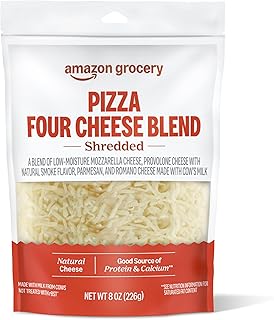


What You'll Learn
- Mozzarella Varieties: Explore different types of mozzarella, such as fresh, low-moisture, and buffalo mozzarella
- Blending Cheeses: Discover the art of combining cheeses like cheddar, gouda, and parmesan for a unique flavor profile
- Gourmet Options: Indulge in specialty cheeses such as feta, goat cheese, or blue cheese to elevate your pizza
- Vegan Alternatives: Find plant-based cheese substitutes that melt well and offer a similar taste to dairy cheese
- Regional Favorites: Learn about popular cheese choices in different pizza styles, such as provolone in Philly or fontina in Italian pizzas

Mozzarella Varieties: Explore different types of mozzarella, such as fresh, low-moisture, and buffalo mozzarella
Fresh mozzarella, with its delicate texture and mild flavor, is a popular choice for pizza enthusiasts seeking a gourmet touch. This variety is typically made from cow's milk and is characterized by its soft, white curds that are often sold in water to maintain freshness. When used on pizza, fresh mozzarella melts unevenly, creating pockets of creamy goodness that elevate the overall taste experience. It's best suited for pizzas with a lighter sauce and fresh toppings, allowing its subtle flavor to shine through.
Low-moisture mozzarella, on the other hand, is the go-to option for those who prefer a more uniform melt and a slightly tangier taste. This type of mozzarella is made by draining the whey from the curds, resulting in a firmer texture and a more concentrated flavor. It's the most commonly used mozzarella for pizza in the United States and is ideal for pizzas with a heavier sauce or more robust toppings, as it can hold its own without becoming too soggy.
Buffalo mozzarella, a prized delicacy in Italian cuisine, offers a unique flavor profile that sets it apart from its cow's milk counterparts. Made from the milk of water buffalo, this mozzarella has a richer, creamier taste and a slightly grainy texture. Its high fat content contributes to a luxurious melt, making it perfect for pizzas with a simple, high-quality tomato sauce and fresh basil leaves. Buffalo mozzarella is often more expensive than other varieties, but its distinctive flavor makes it a worthwhile splurge for pizza aficionados.
When choosing the right mozzarella for your pizza, consider the flavor profile and melting characteristics you desire. Fresh mozzarella is ideal for a light, gourmet pizza, while low-moisture mozzarella works well for a classic, hearty pizza. Buffalo mozzarella, with its rich, creamy taste, is perfect for a pizza that showcases the quality of its ingredients. Experiment with different varieties to find your favorite and elevate your pizza-making skills.
Savoring Simplicity: Carbs in Little Caesars Cheese Pizza
You may want to see also
Explore related products


Blending Cheeses: Discover the art of combining cheeses like cheddar, gouda, and parmesan for a unique flavor profile
The art of blending cheeses is a culinary technique that can elevate your pizza from ordinary to extraordinary. By combining different types of cheese, you can create a unique flavor profile that caters to your specific taste preferences. For instance, a blend of cheddar, gouda, and parmesan can offer a rich, creamy, and slightly nutty taste that complements a variety of pizza toppings.
To start blending cheeses, it's essential to understand the characteristics of each cheese type. Cheddar is known for its sharpness and tanginess, gouda for its smooth and mellow flavor, and parmesan for its salty and nutty taste. When combined, these cheeses can create a harmonious balance of flavors that enhances the overall taste of your pizza.
When blending cheeses, it's crucial to consider the melting points of each cheese type. Cheeses with similar melting points will blend more seamlessly, resulting in a smoother and more even texture. For example, cheddar and gouda have similar melting points, making them an ideal combination for blending. Parmesan, on the other hand, has a higher melting point, so it's best to add it towards the end of the blending process to avoid a grainy texture.
To blend the cheeses, start by grating them into small, uniform pieces. This will help them melt more evenly and blend more smoothly. Next, combine the grated cheeses in a bowl and mix them thoroughly. You can also add a small amount of cornstarch or flour to the mixture to help the cheeses bind together and create a smoother texture.
Once you've blended the cheeses, it's time to add them to your pizza. Sprinkle the cheese blend evenly over your pizza dough, making sure to cover all areas. You can also add additional toppings, such as vegetables or meats, before baking the pizza.
In conclusion, blending cheeses is a simple yet effective way to create a unique flavor profile for your pizza. By understanding the characteristics of each cheese type and following a few basic steps, you can create a delicious and customized pizza that's sure to impress.
Taco Cat Goat Cheese Pizza: A Fun and Flavorful Twist on a Classic
You may want to see also
Explore related products


Gourmet Options: Indulge in specialty cheeses such as feta, goat cheese, or blue cheese to elevate your pizza
For those looking to elevate their pizza game, gourmet cheeses offer a world of possibilities. Feta, goat cheese, and blue cheese are just a few specialty options that can transform a simple pizza into a sophisticated culinary experience. These cheeses bring unique flavors and textures that set them apart from the traditional mozzarella.
Feta cheese, with its tangy and salty taste, pairs well with a variety of toppings. Try combining it with sun-dried tomatoes, olives, and fresh basil for a Mediterranean-inspired pizza. The crumbly texture of feta also adds a delightful contrast to the gooey melted cheese.
Goat cheese, known for its creamy and slightly tangy flavor, is another excellent choice for gourmet pizzas. It pairs beautifully with caramelized onions, roasted red peppers, and arugula. The soft texture of goat cheese melts smoothly, creating a rich and indulgent topping.
Blue cheese, with its strong and pungent flavor, is not for the faint of heart. However, for those who enjoy bold tastes, blue cheese can be a game-changer. Pair it with sweet toppings like figs or honey to balance out the intensity. The veiny texture of blue cheese also adds a unique visual element to the pizza.
When using specialty cheeses, it's important to consider the balance of flavors. Since these cheeses are more pronounced than mozzarella, it's best to use them in moderation. A good rule of thumb is to use a combination of 75% mozzarella and 25% specialty cheese. This will ensure that the unique flavors of the gourmet cheese shine through without overpowering the other ingredients.
In conclusion, gourmet cheeses like feta, goat cheese, and blue cheese can take your pizza to the next level. Experiment with different combinations and find the perfect balance of flavors to suit your taste. Whether you're a fan of tangy, creamy, or bold flavors, there's a specialty cheese out there that will elevate your pizza experience.
Exploring Gourmet Pizza Toppings: Merlot Cheese Edition
You may want to see also
Explore related products



Vegan Alternatives: Find plant-based cheese substitutes that melt well and offer a similar taste to dairy cheese
For those seeking vegan alternatives to traditional dairy cheese for their pizzas, there are several plant-based options that melt well and offer a similar taste profile. One popular choice is vegan mozzarella, which is often made from a blend of plant oils, starches, and flavorings. Brands like Daiya and Follow Your Heart offer vegan mozzarella shreds that can be used in place of dairy mozzarella on pizzas.
Another option is to use a vegan cheese sauce, which can be made from a variety of ingredients such as cashews, nutritional yeast, and plant-based milk. These sauces can be poured directly onto the pizza crust and baked, providing a creamy and flavorful alternative to melted dairy cheese.
For a more gourmet option, some vegan cheeses are made from fermented plant-based ingredients, such as soy or almonds. These cheeses often have a more complex flavor profile and can be used to add a unique twist to your pizza.
When choosing a vegan cheese alternative, it's important to consider the melting properties and flavor profile of the product. Some vegan cheeses may not melt as well as others, and some may have a stronger or more distinct flavor than traditional dairy cheese. Experimenting with different brands and types of vegan cheese can help you find the perfect alternative for your pizza preferences.
In addition to considering the taste and melting properties, it's also important to check the nutritional information of vegan cheese alternatives. Some may be higher in calories or fat than others, and some may contain additional ingredients that you may want to avoid. By doing your research and trying out different options, you can find a vegan cheese alternative that not only tastes great on your pizza but also aligns with your dietary preferences and needs.
The Art of Melty Perfection: How to Get Cheese to Stick to Pizza
You may want to see also
Explore related products


Regional Favorites: Learn about popular cheese choices in different pizza styles, such as provolone in Philly or fontina in Italian pizzas
In the realm of pizza, cheese is the unsung hero that ties all the flavors together. While mozzarella is the most common choice worldwide, different regions have their own unique preferences that elevate their pizza styles. For instance, in Philadelphia, provolone cheese is a staple on pizzas, offering a slightly sharper and more robust flavor compared to mozzarella. This choice is deeply rooted in the city's culinary history and is a testament to the diverse tastes of its inhabitants.
Across the Atlantic, Italian pizzas often feature fontina cheese, particularly in the northern regions. Fontina is known for its nutty flavor and excellent melting properties, which make it a perfect choice for creating a rich, gooey texture on pizza. In addition to fontina, Italian pizzas may also include other regional cheeses such as Gorgonzola or Parmigiano-Reggiano, each adding its own distinct character to the dish.
Moving down to the southern United States, you'll find that cheddar cheese is a popular topping on pizzas, especially in Texas. The sharp, tangy flavor of cheddar complements the bold, spicy ingredients often found in Tex-Mex cuisine, creating a fusion of flavors that is both familiar and exciting.
In Japan, where pizza has become a beloved dish, you might encounter pizzas topped with mayonnaise and corn, alongside traditional cheeses. This unusual combination reflects the country's penchant for innovative and sometimes unconventional food pairings.
Understanding these regional cheese preferences not only broadens your culinary horizons but also allows you to experiment with different flavors and textures in your own pizza creations. Whether you're a fan of classic mozzarella or looking to try something new, exploring the world of cheese can lead to exciting and delicious discoveries.
The Slippery Mystery: Why Cheese Slides Off Pizza
You may want to see also
Frequently asked questions
For a classic Margherita pizza, fresh mozzarella is the best choice. Its mild flavor and excellent melting properties make it the perfect complement to the tomato sauce and basil.
Yes, you can use cheddar cheese on pizza. It has a sharper flavor than mozzarella and can add a nice twist to your pizza. However, it doesn't melt as smoothly as mozzarella, so you might want to blend it with a bit of mozzarella for better texture.
A good cheese combination for a meat lover's pizza would be mozzarella and provolone. The mozzarella provides a creamy base, while the provolone adds a bit of sharpness and extra flavor that pairs well with the meats.
Feta cheese can be a good option for pizza, especially if you're looking for a tangy and salty flavor. It's often used on pizzas with Mediterranean toppings like olives, red onions, and sun-dried tomatoes. However, since feta doesn't melt well, it's best to crumble it on top of the pizza after it's been baked.
If you want a smoky flavor on your pizza, you should try using smoked mozzarella or gouda. Both of these cheeses have a rich, smoky taste that can add depth to your pizza's flavor profile.