Bushra Griffith
When it comes to crafting the perfect pizza, the choice of mozzarella cheese is crucial. The ideal mozzarella should melt beautifully, creating a stretchy, gooey texture that complements the crispy crust and savory toppings. Look for high-quality, full-fat mozzarella that is specifically designed for melting, such as low-moisture or buffalo mozzarella. These varieties will provide the rich flavor and excellent melting properties that are essential for a delicious pizza. Additionally, consider the origin of the cheese, as authentic Italian mozzarella often yields superior results compared to mass-produced alternatives. By selecting the right mozzarella, you can elevate your pizza-making skills and create a truly mouthwatering masterpiece.
Explore related products


What You'll Learn
- Fresh vs. Shredded Mozzarella: Fresh mozzarella offers a creamy texture, while shredded provides even melting and coverage
- Low-Moisture Mozzarella: This type is ideal for pizza as it melts well without making the crust soggy
- Buffalo Mozzarella: Made from buffalo milk, it has a rich, tangy flavor and a soft, stretchy texture
- Mozzarella Blends: Combining mozzarella with other cheeses like Parmesan or provolone can enhance flavor complexity
- Artisanal vs. Commercial Mozzarella: Artisanal mozzarella is handcrafted, often resulting in a superior taste and texture compared to mass-produced varieties

Fresh vs. Shredded Mozzarella: Fresh mozzarella offers a creamy texture, while shredded provides even melting and coverage
Fresh mozzarella, with its creamy texture and delicate flavor, is often the go-to choice for artisanal pizzas. This type of mozzarella is typically made from whole milk and has a higher moisture content, which contributes to its soft, pillowy consistency. When used on pizza, fresh mozzarella melts unevenly, creating pockets of gooey cheese that can add a luxurious mouthfeel to each bite. However, its high moisture content can also lead to a soggier crust if not used sparingly.
On the other hand, shredded mozzarella provides a more uniform melting experience. This cheese is often made from low-moisture, part-skim milk, which gives it a firmer texture and a slightly milder flavor. Shredded mozzarella melts evenly across the pizza, ensuring consistent coverage and a satisfying stretch with each bite. Its lower moisture content also makes it less likely to make the crust soggy, even when used in larger quantities.
When choosing between fresh and shredded mozzarella for pizza, consider the desired texture and melting properties. If you prefer a creamy, indulgent cheese with a more pronounced flavor, fresh mozzarella is the better choice. However, if you want a cheese that melts evenly and provides consistent coverage without making the crust soggy, shredded mozzarella is the way to go.
In terms of practical application, fresh mozzarella is best used in small dollops or slices, allowing it to melt into the pizza without overwhelming the other ingredients. Shredded mozzarella, on the other hand, can be sprinkled generously over the pizza, ensuring even coverage and a uniform melt.
Ultimately, the best mozzarella cheese for pizza depends on personal preference and the desired outcome. Both fresh and shredded mozzarella have their unique qualities and uses, and experimenting with both can help you find the perfect cheese for your pizza-making needs.
Exploring the Kosher Status of Cheese Pizza: A Delicious Dilemma
You may want to see also
Explore related products


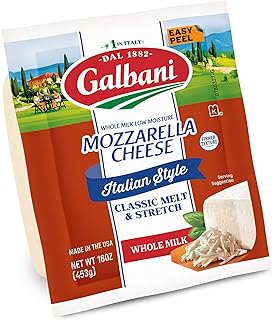


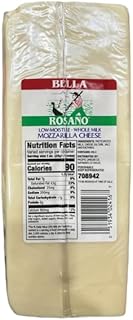
Low-Moisture Mozzarella: This type is ideal for pizza as it melts well without making the crust soggy
Low-moisture mozzarella is a game-changer for pizza enthusiasts looking to achieve that perfect balance of melty cheese and crispy crust. Unlike its higher-moisture counterparts, low-moisture mozzarella contains less water, which means it melts more evenly and doesn't release excess moisture that can make the crust soggy. This type of cheese is typically made from whole milk and undergoes a process called "pasta filata," where the curd is stretched and kneaded to create its signature texture.
One of the key benefits of low-moisture mozzarella is its ability to brown and bubble beautifully when baked at high temperatures. This is due to its lower water content, which allows the cheese to caramelize more effectively. As a result, you get a delicious, slightly crispy top layer that adds depth to the overall flavor profile of your pizza.
When it comes to choosing the best low-moisture mozzarella for your pizza, look for brands that specifically label their products as "low-moisture" or "pizza cheese." These cheeses are often sold in blocks or bags and can be easily shredded or sliced for use on your pizza. Some popular brands include Belgioioso, Galbani, and Boar's Head.
In terms of usage, low-moisture mozzarella can be used in a variety of pizza recipes, from classic Margherita to more adventurous creations. Its mild flavor and excellent melting properties make it a versatile choice that can complement a wide range of toppings. When using low-moisture mozzarella, it's important to remember that a little goes a long way. Due to its lower water content, this cheese can be quite dense, so you may need to use less than you would with a higher-moisture mozzarella to achieve the desired level of coverage.
Overall, low-moisture mozzarella is a must-try for any pizza lover looking to elevate their homemade creations. Its unique properties make it an ideal choice for achieving that perfect balance of flavors and textures that define a truly great pizza.
Savoring Simplicity: Carbs in Little Caesars Cheese Pizza
You may want to see also
Explore related products


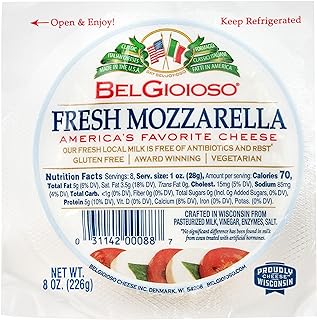

Buffalo Mozzarella: Made from buffalo milk, it has a rich, tangy flavor and a soft, stretchy texture
Buffalo mozzarella, a cheese made from the milk of water buffalo, stands out in the world of pizza toppings due to its unique characteristics. Unlike its cow's milk counterpart, buffalo mozzarella boasts a richer, tangier flavor profile that can elevate a simple pizza to gourmet status. Its soft, stretchy texture is another hallmark, providing a delightful mouthfeel that complements the crispiness of a well-baked crust.
One of the key advantages of buffalo mozzarella on pizza is its ability to melt evenly and smoothly, creating a creamy layer that binds the other toppings together. This cheese also has a higher moisture content than regular mozzarella, which contributes to its luscious texture and helps prevent the pizza from becoming too dry.
When selecting buffalo mozzarella for pizza, it's important to choose a high-quality product. Look for cheese that is fresh, as indicated by its bright white color and moist appearance. The best buffalo mozzarella is often sold in small, round balls, which can be easily sliced or torn into pieces for even distribution on the pizza.
In terms of flavor pairings, buffalo mozzarella works well with a variety of toppings. Its tangy taste complements acidic ingredients like tomato sauce and fresh tomatoes, while its richness balances out the saltiness of cured meats like prosciutto or pepperoni. For a truly authentic experience, try pairing buffalo mozzarella with fresh basil, olive oil, and a sprinkle of sea salt—a combination that highlights the cheese's unique qualities.
In conclusion, buffalo mozzarella is an excellent choice for pizza enthusiasts looking to add a touch of luxury to their homemade creations. Its distinctive flavor and texture make it a standout ingredient that can transform a simple pizza into a memorable culinary experience.
Exploring the Flavor Fusion: Taco, Cat, Goat Cheese, and Pizza Cards
You may want to see also
Explore related products


Mozzarella Blends: Combining mozzarella with other cheeses like Parmesan or provolone can enhance flavor complexity
Combining mozzarella with other cheeses like Parmesan or provolone can significantly enhance the flavor complexity of your pizza. This technique allows you to leverage the unique characteristics of each cheese, creating a harmonious blend that elevates the overall taste experience. For instance, Parmesan adds a sharp, nutty flavor and a slightly granular texture, which contrasts beautifully with mozzarella's creamy, mild profile. Provolone, on the other hand, contributes a buttery, tangy taste that complements mozzarella's richness.
When experimenting with mozzarella blends, it's essential to consider the melting properties of each cheese. Mozzarella is renowned for its excellent melting qualities, but Parmesan and provolone have different melting points and behaviors. Parmesan melts slowly and doesn't stretch much, so it's best used sparingly and in combination with other cheeses. Provolone melts more readily and can create a delightful, gooey texture when paired with mozzarella.
To achieve the perfect mozzarella blend, start by grating or thinly slicing the cheeses. This ensures even melting and distribution across the pizza. A general rule of thumb is to use two-thirds mozzarella and one-third of the other cheese(s). However, feel free to adjust the ratios based on your personal preferences and the specific flavor profile you're aiming for.
One popular mozzarella blend is the classic Margherita pizza combination of mozzarella, Parmesan, and fresh basil. This simple yet flavorful blend showcases the versatility of mozzarella and its ability to pair well with both bold and subtle flavors. Another option is to mix mozzarella with provolone and a touch of Parmesan for a more robust, tangy flavor profile.
Remember, the key to a successful mozzarella blend is to experiment and find the combination that suits your taste buds best. Don't be afraid to try different cheeses and ratios until you discover your perfect pizza blend.
The Great Pizza Debate: Toppings vs. Cheese - Which Comes First?
You may want to see also
Explore related products


Artisanal vs. Commercial Mozzarella: Artisanal mozzarella is handcrafted, often resulting in a superior taste and texture compared to mass-produced varieties
The debate between artisanal and commercial mozzarella is a contentious one in the culinary world, particularly when it comes to pizza. Artisanal mozzarella, made by hand using traditional methods, is often lauded for its superior taste and texture. This type of cheese is typically fresher, as it's made in smaller batches and sold soon after production. The freshness contributes to a more vibrant flavor and a better melt, which are crucial qualities for a great pizza.
On the other hand, commercial mozzarella, which is mass-produced, has its own set of advantages. It's more widely available and often less expensive than its artisanal counterpart. This makes it a more accessible option for many pizzerias and home cooks. However, the mass-production process can sometimes result in a less nuanced flavor and a drier texture, which may not melt as smoothly or evenly as artisanal mozzarella.
When choosing the best mozzarella for pizza, it's important to consider the specific needs of your recipe. If you're looking for a cheese that will provide a rich, complex flavor and a perfectly gooey texture, artisanal mozzarella might be the better choice. However, if you're working with a tighter budget or need a cheese that's readily available, commercial mozzarella can still deliver a satisfactory result.
In terms of practical tips, if you do opt for artisanal mozzarella, try to use it within a few days of purchase to maximize its flavor and texture. Store it in the refrigerator, but let it come to room temperature before using it on your pizza. This will help it melt more evenly. For commercial mozzarella, look for brands that use high-quality ingredients and traditional methods to ensure the best possible taste and texture.
Ultimately, the choice between artisanal and commercial mozzarella comes down to personal preference and the specific requirements of your pizza recipe. Both types of cheese have their merits, and experimenting with different brands and varieties can help you find the perfect mozzarella for your needs.
Exploring Gourmet Pizza Toppings: Merlot Cheese Edition
You may want to see also
Frequently asked questions
The best type of mozzarella cheese for pizza is typically low-moisture mozzarella, as it melts well and doesn't make the pizza soggy.
Fresh mozzarella is often preferred for its superior flavor and texture, but shredded mozzarella is more convenient and can also yield good results.
Mozzarella has a milder flavor and melts more smoothly, while provolone has a sharper taste and doesn't melt as evenly.
Yes, you can mix different types of cheese on your pizza to create a unique flavor profile. Combining mozzarella with other cheeses like parmesan, provolone, or gouda can enhance the taste.
The amount of cheese to put on your pizza depends on personal preference, but a general guideline is to use about 1/4 to 1/2 cup of shredded mozzarella per 12-inch pizza.