Randy Chandler
When it comes to comfort food, macaroni and cheese is a classic favorite. The creamy, cheesy goodness is a staple in many households, but some may wonder if there's room for variation in this beloved dish. One such question is whether ricotta cheese can be incorporated into mac and cheese. Ricotta, known for its smooth texture and mild flavor, is often used in Italian cuisine, but can it find a place in this quintessential American dish? Let's explore the possibilities and see if ricotta can add a new dimension to our mac and cheese experience.
Explore related products




What You'll Learn
- Ricotta Cheese Benefits: Adds creaminess, protein, and a mild flavor to mac and cheese
- Substitution Tips: Replace part of the cheddar or other cheese with ricotta for a smoother texture
- Nutritional Comparison: Ricotta cheese offers more protein and less fat compared to cheddar cheese
- Flavor Profile: Ricotta's subtle taste complements the sharpness of cheddar, enhancing the overall flavor
- Cooking Instructions: Mix ricotta with other cheeses and ingredients before baking for the best results

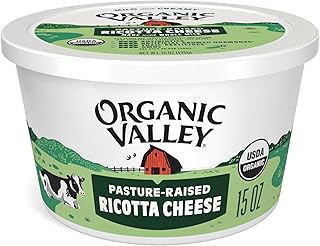
Ricotta Cheese Benefits: Adds creaminess, protein, and a mild flavor to mac and cheese
Ricotta cheese is a versatile ingredient that can significantly enhance the nutritional value and texture of macaroni and cheese. One of the primary benefits of incorporating ricotta into this classic dish is its high protein content. Compared to other cheeses, ricotta is relatively low in fat and calories but rich in protein, making it an excellent choice for those looking to boost the nutritional profile of their meal without adding excessive calories.
In addition to its protein content, ricotta cheese also contributes a delightful creaminess to mac and cheese. Its soft, moist texture can help create a smoother, more luxurious sauce that coats the pasta evenly. This creaminess can be particularly appealing to those who prefer a less dry, more indulgent macaroni and cheese experience. Furthermore, ricotta's mild flavor allows it to blend seamlessly with other ingredients, enhancing the overall taste without overpowering the dish.
When using ricotta cheese in mac and cheese, it's essential to consider the right proportion to achieve the desired consistency and flavor. A general guideline is to mix one part ricotta with two parts of your preferred shredded cheese, such as cheddar or mozzarella. This ratio ensures that the ricotta adds creaminess and protein without diluting the flavor of the other cheeses. You can also experiment with different seasonings and herbs to complement the mild taste of ricotta and create a more complex flavor profile.
Another advantage of using ricotta cheese in mac and cheese is its ability to add moisture and tenderness to the pasta. As ricotta melts, it releases water, which can help prevent the pasta from becoming too dry or clumpy. This is particularly beneficial when reheating leftovers, as the moisture from the ricotta can help maintain the dish's creamy texture even after refrigeration.
In conclusion, incorporating ricotta cheese into macaroni and cheese offers several benefits, including increased protein content, enhanced creaminess, and improved moisture retention. By using the right proportions and experimenting with complementary flavors, you can create a delicious and nutritious twist on this beloved comfort food.
Twirling into Comfort: The Perfect Rotini for Mac and Cheese
You may want to see also
Explore related products



Substitution Tips: Replace part of the cheddar or other cheese with ricotta for a smoother texture
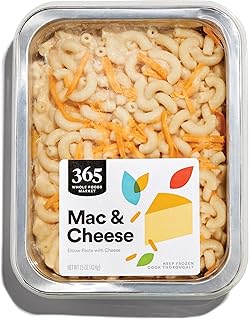
Replacing part of the cheddar or other cheese with ricotta in mac and cheese can significantly alter the dish's texture, making it smoother and creamier. This substitution is particularly useful for those who prefer a less sharp flavor profile or are looking to experiment with different textures in their macaroni and cheese.
To achieve the best results, start by substituting a small portion of the cheese with ricotta—about 25% of the total cheese amount is a good starting point. This will allow you to gauge the change in texture and flavor without overpowering the dish. Gradually increase the proportion of ricotta as desired, keeping in mind that too much may result in a macaroni that is too moist or lacks the structure provided by the firmer cheeses.
When incorporating ricotta, it's essential to ensure that it is well-integrated with the other cheeses and the pasta. To do this, mix the ricotta thoroughly with the melted cheese sauce before combining it with the cooked macaroni. This will help distribute the ricotta evenly throughout the dish and prevent any lumps or pockets of ricotta from forming.
Another consideration when using ricotta in mac and cheese is the cooking time. Since ricotta is a softer cheese, it may require less time to melt and blend with the other ingredients. Keep an eye on the dish as it cooks, and adjust the time accordingly to prevent overcooking or burning.
In terms of flavor, ricotta has a mild, slightly sweet taste that can complement the sharper flavors of cheddar or other cheeses. However, if you find that the dish lacks depth of flavor after substituting ricotta, consider adding additional seasonings such as garlic powder, onion powder, or a pinch of nutmeg to enhance the overall taste.
Overall, substituting ricotta for part of the cheese in macaroni and cheese can be a delicious and creative way to change up the classic dish. By following these tips and experimenting with different proportions and seasonings, you can create a unique and satisfying mac and cheese that suits your taste preferences.
Egg-cellent Mac and Cheese: A Creative Twist on a Classic Comfort Food
You may want to see also
Explore related products


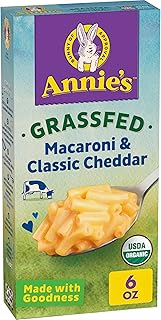
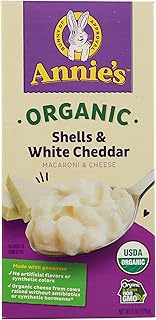


Nutritional Comparison: Ricotta cheese offers more protein and less fat compared to cheddar cheese
Ricotta cheese is a versatile ingredient that can significantly enhance the nutritional profile of macaroni and cheese. Compared to traditional cheddar cheese, ricotta offers a higher protein content while being lower in fat. This makes it an excellent choice for those looking to increase their protein intake without significantly boosting their fat consumption.
One of the key benefits of using ricotta in mac and cheese is its ability to add a creamy texture without the need for excessive amounts of butter or cream. This not only reduces the overall calorie count but also provides a healthier fat profile. Additionally, ricotta is rich in essential nutrients such as calcium, phosphorus, and vitamins A and B12, which are crucial for maintaining strong bones and a healthy immune system.
When incorporating ricotta into mac and cheese, it's important to consider the ratio of ricotta to cheddar. A good starting point is to use a 1:1 ratio, gradually increasing the amount of ricotta as desired. This will help achieve the perfect balance of flavor and nutrition. It's also worth noting that ricotta can be used in conjunction with other cheeses, such as mozzarella or Parmesan, to create a more complex and satisfying flavor profile.
In terms of preparation, using ricotta in mac and cheese is relatively straightforward. Simply mix the ricotta with the cooked pasta and other ingredients, then bake in the oven until golden and bubbly. For an extra boost of nutrition, consider adding vegetables such as broccoli, spinach, or bell peppers to the dish.
Overall, incorporating ricotta cheese into mac and cheese is a simple and effective way to improve the nutritional value of this classic comfort food. With its high protein content, low fat profile, and creamy texture, ricotta is a superior choice for those looking to make a healthier version of mac and cheese without sacrificing taste.
Exploring the Low FODMAP Diet: Is Mac and Cheese a Suitable Choice?
You may want to see also
Explore related products


Flavor Profile: Ricotta's subtle taste complements the sharpness of cheddar, enhancing the overall flavor
Ricotta cheese, known for its mild and creamy flavor, can be a versatile ingredient in various dishes, including macaroni and cheese. When combined with the sharp, tangy taste of cheddar, ricotta can create a balanced and enhanced flavor profile. The subtle sweetness of ricotta complements the richness of cheddar, resulting in a harmonious blend that elevates the overall taste of the dish.
Incorporating ricotta into macaroni and cheese can be done in several ways. One approach is to mix ricotta with other cheeses, such as mozzarella and Parmesan, to create a multi-dimensional cheese sauce. This combination can add depth and complexity to the flavor, while also providing a creamy texture that coats the pasta evenly. Another method is to use ricotta as a topping or garnish, adding a dollop of the cheese to the finished dish for a burst of flavor and a contrasting texture.
When using ricotta in macaroni and cheese, it's essential to consider the fat content of the cheese. Whole milk ricotta will add a richer, creamier texture, while part-skim ricotta will result in a lighter, slightly drier consistency. Depending on personal preference and dietary needs, one can choose the appropriate type of ricotta to achieve the desired outcome.
In addition to its flavor and texture contributions, ricotta can also enhance the nutritional value of macaroni and cheese. Ricotta is a good source of protein, calcium, and vitamins A and B12, making it a healthier alternative to some other cheese options. By incorporating ricotta into the dish, one can increase the nutritional content while still enjoying a delicious and satisfying meal.
Overall, the addition of ricotta cheese to macaroni and cheese can provide a unique and flavorful twist to the classic comfort food. Its subtle taste and creamy texture complement the sharpness of cheddar, creating a well-rounded and enhanced flavor profile that is sure to delight the palate.
Dairy-Free Delight: Baked Mac and Cheese Without Milk
You may want to see also
Explore related products


Cooking Instructions: Mix ricotta with other cheeses and ingredients before baking for the best results
To achieve the perfect creamy texture in your mac and cheese, it's essential to mix ricotta with other cheeses and ingredients before baking. This process ensures that the ricotta is fully incorporated, resulting in a smooth and velvety sauce that coats each noodle evenly. Start by combining the ricotta with a blend of shredded cheddar, mozzarella, and Parmesan cheeses in a large mixing bowl. Add a splash of milk to help create a more fluid consistency, which will make it easier to mix everything together.
Next, season the cheese mixture with salt, pepper, and a pinch of nutmeg to enhance the flavors. If you're feeling adventurous, you can also add a dash of cayenne pepper or paprika for a bit of heat. Once the cheese mixture is well combined, stir in cooked elbow macaroni until it's fully coated. Transfer the mac and cheese to a baking dish, and top it with a layer of breadcrumbs for a crispy, golden-brown crust.
Bake the mac and cheese in a preheated oven at 375°F (190°C) for about 20-25 minutes, or until the top is bubbly and lightly browned. Let it cool for a few minutes before serving to allow the cheese to set slightly, making it easier to scoop and enjoy. By following these steps and mixing the ricotta with other cheeses and ingredients before baking, you'll create a deliciously creamy and flavorful mac and cheese that's sure to impress.
Mac and Cheese Math: Feeding a Crowd on a Budget
You may want to see also
Frequently asked questions
Yes, you can put ricotta cheese in mac and cheese. Ricotta adds a creamy texture and mild flavor that complements the traditional cheddar or American cheese used in mac and cheese.
The amount of ricotta cheese you add to mac and cheese depends on your preference for creaminess and the size of your dish. Generally, you can start by adding 1/2 cup of ricotta for every 4 cups of cooked pasta, and adjust from there.
You can either mix the ricotta cheese in with the other cheeses for a uniform creamy texture throughout the dish, or layer it on top before baking for a rich, creamy topping. Both methods work well and offer different textural experiences.
Ingredients that pair well with ricotta in mac and cheese include spinach, sun-dried tomatoes, garlic, and herbs like basil or oregano. These additions enhance the flavor profile and add nutritional value to the dish.