Kamil Perry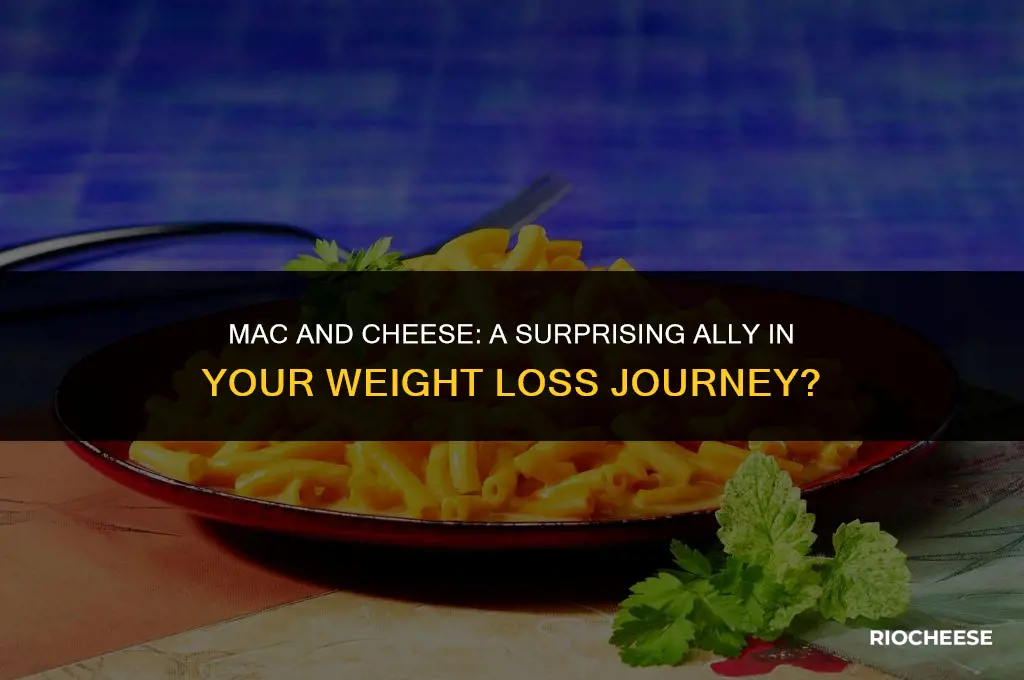
Macaroni and cheese, a beloved comfort food, is often scrutinized for its nutritional value, particularly in the context of weight loss. While it can be a source of carbohydrates and protein, its high calorie and fat content, primarily from the cheese sauce, can be a concern for those aiming to shed pounds. However, it's important to note that moderation and portion control are key factors in any weight loss journey. Incorporating mac and cheese into a balanced diet, alongside nutrient-dense foods and regular physical activity, may allow for occasional indulgence without derailing one's goals.
Explore related products



What You'll Learn
- Calorie Content: Mac and cheese can be high in calories, which may hinder weight loss efforts if consumed excessively
- Nutrient Balance: It often lacks essential nutrients like fiber, vitamins, and minerals that support overall health and weight management
- Fat and Cholesterol: Traditional recipes are high in saturated fat and cholesterol, potentially increasing heart disease risk if eaten frequently
- Portion Control: Enjoying mac and cheese in moderation, with controlled portion sizes, can help balance it within a weight loss diet
- Healthier Alternatives: Preparing mac and cheese with whole-grain pasta, low-fat cheese, and added vegetables can make it a more nutritious option

Calorie Content: Mac and cheese can be high in calories, which may hinder weight loss efforts if consumed excessively
Mac and cheese, a beloved comfort food, can be a significant source of calories. A typical serving of homemade mac and cheese can range from 300 to 500 calories, depending on the ingredients used. This high calorie content can pose a challenge for individuals aiming to lose weight, as consuming excessive calories can lead to weight gain.
The calorie density of mac and cheese is primarily due to its rich ingredients, such as cheese, milk, and pasta. Cheese, while nutritious, is high in fat and calories. Whole milk, often used in mac and cheese recipes, also contributes to the calorie count. Additionally, pasta, a refined carbohydrate, can be calorie-dense, especially when served in large portions.
To make mac and cheese more suitable for a weight loss diet, consider making a few modifications. Opt for whole-grain pasta, which is higher in fiber and nutrients, and use a smaller portion size. Choose lower-fat cheese options, such as part-skim mozzarella or reduced-fat cheddar. You can also substitute whole milk with unsweetened almond milk or skim milk to reduce the calorie content.
Another strategy to enjoy mac and cheese while managing calorie intake is to incorporate more vegetables into the dish. Adding vegetables like broccoli, cauliflower, or spinach not only increases the nutrient density but also adds volume to the dish, making it more filling with fewer calories.
In conclusion, while mac and cheese can be high in calories, it is possible to enjoy it as part of a balanced weight loss diet by making mindful ingredient choices and controlling portion sizes. By focusing on these strategies, you can savor this comforting dish without derailing your weight loss efforts.
Twirling into Comfort: The Perfect Rotini for Mac and Cheese
You may want to see also
Explore related products


Nutrient Balance: It often lacks essential nutrients like fiber, vitamins, and minerals that support overall health and weight management
Macaroni and cheese, a beloved comfort food, often falls short in providing the essential nutrients needed for a balanced diet. One critical area where it lacks is fiber content. Fiber is crucial for digestive health, helping to regulate bowel movements and promote a feeling of fullness, which can aid in weight management. Unfortunately, traditional mac and cheese recipes, which rely heavily on refined pasta and cheese, offer minimal fiber. To boost the fiber content, one could consider incorporating whole-grain pasta or adding vegetables like broccoli or spinach to the dish.
In addition to fiber, mac and cheese can be deficient in certain vitamins and minerals. For instance, it typically contains low levels of vitamin D, which is essential for bone health and immune function. The dish also often lacks sufficient amounts of potassium, a mineral that helps regulate blood pressure and supports proper muscle function. To address these deficiencies, one might consider fortifying the dish with vitamin D-rich ingredients like mushrooms or fortified plant-based milk, and adding potassium-rich foods such as sweet potatoes or tomatoes.
Furthermore, mac and cheese can be high in calories and saturated fat, which can contribute to weight gain if consumed in excess. The cheese sauce, while delicious, is often made with high-fat cheeses and butter, adding to the calorie count. To make the dish more weight-loss friendly, one could opt for lower-fat cheese options, reduce the amount of cheese used, or substitute the cheese sauce with a lighter, plant-based alternative.
It's also important to note that mac and cheese can be low in protein, which is a key nutrient for muscle repair and growth. Protein also helps to keep you feeling full and satisfied, which can be beneficial for weight management. To increase the protein content, consider adding lean protein sources such as grilled chicken, turkey, or tofu to the dish.
In summary, while mac and cheese can be a tasty and comforting meal, it often lacks the essential nutrients needed for a balanced diet and weight management. By making thoughtful ingredient substitutions and additions, such as incorporating whole grains, vegetables, lean proteins, and healthier fats, one can create a more nutritious version of this classic dish.
Savoring Comfort: How a Quart of Mac and Cheese Feeds Your Crew
You may want to see also
Explore related products


Fat and Cholesterol: Traditional recipes are high in saturated fat and cholesterol, potentially increasing heart disease risk if eaten frequently
Traditional mac and cheese recipes often rely heavily on ingredients like butter, cream, and full-fat cheese, which are rich sources of saturated fat and cholesterol. Consuming high amounts of these nutrients regularly can lead to increased levels of LDL (low-density lipoprotein) cholesterol in the blood, a known risk factor for heart disease. This is particularly concerning for individuals who already have elevated cholesterol levels or those with a family history of cardiovascular issues.
To put this into perspective, a typical serving of homemade mac and cheese can contain anywhere from 20 to 30 grams of saturated fat and over 100 milligrams of cholesterol. These values can vary depending on the specific recipe and portion size, but they generally far exceed the daily recommendations for these nutrients. The American Heart Association suggests limiting daily saturated fat intake to no more than 13 grams for a 2,000-calorie diet and keeping cholesterol consumption below 300 milligrams per day.
It's important to note that not all fats are created equal. While saturated fats found in animal products and some plant oils can contribute to heart disease risk, other types of fats, such as monounsaturated and polyunsaturated fats, may actually help lower cholesterol levels and reduce the risk of cardiovascular disease. Sources of these healthier fats include avocados, nuts, seeds, and fatty fish like salmon and mackerel.
For those looking to enjoy mac and cheese as part of a weight loss or heart-healthy diet, there are several strategies that can be employed to reduce the saturated fat and cholesterol content without sacrificing flavor. One approach is to use lower-fat cheese options, such as part-skim mozzarella or reduced-fat cheddar. Another strategy is to incorporate more vegetables into the dish, which can help balance the nutrient profile and provide additional fiber and nutrients. Finally, using whole-grain pasta instead of refined white pasta can increase the fiber content and help with satiety, making it easier to control portion sizes.
In conclusion, while traditional mac and cheese recipes may be high in saturated fat and cholesterol, there are ways to modify the dish to make it more heart-healthy and suitable for weight loss diets. By making informed ingredient choices and incorporating more vegetables and whole grains, it's possible to enjoy this classic comfort food while still maintaining a balanced and nutritious diet.
Comfort Food Harmony: The Perfect Meat to Pair with Mac and Cheese and Mashed Potatoes
You may want to see also
Explore related products


![Goodles Shella Good Aged White Cheddar and Shells Pasta - Nutrient Packed with Real Cheese, Fiber, Protein, Prebiotics, Plants, & Vegetables | Non-GMO, Organic Ingredients [Shella Good, 6 oz. 1 Pack]](https://m.media-amazon.com/images/I/71VMu-NnBHL._AC_UL320_.jpg)


Portion Control: Enjoying mac and cheese in moderation, with controlled portion sizes, can help balance it within a weight loss diet
Macaroni and cheese, a beloved comfort food, is often considered off-limits for those trying to lose weight due to its high calorie and fat content. However, with the right approach to portion control, it is possible to enjoy this dish in moderation as part of a balanced weight loss diet. The key is to be mindful of serving sizes and to incorporate other nutrient-dense foods into your meals to ensure you're meeting your dietary needs while still satisfying your cravings.
One effective strategy for portion control is to use smaller plates and bowls. This simple trick can help you eat less without feeling deprived. Additionally, you can try using a food scale to measure out appropriate serving sizes. For mac and cheese, a typical serving size is about 1 cup or 200 grams. By sticking to this portion size, you can enjoy the dish without overindulging.
Another important aspect of incorporating mac and cheese into a weight loss diet is to balance it with other healthy foods. Pair your mac and cheese with a side salad or steamed vegetables to increase the nutrient density of your meal. You can also try adding lean protein sources, such as grilled chicken or tofu, to help keep you full and satisfied.
It's also crucial to be mindful of the ingredients used in your mac and cheese. Opt for whole-grain pasta and low-fat cheese to reduce the calorie and fat content. You can also experiment with different types of milk, such as almond or soy milk, to further reduce the calorie count. By making these simple swaps, you can enjoy your favorite comfort food while still staying on track with your weight loss goals.
In conclusion, portion control and mindful ingredient choices are key to enjoying mac and cheese as part of a healthy weight loss diet. By being strategic about serving sizes and balancing your meals with nutrient-dense foods, you can satisfy your cravings without compromising your health goals. Remember, moderation is key, and with the right approach, you can have your mac and cheese and eat it too.
Elevate Your Mac and Cheese: The Asiago Cheese Twist
You may want to see also
Explore related products


Healthier Alternatives: Preparing mac and cheese with whole-grain pasta, low-fat cheese, and added vegetables can make it a more nutritious option
Macaroni and cheese, a beloved comfort food, often gets a bad rap when it comes to health and weight loss. However, by making a few simple tweaks to the traditional recipe, you can transform this dish into a more nutritious and weight-loss-friendly option. One key strategy is to swap out the refined pasta for whole-grain pasta, which is higher in fiber and nutrients. This not only adds bulk to the dish, making it more filling, but also helps regulate blood sugar levels and promotes digestive health.
Another important modification is to use low-fat cheese instead of full-fat varieties. This can significantly reduce the calorie and saturated fat content of the dish without sacrificing flavor. Additionally, incorporating a variety of vegetables, such as broccoli, cauliflower, or bell peppers, can boost the nutrient density of the meal and provide a satisfying crunch. These vegetables are low in calories and high in vitamins, minerals, and antioxidants, making them an excellent addition to any weight-loss diet.
When preparing mac and cheese, it's also important to pay attention to portion sizes. Even with these healthier modifications, it's still possible to overdo it on calories if you're not mindful of how much you're eating. A good rule of thumb is to aim for a serving size of about 1 cup, which should provide a satisfying and nutritious meal without derailing your weight-loss goals.
In conclusion, by making these simple adjustments to the classic mac and cheese recipe, you can enjoy a delicious and comforting meal that aligns with your health and weight-loss objectives. Remember, the key is to focus on nutrient-dense ingredients, moderate portion sizes, and mindful eating habits. With these strategies in place, you can indulge in your favorite dishes while still working towards a healthier you.
Does Mac and Cheese Spoil? A Guide to Shelf Life and Storage Tips
You may want to see also
Frequently asked questions
Mac and cheese is typically high in calories, fat, and carbohydrates, which can hinder weight loss efforts if consumed in large quantities. However, it can be part of a balanced diet in moderation.
Healthier alternatives include using whole-grain pasta, incorporating vegetables like broccoli or spinach, and using a lighter cheese sauce made with low-fat milk and cheese.
Yes, you can eat mac and cheese while trying to lose weight, but it's important to control portion sizes and balance it with other nutritious foods.
To make mac and cheese more nutritious, you can add protein sources like grilled chicken or beans, use a variety of colorful vegetables, and opt for a homemade cheese sauce using healthier ingredients.
Mac and cheese can provide some nutritional benefits, such as protein and calcium from the cheese, and carbohydrates for energy from the pasta. However, it's important to consume it in moderation due to its high calorie and fat content.