Andy Montoya
Protein mac and cheese is a delicious and nutritious twist on the classic comfort food. By incorporating protein-rich ingredients, you can transform this beloved dish into a more balanced and satisfying meal. Whether you're looking to boost your protein intake for fitness goals or simply want a heartier version of mac and cheese, this guide will walk you through the process of creating a protein-packed masterpiece. From choosing the right protein sources to blending them seamlessly with the creamy cheese sauce, we'll cover everything you need to know to make protein mac and cheese a staple in your diet.
Explore related products




What You'll Learn
- Ingredients: Gather all necessary items, including pasta, protein source, cheese, milk, and seasonings
- Cooking the Pasta: Boil water, add pasta, cook until al dente, then drain and set aside
- Preparing the Protein: Cook and season the protein (e.g., chicken, beef, or tofu) until fully cooked
- Making the Cheese Sauce: Melt butter, add flour, whisk in milk, and stir until sauce thickens. Add shredded cheese
- Combining and Serving: Mix cooked pasta, protein, and cheese sauce. Serve hot, garnished with herbs if desired

Ingredients: Gather all necessary items, including pasta, protein source, cheese, milk, and seasonings
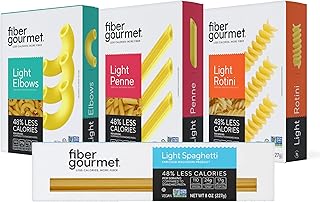
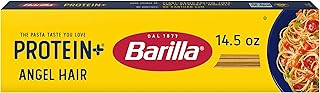
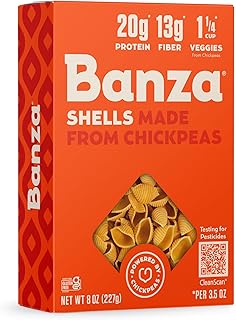
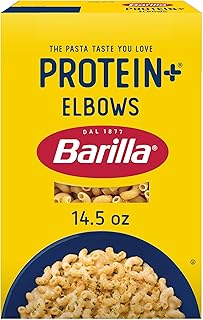
To make a delicious protein mac and cheese, you'll need to gather all the necessary ingredients. Start with your choice of pasta—elbow macaroni is a classic option, but you can also use penne, fusilli, or any other pasta shape you prefer. Next, select your protein source. This could be ground beef, chicken, turkey, or even a plant-based protein like tofu or tempeh. Cheese is, of course, a key ingredient in mac and cheese. For a protein-packed version, consider using a blend of cheeses, such as cheddar, mozzarella, and Parmesan. You'll also need milk—whole, skim, or a non-dairy alternative like almond or soy milk will work. Finally, don't forget the seasonings. Salt, pepper, and garlic powder are essential, but you can also add paprika, onion powder, or even a dash of cayenne pepper for some heat.
Once you've gathered your ingredients, it's time to start cooking. Begin by boiling a large pot of salted water and cooking the pasta according to the package instructions until it's al dente. While the pasta is cooking, prepare your protein. If using ground meat, brown it in a skillet over medium heat, breaking it up into small pieces as it cooks. If using chicken or turkey, cut it into small cubes and sauté it in a little oil until it's cooked through. For tofu or tempeh, press it to remove excess moisture, then crumble it and sauté it in oil until it's lightly browned.
In a separate saucepan, make your cheese sauce. Start by melting a couple of tablespoons of butter over medium heat. Once the butter is melted, whisk in an equal amount of flour to create a roux. Cook the roux for a minute or two, stirring constantly, until it's lightly browned. Then, slowly whisk in the milk, making sure to break up any lumps. Continue cooking and stirring until the sauce thickens. Finally, add your grated cheeses and stir until they're fully melted and the sauce is smooth and creamy.
Now it's time to combine everything. Drain the cooked pasta and add it to the cheese sauce, stirring to coat it evenly. Then, add your cooked protein and mix it in. Taste the mac and cheese and adjust the seasoning as needed. If you like, you can transfer the mixture to a baking dish, top it with some extra grated cheese, and bake it in the oven at 350°F (175°C) for 20-25 minutes, or until the cheese is melted and bubbly.
Serve your protein mac and cheese hot, garnished with some chopped parsley or chives if you like. This hearty, protein-packed dish is perfect for a satisfying meal, and it's easy to customize with your favorite ingredients. Plus, it's a great way to use up leftover pasta and protein, making it a practical and delicious option for any night of the week.
Delicious Quart of Mac and Cheese: Cost Breakdown and Recipe Ideas
You may want to see also
Explore related products


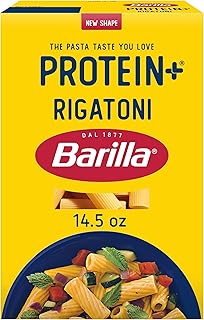
Cooking the Pasta: Boil water, add pasta, cook until al dente, then drain and set aside
To achieve the perfect protein mac and cheese, the pasta must be cooked to al dente perfection. Begin by bringing a large pot of salted water to a rolling boil. The salt is crucial as it enhances the flavor of the pasta. Once the water is boiling, carefully add the pasta, stirring gently to prevent it from sticking together. The type of pasta used can vary, but elbow macaroni is a classic choice for mac and cheese due to its ability to hold onto the sauce.
Cook the pasta according to the package instructions, typically around 8-10 minutes for elbow macaroni. It's important to test the pasta for doneness by biting into a piece; it should be firm to the bite but not hard. Overcooking the pasta will result in a mushy texture, which is undesirable in mac and cheese. As soon as the pasta reaches the desired doneness, drain it in a colander and set it aside.
While the pasta is cooking, prepare the protein component of the dish. This could be anything from cooked chicken to tofu, depending on personal preference. If using meat, ensure it is fully cooked and diced into small pieces. For tofu, press it to remove excess moisture and then crumble it. The protein will be mixed into the cheese sauce later, so it's important to have it ready to go.
The cheese sauce is the heart of any mac and cheese dish. In a saucepan, melt butter over medium heat. Once melted, whisk in flour to create a roux, cooking for about a minute until it's golden brown. Slowly add milk, whisking constantly to prevent lumps. Bring the mixture to a simmer and cook until it thickens, about 5 minutes.
Add shredded cheese to the sauce, stirring until it's fully melted and the sauce is smooth. The type of cheese used can greatly impact the flavor of the dish. A combination of cheddar and mozzarella is a popular choice, but feel free to experiment with other varieties. Once the cheese sauce is ready, mix in the cooked protein and season with salt, pepper, and any other desired spices.
Finally, combine the cooked pasta with the cheese sauce, ensuring that the pasta is evenly coated. Transfer the mixture to a baking dish and top with additional shredded cheese. Bake in a preheated oven at 350°F (175°C) for about 20-25 minutes, or until the top is golden brown and bubbly. Remove from the oven and let it cool for a few minutes before serving. This protein-packed mac and cheese is not only delicious but also a satisfying meal that can be customized to suit any taste preference.
Exploring Popeyes' Mac and Cheese: A Vegetarian's Delight or Dilemma?
You may want to see also
Explore related products


Preparing the Protein: Cook and season the protein (e.g., chicken, beef, or tofu) until fully cooked
To prepare the protein for your mac and cheese, start by selecting your protein of choice—chicken, beef, or tofu are excellent options. For chicken or beef, cut the meat into small, bite-sized pieces to ensure even cooking. If using tofu, press it to remove excess moisture and then cube it. Season the protein with your preferred spices; a simple mix of salt, pepper, and garlic powder works well, but feel free to get creative with additional herbs and spices.
Next, heat a skillet or frying pan over medium-high heat and add a small amount of oil. Once the oil is hot, add the seasoned protein to the pan. Cook the chicken or beef until it is fully browned and cooked through, stirring occasionally to prevent sticking. For tofu, cook until it is lightly browned on all sides, flipping the cubes as needed. This step should take about 5-7 minutes, depending on the protein and the size of the pieces.
While the protein is cooking, prepare the macaroni and cheese according to your preferred recipe or package instructions. Cook the pasta until it is al dente, then drain and set aside. In a separate saucepan, melt butter over medium heat and whisk in flour to create a roux. Gradually add milk, stirring constantly, until the mixture thickens. Add shredded cheese and continue stirring until the cheese is fully melted and the sauce is smooth.
Once the protein is fully cooked, remove it from the pan and set it aside. In the same pan, add the cooked macaroni and cheese sauce. Stir to combine, then add the cooked protein back into the pan. Mix everything together until the protein is evenly distributed throughout the mac and cheese.
For an extra burst of flavor, consider adding additional seasonings or toppings. Some popular options include chopped parsley, grated Parmesan cheese, or a sprinkle of paprika. Serve your protein mac and cheese hot and enjoy!
Exploring the Size and Satisfaction of a Quart of Mac and Cheese
You may want to see also
Explore related products
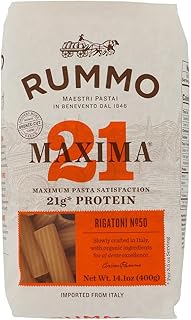


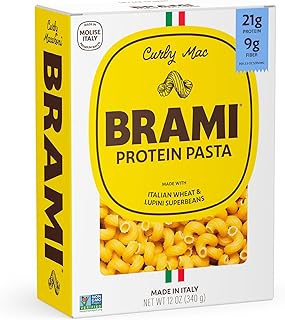

Making the Cheese Sauce: Melt butter, add flour, whisk in milk, and stir until sauce thickens. Add shredded cheese
To create a rich and creamy cheese sauce for your protein mac and cheese, begin by melting 2 tablespoons of unsalted butter in a medium saucepan over medium heat. Once the butter is fully melted and starts to foam slightly, add 2 tablespoons of all-purpose flour and whisk continuously for about 1 minute to form a smooth paste, known as a roux. This step is crucial as it helps to thicken the sauce and gives it a velvety texture.
Gradually whisk in 1 cup of milk, ensuring that there are no lumps in the mixture. Continue to cook and stir the sauce for about 3-4 minutes, or until it has thickened to your desired consistency. The key here is patience; allowing the sauce to simmer gently will help it reach the perfect thickness without burning or sticking to the bottom of the pan.
Once the sauce has thickened, it's time to add the cheese. Start by adding 1 cup of shredded cheddar cheese, stirring gently until it's fully melted and incorporated into the sauce. You can then add additional types of cheese, such as mozzarella or Monterey Jack, to enhance the flavor and texture. Remember to add the cheese gradually and stir well between each addition to ensure a smooth and even sauce.
For an extra boost of protein, consider adding some Greek yogurt or cottage cheese to the sauce. This will not only increase the nutritional value but also add a tangy flavor and creamy texture. Simply stir in 1/4 cup of Greek yogurt or cottage cheese until well combined with the cheese sauce.
To take your protein mac and cheese to the next level, you can also experiment with different seasonings and spices. Try adding a pinch of smoked paprika, cayenne pepper, or garlic powder to give the sauce a kick. You can also incorporate some fresh herbs, such as parsley or chives, for a burst of freshness.
Finally, when serving your protein mac and cheese, consider topping it with some crunchy elements, such as toasted breadcrumbs or crushed nuts, to add a satisfying texture contrast. This will not only enhance the overall eating experience but also provide an additional source of protein and healthy fats.
Creamy Oat Milk Mac and Cheese: A Dairy-Free Delight
You may want to see also
Explore related products


Combining and Serving: Mix cooked pasta, protein, and cheese sauce. Serve hot, garnished with herbs if desired
Once the pasta, protein, and cheese sauce are cooked to perfection, it's time to combine them into a delicious, hearty meal. Start by draining the pasta, ensuring that a small amount of the pasta water is reserved. This water can be used to adjust the consistency of the cheese sauce if needed. Next, add the cooked protein to the pasta, stirring gently to distribute it evenly.
Now, pour the cheese sauce over the pasta and protein mixture. If the sauce seems too thick, add a bit of the reserved pasta water to achieve the desired consistency. Stir everything together until the pasta, protein, and sauce are well combined. Be careful not to overmix, as this can cause the pasta to become mushy.
To elevate the dish, consider adding some fresh herbs as a garnish. Chopped parsley, chives, or basil can add a burst of flavor and a pop of color to the protein mac and cheese. You can also sprinkle some grated Parmesan cheese on top for an extra layer of richness.
Finally, serve the protein mac and cheese hot. This dish is best enjoyed fresh, as the cheese sauce can start to solidify as it cools. If you're serving a crowd, consider keeping the mac and cheese warm in a slow cooker or chafing dish to ensure that everyone gets to enjoy it at its best.
Savor the Best: Top Spots for Lobster Mac and Cheese
You may want to see also
Frequently asked questions
Elbow macaroni is a classic choice for mac and cheese due to its shape, which holds onto the cheese sauce well. However, you can also use other types of pasta such as penne, rotini, or fusilli if you prefer.
There are several ways to add protein to mac and cheese. You can mix in cooked ground beef, turkey, or sausage. Alternatively, you can add diced chicken, tuna, or even plant-based protein options like tofu or tempeh.
The best cheese for mac and cheese is typically a combination of cheeses that melt well and have a good flavor. Cheddar cheese is a must, but you can also add mozzarella, Monterey Jack, or Gruyère for extra depth of flavor.
Yes, you can make protein mac and cheese in advance. Simply prepare the dish as instructed, then transfer it to an airtight container and refrigerate for up to 3-4 days. When you're ready to serve, reheat it in the oven or on the stovetop until it's heated through.