Andy Montoya
Feta cheese is a brined curd white cheese made in Greece from sheep's milk or from a mixture of sheep and goat's milk. It is known for its crumbly texture and tangy, salty flavor, which comes from the brine solution in which it is stored. Feta cheese is often used in Greek cuisine, such as in salads, pastries, and as a topping for various dishes. It is also a popular ingredient in Mediterranean and Middle Eastern cuisines. The cheese is typically sold in blocks or crumbled, and it can be enjoyed on its own or paired with other foods like olives, tomatoes, and bread.
Explore related products
![Traditional Feta Chunk has a rich, creamy texture and bold, tangy taste that elevates any dish. Inspired by Greek tradition, it’s made with fresh, simple ingredients for authentic flavor. Crumble it over salads, tuck it into wraps, or serve it on a cheeseboard—this versatile cheese adds a Mediterranean twist to your favorite foods. It’s a delicious way to bring depth and character to everyday meals or special recipes. [ 32 oz , 2 lb ]](https://m.media-amazon.com/images/I/51MZ2OhOE-L._AC_UL320_.jpg)

![Crumbled Traditional Feta Cheese , delivers a deliciously creamy, tangy flavor inspired by Greek tradition. Made with fresh, simple ingredients, this feta is easy to sprinkle over your favorite dishes—from salads and wraps to pastas and grain bowls. Add a flavorful twist to everyday meals with ease. Conveniently packaged in a resealable tub . [16 oz . 1 poubd ]](https://m.media-amazon.com/images/I/51PwpPkU-oL._AC_UL320_.jpg)


What You'll Learn

Ingredients: Milk, salt, rennet, bacteria cultures
Feta cheese is a popular dairy product known for its tangy flavor and crumbly texture. The key ingredients that contribute to its unique characteristics are milk, salt, rennet, and bacteria cultures. Milk serves as the primary base for feta cheese, providing the necessary nutrients and proteins for the cheese-making process. Salt is added to enhance the flavor and help preserve the cheese, while rennet is an enzyme that aids in the coagulation of the milk, separating it into curds and whey. Bacteria cultures are also essential, as they ferment the curds and contribute to the development of feta's distinct tangy taste.
The process of making feta cheese begins with the pasteurization of milk to eliminate any harmful bacteria. Once the milk is cooled, rennet is added, and the mixture is left to coagulate for a period of time. The curds are then cut into small pieces and transferred to a mold, where they are pressed to remove excess whey. After the cheese has been molded, it is submerged in a brine solution containing salt and water, which helps to preserve the cheese and enhance its flavor. The cheese is then left to age for several weeks, during which time the bacteria cultures ferment the curds, producing lactic acid and contributing to the development of feta's characteristic tangy taste.
The specific bacteria cultures used in feta cheese production can vary, but they typically include a combination of mesophilic and thermophilic bacteria. Mesophilic bacteria thrive at moderate temperatures and are responsible for the initial fermentation of the curds, while thermophilic bacteria can withstand higher temperatures and contribute to the further development of the cheese's flavor and texture. The aging process for feta cheese can range from a few weeks to several months, depending on the desired level of tanginess and crumbly texture.
In addition to its unique flavor and texture, feta cheese is also known for its nutritional benefits. It is a good source of protein, calcium, and vitamins B12 and K2. However, it is also relatively high in sodium and saturated fat, so it should be consumed in moderation as part of a balanced diet. Feta cheese can be enjoyed on its own, crumbled over salads or pasta dishes, or used as a flavorful ingredient in a variety of recipes.
Exploring the Nutritional Benefits and Drawbacks of Feta Cheese
You may want to see also
Explore related products


Nutritional Facts: High in protein, calcium, sodium; low in calories
Feta cheese is a nutritional powerhouse, offering a range of essential nutrients that contribute to a balanced diet. One of its standout features is its high protein content. Protein is vital for muscle repair and growth, and feta cheese provides a significant amount per serving, making it an excellent choice for those looking to increase their protein intake.
In addition to protein, feta cheese is also rich in calcium. Calcium is crucial for maintaining strong bones and teeth, and it plays a role in muscle function and nerve transmission. Consuming feta cheese can help meet daily calcium requirements, which is particularly important for individuals at risk of calcium deficiency, such as older adults and those with lactose intolerance.
However, it's essential to note that feta cheese is also high in sodium. Sodium is necessary for maintaining fluid balance and nerve function, but excessive intake can lead to high blood pressure and other health issues. Therefore, it's crucial to consume feta cheese in moderation as part of a balanced diet.
Despite its high nutrient content, feta cheese is relatively low in calories. This makes it an attractive option for those watching their calorie intake or trying to manage their weight. Incorporating feta cheese into meals can provide a satisfying, flavorful component without significantly increasing overall calorie consumption.
When considering the nutritional facts of feta cheese, it's also important to think about portion sizes. A typical serving of feta cheese is about one ounce, which provides a good balance of nutrients without excessive calorie or sodium intake. It's also worth noting that feta cheese can be a versatile ingredient, adding flavor and nutrition to a variety of dishes, from salads to omelets to pasta.
In summary, feta cheese is a nutrient-dense food that offers high amounts of protein and calcium, along with a low calorie count. However, its high sodium content should be considered when planning a balanced diet. By consuming feta cheese in moderation and being mindful of portion sizes, individuals can enjoy its nutritional benefits while minimizing potential health risks.
Feta Cheese Storage: Refrigeration Essentials for Optimal Freshness
You may want to see also
Explore related products





Production Process: Coagulation, curdling, salting, aging in brine
Feta cheese undergoes a meticulous production process that involves several key stages, each contributing to its distinctive flavor and texture. The process begins with coagulation, where milk is treated with rennet or a microbial coagulant to form curds. This step is crucial as it determines the cheese's final texture and ability to hold its shape.
Following coagulation, the curds are cut into smaller pieces and then stirred gently to release excess whey. This curdling process helps in expelling more whey and firming up the curds further. The curds are then salted, either by sprinkling salt on top or by brining them in a saltwater solution. Salting not only enhances the flavor but also acts as a preservative, inhibiting bacterial growth.
The final stage involves aging the cheese in brine, where it is submerged in a saltwater solution for several weeks to months. During this time, the cheese undergoes a transformation as enzymes break down the proteins and fats, leading to the development of its characteristic tangy flavor and crumbly texture. The brine solution is changed periodically to ensure the cheese ages evenly and absorbs the right amount of salt.
Throughout the production process, careful monitoring and control of temperature, pH levels, and salt concentrations are essential to ensure the quality and consistency of the final product. Feta cheese made using traditional methods often has a more complex flavor profile and better texture compared to mass-produced varieties.
Feta Cheese During Pregnancy: Safe or Unsafe?
You may want to see also
Explore related products


![Feta Crumbles, have a firm texture and salty flavor that brings out the best any dish. It is the perfect spruce up to any gathering. Pair with your favorite wine, beer or salad. [ 22 oz, 1.3 lb ]](https://m.media-amazon.com/images/I/51RtUvD6FSL._AC_UL320_.jpg)
Types of Feta: Greek, Bulgarian, French, Danish varieties
Feta cheese, a staple in Mediterranean cuisine, comes in various types that differ based on their country of origin and production methods. Greek feta, perhaps the most well-known variety, is made from sheep's milk or a mixture of sheep and goat's milk. It is characterized by its crumbly texture and tangy, salty flavor. Greek feta is often used in salads, pastries, and as a table cheese.
Bulgarian feta, on the other hand, is typically made from sheep's milk and has a slightly milder flavor compared to Greek feta. It is often sold in brine and has a firmer texture. Bulgarian feta is commonly used in traditional dishes such as shopska salad and as a topping for various appetizers.
French feta, also known as "feta française," is made from goat's milk and has a creamy, smooth texture with a mild, tangy flavor. It is often used in salads, on sandwiches, and as a spread. French feta is less salty than its Greek counterpart and is favored for its delicate taste.
Danish feta, or "dansk feta," is another variety made from goat's milk. It has a soft, creamy texture and a mild, slightly sweet flavor. Danish feta is often used in sandwiches, salads, and as a dessert cheese. It is less crumbly than Greek feta and has a smoother consistency.
Each type of feta cheese brings its unique characteristics to the table, making them versatile ingredients in various culinary applications. Whether you prefer the tangy, crumbly texture of Greek feta or the creamy, mild flavor of Danish feta, there is a variety to suit every palate.
Exploring Dairy: The Casein Content in Feta Cheese
You may want to see also
Explore related products
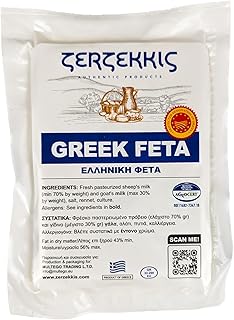


Culinary Uses: Salads, pizzas, pastries, marinades, dips
Feta cheese, with its tangy and salty flavor, is a versatile ingredient that can elevate a variety of dishes. One of its most popular uses is in salads, where it adds a creamy texture and a burst of flavor. Greek salads, in particular, are known for their generous chunks of feta, which pair beautifully with fresh tomatoes, cucumbers, and olives. For a unique twist, you can also crumble feta over a Caprese salad to add a salty contrast to the sweet mozzarella and basil.
In addition to salads, feta cheese is a delicious topping for pizzas. Its crumbly texture and sharp flavor can cut through the richness of the cheese and sauce, adding depth to the overall taste. Feta is often used in Mediterranean-style pizzas, where it's combined with ingredients like sun-dried tomatoes, artichokes, and olives. For a more adventurous option, you can try a feta and fig pizza, where the sweetness of the figs complements the saltiness of the cheese.
Feta cheese is also a popular ingredient in pastries, particularly in savory pies and quiches. Its tangy flavor can balance out the richness of the eggs and cream, while its crumbly texture adds a pleasant mouthfeel. Spanakopita, a Greek spinach pie, is a classic example of this, where feta is mixed with spinach and eggs to create a flavorful filling. Feta can also be used in sweet pastries, such as baklava, where it's layered with phyllo dough and honey to create a decadent dessert.
Marinades and dips are another area where feta cheese shines. Its strong flavor can infuse oils and vinegars with a tangy taste, making it perfect for marinating meats and vegetables. Feta can also be blended into dips, such as tzatziki, to add a creamy texture and a burst of flavor. For a simple yet delicious appetizer, you can mix crumbled feta with olive oil, lemon juice, and herbs to create a flavorful dip for bread or crackers.
When using feta cheese in these culinary applications, it's important to consider its strong flavor and crumbly texture. A little goes a long way, so it's best to use it sparingly to avoid overpowering the other ingredients in the dish. Additionally, feta can be quite salty, so it's a good idea to taste the dish as you go and adjust the seasoning accordingly. With these tips in mind, you can experiment with feta cheese in a variety of dishes to add a unique and delicious flavor.
Exploring the Vegetarian Status of Feta Cheese: A Comprehensive Guide
You may want to see also
Frequently asked questions
Feta cheese is primarily made from sheep's milk or a mixture of sheep and goat's milk. It also contains salt, calcium chloride, and microbial cultures which aid in the fermentation process.
Yes, feta cheese is generally suitable for vegetarians as it does not contain any meat products. However, it's important to check the specific brand or type, as some may use animal-derived rennet during the production process.
Feta cheese is a good source of protein, calcium, and vitamins B12 and K2. It also contains a moderate amount of fat and calories. However, it is high in sodium, so it should be consumed in moderation, especially for those on a low-sodium diet.