Kamil Perry
Feta cheese, a popular choice for its tangy flavor and crumbly texture, often raises questions about its storage requirements. Contrary to some beliefs, feta cheese does need to be refrigerated to maintain its freshness and prevent spoilage. This is because feta is a perishable dairy product that can harbor harmful bacteria if left at room temperature for extended periods. Proper refrigeration helps to slow down the growth of these bacteria, ensuring that the cheese remains safe to eat and retains its quality. In this article, we will delve into the specifics of feta cheese storage, including the ideal temperature and conditions for refrigeration, as well as tips for extending its shelf life.
Explore related products


$27.17 $30.22

$13.99


What You'll Learn
- Storage Temperature: Feta cheese should be stored in the refrigerator to maintain freshness and prevent spoilage
- Expiration Date: Check the expiration date on the packaging to determine how long the feta cheese can be stored
- Opened vs. Unopened: Opened feta cheese should be refrigerated and consumed within a week, while unopened packages can last longer
- Proper Storage Method: Store feta cheese in the coldest part of the refrigerator, ideally in a cheese drawer or tightly sealed container
- Freezing Feta Cheese: Feta cheese can be frozen for longer storage, but it may affect the texture and flavor. Thaw in the refrigerator before use

Storage Temperature: Feta cheese should be stored in the refrigerator to maintain freshness and prevent spoilage
Feta cheese, a brined curd white cheese made in Greece, is known for its crumbly texture and tangy flavor. To maintain its freshness and prevent spoilage, it is crucial to store feta cheese in the refrigerator. The ideal storage temperature for feta cheese is between 35°F and 40°F (1.6°C and 4.4°C). Storing feta cheese at this temperature range helps to slow down the growth of bacteria and mold, which can cause the cheese to spoil.
When storing feta cheese in the refrigerator, it is important to keep it in its original container or wrap it tightly in plastic wrap or aluminum foil to prevent it from drying out. Feta cheese should also be stored away from strong-smelling foods, as it can absorb odors easily. Additionally, it is recommended to consume feta cheese within 2-3 weeks of purchase for the best quality and flavor.
If feta cheese is not stored properly, it can lead to spoilage, which can be identified by a sour smell, slimy texture, or the presence of mold. Consuming spoiled feta cheese can cause foodborne illnesses, so it is important to discard any cheese that shows signs of spoilage.
In summary, storing feta cheese in the refrigerator at the proper temperature and in the right packaging is essential for maintaining its freshness and preventing spoilage. By following these storage guidelines, you can enjoy the delicious taste and texture of feta cheese for an extended period.
Feta Cheese During Pregnancy: Safe or Unsafe?
You may want to see also
Explore related products


Expiration Date: Check the expiration date on the packaging to determine how long the feta cheese can be stored
Feta cheese, like many dairy products, comes with an expiration date that indicates its shelf life. This date is crucial for determining how long the cheese can be safely stored and consumed. It's important to note that the expiration date is not the same as the "best by" date; the former is a strict deadline for safe consumption, while the latter suggests the period during which the product is at its peak quality.
To properly store feta cheese, it's essential to keep it refrigerated at all times. The ideal temperature range for storing feta is between 35°F and 40°F (1.6°C and 4.4°C). If the cheese is not stored at the correct temperature, it can spoil quickly, even before the expiration date. Therefore, always check the expiration date on the packaging and ensure that the cheese is consumed before this date to avoid any potential health risks.
When it comes to storing feta cheese after opening, it's recommended to wrap it tightly in plastic wrap or aluminum foil to prevent it from drying out or absorbing odors from other foods in the refrigerator. Additionally, placing the wrapped cheese in an airtight container can provide an extra layer of protection against spoilage.
It's also worth noting that feta cheese can be frozen for longer-term storage. To freeze feta, wrap it tightly in plastic wrap, followed by a layer of aluminum foil, and place it in a freezer-safe bag or container. Frozen feta can be stored for up to three months. However, when thawing frozen feta, it's important to do so slowly in the refrigerator to prevent the formation of ice crystals, which can affect the cheese's texture and flavor.
In summary, the expiration date on feta cheese packaging is a critical indicator of its shelf life. Proper storage, including refrigeration and wrapping techniques, can help extend the cheese's freshness and prevent spoilage. By following these guidelines, you can ensure that your feta cheese remains safe and enjoyable to consume.
Mastering the Art of Freezing Feta Cheese: A Comprehensive Guide
You may want to see also
Explore related products


Opened vs. Unopened: Opened feta cheese should be refrigerated and consumed within a week, while unopened packages can last longer
Once opened, feta cheese becomes susceptible to bacterial growth and spoilage, necessitating prompt refrigeration to maintain its quality and safety. The exposure to air and potential contaminants during opening accelerates the deterioration process, making it crucial to store the cheese in the refrigerator and consume it within a week. This timeframe ensures that the cheese remains at its optimal flavor and texture while minimizing the risk of foodborne illness.
In contrast, unopened packages of feta cheese have a significantly longer shelf life due to the protective vacuum-sealed packaging that prevents bacterial contamination. These packages can typically last for several weeks or even months when stored properly in the refrigerator. However, it's essential to check the expiration date on the packaging and adhere to the manufacturer's guidelines for storage and consumption.
When storing opened feta cheese, it's important to wrap it tightly in plastic wrap or aluminum foil to minimize exposure to air and prevent drying out. Alternatively, you can store it in an airtight container. For unopened packages, keep them in the refrigerator's crisper drawer, which maintains a consistent temperature and humidity level ideal for preserving the cheese's quality.
In summary, the key difference between opened and unopened feta cheese lies in their exposure to air and contaminants. Opened cheese requires immediate refrigeration and consumption within a week, while unopened packages can last longer when stored properly. By following these guidelines, you can ensure that your feta cheese remains fresh, flavorful, and safe to eat.
The Ultimate Guide to Storing Feta Cheese Blocks
You may want to see also
Explore related products


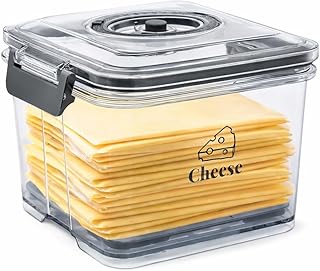
Proper Storage Method: Store feta cheese in the coldest part of the refrigerator, ideally in a cheese drawer or tightly sealed container
Storing feta cheese properly is crucial to maintaining its freshness and preventing spoilage. The coldest part of the refrigerator is ideal for this purpose, as it helps to slow down the growth of bacteria and mold that can cause the cheese to deteriorate. A cheese drawer is particularly beneficial, as it provides a controlled environment with the right level of humidity and temperature. If a cheese drawer is not available, a tightly sealed container can also be used to store feta cheese. This container should be placed in the coldest part of the refrigerator, ideally in the back of the bottom shelf, where the temperature is most consistent.
When storing feta cheese, it is important to avoid exposing it to air for extended periods, as this can cause it to dry out and lose its flavor. The cheese should be wrapped tightly in plastic wrap or aluminum foil before being placed in the container or cheese drawer. It is also a good idea to label the container or wrap with the date of storage, so that you can keep track of how long the cheese has been in the refrigerator. Feta cheese can be stored in the refrigerator for up to two weeks, but it is best to consume it within a week for optimal freshness and flavor.
In addition to proper storage, it is also important to handle feta cheese carefully to prevent contamination. Always wash your hands before handling the cheese, and use clean utensils to cut or serve it. If you notice any signs of spoilage, such as mold or an off odor, it is best to discard the cheese immediately to avoid the risk of foodborne illness. By following these storage and handling guidelines, you can enjoy the delicious taste and texture of feta cheese while minimizing the risk of spoilage and contamination.
The Shelf Life of Feta Cheese: Does It Really Expire?
You may want to see also
Explore related products





Freezing Feta Cheese: Feta cheese can be frozen for longer storage, but it may affect the texture and flavor. Thaw in the refrigerator before use
Feta cheese, a staple in many Mediterranean dishes, is known for its crumbly texture and tangy flavor. While it's commonly stored in the refrigerator to maintain freshness, freezing feta cheese is an option for longer-term storage. However, it's important to note that freezing can alter the cheese's texture and flavor profile.
When freezing feta cheese, it's crucial to wrap it tightly in plastic wrap or aluminum foil to prevent freezer burn and absorbency of other odors. Place the wrapped cheese in a freezer-safe bag or container and store it in the freezer for up to three months. Thawing frozen feta cheese should be done slowly in the refrigerator to allow the cheese to regain its original texture and flavor.
It's worth noting that the freezing process can cause feta cheese to become more crumbly and dry, which may affect its suitability for certain recipes. Additionally, the flavor may become slightly milder after freezing. Therefore, it's best to use frozen feta cheese in dishes where the texture and flavor are not critical, such as in salads or as a topping for pizzas.
In summary, while freezing feta cheese is a viable option for longer storage, it's essential to be aware of the potential changes in texture and flavor. Proper wrapping and thawing techniques can help maintain the cheese's quality, but it's important to consider the impact of freezing on the final dish.
Mastering the Art of Crumbling Feta Cheese: Tips and Tricks
You may want to see also
Frequently asked questions
Yes, feta cheese should be refrigerated to maintain its freshness and prevent spoilage.
Feta cheese can typically be stored in the refrigerator for up to two weeks.
Signs that feta cheese has gone bad include a strong, unpleasant odor, mold growth, and a slimy or dry texture.
Yes, feta cheese can be frozen for longer-term storage. It's best to wrap it tightly in plastic wrap or aluminum foil before freezing.
Feta cheese should be thawed in the refrigerator overnight or at room temperature for a few hours. It's important to avoid thawing it in warm water or a microwave, as this can affect its texture and flavor.