Kamil Perry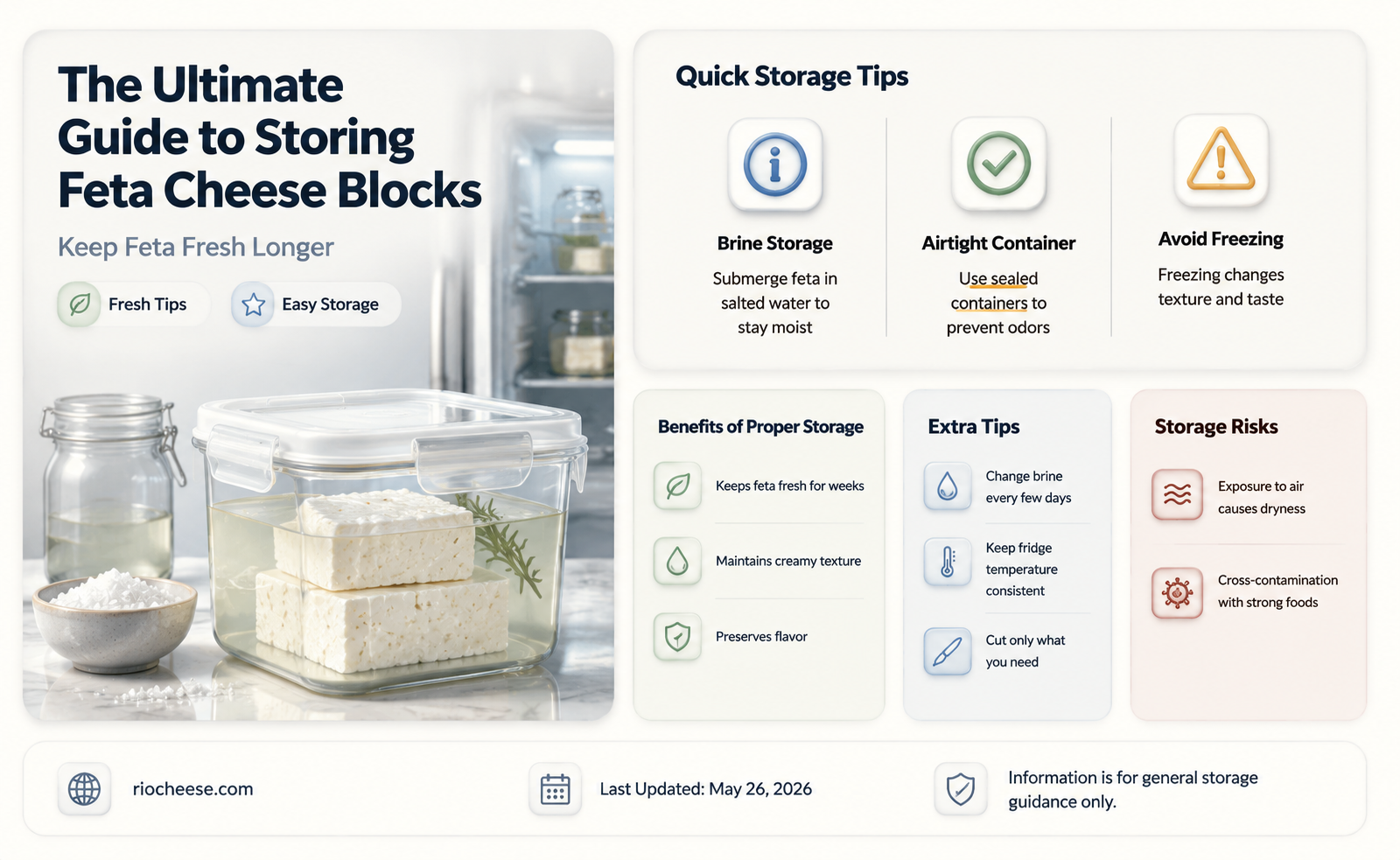
Storing feta cheese properly is essential to maintain its freshness and flavor. Feta cheese blocks should be kept in the refrigerator, ideally in the crisper drawer where the humidity is higher. It's best to wrap the feta cheese block tightly in plastic wrap or aluminum foil to prevent it from drying out or absorbing odors from other foods. If you have a vacuum sealer, that's an excellent option for long-term storage. Feta cheese can also be stored in a brine solution, which helps to keep it moist and flavorful. To make a brine, mix salt, water, and a bit of sugar, and submerge the feta cheese block in the solution. Change the brine every few days to ensure the cheese stays fresh. Properly stored, feta cheese can last for several weeks in the refrigerator.
Explore related products

$11.72 $16.99


What You'll Learn
- Refrigeration: Store feta cheese block in the refrigerator to keep it fresh and prevent spoilage
- Air-tight Container: Use an air-tight container to store feta cheese block, ensuring it's well-sealed to maintain freshness
- Brine Solution: Store feta cheese block in a brine solution to keep it moist and flavorful
- Temperature: Keep feta cheese block at a consistent temperature between 35°F and 40°F for optimal storage
- Expiration Date: Check the expiration date on the feta cheese block packaging and consume it before that date for best quality

Refrigeration: Store feta cheese block in the refrigerator to keep it fresh and prevent spoilage
Storing feta cheese block in the refrigerator is crucial for maintaining its freshness and preventing spoilage. The ideal temperature range for refrigerating feta cheese is between 35°F and 40°F (1.6°C and 4.4°C). It's important to ensure that the cheese is not exposed to temperatures above 40°F (4.4°C) for extended periods, as this can lead to the growth of harmful bacteria and mold.
When storing feta cheese block in the refrigerator, it's essential to wrap it properly to prevent it from drying out or absorbing odors from other foods. The best way to wrap feta cheese is to use a combination of plastic wrap and aluminum foil. First, wrap the cheese tightly in plastic wrap, making sure to cover all surfaces. Then, wrap the plastic-wrapped cheese in a layer of aluminum foil. This double-wrapping method helps to maintain the cheese's moisture and flavor.
It's also important to store feta cheese block in the right part of the refrigerator. The coldest part of the refrigerator is usually the bottom shelf, so this is the best place to store feta cheese. Avoid storing the cheese in the door shelves, as these are subject to more temperature fluctuations and can cause the cheese to spoil more quickly.
Another tip for storing feta cheese block is to keep it away from strong-smelling foods. Feta cheese can absorb odors easily, so it's best to store it in a separate container or on a separate shelf from foods like onions, garlic, or fish. This will help to preserve the cheese's delicate flavor.
Finally, it's important to check the expiration date on the feta cheese block before storing it. If the cheese is already past its expiration date, it's best to discard it rather than trying to store it. Storing expired cheese can lead to foodborne illness, so it's always better to err on the side of caution.
Exploring the Carb Content in Feta Cheese: A Nutritional Breakdown
You may want to see also
Explore related products


Air-tight Container: Use an air-tight container to store feta cheese block, ensuring it's well-sealed to maintain freshness
Storing feta cheese in an airtight container is crucial for maintaining its freshness and preventing it from drying out or absorbing odors from other foods in the refrigerator. When selecting an airtight container for feta cheese, it's important to choose one that is made of a non-reactive material, such as glass or food-grade plastic, to avoid any potential chemical reactions that could affect the cheese's flavor or texture. Additionally, the container should have a tight-fitting lid that creates a seal when closed, which will help to keep air out and moisture in.
Before placing the feta cheese in the container, it's a good idea to wrap it in a piece of parchment paper or wax paper to provide an extra layer of protection against air and moisture. This will also make it easier to remove the cheese from the container without sticking. If the feta cheese is particularly crumbly or has a strong odor, you may want to double-wrap it or use a container with a built-in seal to ensure that it stays fresh and doesn't contaminate other foods in the refrigerator.
When storing feta cheese in an airtight container, it's important to keep it in the coldest part of the refrigerator, typically the bottom shelf, to maintain a consistent temperature and prevent the cheese from spoiling. It's also a good idea to label the container with the date that the cheese was purchased or opened, so that you can keep track of how long it has been stored and when it needs to be used by.
In terms of how long feta cheese can be stored in an airtight container, it generally depends on the type of feta cheese and how it was packaged. If the feta cheese was purchased in a sealed container, it can typically be stored for up to 2-3 weeks in the refrigerator. However, if the feta cheese was purchased in bulk or was not sealed properly, it may need to be used within a week or two to ensure that it stays fresh and safe to eat.
Overall, using an airtight container to store feta cheese is a simple and effective way to maintain its freshness and prevent it from spoiling. By following these tips and guidelines, you can enjoy your feta cheese for a longer period of time and reduce the risk of food waste.
Exploring the Salty Side of Feta Cheese: A Flavorful Journey
You may want to see also
Explore related products


Brine Solution: Store feta cheese block in a brine solution to keep it moist and flavorful
Storing feta cheese in a brine solution is an effective method to maintain its moisture and enhance its flavor. Brine, a mixture of water and salt, creates an environment that helps to preserve the cheese while also allowing it to absorb additional flavors. To prepare the brine, combine 1 quart of water with 1/4 cup of kosher salt, stirring until the salt is fully dissolved. You can also add herbs such as thyme or rosemary, or spices like garlic or peppercorns, to infuse the brine with extra flavor.
Once the brine is prepared, place the feta cheese block in a container that is large enough to fully submerge the cheese. Pour the brine over the cheese, ensuring that it is completely covered. Seal the container and refrigerate it for at least 24 hours before consuming the cheese. The longer the cheese remains in the brine, the more flavorful it will become. However, it is important to change the brine every few days to prevent the growth of bacteria.
When storing feta cheese in brine, it is crucial to use a non-reactive container, such as glass or stainless steel, to avoid any chemical reactions that could affect the taste of the cheese. Additionally, be sure to keep the container away from direct sunlight and heat sources, as these can cause the cheese to spoil more quickly.
One of the benefits of storing feta cheese in brine is that it allows the cheese to retain its crumbly texture while also becoming more moist. This makes it ideal for use in salads, sandwiches, or as a topping for various dishes. Furthermore, the brine can be reused to store other types of cheese or even to cure meats, making it a versatile and cost-effective storage solution.
In conclusion, storing feta cheese in a brine solution is a simple and effective way to keep the cheese moist and flavorful. By following these steps and tips, you can enjoy delicious, well-preserved feta cheese for an extended period of time.
Exploring the Gluten Content in Feta Cheese: A Comprehensive Guide
You may want to see also
Explore related products


Temperature: Keep feta cheese block at a consistent temperature between 35°F and 40°F for optimal storage
Maintaining the ideal temperature range for feta cheese block storage is crucial to preserving its quality and safety. The recommended temperature window of 35°F to 40°F is not arbitrary; it is based on the optimal conditions that inhibit bacterial growth while also preventing the cheese from drying out or developing off-flavors.
To achieve this consistent temperature, it is advisable to store feta cheese blocks in the refrigerator, specifically in the crisper drawer where humidity levels are higher. This helps to maintain the cheese's moisture content and prevents it from becoming too dry. If your refrigerator does not have a crisper drawer, you can create a makeshift one by placing the cheese in a sealed plastic bag and then storing it in the main compartment of the fridge.
It is important to note that temperature fluctuations can occur within a refrigerator, especially when the door is opened and closed frequently. Therefore, it is best to store feta cheese blocks away from the door and towards the back of the fridge where the temperature is more stable. Additionally, avoid storing the cheese near strong-smelling foods, as feta can absorb odors easily.
For those who live in areas with frequent power outages or unreliable refrigeration, it is worth considering alternative storage methods. One option is to use a cooler with ice packs to keep the cheese at the desired temperature. However, this method requires more frequent monitoring and may not be as effective in maintaining a consistent temperature over an extended period.
In conclusion, keeping feta cheese blocks at a consistent temperature between 35°F and 40°F is essential for optimal storage. By following these guidelines and being mindful of potential temperature fluctuations, you can help to ensure that your feta cheese remains fresh, safe, and flavorful for as long as possible.
Mastering the Art of Crumbling Feta Cheese: Tips and Tricks
You may want to see also
Explore related products


Expiration Date: Check the expiration date on the feta cheese block packaging and consume it before that date for best quality
Feta cheese, like many perishable food items, comes with an expiration date that is crucial for ensuring its quality and safety. The expiration date is typically printed on the packaging of the feta cheese block, and it is important to consume the cheese before this date to enjoy its best flavor and texture.
When storing feta cheese, it is essential to keep it refrigerated at all times. The ideal temperature for storing feta cheese is between 35°F and 40°F (1.6°C and 4.4°C). If the cheese is not stored at the proper temperature, it can spoil quickly, even before the expiration date. In addition to refrigeration, it is important to keep the cheese away from strong odors, as feta cheese can absorb these odors easily.
Once the feta cheese block has been opened, it is important to wrap it tightly in plastic wrap or aluminum foil to prevent it from drying out. The cheese should be consumed within a week of opening for best quality. If the cheese starts to smell off or shows signs of mold, it should be discarded immediately, regardless of the expiration date.
In summary, checking the expiration date on the feta cheese block packaging and consuming it before that date is essential for enjoying its best quality. Proper storage, including refrigeration and wrapping, can help extend the life of the cheese and ensure that it remains safe and delicious to eat.
Exploring the Kosher Status of Feta Cheese: A Comprehensive Guide
You may want to see also
Frequently asked questions
Feta cheese should be stored in the refrigerator, ideally in the crisper drawer where the humidity is higher. It should be wrapped tightly in plastic wrap or aluminum foil to prevent it from drying out.
Yes, feta cheese can be frozen. Wrap it tightly in plastic wrap or aluminum foil, then place it in a freezer-safe bag or container. It's best to use frozen feta within 3 months for optimal quality.
The best way to thaw frozen feta cheese is to transfer it from the freezer to the refrigerator and let it thaw overnight. Alternatively, you can thaw it at room temperature for a few hours, but be sure to keep it refrigerated once it's thawed.
When stored properly in the refrigerator, feta cheese can last for about 2 to 4 weeks. If it's frozen, it can last for up to 3 months. Always check the cheese for any signs of spoilage before consuming.