Randy Chandler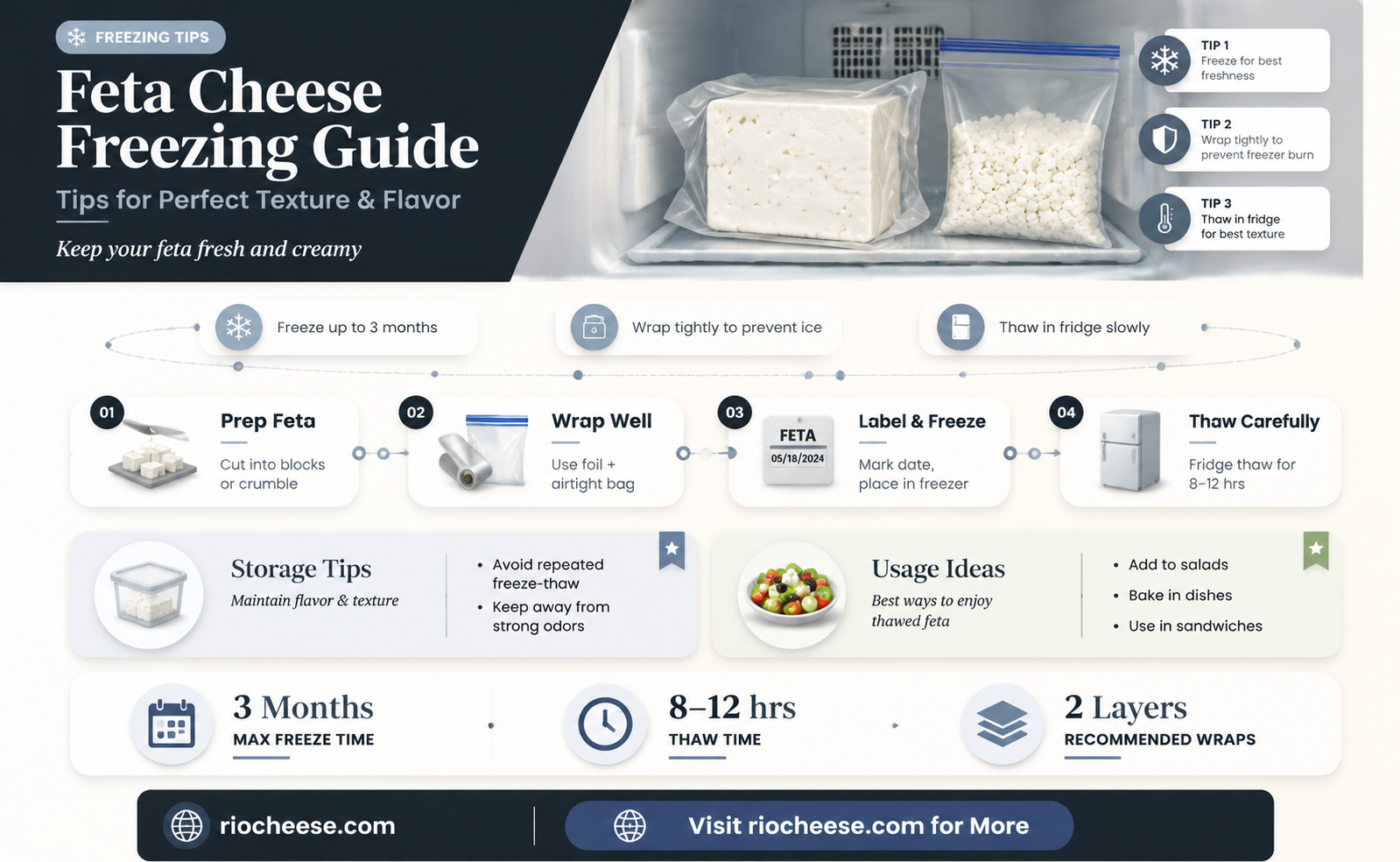
Feta cheese, known for its crumbly texture and tangy flavor, is a versatile ingredient commonly used in Mediterranean cuisine. When it comes to freezing feta cheese, the process can be a bit tricky due to its high moisture content and delicate structure. Freezing can cause feta to become icy and lose its characteristic crumbly texture, resulting in a less desirable consistency. However, with proper preparation and storage techniques, it is possible to freeze feta cheese while minimizing these changes. The key is to drain the cheese thoroughly, wrap it tightly to prevent freezer burn, and thaw it slowly in the refrigerator to maintain its quality and texture.
Explore related products






What You'll Learn
- Freezing Methods: Best practices for freezing feta cheese to maintain quality and texture
- Thawing Process: Safest ways to thaw frozen feta cheese without compromising its taste
- Storage Duration: How long feta cheese can be stored in the freezer before it deteriorates
- Texture Changes: Potential changes in the texture of feta cheese after freezing and thawing
- Usage in Recipes: Incorporating frozen and thawed feta cheese into various dishes effectively

Freezing Methods: Best practices for freezing feta cheese to maintain quality and texture
Feta cheese, with its crumbly texture and tangy flavor, is a versatile ingredient in many cuisines. However, when it comes to freezing feta cheese, there are specific methods that can help maintain its quality and texture. In this guide, we'll explore the best practices for freezing feta cheese, ensuring that it retains its characteristic taste and crumbly consistency even after thawing.
Before freezing feta cheese, it's essential to consider the type of feta you have. There are different varieties of feta cheese, such as Greek feta, Bulgarian feta, and Danish feta, each with its own unique characteristics. Greek feta, for example, is typically made from sheep's milk and has a tangy, salty flavor, while Bulgarian feta is often made from a mixture of sheep's and goat's milk and has a milder taste. Understanding the type of feta you have will help you choose the best freezing method to preserve its specific qualities.
When preparing feta cheese for freezing, it's crucial to ensure that it is properly drained and patted dry. Excess moisture can lead to ice crystal formation during freezing, which can damage the cheese's texture and cause it to become rubbery or grainy. To avoid this, wrap the feta cheese in a clean kitchen towel or paper towels and gently press to remove any excess liquid. Once the cheese is dry, you can proceed with the freezing process.
One effective method for freezing feta cheese is to wrap it tightly in plastic wrap or aluminum foil. This will help prevent freezer burn and protect the cheese from absorbing odors from other foods in the freezer. Alternatively, you can place the feta cheese in an airtight container or freezer bag, making sure to remove as much air as possible before sealing. This method is particularly useful if you plan to freeze the cheese for an extended period, as it provides an extra layer of protection against freezer burn and moisture.
When freezing feta cheese, it's important to consider the temperature of your freezer. Ideally, your freezer should be set at 0°F (-18°C) or below to ensure that the cheese freezes quickly and evenly. If your freezer is not cold enough, the cheese may not freeze properly, leading to a loss of quality and texture. Additionally, it's essential to label and date the cheese before freezing, so you can easily identify it and keep track of how long it has been stored.
In conclusion, freezing feta cheese can be a convenient way to preserve its freshness and flavor. By following these best practices, you can ensure that your feta cheese retains its quality and texture even after thawing. Remember to consider the type of feta you have, properly drain and dry the cheese, wrap it tightly or place it in an airtight container, and store it in a cold freezer. With these steps, you can enjoy your feta cheese for months to come.
Exploring the Gluten Content in Feta Cheese: A Comprehensive Guide
You may want to see also
Explore related products




Thawing Process: Safest ways to thaw frozen feta cheese without compromising its taste
To thaw frozen feta cheese safely and preserve its taste, it's crucial to avoid sudden temperature changes that could alter its texture and flavor. The refrigerator thawing method is the most recommended, as it allows the cheese to thaw slowly and evenly. Simply transfer the frozen feta from the freezer to the refrigerator and let it thaw for several hours or overnight. This method ensures that the cheese remains at a consistent, safe temperature throughout the thawing process.
Another effective method is thawing in cold water. This technique is faster than refrigerator thawing but requires more attention. Submerge the frozen feta in a bowl of cold water, changing the water every 30 minutes to maintain a consistent temperature. This method can take about an hour, depending on the size of the cheese block. It's important to keep the water cold to prevent the cheese from starting to melt and potentially spoiling.
Microwave thawing is a quick option but can be risky if not done correctly. Place the frozen feta on a microwave-safe plate and use the defrost setting, checking the cheese every 10-15 seconds to ensure it doesn't start to melt. The key is to thaw the cheese just enough to make it pliable, not to cook it. Overheating can cause the cheese to lose its crumbly texture and become rubbery.
Regardless of the method chosen, it's essential to use the thawed feta cheese promptly to prevent bacterial growth. Thawed feta should be stored in the refrigerator and consumed within a few days for the best quality and safety. When handling frozen and thawed cheese, always practice good hygiene to minimize the risk of contamination.
Exploring Dairy Alternatives: Is Feta Cheese Rennet-Free?
You may want to see also
Explore related products


Storage Duration: How long feta cheese can be stored in the freezer before it deteriorates
Feta cheese, like many dairy products, has a finite shelf life, and understanding how long it can be stored in the freezer is crucial for maintaining its quality. The storage duration of feta cheese in the freezer can vary depending on several factors, including the type of feta, its age at the time of freezing, and the storage conditions. Generally, feta cheese can be stored in the freezer for up to three months before it begins to deteriorate in quality. However, it's important to note that while freezing can extend the shelf life of feta cheese, it may also affect its texture and flavor.
When freezing feta cheese, it's essential to wrap it tightly in plastic wrap or aluminum foil to prevent freezer burn and to maintain its moisture content. It's also recommended to freeze feta cheese in small portions, as this will allow you to thaw only the amount you need, reducing waste. Thawed feta cheese should be used within a few days for best quality.
It's worth noting that some types of feta cheese, such as those that are higher in fat or have been aged for a longer period, may have a shorter storage duration in the freezer. Additionally, if feta cheese is not stored properly in the freezer, it may develop ice crystals, which can lead to a grainy texture and a less desirable flavor.
In conclusion, while feta cheese can be stored in the freezer for up to three months, it's important to consider the factors that can affect its storage duration and to follow proper storage techniques to maintain its quality. By doing so, you can enjoy feta cheese for an extended period while minimizing waste and ensuring that it retains its desirable taste and texture.
Exploring the Carb Content in Feta Cheese: A Nutritional Breakdown
You may want to see also
Explore related products


Texture Changes: Potential changes in the texture of feta cheese after freezing and thawing
Freezing and thawing feta cheese can significantly alter its texture, transforming it from its original crumbly and creamy state. The process causes the water content in the cheese to form ice crystals, which can disrupt the delicate structure of the curds. As a result, the cheese may become more rubbery and less prone to crumbling upon thawing. This change in texture can be particularly noticeable in feta cheese, which is known for its distinctive crumbly texture when fresh.
To minimize texture changes, it's essential to freeze feta cheese properly. One effective method is to wrap the cheese tightly in plastic wrap or aluminum foil before placing it in the freezer. This helps to prevent the formation of ice crystals and reduces the risk of the cheese becoming too rubbery. Additionally, freezing feta cheese for shorter periods can help to preserve its texture. For example, freezing the cheese for a few weeks rather than several months can result in a less pronounced change in texture.
Thawing feta cheese also plays a crucial role in preserving its texture. It's best to thaw the cheese slowly in the refrigerator rather than at room temperature. This gradual thawing process allows the cheese to reabsorb any moisture that may have been lost during freezing, helping to restore its original texture. Avoid thawing feta cheese in the microwave, as this can cause the cheese to become too soft and lose its crumbly texture.
Despite these precautions, some texture changes are inevitable when freezing and thawing feta cheese. However, these changes can be mitigated by using the cheese in dishes where its altered texture is less noticeable. For example, frozen and thawed feta cheese can be used in smoothies, sauces, or baked dishes, where its rubbery texture is less likely to be a problem. In contrast, using frozen and thawed feta cheese in salads or as a topping for dishes may be less desirable, as its altered texture may be more noticeable.
In conclusion, while freezing and thawing feta cheese can lead to texture changes, these changes can be minimized by using proper freezing and thawing techniques. By taking these precautions, you can enjoy feta cheese even after it has been frozen, albeit with some slight alterations to its texture.
Mastering Feta Preservation: Tips for Long-Lasting Freshness
You may want to see also
Explore related products


Usage in Recipes: Incorporating frozen and thawed feta cheese into various dishes effectively
Frozen and thawed feta cheese can be a versatile ingredient in various recipes, offering a unique flavor profile that combines the tanginess of feta with the convenience of a frozen product. When incorporating frozen feta into dishes, it's essential to consider the texture and flavor changes that occur during the freezing and thawing process. Frozen feta tends to have a slightly softer texture and a more concentrated flavor compared to its fresh counterpart.
One effective way to use frozen feta is in baked dishes, such as casseroles or lasagnas. The cheese can be thawed and crumbled over the top of the dish before baking, allowing it to melt slightly and infuse the dish with its rich flavor. Alternatively, frozen feta can be grated directly over the dish, providing a more even distribution of cheese throughout the layers.
Another popular use for frozen feta is in salads and cold dishes. Thawed feta can be crumbled over Greek salads, pasta salads, or grain bowls, adding a salty and tangy element to the dish. For a more intense flavor, frozen feta can be finely chopped and mixed into dressings or marinades, allowing the cheese to dissolve slightly and create a creamy, flavorful sauce.
When using frozen feta in recipes, it's important to note that the cheese may not hold its shape as well as fresh feta, especially when melted. This can be an advantage in dishes where a softer texture is desired, but may not be ideal for recipes that require the cheese to maintain its form, such as stuffed pastries or skewers.
To maximize the flavor and texture of frozen feta, it's recommended to thaw the cheese slowly in the refrigerator, allowing it to retain its moisture and prevent it from becoming too crumbly. If a quicker thawing method is needed, the cheese can be placed in a sealed plastic bag and submerged in cold water, changing the water every 30 minutes until the cheese is fully thawed.
In conclusion, frozen and thawed feta cheese can be a delicious and convenient addition to various recipes, offering a unique flavor profile and texture that can enhance the overall dish. By understanding the characteristics of frozen feta and using it appropriately in recipes, cooks can create flavorful and satisfying meals that showcase the versatility of this ingredient.
Exploring the Vegetarian Status of Feta Cheese: A Comprehensive Guide
You may want to see also
Frequently asked questions
Yes, feta cheese can be frozen, but it's important to note that the texture may change slightly upon thawing. It's best to freeze feta cheese in its original container or tightly wrapped in plastic wrap or aluminum foil to prevent freezer burn.
Feta cheese can be stored in the freezer for up to 3 months. After this time, the quality and texture of the cheese may start to deteriorate.
The best way to thaw frozen feta cheese is to place it in the refrigerator overnight. This allows the cheese to thaw slowly and evenly, preserving its texture and flavor.
Yes, frozen feta cheese can be used in recipes, but it's important to thaw it first. Once thawed, the feta cheese can be crumbled or sliced as needed and added to your favorite dishes.