Randy Chandler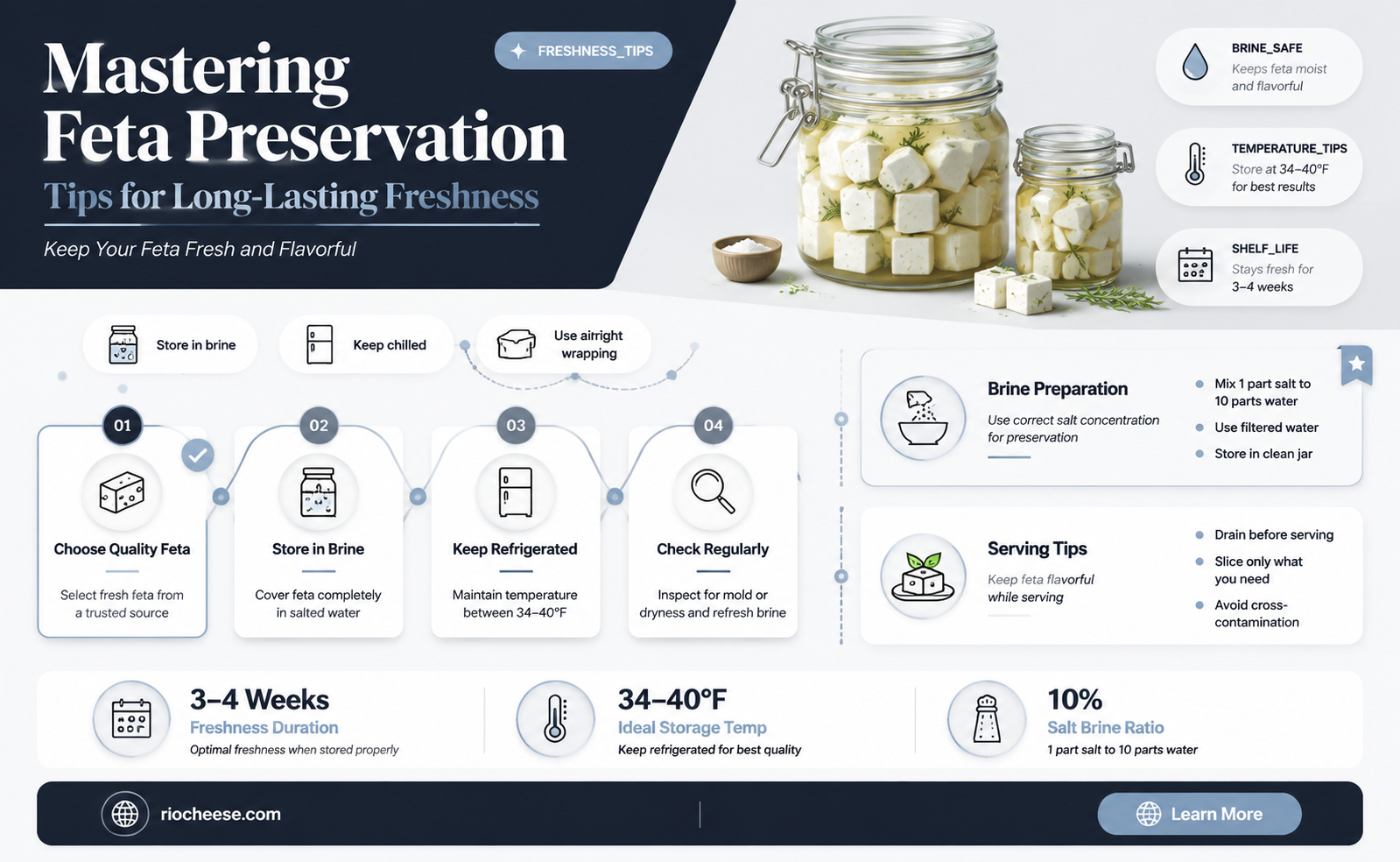
Feta cheese, a brined curd white cheese made in Greece, is known for its distinct tangy flavor and crumbly texture. Preserving feta cheese properly is essential to maintain its quality and taste. The most common method is to store it in a brine solution, which helps to keep the cheese moist and flavorful. To make a brine, combine salt, water, and sometimes vinegar or lemon juice in a container. Submerge the feta cheese in the brine, ensuring it is fully covered, and store it in the refrigerator. This method can keep feta cheese fresh for several weeks. Another option is to wrap the cheese tightly in plastic wrap or aluminum foil and place it in an airtight container or resealable plastic bag. This method is suitable for short-term storage and can keep the cheese fresh for up to a week. It's important to note that feta cheese should not be frozen, as this can alter its texture and flavor. By following these simple preservation techniques, you can enjoy the delicious taste of feta cheese for an extended period.
Explore related products






What You'll Learn
- Storage Containers: Use airtight containers or resealable plastic bags to store feta cheese
- Refrigeration: Keep feta cheese refrigerated at a consistent temperature below 40°F (4°C)
- Saline Solution: Store feta in a saline solution to maintain moisture and prevent drying out
- Freezing: Freeze feta cheese for long-term storage, wrapped tightly to prevent freezer burn
- Handling Tips: Always handle feta cheese with clean utensils and avoid cross-contamination

Storage Containers: Use airtight containers or resealable plastic bags to store feta cheese
Airtight containers and resealable plastic bags are essential tools in the preservation of feta cheese. These storage solutions help maintain the cheese's freshness by preventing exposure to air, which can cause it to dry out or develop off-flavors. When storing feta cheese, it's crucial to ensure that the container or bag is completely sealed to create an airtight environment. This will help keep the cheese moist and flavorful for an extended period.
In addition to using airtight containers or resealable plastic bags, it's important to store feta cheese in the refrigerator. The cool temperature of the refrigerator will slow down the growth of bacteria and mold, further extending the cheese's shelf life. It's recommended to store feta cheese in the crisper drawer of the refrigerator, as this area typically has higher humidity levels, which can help keep the cheese moist.
When it comes to the type of container or bag used for storage, it's best to choose one that is specifically designed for food storage. These containers and bags are often made from materials that are safe for contact with food and are designed to provide an airtight seal. Avoid using containers or bags that are not specifically designed for food storage, as they may not provide an adequate seal or could potentially leach harmful chemicals into the cheese.
It's also important to note that feta cheese should be stored in its original packaging until it's ready to be used. The packaging is designed to protect the cheese and maintain its freshness. Once the cheese has been opened, it should be transferred to an airtight container or resealable plastic bag for storage.
In summary, using airtight containers or resealable plastic bags is a crucial step in preserving the freshness and flavor of feta cheese. By following these storage guidelines, you can help ensure that your feta cheese remains delicious and enjoyable for as long as possible.
Exploring the Carb Content in Feta Cheese: A Nutritional Breakdown
You may want to see also
Explore related products




Refrigeration: Keep feta cheese refrigerated at a consistent temperature below 40°F (4°C)
Maintaining a consistent refrigeration temperature is crucial for preserving the quality and safety of feta cheese. Fluctuations in temperature can lead to the growth of harmful bacteria, spoilage, and an unpleasant texture. To ensure your feta cheese remains fresh, store it in the coldest part of your refrigerator, typically the bottom shelf, away from the door where temperatures are more stable.
When refrigerating feta cheese, it's important to keep it in its original packaging or wrap it tightly in plastic wrap or aluminum foil to prevent it from drying out. If you've purchased feta cheese in a brine solution, make sure the container is sealed properly to prevent leakage and contamination of other foods in your refrigerator.
If you need to store feta cheese for an extended period, consider freezing it. While freezing can alter the texture slightly, making it crumblier, it's a viable option for long-term preservation. To freeze feta cheese, wrap it tightly in plastic wrap or aluminum foil, then place it in a freezer-safe bag or container. When you're ready to use it, thaw it in the refrigerator overnight.
In summary, proper refrigeration is key to preserving feta cheese. By maintaining a consistent temperature below 40°F (4°C), storing it in the right location, and using appropriate packaging, you can enjoy fresh, delicious feta cheese for weeks to come.
Can Dogs Enjoy Feta Cheese? A Comprehensive Guide for Pet Owners
You may want to see also
Explore related products


Saline Solution: Store feta in a saline solution to maintain moisture and prevent drying out
Storing feta cheese in a saline solution is a time-honored method to maintain its moisture and prevent it from drying out. This technique is particularly useful for preserving the cheese's texture and flavor over extended periods. To create a saline solution, you'll need to mix salt with water in a specific ratio. A general guideline is to use about 1 tablespoon of salt for every 4 cups of water, but this can be adjusted based on personal preference and the type of feta cheese you're storing.
Once the saline solution is prepared, submerge the feta cheese blocks in it, ensuring they are fully covered. It's important to use a non-reactive container, such as glass or stainless steel, to avoid any chemical reactions that could affect the cheese's quality. The container should be sealed tightly to prevent contamination and placed in the refrigerator.
The duration for which the feta cheese can be stored in the saline solution varies depending on the cheese's age and the storage conditions. Generally, it can last for several weeks to a few months when stored properly. Regularly check the cheese for any signs of spoilage, such as an off smell or mold growth, and discard it if any of these signs are present.
One common mistake to avoid is over-salting the solution, which can lead to the cheese becoming too salty and losing its delicate flavor. Another important tip is to change the saline solution every few days to ensure that it remains fresh and effective in preserving the cheese.
In addition to maintaining the cheese's moisture, the saline solution also helps to enhance its flavor. The salt in the solution penetrates the cheese, bringing out its natural flavors and creating a more complex taste profile. This method of preservation is not only practical but also contributes to the overall culinary experience of enjoying feta cheese.
Exploring the Kosher Status of Feta Cheese: A Comprehensive Guide
You may want to see also
Explore related products




Freezing: Freeze feta cheese for long-term storage, wrapped tightly to prevent freezer burn
Freezing feta cheese is an effective method for long-term storage, allowing you to enjoy its tangy flavor for months to come. To freeze feta cheese properly, it's essential to wrap it tightly to prevent freezer burn, which can alter its texture and taste. Here's a step-by-step guide on how to freeze feta cheese:
- Prepare the Cheese: Start by ensuring the feta cheese is at room temperature. If it's refrigerated, let it sit out for about 30 minutes to an hour. This helps prevent the formation of ice crystals when frozen.
- Wrap the Cheese: Wrap the feta cheese tightly in plastic wrap or aluminum foil. Make sure there are no air pockets, as these can lead to freezer burn. You can also use a vacuum sealer for an even tighter seal.
- Label and Date: Before placing the wrapped cheese in the freezer, label it with the date. This helps you keep track of how long it's been stored. Feta cheese can be frozen for up to 6 months, but it's best to use it within 3 months for optimal quality.
- Store in Freezer: Place the wrapped feta cheese in the freezer, preferably in the coldest part, which is usually at the back or bottom. Avoid placing it near the freezer door, as the temperature fluctuates more in this area.
- Thawing: When you're ready to use the frozen feta cheese, thaw it in the refrigerator overnight. Do not thaw it at room temperature or in the microwave, as this can affect its texture and safety.
By following these steps, you can preserve the quality and flavor of feta cheese for an extended period. Freezing is a convenient and effective way to store feta cheese, especially if you buy it in bulk or want to save leftovers from a recipe.
Exploring Dairy Alternatives: Is Feta Cheese Rennet-Free?
You may want to see also
Explore related products


Handling Tips: Always handle feta cheese with clean utensils and avoid cross-contamination
Proper handling is crucial when it comes to preserving the quality and safety of feta cheese. Always use clean utensils when serving or cutting feta cheese to prevent the introduction of bacteria or contaminants. This is especially important if you're handling cheese that has been previously cut or exposed to air.
Cross-contamination is another significant concern. Feta cheese should be stored separately from other foods, particularly raw meats, poultry, and fish. Use dedicated cutting boards and utensils for cheese, and wash your hands thoroughly before and after handling. This helps to prevent the spread of harmful bacteria that could lead to foodborne illnesses.
When serving feta cheese, consider using a cheese knife or a serving utensil with a blunt edge. This helps to prevent crumbling and ensures that the cheese maintains its shape. If you're cutting feta cheese into smaller pieces, use a sharp knife and cut straight down to create clean edges.
It's also important to handle feta cheese gently to avoid bruising or damaging the curds. This can affect the texture and flavor of the cheese. When storing feta cheese, make sure it's properly wrapped to prevent it from drying out or absorbing odors from other foods in the refrigerator.
By following these handling tips, you can help to preserve the freshness, flavor, and safety of your feta cheese, ensuring that it remains a delicious and enjoyable addition to your meals.
Exploring the Halal Status of Feta Cheese: A Comprehensive Guide
You may want to see also
Frequently asked questions
Feta cheese should be stored in the refrigerator, ideally in the crisper drawer where the humidity is higher. It should be wrapped tightly in plastic wrap or aluminum foil to prevent it from drying out.
Yes, feta cheese can be frozen. Wrap it tightly in plastic wrap or aluminum foil, then place it in a freezer-safe bag or container. It can be stored in the freezer for up to 3 months. Thaw it in the refrigerator overnight before using.
For long-term preservation, feta cheese can be brined. Dissolve salt in water to create a brine solution, then submerge the feta cheese in it. Store the brine solution with the cheese in an airtight container in the refrigerator. Change the brine solution every few days to keep the cheese fresh for several weeks.
Storing feta cheese in oil is not recommended for long-term preservation as it can lead to the growth of harmful bacteria. However, for short-term storage, you can place feta cheese in a container with a small amount of olive oil to keep it moist.
Feta cheese has gone bad if it has a strong, unpleasant odor, mold, or slimy texture. If the cheese has dried out and become crumbly, it may still be safe to eat but will not have the best flavor or texture.