Andy Montoya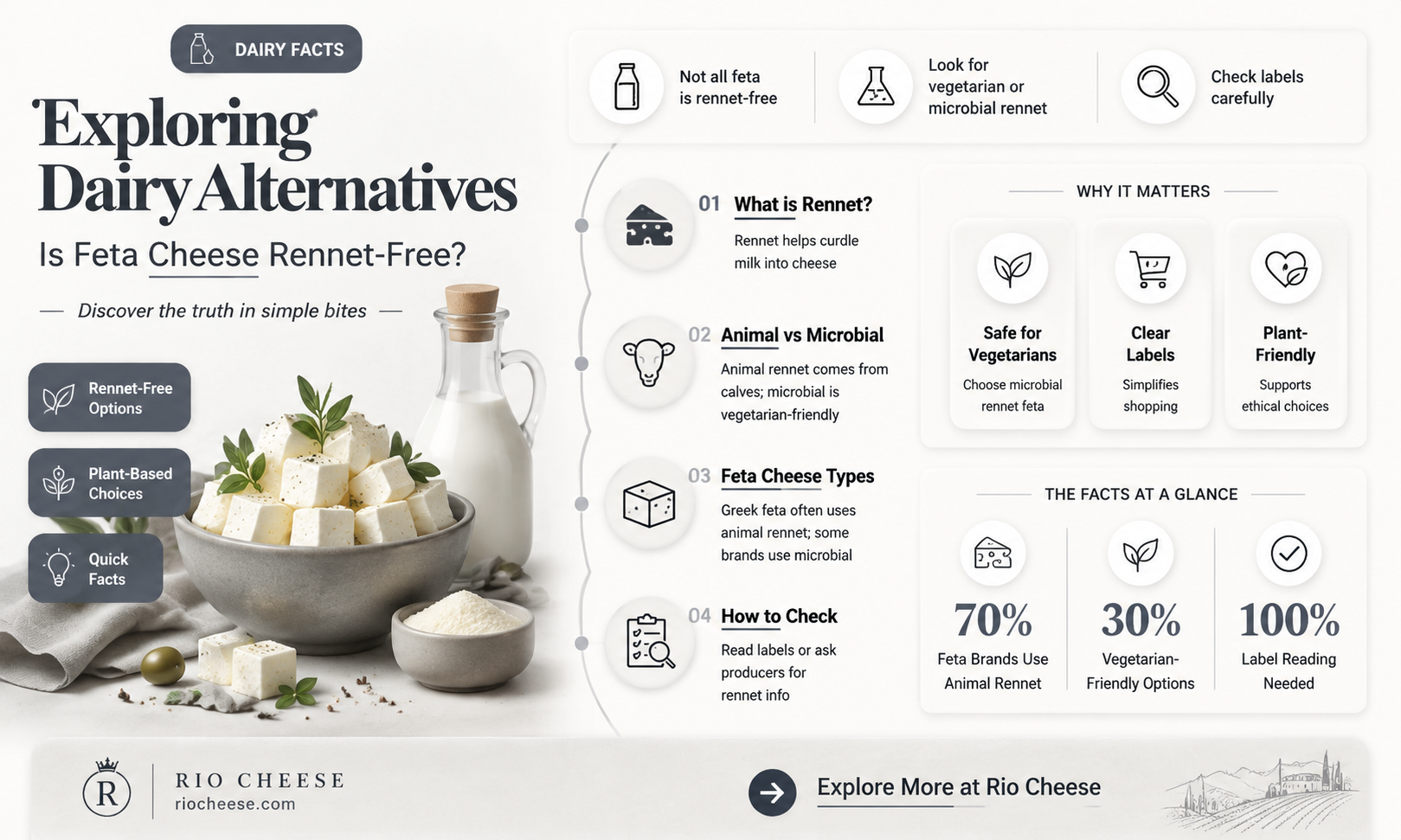
Feta cheese, a popular variety known for its crumbly texture and tangy flavor, is often a subject of inquiry for those concerned about animal products in their diet. Rennet, an enzyme traditionally derived from the stomach lining of young ruminants, is commonly used in cheese production to facilitate curdling. However, the use of animal-derived rennet raises questions about whether feta cheese is suitable for vegetarians or those following plant-based diets. In recent years, the development of microbial and fungal rennet alternatives has provided options for cheese makers to produce vegetarian-friendly feta. Therefore, the presence of rennet in feta cheese depends on the specific production methods and ingredients used by the manufacturer.
Explore related products


What You'll Learn

What is rennet?
Rennet is a complex set of enzymes produced in the stomachs of ruminant mammals. It is used widely in the dairy industry for cheese-making as it causes milk to coagulate, separating into curds and whey. Rennet typically contains the enzyme chymosin, which is primarily responsible for this process.
The use of rennet in cheese production raises questions about whether certain cheeses, such as feta, contain rennet. Feta cheese is a brined curd white cheese made in Greece from sheep's milk or from a mixture of sheep and goat's milk. Traditionally, rennet derived from animal sources is used in its production. However, there are also microbial and genetically engineered rennet alternatives available, which are suitable for vegetarians and those concerned about animal welfare.
Given the variations in rennet sources, it's essential for consumers to check the labels or inquire with manufacturers to determine if a specific brand of feta cheese contains animal-derived rennet. Some brands may use vegetarian rennet, which is derived from microbial sources or genetically modified organisms, making the cheese suitable for those following plant-based diets or avoiding animal products for ethical reasons.
In summary, while traditional feta cheese production involves animal-derived rennet, modern alternatives allow for the creation of vegetarian-friendly feta cheese options. Consumers should verify the source of rennet used in the production of feta cheese if they have dietary restrictions or ethical concerns regarding animal products.
Exploring the Paleo Diet: Is Feta Cheese a Suitable Choice?
You may want to see also
Explore related products


Traditional feta cheese production
After coagulation, the curds are cut into small pieces and gently stirred to release excess whey. They are then molded into large vats where they undergo a process called salting. This involves layering the curds with salt, which helps to draw out moisture and develop the cheese's characteristic flavor. The vats are left to rest for several weeks, allowing the curds to ferment and mature.
During the fermentation process, the curds are regularly turned and drained to ensure even development. This period can last anywhere from a few weeks to several months, depending on the desired level of maturity and flavor intensity. Once the cheese has reached the optimal stage of ripeness, it is cut into blocks and packaged for distribution.
One of the key aspects of traditional feta cheese production is the use of natural rennet. This enzyme is derived from the stomach lining of ruminant animals and is essential for achieving the proper coagulation of the milk. While some modern cheese producers may use microbial or genetically engineered rennet, traditional methods rely on the natural variety, which is believed to contribute to the unique flavor and texture of authentic feta cheese.
In conclusion, traditional feta cheese production is a complex and time-honored process that involves careful selection of ingredients, precise control of fermentation, and the use of natural rennet. These methods ensure that the final product is of the highest quality and possesses the distinctive characteristics that feta cheese is known for.
Can Dogs Enjoy Feta Cheese? A Comprehensive Guide for Pet Owners
You may want to see also
Explore related products


![Traditional Feta Chunk has a rich, creamy texture and bold, tangy taste that elevates any dish. Inspired by Greek tradition, it’s made with fresh, simple ingredients for authentic flavor. Crumble it over salads, tuck it into wraps, or serve it on a cheeseboard—this versatile cheese adds a Mediterranean twist to your favorite foods. It’s a delicious way to bring depth and character to everyday meals or special recipes. [ 32 oz , 2 lb ]](https://m.media-amazon.com/images/I/51MZ2OhOE-L._AC_UL320_.jpg)
Vegetarian and vegan feta alternatives
For individuals seeking vegetarian or vegan alternatives to traditional feta cheese, there are several options available that do not contain animal-derived rennet. One popular choice is tofu feta, which is made by pressing and seasoning tofu to mimic the texture and flavor of feta cheese. Tofu feta can be easily crumbled and used in salads, sandwiches, or as a topping for dishes.
Another alternative is vegan feta cheese made from plant-based ingredients such as coconut oil, cashews, or almonds. These cheeses are often seasoned with herbs and spices to replicate the tangy taste of traditional feta. Vegan feta cheeses can be found in specialty stores or online and are suitable for those following a dairy-free diet.
Additionally, some brands offer vegetarian feta cheese made with microbial or fungal rennet, which are derived from non-animal sources. These cheeses provide a similar taste and texture to traditional feta while being suitable for vegetarians.
When choosing a feta alternative, it's essential to check the ingredients list to ensure that it does not contain any animal-derived products. Some brands may use hidden animal-derived ingredients, so it's crucial to be vigilant.
In conclusion, there are various vegetarian and vegan feta alternatives available that cater to different dietary preferences and restrictions. By exploring these options, individuals can enjoy the taste and versatility of feta cheese without compromising their dietary choices.
Exploring the Gluten Content in Feta Cheese: A Comprehensive Guide
You may want to see also
Explore related products


Health considerations related to rennet
Rennet, a complex set of enzymes derived from the stomach lining of ruminant mammals, plays a crucial role in the cheese-making process by facilitating the coagulation of milk. While it is essential for producing a variety of cheeses, including feta, health considerations surrounding rennet consumption have been a topic of discussion. One primary concern is the potential presence of residual rennet in cheese, which could pose issues for individuals with specific dietary restrictions or allergies.
For those with lactose intolerance or dairy allergies, the presence of rennet in cheese can exacerbate symptoms such as digestive discomfort, bloating, and skin reactions. Additionally, individuals following a vegetarian or vegan diet may object to the use of animal-derived rennet. However, it is important to note that the amount of rennet typically present in cheese is minimal, and many types of cheese, including some varieties of feta, use microbial or fungal rennet alternatives that are suitable for vegetarians and those with dairy sensitivities.
Another health consideration related to rennet is its potential impact on the nutritional profile of cheese. Rennet contains chymosin, an enzyme that breaks down casein proteins in milk, leading to the formation of curds. This process can affect the levels of certain nutrients, such as calcium and protein, in the resulting cheese. However, the overall nutritional impact of rennet on cheese is generally considered to be minimal, and cheese remains a valuable source of essential nutrients when consumed in moderation as part of a balanced diet.
In conclusion, while health considerations related to rennet in cheese are valid, particularly for individuals with specific dietary needs or preferences, the use of rennet in cheese-making is a well-established practice that has been refined over centuries. Advances in technology have also led to the development of alternative rennet sources, making it possible to produce cheese that caters to a wider range of dietary requirements. As with any food product, it is essential for consumers to be aware of the ingredients and production methods used in the cheese they consume and to make informed choices based on their individual health needs and preferences.
Exploring the Halal Status of Feta Cheese: A Comprehensive Guide
You may want to see also
Explore related products


Labeling and identification of rennet-free feta
For individuals seeking to avoid rennet in their diet, identifying rennet-free feta cheese is crucial. Rennet is a complex set of enzymes traditionally derived from the stomach lining of ruminant mammals, used in the cheese-making process to coagulate milk. However, with the rise of vegetarian and vegan diets, there has been an increasing demand for rennet-free alternatives.
One of the primary methods for identifying rennet-free feta is to carefully read the product label. Manufacturers are required to list all ingredients used in the production of cheese, including any coagulants. Look for labels that explicitly state "rennet-free" or list alternative coagulants such as microbial or fungal rennet. These alternatives are derived from non-animal sources and are suitable for vegetarians and vegans.
Another approach is to seek out certifications from organizations that promote animal welfare and vegetarianism. For example, the Vegetarian Society or PETA may provide certifications for products that meet their strict criteria for being free from animal-derived ingredients. These certifications can often be found on the packaging or the manufacturer's website.
It's also important to be aware of potential cross-contamination issues. Even if a cheese is made with rennet-free coagulants, it may still come into contact with rennet during processing if the facility also produces cheeses that contain rennet. To minimize this risk, look for products that are made in dedicated rennet-free facilities or that have undergone rigorous testing to ensure the absence of rennet.
In some cases, it may be necessary to contact the manufacturer directly to inquire about their production processes and ingredient sources. Many companies are transparent about their practices and are willing to provide information to consumers who are concerned about the presence of rennet in their products.
By being diligent in reading labels, seeking out certifications, and contacting manufacturers when necessary, consumers can make informed choices and enjoy rennet-free feta cheese with confidence.
Exploring the Kosher Status of Feta Cheese: A Comprehensive Guide
You may want to see also
Frequently asked questions
Yes, traditional feta cheese typically contains rennet, which is an enzyme complex derived from the stomach lining of ruminant animals. It is used in the cheese-making process to help curdle the milk.
Rennet is an enzyme complex that is used in cheese-making to curdle milk. It is derived from the stomach lining of ruminant animals, such as cows, sheep, and goats. Rennet contains the enzyme chymosin, which is responsible for breaking down the casein proteins in milk, causing it to coagulate and form curds.
Yes, there are vegetarian and vegan alternatives to traditional feta cheese that do not contain rennet. These alternatives are made using microbial or fungal rennet, which is derived from non-animal sources. Microbial rennet is produced by bacteria, while fungal rennet is produced by certain types of fungi. Both of these alternatives are suitable for vegetarians and vegans, as they do not involve the use of animal-derived ingredients.