Randy Chandler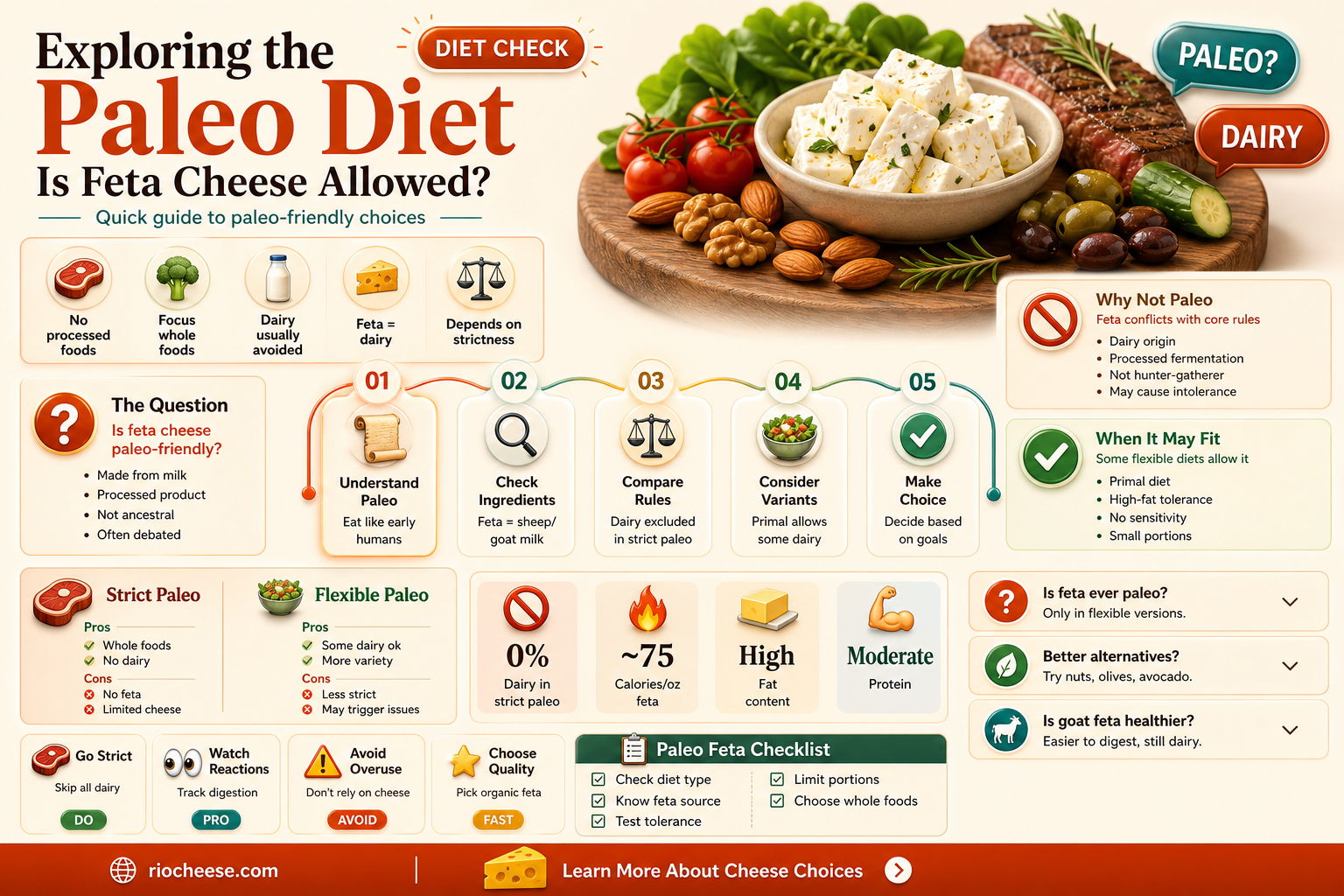
The Paleo diet, known for its focus on whole, unprocessed foods, often raises questions about the inclusion of specific ingredients. One such ingredient is feta cheese, a popular dairy product made from sheep's or goat's milk. To determine whether feta cheese is Paleo-friendly, it's essential to consider the principles of the diet, which emphasize foods that were available to our Paleolithic ancestors. Since dairy farming and cheese production are relatively modern developments, some strict Paleo adherents argue that feta cheese should be excluded. However, others take a more flexible approach, allowing for the consumption of dairy products in moderation. Ultimately, the decision to include feta cheese in a Paleo diet depends on individual preferences and interpretations of the dietary guidelines.
Explore related products


What You'll Learn
- Feta Cheese Composition: Analyze the ingredients and nutritional content of feta cheese
- Paleo Diet Guidelines: Outline the principles of the Paleo diet, focusing on allowed and restricted foods
- Historical Context: Discuss the origins of feta cheese and its place in ancient diets
- Modern Paleo Adaptations: Explore how contemporary Paleo diets might accommodate or exclude feta cheese
- Health Considerations: Weigh the potential health benefits and drawbacks of including feta cheese in a Paleo diet

Feta Cheese Composition: Analyze the ingredients and nutritional content of feta cheese
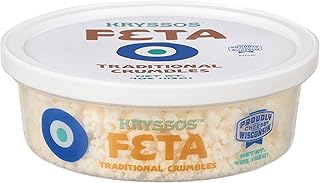
Feta cheese is a brined curd white cheese made in Greece from sheep's milk or from a mixture of sheep and goat's milk. It is known for its crumbly texture and salty flavor, which is a result of the brining process. The cheese is typically cut into blocks and stored in brine, which helps to preserve it and enhance its flavor.
In terms of nutritional content, feta cheese is a good source of protein, calcium, and vitamins B12 and K2. However, it is also high in sodium and saturated fat, which can be a concern for those following a paleo diet. The paleo diet emphasizes whole, unprocessed foods and limits the intake of dairy products, grains, and legumes.
When analyzing the ingredients of feta cheese, it is important to note that it is made from milk, which is not typically included in a strict paleo diet. However, some paleo dieters may choose to include dairy products in moderation, depending on their individual tolerance and goals.
In terms of the manufacturing process, traditional feta cheese is made using animal rennet, which is derived from the stomach lining of animals. This may be a concern for those following a vegetarian or vegan paleo diet. However, there are also vegetarian and vegan alternatives available, which use microbial or fungal rennet instead.
Overall, while feta cheese can be a nutritious addition to a balanced diet, it is important to consider the specific ingredients and nutritional content when determining whether it is suitable for a paleo diet. Those following a strict paleo diet may choose to limit or avoid feta cheese due to its dairy content and high sodium levels, while others may choose to include it in moderation as part of a balanced and varied diet.
Exploring the Kosher Status of Feta Cheese: A Comprehensive Guide
You may want to see also
Explore related products

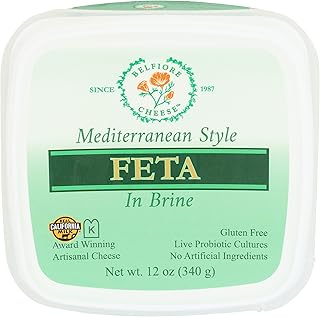


Paleo Diet Guidelines: Outline the principles of the Paleo diet, focusing on allowed and restricted foods
The Paleo diet, also known as the Caveman diet, is based on the premise of eating foods that were available to our Paleolithic ancestors. This diet focuses on whole, unprocessed foods and excludes many modern dietary staples. The core principles of the Paleo diet include consuming lean meats, fish, fruits, vegetables, nuts, and seeds, while avoiding grains, legumes, dairy, and processed foods.
When it comes to dairy products like feta cheese, the Paleo diet generally recommends avoidance. Dairy was not a part of the Paleolithic diet, as humans did not domesticate animals for milk production until much later. However, some Paleo dieters choose to include small amounts of dairy, especially fermented products like feta cheese, due to their lower lactose content and potential probiotic benefits.
It's important to note that the inclusion of feta cheese in a Paleo diet is a topic of debate within the community. Some argue that the fermentation process reduces the lactose content enough to make it acceptable, while others maintain that any form of dairy is off-limits. Ultimately, the decision to include feta cheese in a Paleo diet should be based on individual tolerance and health goals.
If you're following a strict Paleo diet, it's best to avoid feta cheese and opt for non-dairy alternatives. However, if you're more flexible with your Paleo approach and choose to include some dairy, feta cheese can be a good option due to its lower lactose content and potential health benefits. Always listen to your body and adjust your diet accordingly to ensure you're meeting your nutritional needs and health objectives.
Explore related products


Historical Context: Discuss the origins of feta cheese and its place in ancient diets
Feta cheese, a staple in Mediterranean cuisine, has a rich history that dates back to ancient times. Its origins can be traced to the Byzantine Empire, where it was first produced in the region now known as Greece. The cheese was traditionally made from sheep's milk, which was abundant in the area, and its production methods have remained largely unchanged over the centuries.
In ancient diets, feta cheese played a significant role as a source of protein and calcium. It was often consumed as part of a balanced diet that included a variety of fruits, vegetables, grains, and meats. The cheese was also used in religious ceremonies and was considered a delicacy among the upper classes.
The production of feta cheese involves a process of fermentation, where lactic acid bacteria are introduced to the milk to create the characteristic tangy flavor. This process not only preserves the cheese but also enhances its nutritional value by increasing the bioavailability of certain nutrients.
Over time, feta cheese has become an integral part of Greek culture and is often associated with traditional dishes such as salads, pastries, and grilled meats. Its popularity has also spread to other parts of the world, where it is now enjoyed as a versatile ingredient in a wide range of recipes.
In the context of the paleo diet, which emphasizes whole, unprocessed foods, feta cheese is often debated. While some argue that it is not paleo-friendly due to its dairy content, others believe that it can be included in moderation as part of a balanced diet. The decision ultimately depends on individual dietary needs and preferences.
Explore related products


Modern Paleo Adaptations: Explore how contemporary Paleo diets might accommodate or exclude feta cheese
The contemporary Paleo diet, a modern adaptation of the ancestral eating pattern, focuses on whole, unprocessed foods that our Paleolithic ancestors might have consumed. This diet typically includes lean meats, fish, nuts, leafy greens, regional veggies, and seeds. However, the inclusion of dairy products like feta cheese in a Paleo diet is a topic of debate. Traditional Paleo diets exclude all dairy products, as they were not available to our ancestors during the Paleolithic era. Yet, some modern adaptations of the Paleo diet have begun to incorporate certain dairy products, including feta cheese, due to their perceived health benefits and the difficulty of completely eliminating them from contemporary diets.
Feta cheese, made from sheep's or goat's milk, is lower in lactose than many other dairy products, making it a more digestible option for those with lactose intolerance. It is also rich in nutrients like calcium, protein, and beneficial fats. These characteristics have led some Paleo dieters to consider feta cheese as a permissible food within their dietary framework. However, others argue that the inclusion of any dairy product, including feta cheese, deviates from the core principles of the Paleo diet and may lead to negative health consequences.
The decision to include or exclude feta cheese from a Paleo diet ultimately depends on individual health goals, dietary preferences, and tolerance levels. For those who choose to incorporate feta cheese into their Paleo diet, it is essential to select high-quality, full-fat varieties made from grass-fed sheep's or goat's milk to maximize nutritional benefits and minimize potential health risks. It is also crucial to monitor portion sizes and overall dairy intake to ensure that the diet remains balanced and aligned with Paleo principles.
In conclusion, while traditional Paleo diets exclude all dairy products, including feta cheese, modern adaptations of the diet have begun to incorporate certain dairy products due to their perceived health benefits and the difficulty of completely eliminating them from contemporary diets. The inclusion of feta cheese in a Paleo diet is a personal choice that should be based on individual health goals, dietary preferences, and tolerance levels.
Explore related products


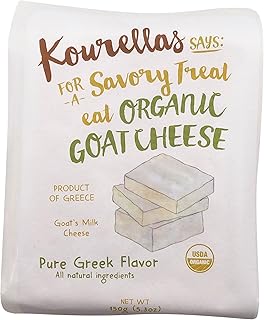

Health Considerations: Weigh the potential health benefits and drawbacks of including feta cheese in a Paleo diet
Feta cheese, a staple in Mediterranean cuisine, is often questioned for its place in a Paleo diet due to its dairy origin. The Paleo diet, which focuses on whole, unprocessed foods presumed to be available to Paleolithic humans, typically excludes dairy products. However, feta cheese's unique fermentation process and lower lactose content compared to other cheeses might make it a more suitable option for some individuals following a Paleo diet.
One potential health benefit of including feta cheese in a Paleo diet is its probiotic content. The fermentation process used to make feta cheese introduces beneficial bacteria that can support gut health. These probiotics may help maintain a healthy balance of gut flora, potentially improving digestion and boosting the immune system. Additionally, feta cheese is a good source of calcium, which is essential for bone health, and it also contains vitamins B12 and K2, which are important for energy metabolism and blood clotting, respectively.
On the other hand, there are drawbacks to consider. Feta cheese, like all dairy products, contains lactose, which can be problematic for individuals with lactose intolerance. Even though feta has lower lactose levels than some other cheeses, it may still cause digestive issues for sensitive individuals. Furthermore, feta cheese is relatively high in sodium, which can be a concern for those monitoring their salt intake due to hypertension or other health conditions.
Another consideration is the potential for feta cheese to contain additives or preservatives, especially if it is not made from grass-fed sheep's milk. These additives can include enzymes derived from non-Paleo sources, such as microbial rennet, which is used to curdle the milk. For individuals strictly adhering to a Paleo diet, these additives might be a reason to avoid feta cheese.
In conclusion, while feta cheese offers some health benefits that align with the principles of a Paleo diet, such as probiotic content and essential nutrients, it also presents drawbacks, including lactose content, sodium levels, and potential additives. Individuals considering feta cheese as part of their Paleo diet should weigh these factors and possibly consult with a healthcare professional to determine if feta cheese is a suitable choice for their specific health needs and dietary goals.
Frequently asked questions
Feta cheese is not typically considered paleo because it is a dairy product, and the paleo diet excludes most dairy.
Some paleo-friendly alternatives to feta cheese include coconut feta, cashew feta, and other nut-based or seed-based cheese substitutes.
Dairy is excluded from the paleo diet because it was not a part of the diet of our Paleolithic ancestors, who lived before the domestication of animals and the development of agriculture.