Kamil Perry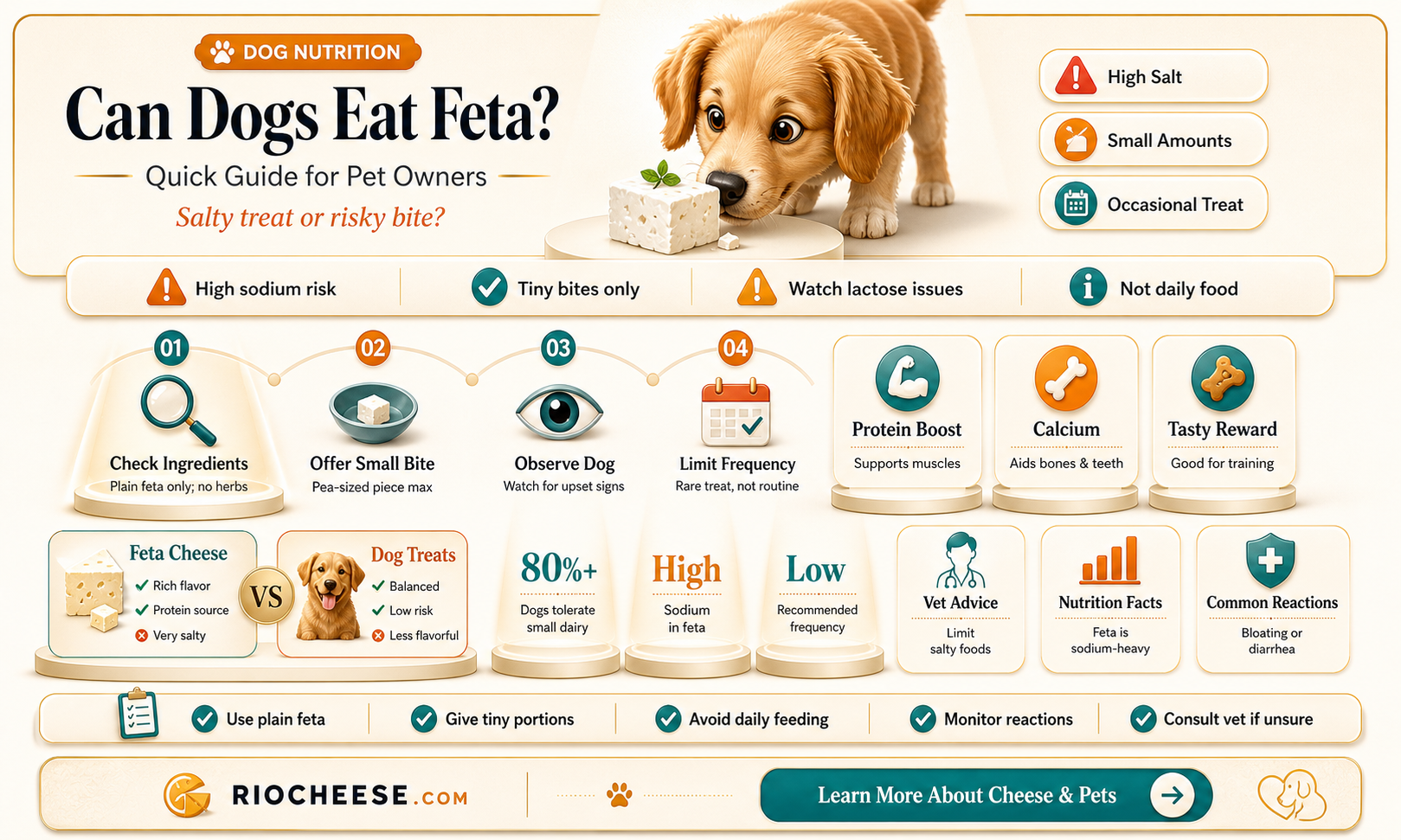
Feta cheese, a popular choice for salads and Mediterranean dishes, is often a topic of curiosity for dog owners. While it's generally considered safe for dogs to consume small amounts of feta cheese, it's important to understand the potential risks and benefits. Feta cheese is high in fat and salt, which can lead to digestive issues and dehydration in dogs if consumed in excess. Additionally, some dogs may be lactose intolerant, meaning they lack the enzymes to properly digest lactose found in dairy products like feta cheese. This can result in gastrointestinal upset, including diarrhea and vomiting. However, in moderation, feta cheese can provide some nutritional benefits to dogs, such as protein and calcium. It's crucial for dog owners to monitor their pet's reaction to feta cheese and consult with a veterinarian before incorporating it into their dog's diet.
Explore related products


What You'll Learn
- Feta Cheese Nutritional Content: High in fat and salt, which can be harmful to dogs in large quantities
- Potential Health Risks: Excessive consumption may lead to obesity, pancreatitis, and electrolyte imbalances in dogs
- Lactose Intolerance: Many dogs are lactose intolerant and may experience digestive issues when consuming feta cheese
- Safe Serving Guidelines: If given, feta cheese should be offered in small, infrequent amounts as a treat
- Alternatives for Dogs: Consider offering dog-safe cheese alternatives or other healthy treat options instead of feta cheese

Feta Cheese Nutritional Content: High in fat and salt, which can be harmful to dogs in large quantities
Feta cheese, a popular choice for its tangy flavor and crumbly texture, is often used in salads, sandwiches, and as a garnish. However, when it comes to sharing this cheese with our canine companions, caution is advised. The nutritional content of feta cheese, particularly its high fat and salt levels, can pose health risks to dogs if consumed in large quantities.
The high fat content in feta cheese can lead to obesity and pancreatitis in dogs. Pancreatitis is a serious condition where the pancreas becomes inflamed, which can cause severe abdominal pain, vomiting, and diarrhea. In some cases, it can even be life-threatening. Additionally, the high salt content in feta cheese can cause electrolyte imbalances, leading to excessive thirst, frequent urination, and in severe cases, sodium poisoning.
It's important to note that the harmful effects of feta cheese on dogs are primarily due to overconsumption. Small amounts of feta cheese, given as an occasional treat, are unlikely to cause significant harm to most dogs. However, it's always best to consult with a veterinarian before introducing any new food into your dog's diet, especially if they have pre-existing health conditions such as obesity, heart disease, or kidney issues.
In conclusion, while feta cheese can be a delicious addition to human meals, it should be given to dogs in moderation, if at all. The high fat and salt content can be harmful to dogs in large quantities, leading to serious health issues. As a responsible pet owner, it's crucial to be aware of the nutritional content of the foods we share with our pets and to prioritize their health and well-being.
Exploring the Kosher Status of Feta Cheese: A Comprehensive Guide
You may want to see also
Explore related products


Potential Health Risks: Excessive consumption may lead to obesity, pancreatitis, and electrolyte imbalances in dogs
Excessive consumption of feta cheese can pose several health risks to dogs. One of the primary concerns is obesity. Feta cheese is high in fat and calories, and feeding it to dogs in large quantities can lead to weight gain. Obesity in dogs can result in a range of health issues, including joint problems, diabetes, and heart disease. It's crucial for dog owners to monitor their pet's weight and ensure they are not overfeeding them with high-calorie foods like feta cheese.
Another potential health risk associated with excessive feta cheese consumption in dogs is pancreatitis. This condition occurs when the pancreas becomes inflamed, often due to a high-fat diet. Symptoms of pancreatitis in dogs include vomiting, diarrhea, abdominal pain, and loss of appetite. In severe cases, it can lead to complications such as kidney failure and sepsis. To prevent pancreatitis, it's essential to limit the amount of feta cheese given to dogs and to provide a balanced diet that is appropriate for their nutritional needs.
Electrolyte imbalances are also a concern when dogs consume too much feta cheese. Feta cheese is high in sodium, and excessive sodium intake can lead to an imbalance in the body's electrolytes. This can result in symptoms such as excessive thirst, frequent urination, and in severe cases, seizures and muscle weakness. Dog owners should be cautious about feeding their pets foods that are high in sodium and should provide plenty of fresh water to help maintain proper electrolyte balance.
In summary, while feta cheese can be a tasty treat for dogs, it's important to feed it in moderation to avoid potential health risks. Dog owners should be aware of the nutritional content of feta cheese and how it can impact their pet's health. By providing a balanced diet and monitoring their dog's weight and overall health, owners can help ensure that their pets stay healthy and happy.
Exploring the Paleo Diet: Is Feta Cheese a Suitable Choice?
You may want to see also
Explore related products


Lactose Intolerance: Many dogs are lactose intolerant and may experience digestive issues when consuming feta cheese
Lactose intolerance in dogs is a common issue that pet owners should be aware of when considering feeding their canine companions dairy products like feta cheese. This condition occurs when a dog's digestive system lacks the necessary enzymes to break down lactose, a sugar found in milk and milk-based products. As a result, consuming lactose-containing foods can lead to a range of uncomfortable and potentially harmful symptoms.
Symptoms of lactose intolerance in dogs typically manifest within a few hours of consuming the offending product and may include vomiting, diarrhea, abdominal pain, and excessive gas. In severe cases, prolonged exposure to lactose can lead to more serious health issues such as dehydration, electrolyte imbalances, and even pancreatitis. It's important for dog owners to recognize these signs and take appropriate action to prevent further complications.
To manage lactose intolerance in dogs, it's essential to eliminate or significantly reduce the amount of lactose in their diet. This means avoiding dairy products like feta cheese, milk, and yogurt, as well as any processed foods that may contain hidden sources of lactose. In some cases, dogs may be able to tolerate small amounts of lactose, but it's best to err on the side of caution and consult with a veterinarian to determine the appropriate dietary adjustments for your pet.
Fortunately, there are many lactose-free alternatives available for dogs that can provide similar nutritional benefits without causing digestive distress. For example, pet owners can opt for lactose-free milk or cheese products specifically formulated for dogs, or they can choose plant-based alternatives like soy or almond milk. Additionally, there are a variety of dog treats and supplements on the market that are free from lactose and other common allergens.
In conclusion, while feta cheese may be a tasty treat for humans, it's important to recognize the potential risks it poses to dogs with lactose intolerance. By being mindful of your pet's dietary needs and making appropriate adjustments, you can help ensure their health and well-being while still providing them with a balanced and nutritious diet.
Explore related products


Safe Serving Guidelines: If given, feta cheese should be offered in small, infrequent amounts as a treat
Feta cheese, while a delicious treat for humans, should be given to dogs with caution. The safe serving guidelines recommend offering feta cheese in small, infrequent amounts as a treat. This is primarily due to its high fat and salt content, which can be harmful to dogs if consumed in large quantities.
When considering the safety of feta cheese for dogs, it's important to understand the potential risks associated with its consumption. High-fat foods can lead to obesity and pancreatitis in dogs, while excessive salt intake can cause electrolyte imbalances and even sodium poisoning. Therefore, it's crucial to limit the amount of feta cheese given to dogs and ensure it's only offered as an occasional treat.
In addition to the fat and salt content, feta cheese may also contain ingredients that are toxic to dogs, such as garlic or onion. It's essential to check the ingredient list of any feta cheese product before offering it to your dog to ensure it doesn't contain any harmful additives.
To safely serve feta cheese to your dog, start by offering a small piece, about the size of a pea, and monitor your dog's reaction. If your dog tolerates it well, you can gradually increase the amount, but always keep it in moderation. It's also important to consider your dog's overall diet and health condition when introducing new foods.
Remember, every dog is different, and what may be safe for one dog may not be safe for another. If you're unsure about whether feta cheese is safe for your dog, it's always best to consult with your veterinarian for personalized advice.
Explore related products


Alternatives for Dogs: Consider offering dog-safe cheese alternatives or other healthy treat options instead of feta cheese
Offering dog-safe cheese alternatives is a proactive approach to ensuring your pet's health and safety. Instead of risking the potential hazards of feta cheese, which may contain ingredients harmful to dogs, consider treats specifically formulated for canine consumption. These alternatives often mimic the taste and texture of cheese, making them an appealing substitute.
One popular option is dog-specific cheese treats made from ingredients like rice, potato, and pea protein. These treats are typically lower in fat and lactose-free, reducing the risk of digestive issues. Additionally, they are often fortified with vitamins and minerals to support your dog's overall health.
Another healthy treat option is fresh fruits and vegetables. Items like apple slices, carrot sticks, and green beans are not only safe for dogs but also provide essential nutrients and fiber. These treats can be given raw or lightly cooked, depending on your dog's preference.
When selecting treats for your dog, it's crucial to consider their individual dietary needs and restrictions. Some dogs may have allergies or sensitivities to certain ingredients, so it's essential to monitor their reaction to new treats closely. Consulting with your veterinarian can also provide valuable guidance on the best treat options for your pet.
In summary, by offering dog-safe cheese alternatives and other healthy treat options, you can ensure your pet enjoys a varied and nutritious diet without the risks associated with feta cheese. This approach not only promotes their physical well-being but also strengthens the bond between you and your furry companion.
Frequently asked questions
Feta cheese is not recommended for dogs. While it's not toxic, it's high in fat and salt, which can lead to health issues like obesity and sodium poisoning.
If a dog consumes feta cheese, it may experience gastrointestinal upset, including vomiting and diarrhea. Over time, the high fat and salt content can contribute to obesity, heart disease, and sodium poisoning.
Even small amounts of feta cheese can be harmful to dogs due to its high fat and salt content. It's best to avoid giving it to them altogether.
Instead of feta cheese, you can offer your dog plain, low-fat yogurt or cottage cheese in moderation. These options are lower in fat and salt and can be a healthier treat for your pet.