 Kamil Perry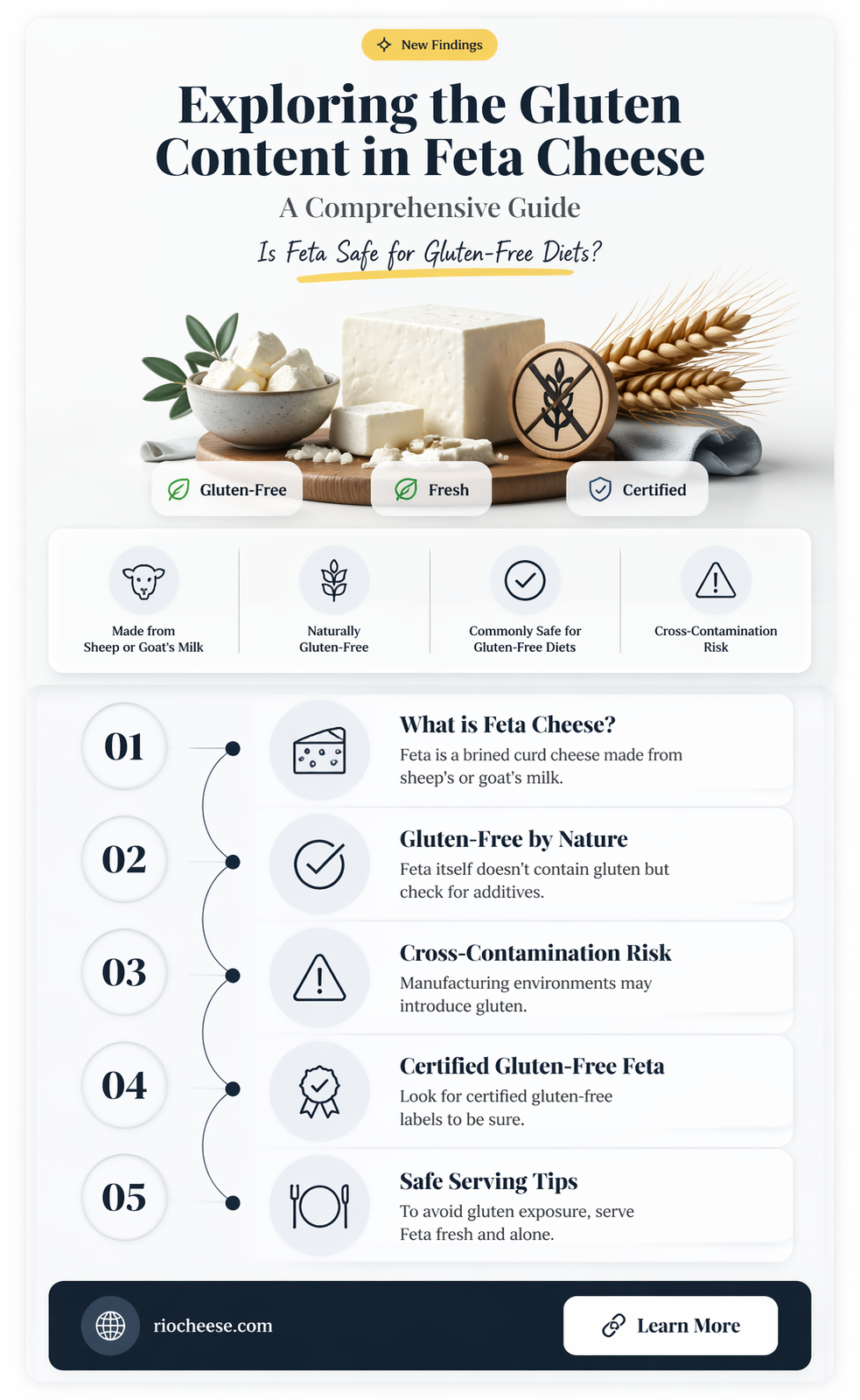
Feta cheese, a popular ingredient in Mediterranean cuisine, is often used in salads, sandwiches, and as a garnish for various dishes. For individuals with gluten intolerance or celiac disease, it's essential to know whether feta cheese contains gluten. The good news is that feta cheese is naturally gluten-free, as it's made from sheep's or goat's milk without any added gluten-containing ingredients. However, it's crucial to check the packaging or consult with the manufacturer to ensure that the specific brand of feta cheese you're purchasing hasn't been cross-contaminated with gluten during production.
Explore related products




What You'll Learn
- Feta Cheese Ingredients: Understanding the basic components of feta cheese and how they relate to gluten content
- Gluten in Dairy Products: Exploring whether dairy products, including cheese, typically contain gluten and why
- Feta Cheese Production Process: Investigating the steps involved in making feta cheese and potential gluten contamination points
- Certified Gluten-Free Feta: Discussing the availability and certification of gluten-free feta cheese options
- Health Implications for Celiacs: Examining the safety of feta cheese for individuals with celiac disease or gluten sensitivity

Feta Cheese Ingredients: Understanding the basic components of feta cheese and how they relate to gluten content
Feta cheese is a popular dairy product known for its tangy flavor and crumbly texture. It is made primarily from sheep's milk or a mixture of sheep and goat's milk. The basic ingredients in feta cheese include milk, salt, and bacterial cultures. These cultures are responsible for the fermentation process, which gives feta its distinctive taste and texture.
One of the key components of feta cheese is its curds, which are formed when the milk is coagulated by the bacterial cultures. The curds are then cut into small pieces and drained to remove excess whey. This process is crucial in determining the final texture of the cheese.
In terms of gluten content, feta cheese is generally considered to be gluten-free. Gluten is a protein found in wheat, barley, and rye, and it is not present in the milk or bacterial cultures used to make feta cheese. However, it is important to note that some brands of feta cheese may contain additives or be processed in facilities that also handle gluten-containing products, so it is always best to check the label or contact the manufacturer to confirm.
For individuals with gluten intolerance or celiac disease, feta cheese can be a safe and delicious addition to their diet. It can be used in a variety of dishes, from salads and sandwiches to baked goods and desserts. When shopping for feta cheese, look for brands that are specifically labeled as gluten-free to ensure that you are getting a product that meets your dietary needs.
In conclusion, understanding the basic components of feta cheese and how they relate to gluten content is essential for making informed dietary choices. By knowing what ingredients are used in the cheese-making process and being aware of potential sources of gluten contamination, you can enjoy feta cheese as part of a healthy and balanced diet.
Exploring the Kosher Status of Feta Cheese: A Comprehensive Guide
You may want to see also
Explore related products




Gluten in Dairy Products: Exploring whether dairy products, including cheese, typically contain gluten and why
Dairy products, including cheese, are generally considered to be naturally gluten-free. This is because they are made from milk, which does not contain gluten. Gluten is a protein found primarily in wheat, barley, and rye, and it is not present in the milk of cows, goats, sheep, or other animals used to produce dairy products. Therefore, cheese, yogurt, butter, and other dairy items are typically safe for individuals with celiac disease or gluten sensitivity to consume.
However, it is important to note that some dairy products may contain gluten due to cross-contamination or added ingredients. For example, some cheeses may be processed on equipment that is also used to process gluten-containing foods, which can lead to trace amounts of gluten in the final product. Additionally, some flavored or specialty cheeses may have gluten-containing ingredients added, such as wheat-based fillers or stabilizers.
Feta cheese, in particular, is a type of cheese that is often made from sheep's or goat's milk and is typically gluten-free. However, as with any food product, it is always important to check the label or contact the manufacturer to confirm that the specific brand of feta cheese you are purchasing does not contain any gluten.
In conclusion, while dairy products, including cheese, are generally considered to be gluten-free, it is important to be aware of potential sources of gluten contamination or added ingredients. If you have celiac disease or gluten sensitivity, it is always best to err on the side of caution and verify the gluten content of any food product before consuming it.
Exploring the Halal Status of Feta Cheese: A Comprehensive Guide
You may want to see also
Explore related products


Feta Cheese Production Process: Investigating the steps involved in making feta cheese and potential gluten contamination points
Feta cheese is a popular dairy product known for its crumbly texture and tangy flavor. The production process involves several key steps, starting with the pasteurization of sheep's or goat's milk. After pasteurization, the milk is coagulated using rennet, which separates the curds from the whey. The curds are then cut into small pieces and stirred gently to release more whey. This process is crucial as it affects the final texture of the cheese.
The next step involves draining the whey and transferring the curds into molds. These molds are typically lined with cheesecloth to allow for proper drainage. The curds are pressed in the molds to expel excess whey and to form the characteristic shape of feta cheese. After molding, the cheese is brined in a saltwater solution for several days to enhance its flavor and to preserve it.
During the production process, there are potential points where gluten contamination could occur. For instance, if the rennet used contains gluten, it could introduce gluten into the cheese. Additionally, cross-contamination could happen if the equipment used in the production process has been in contact with gluten-containing products. It is essential for manufacturers to ensure that all ingredients and equipment are gluten-free to prevent contamination.
To avoid gluten contamination, some manufacturers use gluten-free rennet and follow strict cleaning protocols for their equipment. They also test their products regularly to ensure that they meet gluten-free standards. Consumers who are concerned about gluten in feta cheese should look for products that are specifically labeled as gluten-free.
In conclusion, while feta cheese is traditionally made from sheep's or goat's milk and does not inherently contain gluten, there are potential risks of contamination during the production process. By understanding these risks and taking appropriate precautions, manufacturers can produce gluten-free feta cheese that is safe for consumers with gluten sensitivities or celiac disease.
Can Dogs Enjoy Feta Cheese? A Comprehensive Guide for Pet Owners
You may want to see also
Explore related products


Certified Gluten-Free Feta: Discussing the availability and certification of gluten-free feta cheese options
For individuals with celiac disease or gluten sensitivity, finding gluten-free dairy products can be challenging. Feta cheese, a popular choice for its tangy flavor and versatility, is often made from sheep's or goat's milk, which is naturally gluten-free. However, the process of making feta cheese can sometimes involve gluten-containing ingredients, such as wheat-based rennet or cross-contamination during production.
Certified gluten-free feta cheese is available from several brands that prioritize gluten-free production processes. These brands often use gluten-free rennet and implement strict measures to prevent cross-contamination. The certification process typically involves rigorous testing and adherence to specific standards set by organizations like the Gluten-Free Certification Organization (GFCO) or the Celiac Support Association (CSA).
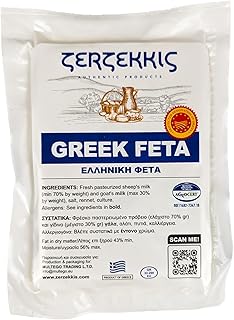
When shopping for gluten-free feta cheese, it's essential to look for the certification label on the packaging. This label indicates that the product has met the necessary standards and is safe for consumption by those with gluten sensitivities. Some popular brands that offer certified gluten-free feta cheese include Feta Crumbles by Simply Nature, Gluten-Free Feta by Dodoni, and Organic Gluten-Free Feta by Miyoko's Kitchen.
In addition to checking for certification, it's also a good idea to read the ingredient list and contact the manufacturer if you have any concerns. Some brands may not be certified but still produce gluten-free feta cheese, so it's important to do your research and verify the information.
Overall, while traditional feta cheese may not always be gluten-free, there are plenty of certified gluten-free options available for those who need to avoid gluten in their diet. By being diligent and choosing certified products, individuals with gluten sensitivities can enjoy the delicious taste of feta cheese without worrying about gluten content.
Exploring the Paleo Diet: Is Feta Cheese a Suitable Choice?
You may want to see also
Explore related products


Health Implications for Celiacs: Examining the safety of feta cheese for individuals with celiac disease or gluten sensitivity
Feta cheese, a staple in Mediterranean cuisine, is often a topic of discussion among individuals with celiac disease or gluten sensitivity. The primary concern is whether feta cheese contains gluten, a protein found in wheat, barley, and rye that can trigger adverse reactions in those with gluten-related disorders.
To understand the safety of feta cheese for celiacs, it's essential to examine the cheese-making process. Traditional feta cheese is made from sheep's or goat's milk, salt, and bacterial cultures. These ingredients are naturally gluten-free. However, the risk of gluten contamination can arise during the aging process if the cheese is stored in barrels or containers that previously held gluten-containing products. Additionally, some manufacturers may use enzymes derived from wheat or barley in the cheese-making process, which could potentially introduce gluten into the final product.
Despite these potential risks, many brands of feta cheese are explicitly labeled as gluten-free, indicating that they have been tested and meet the standards set by gluten-free certification organizations. For individuals with celiac disease or gluten sensitivity, it's crucial to choose feta cheese from reputable brands that provide clear labeling and adhere to strict gluten-free protocols.
Moreover, the health implications of consuming feta cheese for celiacs extend beyond gluten content. Feta cheese is a good source of calcium, protein, and probiotics, which can be beneficial for individuals with celiac disease who often have compromised gut health. However, it's also high in sodium and saturated fat, so moderation is key, especially for those managing other health conditions such as hypertension or cardiovascular disease.
In conclusion, while feta cheese can be a safe and nutritious option for individuals with celiac disease or gluten sensitivity, it's essential to choose products from trusted brands that provide clear gluten-free labeling and to consume them in moderation as part of a balanced diet.
Frequently asked questions
Feta cheese is typically made from sheep's or goat's milk and does not contain gluten. However, it's essential to check the specific brand or product, as some manufacturers may add gluten-containing ingredients during processing.
The main ingredient in feta cheese is milk, specifically sheep's or goat's milk. It is a brined curd white cheese that is traditionally made in Greece.
Feta cheese is made by coagulating sheep's or goat's milk using rennet, then separating the curds from the whey. The curds are cut into small pieces, salted, and placed in a brine solution to mature. This process gives feta cheese its distinctive flavor and crumbly texture.
Feta cheese is a versatile ingredient that can be used in various dishes. It is commonly crumbled over salads, such as Greek salad, added to sandwiches and wraps, used as a topping for pizzas, incorporated into pasta dishes, and served as part of a cheese platter.
Feta cheese, like other cheeses, contains lactose, which may not be suitable for people with lactose intolerance. However, the lactose content in feta cheese is generally lower than in other cheeses, and some individuals with lactose intolerance may be able to tolerate it in small amounts. It's best to consult with a healthcare professional for personalized advice.


