 Randy Chandler
Feta cheese, a popular choice for salads, sandwiches, and Mediterranean dishes, is known for its tangy flavor and crumbly texture. Like all dairy products, feta cheese does have a shelf life and can expire. Understanding the factors that influence its expiration date, such as storage conditions and packaging, can help consumers enjoy feta cheese safely and minimize food waste. Properly stored feta cheese can last for several weeks, but it's essential to recognize the signs of spoilage to ensure it's consumed before it goes bad.
Explore related products



What You'll Learn
- Shelf Life: Feta cheese typically lasts 2-4 weeks in the fridge when properly stored
- Storage Tips: Keep feta in a sealed container or wrapped tightly in plastic wrap or aluminum foil
- Signs of Spoilage: Look for mold, sliminess, or an off smell to determine if feta has gone bad
- Freezing Feta: Feta can be frozen for up to 3 months, but it may crumble or change texture
- Using Expired Feta: If feta is slightly past its date but shows no signs of spoilage, it may still be safe to use

Shelf Life: Feta cheese typically lasts 2-4 weeks in the fridge when properly stored
Feta cheese, a staple in many Mediterranean dishes, is known for its crumbly texture and tangy flavor. When it comes to its shelf life, feta cheese typically lasts 2-4 weeks in the fridge when properly stored. This timeframe can vary depending on the specific type of feta and storage conditions. For instance, feta cheese stored in brine may last longer than feta cheese stored in a dry container. It's important to note that while feta cheese may not spoil immediately after the 2-4 week mark, its quality and flavor may start to decline.
To ensure that feta cheese lasts as long as possible, it's crucial to store it properly. Feta cheese should be stored in the refrigerator, ideally in the crisper drawer where the humidity is higher. It should be wrapped tightly in plastic wrap or aluminum foil to prevent it from drying out. If feta cheese is stored in brine, it should be kept in a sealed container to prevent contamination.
There are a few signs to look out for when determining if feta cheese has expired. If the cheese has a strong, unpleasant odor, it's likely past its prime. Additionally, if the cheese has mold or slimy spots, it should be discarded. While feta cheese can be frozen to extend its shelf life, it's important to note that freezing can alter the texture and flavor of the cheese.
In summary, feta cheese typically lasts 2-4 weeks in the fridge when properly stored. To ensure that it lasts as long as possible, it should be stored in the refrigerator, wrapped tightly, and kept away from contaminants. By following these storage guidelines, you can enjoy the delicious taste and texture of feta cheese for an extended period.
Exploring the Low FODMAP Diet: Is Feta Cheese a Suitable Choice?
You may want to see also
Explore related products

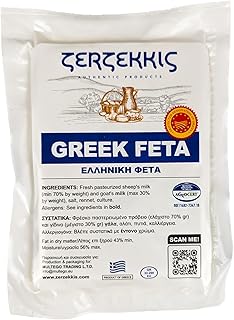


Storage Tips: Keep feta in a sealed container or wrapped tightly in plastic wrap or aluminum foil
Proper storage is crucial to extending the shelf life of feta cheese and maintaining its quality. Feta should be kept in a sealed container or wrapped tightly in plastic wrap or aluminum foil to prevent it from drying out and absorbing odors from other foods in the refrigerator. This method of storage helps to create a barrier against air and moisture, which can cause the cheese to spoil more quickly.
When storing feta cheese, it's important to keep it in the coldest part of the refrigerator, typically the bottom shelf. This area provides a more consistent temperature and humidity level, which is ideal for preserving the cheese's texture and flavor. Additionally, storing feta away from strong-smelling foods like onions, garlic, and fish can help prevent flavor transfer and maintain the cheese's distinct taste.
For longer-term storage, feta cheese can be frozen. To freeze feta, wrap it tightly in plastic wrap or aluminum foil, then place it in a freezer-safe bag or container. Frozen feta can be stored for up to 3 months. When you're ready to use the frozen feta, thaw it in the refrigerator overnight or at room temperature for a few hours. Note that the texture of frozen feta may be slightly different from fresh feta, as the freezing process can cause the cheese to become more crumbly.
It's also worth noting that feta cheese can be stored in brine, which is a saltwater solution. Storing feta in brine can help to maintain its moisture content and prevent it from drying out. To store feta in brine, place the cheese in a container with a tight-fitting lid and cover it with a mixture of salt and water. The brine solution should be changed every few days to keep it fresh. Feta stored in brine can be kept in the refrigerator for up to 2 weeks.
In summary, proper storage of feta cheese involves keeping it in a sealed container or wrapping it tightly in plastic wrap or aluminum foil, storing it in the coldest part of the refrigerator, and considering freezing or storing it in brine for longer-term preservation. By following these storage tips, you can help to extend the shelf life of feta cheese and enjoy its delicious flavor for a longer period.
Exploring Dairy: The Casein Content in Feta Cheese
You may want to see also
Explore related products


Signs of Spoilage: Look for mold, sliminess, or an off smell to determine if feta has gone bad
Feta cheese, like all dairy products, is susceptible to spoilage over time. One of the most reliable indicators that feta has gone bad is the presence of mold. Mold can appear as small, fuzzy spots or patches on the surface of the cheese, and it may be white, green, or black in color. If you notice any mold on your feta cheese, it's best to discard it immediately, as consuming moldy cheese can pose health risks.
Sliminess is another sign that feta cheese has spoiled. Fresh feta should have a firm, crumbly texture, but as it begins to spoil, it may become soft and slimy to the touch. This change in texture is often accompanied by an unpleasant odor, which can range from a mild, sour smell to a strong, pungent aroma. If your feta cheese has developed a slimy texture or an off smell, it's a clear indication that it has gone bad and should not be consumed.
In addition to mold and sliminess, there are other signs that feta cheese may have spoiled. For example, if the cheese has become discolored, with yellow or brown spots, it may be past its prime. Similarly, if the cheese has begun to dry out and harden, it may have lost its freshness and flavor. In general, it's important to trust your senses when it comes to determining whether feta cheese has gone bad. If something looks, smells, or feels off, it's best to err on the side of caution and discard the cheese.
To prevent feta cheese from spoiling too quickly, it's important to store it properly. Feta should be kept in the refrigerator, ideally in a sealed container or wrapped tightly in plastic wrap. It's also a good idea to store feta cheese in the coldest part of the refrigerator, such as the back of the bottom shelf. By following these storage guidelines, you can help extend the shelf life of your feta cheese and reduce the risk of spoilage.
In conclusion, feta cheese can spoil over time, and it's important to be aware of the signs of spoilage in order to avoid consuming unsafe or unpleasant cheese. By looking for mold, sliminess, or an off smell, you can determine whether your feta cheese has gone bad and take appropriate action. Proper storage can also help prevent spoilage and keep your feta cheese fresh for as long as possible.
Exploring the Origins: Is Feta Cheese Truly Greek?
You may want to see also
Explore related products


Freezing Feta: Feta can be frozen for up to 3 months, but it may crumble or change texture
Feta cheese, a staple in many Mediterranean dishes, is known for its crumbly texture and tangy flavor. While it's a versatile ingredient, it does have a limited shelf life. Freezing feta can extend its usability, but it's important to note that the texture may change, and it could crumble upon thawing.
To freeze feta effectively, it should be wrapped tightly in plastic wrap or aluminum foil to prevent freezer burn. It's also advisable to place the wrapped feta in a freezer-safe bag for added protection. When you're ready to use the frozen feta, allow it to thaw in the refrigerator for a few hours or at room temperature for about 30 minutes.
It's crucial to understand that while freezing can help preserve feta, it won't prevent it from expiring. Feta cheese typically lasts for about 2-4 weeks in the refrigerator, and freezing can extend this by up to 3 months. However, the quality of the cheese may deteriorate over time, even when frozen.
When using frozen feta, it's best to use it in dishes where the texture isn't a primary concern, such as in sauces, dips, or crumbled over salads. If you're looking to use feta as a garnish or in a dish where the texture is important, it's better to use fresh feta.
In conclusion, while freezing feta can be a useful way to extend its shelf life, it's important to be aware of the potential changes in texture and to use it appropriately in your cooking. Always check the cheese for any signs of spoilage before using it, even if it's been frozen.
Mastering the Art of Crumbling Feta Cheese: Tips and Tricks
You may want to see also
Explore related products

![Traditional Feta Chunk has a rich, creamy texture and bold, tangy taste that elevates any dish. Inspired by Greek tradition, it’s made with fresh, simple ingredients for authentic flavor. Crumble it over salads, tuck it into wraps, or serve it on a cheeseboard—this versatile cheese adds a Mediterranean twist to your favorite foods. It’s a delicious way to bring depth and character to everyday meals or special recipes. [ 32 oz , 2 lb ]](https://m.media-amazon.com/images/I/51MZ2OhOE-L._AC_UL320_.jpg)


Using Expired Feta: If feta is slightly past its date but shows no signs of spoilage, it may still be safe to use
Feta cheese, like many dairy products, comes with a sell-by date that indicates its peak freshness and safety. However, this date is not always a hard and fast rule for expiration. If your feta cheese is slightly past its sell-by date but shows no signs of spoilage, it may still be safe to use. The key is to look for any visible mold, sliminess, or off odors, which are clear indicators that the cheese has gone bad.
When assessing the safety of expired feta, it's important to consider how it has been stored. Feta cheese should be kept in the refrigerator at a temperature of 40°F (4°C) or below. If it has been stored properly and has only recently passed its sell-by date, the risk of foodborne illness is relatively low. However, if the cheese has been left at room temperature for an extended period, it's best to err on the side of caution and discard it.
Another factor to consider is the type of feta cheese. Some varieties, such as those made from pasteurized milk, may have a longer shelf life than others. Additionally, feta cheese that has been crumbled or cut into smaller pieces may spoil more quickly than a whole block.
If you decide to use expired feta cheese, it's crucial to inspect it thoroughly before consumption. Look for any discoloration, unusual textures, or strong smells that could indicate spoilage. If the cheese appears and smells normal, it's likely safe to eat. However, if you have any doubts, it's always better to discard the cheese to avoid the risk of food poisoning.
In summary, while feta cheese does expire, it may still be safe to use if it is only slightly past its sell-by date and shows no signs of spoilage. Proper storage, careful inspection, and consideration of the type of feta cheese are all important factors in determining its safety for consumption.
Exploring the Kosher Status of Feta Cheese: A Comprehensive Guide
You may want to see also
Frequently asked questions
Yes, feta cheese does expire. Like all dairy products, it has a limited shelf life and should be consumed before the expiration date printed on the packaging.
You can tell if feta cheese has expired by checking for signs such as mold, an off smell, or a slimy texture. If the cheese shows any of these signs, it's best to discard it.
Eating expired feta cheese can lead to foodborne illnesses, including symptoms like nausea, vomiting, diarrhea, and stomach cramps. It's important to always check the expiration date before consuming any dairy product.
To extend the shelf life of feta cheese, store it in the refrigerator in its original packaging or in an airtight container. Keep it away from strong-smelling foods, as feta can absorb odors easily.


![Original PDO Feta Cheese, is an original Greek feta cheese naturally preserved in brine. The cheese is made from pasteurized sheep and goat milk. Product of Greece. [ 14.1 oz, 0.88 lb ]](https://m.media-amazon.com/images/I/51U8KSCGDGL._AC_UL320_.jpg)
