 Andy Montoya
Feta cheese, a popular choice in Mediterranean cuisine, is known for its crumbly texture and tangy flavor. Made from sheep's or goat's milk, it undergoes a unique process that contributes to its distinct characteristics. One common question among cheese enthusiasts and those with dietary restrictions is whether feta cheese contains lactose. Lactose, a sugar found in milk, is often a concern for individuals who are lactose intolerant or prefer to avoid dairy products. Understanding the lactose content in feta cheese can help consumers make informed decisions about their dietary choices and explore alternative options if necessary.
Explore related products


What You'll Learn
- Feta Cheese Composition: Feta cheese is made from sheep's or goat's milk, which naturally contains lactose
- Lactose Content in Feta: Compared to other cheeses, feta has relatively low lactose levels, making it easier to digest for some
- Lactose Intolerance and Feta: Individuals with lactose intolerance may still enjoy feta cheese due to its lower lactose content
- Nutritional Benefits of Feta: Feta cheese is rich in protein, calcium, and vitamins, offering nutritional benefits despite its lactose content
- Alternatives to Feta for Lactose-Free Diets: For those avoiding lactose, there are lactose-free cheese alternatives that mimic feta's taste and texture

Feta Cheese Composition: Feta cheese is made from sheep's or goat's milk, which naturally contains lactose
Feta cheese, a staple in Mediterranean cuisine, is traditionally crafted from sheep's or goat's milk. This choice of milk is pivotal as both sheep's and goat's milk naturally contain lactose, a sugar that is a primary component of dairy products. The presence of lactose in feta cheese is a result of the cheese-making process, which involves fermenting the milk with specific bacterial cultures. These cultures help convert lactose into lactic acid, giving feta its characteristic tangy flavor and crumbly texture.
The lactose content in feta cheese can vary depending on the specific production methods and the type of milk used. Sheep's milk generally contains higher levels of lactose compared to goat's milk, which can influence the final lactose concentration in the cheese. Additionally, the fermentation process can reduce the lactose content to some extent, but it does not eliminate it entirely. Therefore, feta cheese typically retains some amount of lactose, making it unsuitable for individuals with lactose intolerance unless specifically processed to remove lactose.
For those who are lactose intolerant, there are some varieties of feta cheese available that are made from lactose-free milk or have undergone additional processing to reduce the lactose content. These options allow individuals with lactose intolerance to enjoy the rich flavor of feta cheese without experiencing digestive discomfort. It is essential to check the labels and inquire about the production process to ensure that the feta cheese chosen meets one's dietary needs.
In summary, the composition of feta cheese, being made from sheep's or goat's milk, inherently includes lactose. The fermentation process reduces but does not eliminate lactose, resulting in a cheese that is typically not suitable for those with lactose intolerance. However, lactose-free alternatives are available, providing a solution for individuals who wish to enjoy feta cheese without the associated digestive issues.
Exploring the Keto Compatibility of Feta Cheese: A Nutritional Breakdown
You may want to see also
Explore related products


Lactose Content in Feta: Compared to other cheeses, feta has relatively low lactose levels, making it easier to digest for some
Feta cheese, a staple in Mediterranean cuisine, is known for its crumbly texture and tangy flavor. What makes feta particularly interesting is its lactose content, which is relatively low compared to other types of cheese. This characteristic makes feta a more digestible option for individuals who are lactose intolerant or those who prefer to limit their lactose intake.
The lactose content in feta cheese varies depending on the specific production process and the type of milk used. On average, feta cheese contains about 2-4 grams of lactose per 100 grams, which is significantly lower than the lactose content found in cheeses like cheddar (6-8 grams per 100 grams) or mozzarella (4-6 grams per 100 grams). This lower lactose content is due to the fact that feta cheese is typically made from sheep's or goat's milk, which naturally contains less lactose than cow's milk.
For individuals with lactose intolerance, the lower lactose content in feta cheese can make it a more suitable choice compared to other cheeses. Lactose intolerance occurs when the body does not produce enough lactase, the enzyme responsible for breaking down lactose. As a result, consuming high amounts of lactose can lead to digestive symptoms such as bloating, gas, and diarrhea. By choosing feta cheese, which has lower lactose levels, individuals with lactose intolerance can enjoy cheese without experiencing these uncomfortable side effects.
It's important to note that while feta cheese has relatively low lactose levels, it is not completely lactose-free. Therefore, individuals with severe lactose intolerance may still need to consume feta cheese in moderation or opt for lactose-free cheese alternatives. Additionally, the lactose content in feta cheese can vary depending on the brand and production method, so it's always a good idea to check the nutrition label or consult with the manufacturer to determine the exact lactose content.
In conclusion, feta cheese offers a unique advantage for those looking to reduce their lactose intake or manage lactose intolerance. Its relatively low lactose content, combined with its distinct flavor and texture, makes it a versatile and enjoyable cheese option for a variety of dietary needs.
Exploring Dairy Alternatives: Is Feta Cheese Rennet-Free?
You may want to see also
Explore related products




Lactose Intolerance and Feta: Individuals with lactose intolerance may still enjoy feta cheese due to its lower lactose content
Feta cheese, a staple in Mediterranean cuisine, is often made from sheep's or goat's milk, which naturally contains less lactose than cow's milk. This lower lactose content makes feta a more digestible option for individuals with lactose intolerance. Lactose intolerance occurs when the body lacks sufficient lactase, the enzyme responsible for breaking down lactose into simpler sugars. As a result, people with this condition may experience digestive discomfort when consuming high-lactose foods.
The lactose content in feta cheese can vary depending on the specific production process and the type of milk used. Typically, feta made from sheep's milk contains around 0.5 to 1.5 grams of lactose per 100 grams, while goat's milk feta may have slightly less. In comparison, cow's milk cheeses like cheddar or mozzarella can contain significantly higher amounts of lactose, making them less suitable for those with lactose intolerance.
Individuals with lactose intolerance who wish to enjoy feta cheese should still exercise caution and monitor their portion sizes. While feta's lower lactose content makes it a better choice than some other cheeses, it is not completely lactose-free. Some people may still experience symptoms such as bloating, gas, or diarrhea if they consume too much. It is also important to note that lactose intolerance can vary in severity from person to person, so what may be tolerable for one individual may not be for another.
In addition to its lower lactose content, feta cheese offers other nutritional benefits. It is a good source of protein, calcium, and several vitamins, including vitamin B12 and vitamin K. Feta is also relatively low in calories and fat compared to some other cheeses, making it a healthier option for those watching their diet.
When incorporating feta cheese into a lactose-intolerant diet, it is essential to balance it with other low-lactose or lactose-free foods. This can help minimize the risk of digestive discomfort and ensure a well-rounded, nutritious diet. For those who are unsure about their lactose tolerance or are experiencing persistent digestive issues, consulting with a healthcare professional or a registered dietitian can provide personalized guidance and support.
The Shelf Life of Feta Cheese: Does It Really Expire?
You may want to see also
Explore related products


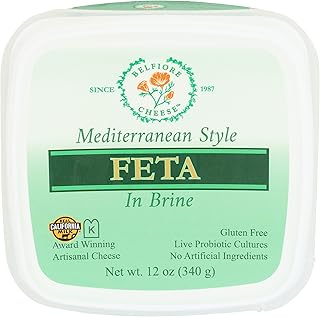


Nutritional Benefits of Feta: Feta cheese is rich in protein, calcium, and vitamins, offering nutritional benefits despite its lactose content
Feta cheese, a staple in Mediterranean cuisine, is renowned for its tangy flavor and crumbly texture. Despite containing lactose, feta offers a plethora of nutritional benefits that make it a valuable addition to a balanced diet. One of the primary advantages of feta is its high protein content. Protein is essential for muscle repair and growth, and feta provides a significant amount per serving, making it an excellent choice for individuals looking to increase their protein intake.
In addition to protein, feta is a rich source of calcium, which is crucial for maintaining strong bones and teeth. Calcium also plays a vital role in muscle function and nerve transmission. Consuming feta cheese can help meet daily calcium requirements, especially for those who may have difficulty obtaining enough from other sources. Furthermore, feta contains essential vitamins, including vitamin B12 and vitamin K. Vitamin B12 is important for red blood cell formation and neurological function, while vitamin K is necessary for blood clotting and bone health.
While feta does contain lactose, its fermentation process reduces the lactose content significantly, making it more digestible for many individuals with lactose intolerance. The fermentation also introduces beneficial probiotics, which can aid in digestion and support gut health. Additionally, feta is lower in calories and fat compared to some other cheeses, making it a healthier alternative for those watching their calorie intake.
Incorporating feta cheese into meals can be a delicious way to boost nutritional intake. It can be used in salads, sandwiches, or as a topping for various dishes. For individuals looking to manage their lactose intake, feta can be a suitable option due to its lower lactose content and the presence of beneficial bacteria that can help with digestion. Overall, feta cheese offers a unique combination of flavor and nutritional benefits that can enhance a variety of dietary plans.
The Aging Process of Feta Cheese: A Comprehensive Guide
You may want to see also
Explore related products


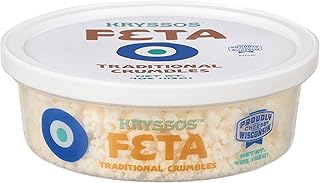

Alternatives to Feta for Lactose-Free Diets: For those avoiding lactose, there are lactose-free cheese alternatives that mimic feta's taste and texture
For individuals adhering to lactose-free diets, the quest for cheese alternatives that replicate the distinct taste and crumbly texture of feta can be challenging. Fortunately, several options are available that cater to this specific need. One popular choice is vegan feta, typically made from plant-based ingredients such as coconut oil, tofu, or nuts. These alternatives not only mimic the flavor profile of traditional feta but also offer a similar crumbly texture, making them suitable for salads, sandwiches, and other dishes where feta is commonly used.
Another option for those avoiding lactose is lactose-free feta cheese, which is made from cow's milk that has been treated with lactase enzyme to break down lactose. This process renders the cheese lactose-free while retaining its original taste and texture. Lactose-free feta is often indistinguishable from regular feta in terms of flavor and can be used in the same culinary applications.
In addition to vegan and lactose-free feta, there are other cheese alternatives that, while not specifically designed to mimic feta, can still provide a satisfying substitute. For example, goat cheese and sheep cheese are naturally lower in lactose compared to cow's milk cheeses and can offer a tangy, rich flavor that complements many dishes. Furthermore, aged cheeses like Parmesan and Pecorino Romano are also lower in lactose due to the fermentation process and can be used in moderation by those with lactose intolerance.
When selecting a feta alternative, it is essential to consider both taste and texture preferences, as well as any additional dietary restrictions or allergies. Reading labels and consulting with a healthcare professional or registered dietitian can help ensure that the chosen alternative meets individual nutritional needs and dietary requirements.
In conclusion, while traditional feta cheese does contain lactose, there are various alternatives available that cater to lactose-free diets without compromising on taste and texture. By exploring options such as vegan feta, lactose-free feta, and other low-lactose cheeses, individuals can continue to enjoy their favorite dishes while adhering to their dietary restrictions.
Exploring the Dairy Dilemma: Is Feta Cheese Truly Dairy-Free?
You may want to see also
Frequently asked questions
Yes, feta cheese contains lactose, which is a type of sugar found in milk and dairy products.
The lactose content in feta cheese can vary depending on the brand and production method, but it generally contains less lactose than other cheeses due to the fermentation process.
People with lactose intolerance may be able to consume feta cheese in moderation because it contains lower levels of lactose compared to other dairy products. However, it's best to consult with a healthcare professional for personalized dietary advice.
Lactose-free feta cheese alternatives include vegan feta made from plant-based ingredients like tofu or coconut oil, and some brands offer lactose-free or low-lactose feta cheese options.
Feta cheese is made by fermenting sheep's or goat's milk with specific bacteria cultures. Lactose is present in the milk used to make feta cheese, and although some of it is broken down during fermentation, a small amount remains in the final product.


