Patrick Oconnell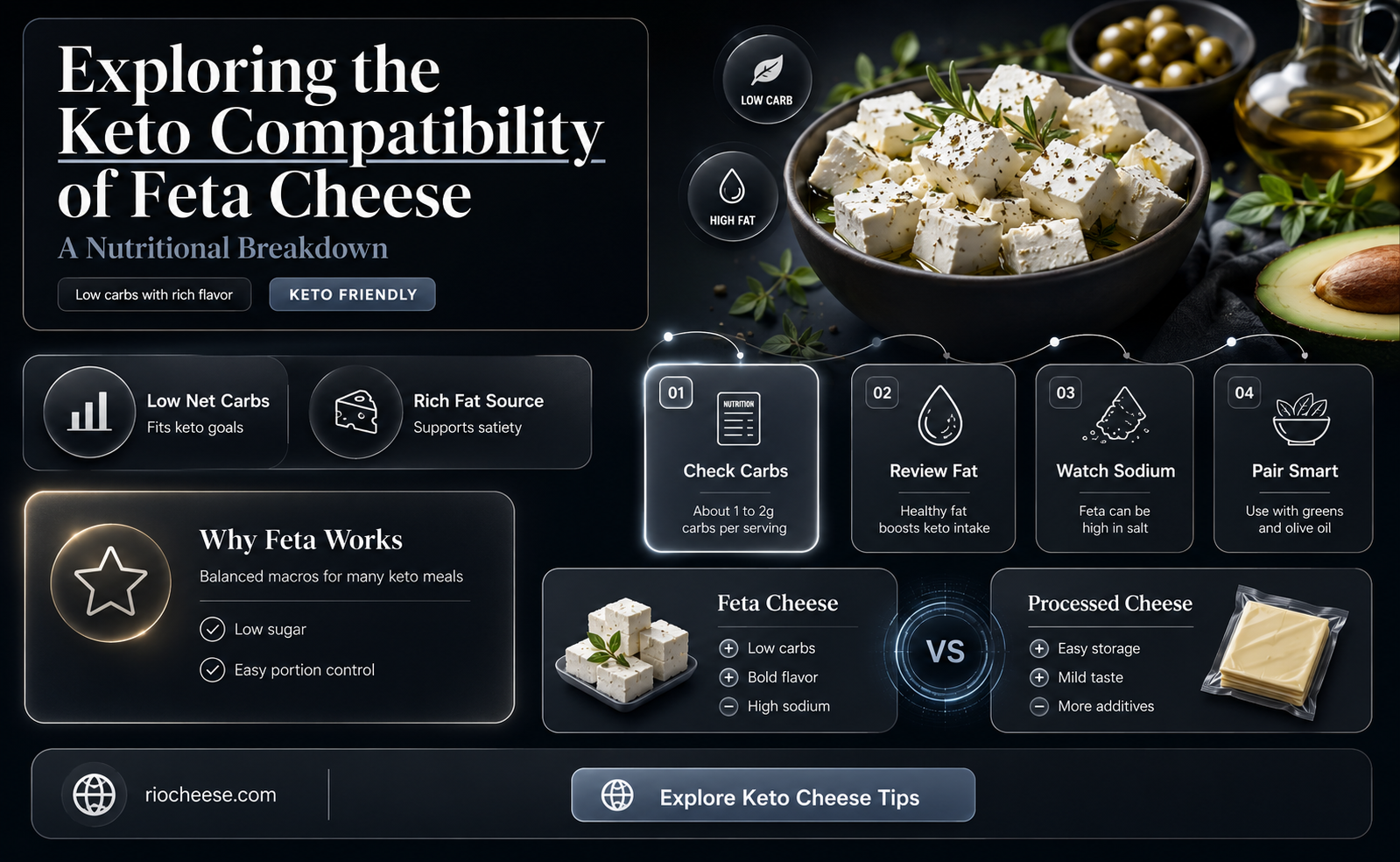
Feta cheese is a popular choice for those following a ketogenic diet due to its high fat and low carbohydrate content. The keto diet emphasizes consuming high amounts of healthy fats, moderate protein, and very low carbs to induce a state of ketosis, where the body burns fat for fuel instead of carbohydrates. Feta cheese fits well within these guidelines, making it a keto-friendly option. However, it's essential to consider portion sizes and overall dietary balance when incorporating feta cheese into a keto meal plan.
Explore related products


What You'll Learn
- Nutritional Profile: Feta cheese is high in fat and protein, making it suitable for a ketogenic diet
- Carbohydrate Content: It contains minimal carbs, typically around 1 gram per ounce, aligning with keto requirements
- Calcium and Micronutrients: Feta is a good source of calcium, vitamin B12, and other essential nutrients
- Potential Health Benefits: Its high fat content may aid in satiety and help maintain ketosis
- Incorporation into Keto Meals: Feta can be used in salads, omelets, and as a garnish for various keto-friendly dishes

Nutritional Profile: Feta cheese is high in fat and protein, making it suitable for a ketogenic diet
Feta cheese, a staple in Mediterranean cuisine, boasts a nutritional profile that aligns well with the macronutrient requirements of a ketogenic diet. This diet, characterized by high fat, moderate protein, and low carbohydrate intake, aims to induce a state of ketosis where the body burns fat for fuel instead of carbohydrates. Feta cheese's high fat content, primarily consisting of saturated fats, makes it an excellent choice for those following a keto diet. Additionally, its protein content supports muscle maintenance and satiety, which are crucial aspects of successful keto dieting.
One of the key benefits of feta cheese in a keto diet is its low carbohydrate content. Unlike some other cheeses that contain higher levels of lactose, feta cheese is relatively low in carbs, making it a suitable option for those strictly limiting their carbohydrate intake. Furthermore, feta cheese is rich in essential nutrients such as calcium, phosphorus, and vitamins B12 and K2, which are important for overall health and can help mitigate potential nutrient deficiencies that may arise from a restrictive diet.
When incorporating feta cheese into a keto diet, it's important to consider portion sizes. While feta cheese is nutrient-dense, it is also calorie-dense due to its high fat content. Therefore, moderation is key to ensure that one's daily caloric intake aligns with their energy expenditure. Additionally, individuals should be mindful of any potential food sensitivities or allergies to dairy products, as feta cheese is made from sheep's or goat's milk.
In conclusion, feta cheese can be a valuable addition to a ketogenic diet due to its favorable macronutrient profile and rich nutrient content. By consuming feta cheese in moderation and being aware of potential dietary restrictions, individuals can enjoy the benefits of this delicious and versatile cheese while maintaining a state of ketosis.
Feta Cheese Freezing Guide: Tips for Perfect Texture and Flavor
You may want to see also
Explore related products


Carbohydrate Content: It contains minimal carbs, typically around 1 gram per ounce, aligning with keto requirements
Feta cheese is a popular choice among those following a ketogenic diet due to its minimal carbohydrate content. Typically, feta cheese contains around 1 gram of carbohydrates per ounce, which aligns well with the strict carb limits of a keto diet. This low carb count makes feta cheese an excellent option for individuals looking to maintain ketosis while still enjoying a flavorful and satisfying food.
One of the key benefits of feta cheese on a keto diet is its ability to provide a sense of fullness and satiety without significantly impacting blood sugar levels. This is due to its high fat and protein content, which can help to keep you feeling full for longer periods of time. Additionally, feta cheese is a good source of essential nutrients such as calcium, phosphorus, and vitamin B12, making it a nutritious addition to a keto meal plan.
When incorporating feta cheese into your keto diet, it's important to be mindful of portion sizes. While feta cheese is low in carbs, it is also relatively high in calories and fat. Therefore, it's best to enjoy it in moderation as part of a balanced meal. You can use feta cheese in a variety of keto-friendly dishes, such as salads, omelets, and stuffed vegetables, to add flavor and nutrition without compromising your dietary goals.
In summary, feta cheese is a keto-friendly food that can be a valuable addition to a low-carb meal plan. Its minimal carbohydrate content, combined with its high fat and protein content, makes it an ideal choice for those looking to maintain ketosis while still enjoying a flavorful and satisfying food. Just be sure to enjoy it in moderation and as part of a balanced diet to reap the most benefits.
Exploring the Kosher Status of Feta Cheese: A Comprehensive Guide
You may want to see also
Explore related products


Calcium and Micronutrients: Feta is a good source of calcium, vitamin B12, and other essential nutrients
Feta cheese is not only a flavorful addition to a ketogenic diet but also a nutritional powerhouse. One of the key benefits of feta is its high calcium content. Calcium is essential for maintaining strong bones and teeth, and it plays a crucial role in muscle function and nerve transmission. On a keto diet, where dairy intake might be limited, feta can be an excellent way to ensure you're getting enough calcium.
In addition to calcium, feta is a good source of vitamin B12. This vitamin is vital for the production of red blood cells and the maintenance of the nervous system. It also helps the body convert food into energy, which is particularly important on a high-fat, low-carbohydrate diet like keto. Vitamin B12 deficiency can lead to fatigue, weakness, and neurological problems, so incorporating feta into your keto meals can help support your overall health.
Feta also contains other essential nutrients like phosphorus, magnesium, and zinc. Phosphorus is necessary for bone health and energy production, while magnesium supports muscle and nerve function. Zinc is an important mineral for immune health and wound healing. These nutrients work together to support various bodily functions, making feta a valuable addition to a balanced keto diet.
When choosing feta for your keto diet, it's important to opt for full-fat varieties to maximize the nutritional benefits. Low-fat or fat-free feta may contain added sugars or artificial ingredients that can detract from the health benefits. Additionally, be mindful of portion sizes, as feta can be high in calories and sodium. A small amount of feta can go a long way in adding flavor and nutrition to your keto meals.
In summary, feta cheese is a keto-friendly food that offers a range of essential nutrients, including calcium, vitamin B12, phosphorus, magnesium, and zinc. By incorporating feta into your keto diet, you can support your bone health, energy production, and overall well-being while enjoying its rich, tangy flavor.
Exploring the Acidity Levels of Feta Cheese: A Comprehensive Guide
You may want to see also
Explore related products


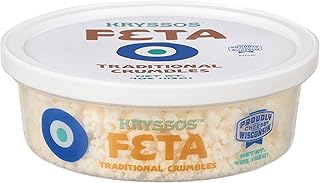


Potential Health Benefits: Its high fat content may aid in satiety and help maintain ketosis
Feta cheese, known for its crumbly texture and tangy flavor, is a dairy product that originates from Greece. It's made from sheep's or goat's milk, or a combination of both, and is often used in salads, sandwiches, and as a garnish for various dishes. But what about its place in a ketogenic diet? The keto diet is a low-carb, high-fat diet that has gained popularity for its potential weight loss and health benefits. Feta cheese is high in fat and low in carbs, making it a suitable choice for those following a keto diet.
One of the potential health benefits of feta cheese is its high fat content, which may aid in satiety and help maintain ketosis. Satiety is the feeling of fullness and satisfaction after eating, which can help prevent overeating and snacking on unhealthy foods. The high fat content in feta cheese can also help maintain ketosis, which is the state in which the body burns fat for fuel instead of carbohydrates. This can lead to weight loss and improved blood sugar control.
In addition to its high fat content, feta cheese is also a good source of protein, calcium, and other essential nutrients. Protein is important for building and repairing tissues in the body, while calcium is essential for strong bones and teeth. Feta cheese also contains probiotics, which are beneficial bacteria that can improve gut health and boost the immune system.
However, it's important to note that feta cheese is also high in sodium, which can be a concern for those with high blood pressure or other health conditions. It's recommended to consume feta cheese in moderation and to balance it with other low-sodium foods.
In conclusion, feta cheese can be a part of a ketogenic diet due to its high fat and low carb content. Its potential health benefits include aiding in satiety, maintaining ketosis, and providing essential nutrients such as protein and calcium. However, it's important to consume feta cheese in moderation due to its high sodium content.
Exploring the Gluten Content in Feta Cheese: A Comprehensive Guide
You may want to see also
Explore related products


Incorporation into Keto Meals: Feta can be used in salads, omelets, and as a garnish for various keto-friendly dishes
Feta cheese, with its tangy flavor and crumbly texture, is a versatile ingredient that can be seamlessly incorporated into a variety of keto-friendly meals. One of the simplest ways to enjoy feta on a keto diet is by adding it to salads. Toss some crumbled feta with mixed greens, cherry tomatoes, cucumbers, and a drizzle of olive oil and vinegar for a refreshing and satisfying side dish. The salty richness of the feta pairs perfectly with the crisp vegetables, making it a delightful addition to any salad.
In addition to salads, feta cheese can also be used to enhance the flavor of omelets. Whisk some crumbled feta into your eggs before cooking, and you'll be treated to a creamy, savory omelet that's both filling and delicious. You can also experiment with adding other keto-friendly ingredients, such as spinach, mushrooms, or diced bell peppers, to create a more substantial and nutritious meal. The feta will add a delightful tanginess that complements the other flavors beautifully.
Another way to incorporate feta into your keto meals is by using it as a garnish. Sprinkle some crumbled feta over roasted vegetables, such as broccoli or cauliflower, to add a burst of flavor and a touch of elegance. You can also use feta as a topping for keto-friendly soups or stews, or even as a garnish for grilled meats or fish. The salty, tangy taste of the feta will elevate the flavors of any dish it's added to, making it a go-to ingredient for keto dieters looking to add some excitement to their meals.
When it comes to portion sizes, it's important to remember that feta cheese is relatively high in calories and fat, so it should be consumed in moderation. A good rule of thumb is to limit your intake to about 1-2 ounces of feta cheese per day. This will allow you to enjoy the delicious taste and health benefits of feta without derailing your keto diet.
In conclusion, feta cheese is a fantastic addition to a keto diet when consumed in moderation. Its tangy flavor and crumbly texture make it a versatile ingredient that can be used in a variety of dishes, from salads and omelets to garnishes and toppings. By incorporating feta into your keto meals, you can add some excitement and variety to your diet while still staying true to your health goals.
Exploring the Halal Status of Feta Cheese: A Comprehensive Guide
You may want to see also
Frequently asked questions
Yes, feta cheese is generally considered keto-friendly due to its low carbohydrate content and high fat content, which aligns with the macronutrient requirements of a ketogenic diet.
The amount of feta cheese you can eat on a keto diet depends on your individual calorie and macronutrient needs. However, a typical serving size is about 1 ounce (28 grams), which contains approximately 1 gram of carbohydrates, 6 grams of protein, and 5 grams of fat.
Some other keto-friendly cheeses include cheddar, mozzarella, gouda, parmesan, and blue cheese. These cheeses are also low in carbohydrates and high in fat, making them suitable for a ketogenic diet.
Absolutely! Feta cheese can be used in a variety of keto recipes, such as salads, omelets, and casseroles. It adds a tangy flavor and creamy texture that complements many dishes while keeping them low in carbohydrates.