Patrick Oconnell
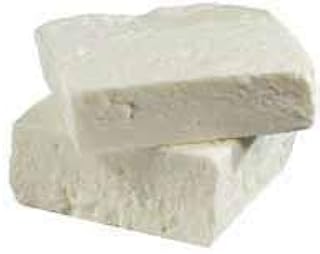
Feta cheese is a popular dairy product known for its crumbly texture and tangy flavor. It is made in Greece from sheep's milk or a mixture of sheep and goat's milk. The cheese is typically white or off-white in color and is often used in salads, sandwiches, and as a garnish for various dishes. Feta cheese is a good source of protein, calcium, and other essential nutrients, making it a nutritious addition to a balanced diet.
Explore related products



What You'll Learn
- Definition of Feta Cheese: Feta is a brined curd white cheese made in Greece from sheep's milk or from a mixture of sheep and goat's milk
- Dairy Content in Feta: Since feta cheese is made from milk, it is considered a dairy product and contains lactose
- Lactose Intolerance and Feta: Individuals with lactose intolerance may experience discomfort when consuming feta cheese due to its lactose content
- Nutritional Information: Feta cheese is rich in protein, calcium, and vitamins, but it is also high in sodium and saturated fats
- Uses of Feta Cheese: Feta is commonly used in salads, sandwiches, and as a garnish for various dishes, adding a tangy flavor

Definition of Feta Cheese: Feta is a brined curd white cheese made in Greece from sheep's milk or from a mixture of sheep and goat's milk
Feta cheese, a staple in Greek cuisine, is indeed a dairy product. It is made from the milk of sheep or a combination of sheep and goat's milk. The process begins with the milk being coagulated using rennet, an enzyme that separates the curds from the whey. These curds are then cut into small pieces and placed in a brine solution, where they are left to mature for several weeks. This brining process gives feta its distinctive tangy flavor and crumbly texture.
One of the unique characteristics of feta cheese is its versatility in cooking. It can be used in a variety of dishes, from salads to pastries, and even as a topping for pizzas. Its salty and tangy flavor profile makes it a popular choice for enhancing the taste of many Mediterranean dishes.
Feta cheese is also known for its nutritional benefits. It is a good source of protein, calcium, and vitamins B12 and K2. However, it is also high in sodium due to the brining process, so it should be consumed in moderation, especially by those with high blood pressure or on a low-sodium diet.
In terms of storage, feta cheese should be kept in the refrigerator to maintain its freshness. It is usually sold in blocks or crumbled in containers. When storing feta, it is important to keep it in its original packaging or wrap it tightly in plastic wrap to prevent it from drying out.
In conclusion, feta cheese is a delicious and versatile dairy product with a rich history and a variety of uses in cooking. Its unique flavor and texture make it a popular choice for many dishes, and it also offers several nutritional benefits. However, due to its high sodium content, it should be consumed in moderation.
Exploring the Carb Content in Feta Cheese: A Nutritional Breakdown
You may want to see also
Explore related products


Dairy Content in Feta: Since feta cheese is made from milk, it is considered a dairy product and contains lactose
Feta cheese, a staple in Mediterranean cuisine, is indeed a dairy product, as it is traditionally made from sheep's or goat's milk. This means that it contains lactose, a sugar found in milk and dairy products. Lactose is an essential component of feta cheese, contributing to its unique flavor and texture. However, for individuals with lactose intolerance, consuming feta cheese may lead to digestive discomfort.
The dairy content in feta cheese is significant, with a 100-gram serving typically containing around 4-5 grams of lactose. This is relatively high compared to other cheeses, such as cheddar or mozzarella, which contain less lactose. It's important to note that the lactose content can vary depending on the specific type of feta cheese and the manufacturing process.
For those who are lactose intolerant, there are alternatives available. Some manufacturers produce lactose-free feta cheese, which is made by adding lactase enzymes to break down the lactose. Additionally, there are non-dairy feta cheese alternatives made from plant-based ingredients, such as tofu or coconut oil, which do not contain lactose.
In conclusion, while feta cheese is a delicious and versatile ingredient, it is important to be aware of its dairy content and lactose levels, especially for individuals with dietary restrictions. By understanding the specifics of feta cheese's composition, consumers can make informed choices about their dietary intake.
Exploring the Keto Compatibility of Feta Cheese: A Nutritional Breakdown
You may want to see also
Explore related products


Lactose Intolerance and Feta: Individuals with lactose intolerance may experience discomfort when consuming feta cheese due to its lactose content
Individuals with lactose intolerance may experience discomfort when consuming feta cheese due to its lactose content. Lactose intolerance is a common digestive disorder where the body lacks lactase, an enzyme necessary to break down lactose, the primary sugar in dairy products. When lactose is not properly digested, it can lead to symptoms such as bloating, gas, abdominal pain, and diarrhea. Feta cheese, while lower in lactose compared to some other dairy products, still contains enough lactose to potentially cause discomfort in sensitive individuals.
The severity of symptoms can vary widely among people with lactose intolerance. Some may be able to tolerate small amounts of feta cheese without experiencing any issues, while others may need to avoid it entirely. It is essential for individuals with lactose intolerance to be aware of their personal tolerance levels and to monitor their symptoms when consuming feta cheese or any other dairy product.
Fortunately, there are several alternatives available for those who wish to avoid feta cheese due to lactose intolerance. Many non-dairy cheese substitutes are made from plant-based ingredients such as soy, almonds, or cashews and are naturally lactose-free. Additionally, some brands offer lactose-free feta cheese options, which have been treated with lactase to break down the lactose, making them more digestible for people with lactose intolerance.
It is also important to note that lactose intolerance is not the same as a dairy allergy. While both conditions can cause digestive symptoms, a dairy allergy is an immune system reaction to dairy proteins and can be more severe, potentially leading to anaphylaxis. Individuals with a dairy allergy should avoid all dairy products, including feta cheese, and consult with a healthcare professional for proper diagnosis and management.
In conclusion, individuals with lactose intolerance may need to limit or avoid feta cheese consumption due to its lactose content. However, with awareness of personal tolerance levels and the availability of lactose-free alternatives, it is possible to enjoy a variety of cheese options while managing lactose intolerance effectively.
Mastering the Art of Crumbling Feta Cheese: Tips and Tricks
You may want to see also
Explore related products





Nutritional Information: Feta cheese is rich in protein, calcium, and vitamins, but it is also high in sodium and saturated fats
Feta cheese, a staple in Mediterranean cuisine, boasts a rich nutritional profile that contributes to its popularity. It is an excellent source of protein, which is essential for muscle repair and growth. Additionally, feta is high in calcium, a mineral crucial for bone health, and it contains a variety of vitamins, including vitamin B12 and vitamin K, which support energy production and blood clotting, respectively.
However, feta cheese also has some nutritional drawbacks. It is notably high in sodium, which can be a concern for individuals with hypertension or those on a low-sodium diet. The high sodium content is partly due to the brining process that feta undergoes, which helps preserve the cheese and enhance its flavor. Furthermore, feta is high in saturated fats, which have been linked to an increased risk of heart disease when consumed in excess. It is important for consumers to be mindful of these factors and to enjoy feta cheese in moderation as part of a balanced diet.
When considering the nutritional information of feta cheese, it is also worth noting that it is a dairy product. This means that it is not suitable for vegans or individuals with lactose intolerance. However, for those who can consume dairy, feta cheese can be a flavorful and nutritious addition to their diet. It is often used in salads, sandwiches, and as a topping for various dishes, providing a tangy and salty flavor that complements a wide range of ingredients.
In summary, while feta cheese offers several nutritional benefits, including protein, calcium, and vitamins, it is also high in sodium and saturated fats. As such, it should be consumed in moderation as part of a balanced diet. For those who can include dairy in their diet, feta cheese can be a delicious and nutritious choice.
The Ultimate Guide to Storing Feta Cheese Blocks
You may want to see also
Explore related products


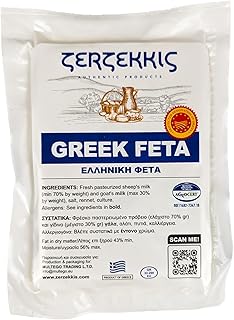
![Original PDO Feta Cheese, is an original Greek feta cheese naturally preserved in brine. The cheese is made from pasteurized sheep and goat milk. Product of Greece. [ 14.1 oz, 0.88 lb ]](https://m.media-amazon.com/images/I/51U8KSCGDGL._AC_UL320_.jpg)


Uses of Feta Cheese: Feta is commonly used in salads, sandwiches, and as a garnish for various dishes, adding a tangy flavor
Feta cheese, with its distinctive crumbly texture and tangy flavor, is a versatile ingredient that can elevate a variety of dishes. One of its most common uses is in salads, where it adds a rich, salty taste that complements fresh vegetables and fruits. For example, a classic Greek salad would be incomplete without feta cheese, which pairs beautifully with tomatoes, cucumbers, olives, and a drizzle of olive oil.
In addition to salads, feta cheese is also a popular choice for sandwiches and wraps. Its creamy yet slightly tangy flavor can enhance the taste of meats, vegetables, and spreads, making it a favorite among sandwich enthusiasts. For instance, a feta cheese and spinach wrap with grilled chicken and a light vinaigrette can make for a satisfying and nutritious meal.
Feta cheese can also be used as a garnish for various dishes, adding both flavor and visual appeal. Sprinkling crumbled feta over a plate of roasted vegetables or a baked casserole can introduce a delightful contrast in taste and texture. Moreover, feta can be incorporated into dressings and marinades, where its tangy flavor can help to balance the richness of oils and vinegars.
Beyond its culinary uses, feta cheese has cultural significance in many Mediterranean countries, particularly Greece, where it is a staple ingredient in traditional cuisine. Its history dates back thousands of years, and it has become an integral part of the region's gastronomic heritage.
In conclusion, feta cheese is a dairy product that offers a wide range of culinary applications, from enhancing the flavor of salads and sandwiches to serving as a garnish for various dishes. Its unique taste and texture make it a valuable addition to any kitchen, and its cultural importance underscores its enduring popularity.
Exploring the Paleo Diet: Is Feta Cheese a Suitable Choice?
You may want to see also
Frequently asked questions
Yes, feta cheese is a dairy product as it is made from sheep's or goat's milk.
The main ingredients used to make feta cheese are sheep's or goat's milk, salt, and rennet.
While feta cheese does contain lactose, it is generally lower in lactose compared to other cheeses. Some lactose intolerant individuals may be able to consume small amounts of feta cheese without experiencing symptoms, but it is best to consult with a healthcare professional for personalized advice.
Feta cheese is commonly used in salads, sandwiches, and as a topping for dishes such as pasta and pizza. It can also be crumbled over vegetables or used in dips and spreads.