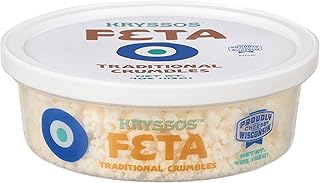
Andy Montoya
Feta cheese, known for its crumbly texture and tangy flavor, originates from Greece. This brined curd white cheese is traditionally made from sheep's milk, although goat's milk is also commonly used. Feta has a rich history dating back to ancient times and is an integral part of Greek cuisine, often featured in salads, pastries, and as a table cheese. Its production is protected under European Union law, ensuring that only cheese made in Greece using traditional methods can be labeled as feta.
Explore related products


What You'll Learn
- Origins of Feta Cheese: Feta cheese originates from Greece, with a history dating back thousands of years
- Traditional Production Regions: It is traditionally produced in various regions of Greece, including Thessaly, Macedonia, and Crete
- EU Protected Designation of Origin (PDO): Feta cheese has a PDO status within the European Union, ensuring its authenticity and quality
- Global Production: Outside Greece, feta cheese is also produced in countries like the United States, Canada, and Australia
- Cultural Significance: Feta cheese holds significant cultural importance in Greek cuisine and is often associated with Mediterranean diets

Origins of Feta Cheese: Feta cheese originates from Greece, with a history dating back thousands of years
Feta cheese, a staple in Greek cuisine, has a rich history that dates back thousands of years. The origins of feta cheese can be traced to ancient Greece, where it was first produced. The word "feta" itself is derived from the Greek word "φέτα," which means "slice" or "piece." This name reflects the traditional method of cutting the cheese into small pieces or slices for consumption.
The production of feta cheese is believed to have begun in the region of Macedonia, in northern Greece. From there, it spread to other parts of Greece and eventually became a popular cheese throughout the Mediterranean region. Feta cheese is made from sheep's milk, and its unique flavor and texture are a result of the specific production methods used.
One of the key factors that contribute to the distinct taste of feta cheese is the process of brining. After the cheese is formed, it is typically soaked in a saltwater brine for several weeks. This process not only preserves the cheese but also enhances its flavor, giving it a tangy and slightly salty taste.
Feta cheese has played an important role in Greek culture and cuisine for centuries. It is often used in a variety of dishes, from salads and sandwiches to pastries and desserts. In addition to its culinary uses, feta cheese has also been associated with various health benefits. It is a good source of protein, calcium, and other essential nutrients, making it a popular choice for those looking to incorporate healthy foods into their diet.
Today, feta cheese is produced in many countries around the world, but its origins and traditional production methods remain closely tied to Greece. The country's unique climate, geography, and cultural heritage have all contributed to the development of this beloved cheese, making it an integral part of Greek identity and cuisine.
Exploring the Nutritional Profile of Feta Cheese: A Detailed Look
You may want to see also
Explore related products


Traditional Production Regions: It is traditionally produced in various regions of Greece, including Thessaly, Macedonia, and Crete
Feta cheese, a staple in Greek cuisine, boasts a rich heritage that spans several regions of Greece. Traditionally, its production is concentrated in areas known for their unique climates and pastoral landscapes, which contribute significantly to the cheese's distinct flavor and texture.
One of the primary regions for feta cheese production is Thessaly, located in central Greece. This area is characterized by its vast plains and temperate climate, providing ideal conditions for sheep grazing. The milk from these sheep, particularly the Thessalian breed, is renowned for its high quality and is a key ingredient in authentic feta cheese.
Macedonia, another significant production region, offers a diverse terrain that ranges from mountainous areas to fertile valleys. This geographical variety allows for a mix of sheep breeds, each contributing its unique characteristics to the cheese. The cooler climate of Macedonia also plays a crucial role in the aging process of feta, enhancing its flavor complexity.
Crete, the largest Greek island, is also a notable producer of feta cheese. The island's rugged landscape and Mediterranean climate create a distinct environment for sheep farming. Cretan feta is often made from a blend of sheep's and goat's milk, giving it a slightly different taste profile compared to feta from other regions.
In addition to these main regions, other areas such as Epirus, the Peloponnese, and the Aegean islands also contribute to Greece's feta cheese production. Each region's unique combination of climate, terrain, and livestock breeds results in subtle variations of feta, making it a diverse and flavorful cheese that is cherished both in Greece and around the world.
Exploring Dairy Alternatives: Is Feta Cheese Suitable for Lactose Intolerance?
You may want to see also
Explore related products


EU Protected Designation of Origin (PDO): Feta cheese has a PDO status within the European Union, ensuring its authenticity and quality
Feta cheese, a staple in Greek cuisine, is not just any cheese; it's a cheese with a protected identity within the European Union. The EU Protected Designation of Origin (PDO) status ensures that feta cheese is produced in a specific region using traditional methods, thereby guaranteeing its authenticity and quality. This designation is a mark of prestige and a safeguard against imitation, preserving the cultural heritage and culinary traditions associated with feta cheese.
The PDO status for feta cheese is rooted in its geographical origin. Feta cheese must be made in Greece, specifically in the regions of Macedonia, Thrace, Epirus, Central Greece, and the Peloponnese. These regions have a long history of cheese-making, and the local climate, soil, and vegetation contribute to the unique flavor profile of feta cheese. The PDO designation ensures that the cheese is made from sheep's milk or a mixture of sheep's and goat's milk, following a specific production process that includes salting, brining, and aging.
One of the key benefits of the PDO status is the assurance of quality. Feta cheese produced under this designation must meet strict standards, from the type of milk used to the aging process. This ensures that consumers are getting a product that is consistent in taste, texture, and nutritional value. The PDO status also supports local economies, as it encourages the production of feta cheese in its traditional regions, thereby preserving jobs and promoting sustainable agriculture.
Moreover, the PDO designation helps to protect the cultural significance of feta cheese. It is not just a food product; it is a symbol of Greek heritage and tradition. By ensuring that feta cheese is produced in a specific way and in specific regions, the PDO status helps to maintain the cultural identity associated with this iconic cheese. This is particularly important in an era of globalization, where traditional foods and practices are often at risk of being lost or diluted.
In conclusion, the EU Protected Designation of Origin (PDO) status for feta cheese is a crucial safeguard that ensures the authenticity, quality, and cultural significance of this beloved Greek cheese. It is a testament to the European Union's commitment to preserving traditional foods and supporting local economies, while also providing consumers with a product that is both delicious and trustworthy.
Exploring Dairy Sensitivities: Lactose Content in Feta Cheese
You may want to see also
Explore related products


Global Production: Outside Greece, feta cheese is also produced in countries like the United States, Canada, and Australia
Feta cheese, traditionally associated with Greece, has transcended its origins to become a globally produced dairy product. The United States, Canada, and Australia are among the countries that have embraced feta cheese production, contributing to its worldwide availability and popularity. This expansion is a testament to the cheese's versatility and the growing demand for diverse culinary experiences.
In the United States, feta cheese production has been steadily increasing, with several states, including Wisconsin and California, leading the way. American-made feta often has a milder flavor profile compared to its Greek counterpart, catering to a broader range of palates. The U.S. market has also seen the emergence of artisanal feta producers who focus on traditional methods and high-quality ingredients, offering consumers a more authentic taste experience.
Canada, with its strong dairy industry, has also become a significant player in feta cheese production. Canadian feta is known for its creamy texture and is often made from sheep's milk, which is a departure from the traditional goat's milk used in Greek feta. This variation adds a unique dimension to the cheese's flavor and appeals to those seeking a different take on the classic feta taste.
Australia, with its favorable climate for sheep farming, has a natural advantage in producing high-quality feta cheese. Australian feta is often characterized by its rich, tangy flavor and is made using a combination of sheep's and goat's milk. The country's feta producers have been successful in capturing both the domestic and international markets, showcasing the adaptability and appeal of this cheese variety.
The global production of feta cheese outside Greece has not only met the increasing demand for this dairy product but has also led to the development of new flavor profiles and production techniques. This diversification has enriched the culinary landscape, offering consumers a wider range of feta cheese options to explore and enjoy.
Feta Cheese During Pregnancy: Safe or Unsafe?
You may want to see also
Explore related products



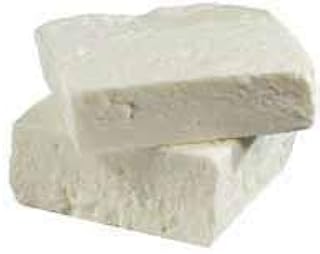
Cultural Significance: Feta cheese holds significant cultural importance in Greek cuisine and is often associated with Mediterranean diets
Feta cheese is deeply intertwined with Greek culture and cuisine, serving as a staple ingredient in numerous traditional dishes. Its origins can be traced back to ancient Greece, where it was first produced using sheep's milk. Over the centuries, feta has become synonymous with Greek gastronomy, often used in salads, pastries, and as a table cheese. The cheese's distinct tangy flavor and crumbly texture make it a versatile ingredient that enhances the taste of various dishes.
One of the most iconic uses of feta cheese is in the classic Greek salad, where it is combined with fresh tomatoes, cucumbers, onions, olives, and olive oil. This simple yet flavorful dish exemplifies the Mediterranean diet, which is renowned for its health benefits. Feta cheese is also a key component in spanakopita, a savory spinach and feta pie that is a beloved Greek comfort food. The cheese's rich flavor complements the earthy taste of spinach, creating a harmonious blend that is both satisfying and nutritious.
Beyond its culinary uses, feta cheese holds symbolic significance in Greek culture. It is often served at celebrations and gatherings, symbolizing hospitality and generosity. The cheese is also associated with religious traditions, particularly during the Orthodox Christian period of Lent, when dairy products are prohibited. Feta cheese, being made from sheep's milk, is exempt from this restriction and is therefore consumed during this time.
In recent years, feta cheese has gained international recognition for its unique taste and cultural heritage. It has been granted Protected Designation of Origin (PDO) status by the European Union, ensuring that only cheese produced in Greece using traditional methods can be labeled as feta. This designation not only protects the authenticity of feta cheese but also promotes its cultural significance and economic value.
In conclusion, feta cheese is more than just a food item; it is a cultural symbol that embodies the rich history and traditions of Greece. Its versatility in cooking, association with the Mediterranean diet, and symbolic importance in Greek culture make it a cherished ingredient that continues to captivate food enthusiasts around the world.
The Ultimate Guide to Storing Feta Cheese Blocks
You may want to see also
Frequently asked questions
Feta cheese originates from Greece. It is a traditional Greek cheese made from sheep's milk or a mixture of sheep and goat's milk.
Feta cheese has a long history dating back to ancient Greece. It is believed to have been first made over 2,000 years ago. The name "feta" comes from the Greek word "φέτα," which means "slice" or "piece."
Feta cheese is made by coagulating sheep's milk or a mixture of sheep and goat's milk using rennet. The curds are then cut into small pieces, salted, and left to drain in a basket. After a few days, the cheese is transferred to a brine solution where it is aged for several weeks to develop its characteristic tangy flavor.
Feta cheese is a versatile ingredient that can be used in a variety of dishes. It is often crumbled over salads, such as Greek salad, or used as a topping for pizzas and pastries. Feta cheese can also be grilled or pan-fried and served as an appetizer or incorporated into sandwiches and wraps.