Frederic Melton
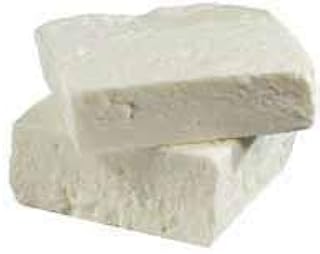
Feta cheese, a popular choice for its tangy flavor and crumbly texture, is often used in salads, sandwiches, and Mediterranean dishes. When considering the nutritional content of feta cheese, one important aspect to examine is its fat content. Understanding the amount of fat in feta cheese can help individuals make informed dietary choices, particularly those monitoring their calorie intake or managing specific health conditions. In this paragraph, we will explore the typical fat content found in feta cheese and discuss how it compares to other types of cheese.
Explore related products




What You'll Learn
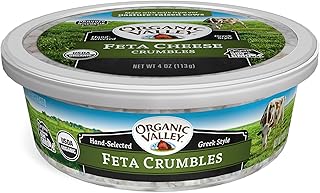
- Feta Cheese Nutrition Facts: Overview of nutritional content, including fat, calories, and protein per serving
- Types of Feta Cheese: Variations in fat content among different brands and styles of feta cheese
- Health Benefits of Feta: Potential health advantages of consuming feta cheese in moderation, considering its fat content
- Comparing Feta to Other Cheeses: Analysis of fat content in feta cheese relative to other popular cheese types
- Low-Fat Feta Options: Availability and nutritional information of reduced-fat or low-fat feta cheese alternatives

Feta Cheese Nutrition Facts: Overview of nutritional content, including fat, calories, and protein per serving
Feta cheese, a staple in Mediterranean cuisine, is known for its tangy flavor and crumbly texture. But what about its nutritional profile? A 100-gram serving of feta cheese contains approximately 21 grams of fat, which is a significant portion of the daily recommended intake. Of this fat content, about 14 grams are saturated fats, which should be consumed in moderation as they can contribute to increased cholesterol levels and heart disease risk when eaten excessively.
In terms of calories, feta cheese is relatively high, with around 250 calories per 100 grams. This makes it a calorie-dense food, so portion control is essential for those watching their caloric intake. On the positive side, feta cheese is a good source of protein, providing about 14 grams per 100-gram serving. Protein is crucial for muscle repair and growth, making feta cheese a beneficial addition to a balanced diet in moderation.
Feta cheese also contains essential vitamins and minerals, including calcium, phosphorus, and vitamin B12. Calcium is vital for strong bones and teeth, while phosphorus plays a role in energy production and cell growth. Vitamin B12 is necessary for red blood cell formation and neurological function. However, it's important to note that feta cheese is also high in sodium, with about 580 milligrams per 100 grams, which can be a concern for those with high blood pressure or on a low-sodium diet.
When considering the nutritional facts of feta cheese, it's clear that while it offers some health benefits, it should be consumed in moderation due to its high fat, calorie, and sodium content. Incorporating feta cheese into a balanced diet that includes a variety of fruits, vegetables, whole grains, and lean proteins can help ensure that you're getting the nutrients you need while managing your intake of less healthy components.
The Aging Process of Feta Cheese: A Comprehensive Guide
You may want to see also
Explore related products


Types of Feta Cheese: Variations in fat content among different brands and styles of feta cheese
Feta cheese, a staple in Mediterranean cuisine, is known for its crumbly texture and tangy flavor. However, not all feta cheeses are created equal when it comes to fat content. The variations in fat content among different brands and styles of feta cheese can be significant, impacting both the taste and the nutritional value of the cheese.
One of the primary factors influencing the fat content in feta cheese is the type of milk used in its production. Feta cheese can be made from whole milk, low-fat milk, or a combination of both. Whole milk feta cheese typically has a higher fat content, ranging from 8% to 12% fat by weight, while low-fat feta cheese usually contains between 2% to 4% fat by weight. Some brands also offer non-fat feta cheese, which has less than 1% fat by weight.
In addition to the type of milk, the aging process and the specific production methods employed by different manufacturers can also affect the fat content of feta cheese. For instance, some feta cheeses are aged for a longer period, which can result in a drier, lower-fat cheese. Others may be brined or salted differently, impacting the overall fat content.
When comparing different brands and styles of feta cheese, it is essential to check the nutrition label for the specific fat content. This information is usually listed per serving size, making it easier for consumers to make informed choices based on their dietary needs and preferences. For those looking to reduce their fat intake, opting for low-fat or non-fat feta cheese can be a healthier alternative without sacrificing too much on flavor.
In conclusion, the fat content in feta cheese can vary widely depending on the type of milk, production methods, and aging process. By understanding these variations and checking the nutrition labels, consumers can choose the type of feta cheese that best fits their dietary requirements while still enjoying the rich taste and versatility of this popular cheese.
Exploring the Low FODMAP Diet: Is Feta Cheese a Suitable Choice?
You may want to see also
Explore related products


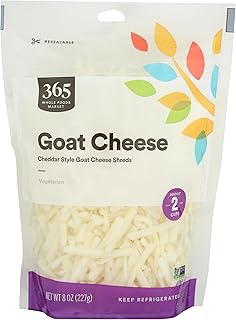

Health Benefits of Feta: Potential health advantages of consuming feta cheese in moderation, considering its fat content
Feta cheese, a staple in Mediterranean cuisine, is renowned not only for its tangy flavor but also for its potential health benefits when consumed in moderation. Despite its relatively high fat content, feta cheese can be a valuable addition to a balanced diet due to its unique nutritional profile.
One of the key health advantages of feta cheese is its rich content of conjugated linoleic acid (CLA), a type of fatty acid that has been linked to various health benefits. CLA is known for its anti-inflammatory properties and has been shown to support immune function and reduce body fat. Additionally, feta cheese is a good source of calcium, which is essential for strong bones and teeth, and plays a crucial role in muscle function and nerve transmission.
Feta cheese also contains a significant amount of protein, which is important for muscle growth and repair, as well as for maintaining healthy skin, hair, and nails. The protein in feta cheese can also help to promote feelings of fullness, which may aid in weight management. Furthermore, feta cheese is a source of probiotics, beneficial bacteria that support digestive health and may help to boost the immune system.
However, it is important to note that feta cheese is also high in sodium, which can be a concern for individuals with high blood pressure or those who are watching their salt intake. As with any food, moderation is key, and it is essential to balance the consumption of feta cheese with other nutrient-dense foods.
In conclusion, while feta cheese does contain a significant amount of fat, its unique nutritional profile, including its content of CLA, calcium, protein, and probiotics, means that it can offer potential health benefits when consumed in moderation as part of a balanced diet.
Exploring the Paleo Diet: Is Feta Cheese a Suitable Choice?
You may want to see also
Explore related products
![Crumbled Traditional Feta Cheese , delivers a deliciously creamy, tangy flavor inspired by Greek tradition. Made with fresh, simple ingredients, this feta is easy to sprinkle over your favorite dishes—from salads and wraps to pastas and grain bowls. Add a flavorful twist to everyday meals with ease. Conveniently packaged in a resealable tub . [16 oz . 1 poubd ]](https://m.media-amazon.com/images/I/51PwpPkU-oL._AC_UL320_.jpg)

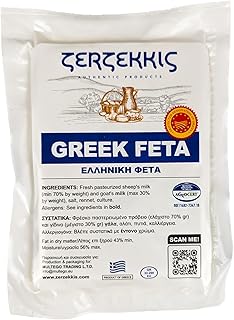

Comparing Feta to Other Cheeses: Analysis of fat content in feta cheese relative to other popular cheese types
Feta cheese, known for its crumbly texture and tangy flavor, is often a staple in Mediterranean diets. When comparing the fat content of feta to other popular cheese types, it's essential to consider both the nutritional benefits and the culinary uses of each cheese. Feta typically contains around 21 grams of fat per 100 grams, which is relatively high but not the highest among cheeses.
In comparison, cheeses like mozzarella and provolone have slightly lower fat contents, with mozzarella containing approximately 19 grams of fat per 100 grams and provolone around 20 grams. These cheeses are often used in Italian cuisine and are known for their mild flavors and excellent melting properties.
On the other end of the spectrum, cheeses such as blue cheese and Roquefort have significantly higher fat contents, with blue cheese containing around 32 grams of fat per 100 grams and Roquefort a staggering 38 grams. These cheeses are prized for their strong, pungent flavors and are often used in small quantities to add depth to dishes.
When considering the fat content of feta cheese, it's also important to think about its role in a balanced diet. Feta is a good source of protein, calcium, and vitamins B12 and K2. It's often used in salads, sandwiches, and as a topping for dishes like pasta and pizza. In moderation, feta can be a healthy addition to a variety of meals.
In conclusion, while feta cheese does have a relatively high fat content compared to some other cheeses, it also offers a range of nutritional benefits and culinary versatility. When choosing cheeses for a balanced diet, it's important to consider not just the fat content but also the overall nutritional profile and how the cheese will be used in cooking.
Starbucks Feta Cheese: Pasteurized or Not? A Comprehensive Guide
You may want to see also
Explore related products


Low-Fat Feta Options: Availability and nutritional information of reduced-fat or low-fat feta cheese alternatives
For individuals seeking to reduce their fat intake without sacrificing the tangy flavor of feta cheese, several low-fat and reduced-fat alternatives are available on the market. These options typically contain between 20-40% less fat than traditional feta cheese, making them a healthier choice for those monitoring their dietary fat consumption.
One popular brand offering low-fat feta is Athenos, which produces a reduced-fat feta cheese with 25% less fat than their regular feta. Another option is the Feta Crumbles from Trader Joe's, which are made from skim milk and have a significantly lower fat content compared to full-fat feta. Additionally, some grocery stores carry store-brand low-fat feta options that can be more budget-friendly.
When comparing the nutritional information of low-fat feta alternatives, it's essential to look at both the fat content and the overall nutritional profile. While reduced-fat feta may have fewer calories and less saturated fat, it can also be higher in sodium and may contain added ingredients to enhance flavor and texture. For example, Athenos Reduced Fat Feta Cheese contains 120 calories and 9 grams of fat per 1/4 cup serving, compared to 160 calories and 14 grams of fat in their regular feta cheese.
Incorporating low-fat feta into your diet can be a practical way to enjoy the taste of feta while adhering to dietary guidelines or personal health goals. However, it's crucial to remember that even low-fat cheese should be consumed in moderation as part of a balanced diet. When using low-fat feta in recipes, consider pairing it with other flavorful ingredients to enhance the overall taste and nutritional value of the dish.
In summary, low-fat feta options provide a viable alternative for those looking to reduce their fat intake without giving up the distinct flavor of feta cheese. By understanding the availability and nutritional information of these alternatives, individuals can make informed choices that align with their dietary needs and preferences.
Exploring the Kosher Status of Feta Cheese: A Comprehensive Guide
You may want to see also
Frequently asked questions
A typical serving of feta cheese, which is about 28 grams or 1 ounce, contains approximately 6 grams of fat.
About 40% of the fat in feta cheese is saturated. For a 28-gram serving, this equates to roughly 2.4 grams of saturated fat.
Feta cheese has a relatively lower fat content compared to many other cheeses. For instance, cheddar cheese has around 9 grams of fat per ounce, while mozzarella has about 7 grams. However, the fat content can vary depending on the specific type and brand of cheese.
Feta cheese can be a part of a low-fat diet when consumed in moderation. While it does contain fat, it has less than many other cheeses and can add flavor to dishes without significantly increasing the overall fat content. It's important to keep portion sizes in check and balance it with other low-fat foods.