Patrick Oconnell
Feta cheese, a staple in Greek cuisine, is made from the milk of sheep or goats. This brined curd white cheese is known for its crumbly texture and tangy, salty flavor. It's commonly used in salads, pastries, and as a table cheese. The process of making feta involves coagulating the milk with rennet, then cutting the curds into small pieces, which are later brined to develop its distinctive taste. Feta cheese is not only a delicious addition to various dishes but also holds cultural significance in Mediterranean diets.
Explore related products


What You'll Learn
- Origin of Feta Cheese: Feta cheese originates from Greece, traditionally made from sheep's or goat's milk
- Milk Source Animals: Sheep and goats are the primary animals whose milk is used to produce feta cheese
- Cheese Production Process: The process involves coagulating milk, separating curds, and aging them in brine to develop feta's distinct flavor
- Nutritional Information: Feta cheese is rich in protein, calcium, and vitamins, but also high in sodium and fat
- Culinary Uses: Feta is commonly used in salads, pastries, and as a garnish, adding a tangy and salty flavor

Origin of Feta Cheese: Feta cheese originates from Greece, traditionally made from sheep's or goat's milk
Feta cheese, a staple in Greek cuisine, has a rich history that dates back centuries. Traditionally, this brined curd cheese is made from either sheep's or goat's milk, with some modern variations using cow's milk or a combination of these. The origins of feta cheese are deeply intertwined with the agricultural practices of ancient Greece, where sheep and goats were commonly raised for their milk.
The process of making feta cheese involves coagulating the milk with rennet, then cutting the curd into small pieces and brining them in a saltwater solution. This method of cheese-making is believed to have been developed in the Mediterranean region, where the climate and terrain were well-suited for raising sheep and goats. Over time, feta cheese became an integral part of Greek culture and cuisine, often used in salads, pastries, and as a table cheese.
One of the unique aspects of feta cheese is its distinct flavor profile, which can vary depending on the type of milk used and the aging process. Sheep's milk feta tends to have a richer, creamier taste, while goat's milk feta is often tangier and more pungent. The combination of these flavors has made feta cheese a popular ingredient in many dishes around the world.
In recent years, feta cheese has gained international recognition for its health benefits. It is a good source of protein, calcium, and vitamins B12 and K2. Additionally, feta cheese contains probiotics that can aid in digestion and support gut health. As a result, it has become a popular choice for those looking to incorporate more nutritious foods into their diets.
Despite its growing popularity, feta cheese remains a product deeply rooted in Greek tradition. The country has strict regulations governing the production of feta cheese, ensuring that it is made using traditional methods and meets specific quality standards. This commitment to preserving the authenticity of feta cheese has helped to maintain its unique flavor and cultural significance.
The Shelf Life of Feta Cheese: Does It Really Expire?
You may want to see also
Explore related products


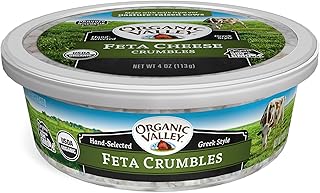


Milk Source Animals: Sheep and goats are the primary animals whose milk is used to produce feta cheese
Feta cheese, a staple in Mediterranean cuisine, is traditionally made from the milk of sheep or goats. These animals are the primary sources of milk for feta cheese production, a practice that dates back thousands of years. The milk from sheep and goats is rich in nutrients and has a unique composition that gives feta cheese its distinctive flavor and texture.
The process of making feta cheese involves several steps, starting with the collection of milk from the animals. The milk is then pasteurized to kill any harmful bacteria and is mixed with rennet, an enzyme that helps to curdle the milk. Once the milk has curdled, it is strained to separate the curds from the whey. The curds are then pressed into molds and left to age for several weeks, during which time they develop their characteristic tangy flavor.
One of the reasons why sheep and goats are preferred for feta cheese production is because their milk is naturally homogenized, meaning that the fat and protein molecules are evenly distributed throughout the milk. This results in a cheese that is smooth and creamy, with a consistent texture. Additionally, the milk from these animals is high in calcium and protein, which are important nutrients for maintaining strong bones and muscles.
In some regions, feta cheese is also made from the milk of cows or buffalo, but these varieties are less common and may have a different flavor and texture than traditional feta cheese. When shopping for feta cheese, it is important to look for products that are made from the milk of sheep or goats, as these are the most authentic and flavorful options.
Overall, the use of sheep and goats as milk sources for feta cheese production is a time-honored tradition that continues to this day. The unique composition of their milk, combined with the careful production process, results in a cheese that is both delicious and nutritious.
Exploring the Salty Side of Feta Cheese: A Flavorful Journey
You may want to see also
Explore related products


Cheese Production Process: The process involves coagulating milk, separating curds, and aging them in brine to develop feta's distinct flavor
Feta cheese, a staple in Mediterranean cuisine, is made primarily from sheep's milk, although goat's milk can also be used. The production process begins with the coagulation of milk, which is achieved by adding rennet, an enzyme that causes the milk proteins to clump together and form curds. This step is crucial as it determines the texture and consistency of the final product.
Once the curds have formed, they are separated from the whey, the liquid component of the milk. This separation is typically done by straining the curds through a cheesecloth or a similar material. The curds are then cut into smaller pieces, which allows for more even aging and flavor development.
The aging process is where feta cheese develops its distinct flavor. The curds are placed in a brine solution, which is a mixture of water, salt, and sometimes other ingredients like vinegar or olive oil. The cheese is left to age in the brine for several weeks to months, during which time it absorbs the flavors of the brine and develops its characteristic tangy taste.
Throughout the aging process, the cheese is regularly turned and stirred to ensure even exposure to the brine. This also helps to prevent the formation of mold or other unwanted growths. Once the cheese has reached the desired level of flavor and texture, it is removed from the brine and allowed to drain.
The final product is a crumbly, white cheese with a strong, salty flavor. Feta cheese is often used in salads, sandwiches, and as a topping for various dishes. Its unique flavor and texture make it a popular choice for many culinary applications.
Exploring the Pasteurization Process of Feta Cheese: A Comprehensive Guide
You may want to see also
Explore related products




Nutritional Information: Feta cheese is rich in protein, calcium, and vitamins, but also high in sodium and fat
Feta cheese, a staple in Mediterranean cuisine, boasts a rich nutritional profile that makes it a valuable addition to a balanced diet. It is an excellent source of protein, which is essential for muscle repair and growth. A 100-gram serving of feta cheese provides approximately 4 grams of protein, making it a good option for those looking to increase their protein intake.
In addition to protein, feta cheese is also high in calcium, a mineral crucial for bone health. The same 100-gram serving contains about 400 milligrams of calcium, which is roughly 40% of the recommended daily intake for adults. This makes feta cheese an excellent choice for individuals looking to support their bone health, particularly postmenopausal women and older adults who are at a higher risk of osteoporosis.
Feta cheese is also a good source of vitamins, including vitamin B12, which is important for nerve function and the production of red blood cells, and vitamin K, which plays a role in blood clotting and bone health. However, it is important to note that feta cheese is also high in sodium and fat. A 100-gram serving contains about 600 milligrams of sodium, which is roughly 25% of the recommended daily intake, and 21 grams of fat, of which 14 grams are saturated fat.
For individuals looking to incorporate feta cheese into their diet, it is important to do so in moderation, particularly if they are watching their sodium or fat intake. One way to enjoy feta cheese while keeping sodium and fat levels in check is to pair it with fresh fruits and vegetables, which can help balance out the richness of the cheese. Additionally, choosing a lower-fat variety of feta cheese or using it as a flavor enhancer rather than the main ingredient can also help reduce overall fat intake.
In conclusion, feta cheese is a nutritious food that can provide a range of health benefits when consumed in moderation. Its high protein and calcium content make it an excellent choice for supporting muscle and bone health, while its vitamin content can contribute to overall well-being. However, its high sodium and fat content mean that it should be enjoyed as part of a balanced diet, with attention paid to portion sizes and pairing with other nutrient-dense foods.
Feta Cheese Storage: Refrigeration Essentials for Optimal Freshness
You may want to see also
Explore related products


Culinary Uses: Feta is commonly used in salads, pastries, and as a garnish, adding a tangy and salty flavor
Feta cheese, with its distinctive tangy and salty flavor, is a versatile ingredient in the culinary world. One of its most popular uses is in salads, where it adds a rich, creamy texture and a burst of flavor that complements fresh vegetables and fruits. Greek salads, in particular, are renowned for their generous chunks of feta, which pair beautifully with juicy tomatoes, crisp cucumbers, and briny olives.
In addition to salads, feta is a common ingredient in various pastries and baked goods. Spanakopita, a traditional Greek spinach pie, is a prime example, where feta is mixed with spinach and herbs, then encased in flaky phyllo dough and baked to golden perfection. Feta's salty tanginess enhances the earthy flavor of the spinach, creating a harmonious balance of tastes.
Feta also serves as an excellent garnish, adding a touch of elegance and flavor to a wide range of dishes. It can be crumbled over pasta dishes, such as a simple spaghetti aglio e olio, to introduce a salty, tangy element that elevates the overall taste. Similarly, feta can be sprinkled over roasted vegetables or grilled meats, providing a creamy contrast to the smoky, charred flavors.
Beyond its culinary uses, feta's tangy and salty flavor profile makes it a popular choice for cheese boards and platters. When paired with sweet fruits, such as figs or grapes, and crusty bread, feta becomes a star ingredient, offering a delightful contrast of flavors and textures. Its versatility and unique taste make feta a beloved cheese in many cuisines around the world.
Exploring the Origins: Is Feta Cheese Truly Sheep's Milk?
You may want to see also
Frequently asked questions
Feta cheese is made from sheep's milk or a mixture of sheep's and goat's milk.
Feta cheese is produced by coagulating the milk with rennet, then draining and pressing the curds into blocks, which are later cut into smaller pieces and stored in brine.
Feta cheese is rich in protein, calcium, and vitamins B12 and K2. It also contains a moderate amount of fat and calories.