Kamil Perry
Feta cheese, a staple in Greek cuisine, is often a topic of curiosity for cheese enthusiasts and culinary explorers alike. This crumbly, white cheese is known for its tangy and salty flavor, making it a versatile ingredient in salads, pastries, and various dishes. But what many may not know is that feta cheese is traditionally made from sheep's milk, or a combination of sheep's and goat's milk. In this paragraph, we'll delve into the origins of feta cheese, its production process, and the characteristics that make it a beloved addition to many meals around the world.
Explore related products


What You'll Learn
- Origin: Feta cheese originates from Greece, traditionally made from sheep's milk or a mixture of sheep and goat's milk
- Production Process: It involves curdling milk with rennet, straining the curds, and brining them in a salt solution for several weeks
- Nutritional Content: Feta is rich in protein, calcium, and vitamins B12 and K2, but it's also high in sodium and saturated fats
- Culinary Uses: Commonly used in Greek cuisine, salads, pastries, and as a table cheese; it pairs well with olives and wine
- Varieties: There are different types of feta, including PDO (Protected Designation of Origin) feta, which must be produced in Greece

Origin: Feta cheese originates from Greece, traditionally made from sheep's milk or a mixture of sheep and goat's milk
Feta cheese, a staple in Greek cuisine, has a rich history that dates back centuries. Originating in Greece, this brined curd white cheese is traditionally made from sheep's milk or a mixture of sheep and goat's milk. The specific blend of milk used can vary depending on the region and the producer's preference, but the core ingredient remains sheep's milk.
The process of making feta cheese is an art form that has been passed down through generations. It begins with the pasteurization of the milk, followed by the addition of rennet to coagulate the milk. The curds are then cut into small pieces and left to drain before being placed in a brine solution. This brine, typically made from salt and water, is where the cheese gets its characteristic tangy flavor. The feta cheese is left to age in the brine for several months, during which time it develops its distinct crumbly texture and sharp taste.
One of the unique aspects of feta cheese is its versatility in cooking. It can be used in a variety of dishes, from salads and sandwiches to pastries and desserts. In Greek cuisine, feta is often paired with ingredients like olives, tomatoes, and herbs to create flavorful and refreshing dishes. Its crumbly texture also makes it an excellent cheese for sprinkling over dishes as a garnish.
Despite its popularity, there are some misconceptions about feta cheese. One common myth is that all feta cheese is made from sheep's milk. While sheep's milk is the traditional base, many modern producers use a combination of sheep and goat's milk to create a milder flavor. Another misconception is that feta cheese is high in fat. In reality, feta is relatively low in fat compared to other cheeses, making it a healthier option for those looking to enjoy cheese without the guilt.
In conclusion, feta cheese is a beloved Greek cheese with a storied past and a versatile present. Its unique flavor and texture make it a favorite in both traditional and modern dishes, and its relatively low fat content makes it a healthier cheese option. Whether enjoyed on its own or as part of a meal, feta cheese is a delicious and nutritious addition to any diet.
Exploring the Texture: Is Feta a Hard Cheese?
You may want to see also
Explore related products


Production Process: It involves curdling milk with rennet, straining the curds, and brining them in a salt solution for several weeks
Feta cheese, a staple in Greek cuisine, is traditionally made from sheep's milk, although goat's milk can also be used. The production process begins with the curdling of milk using rennet, a complex enzyme that causes the milk proteins to coagulate and form curds. This step is crucial as it determines the texture and consistency of the final product.
Once the curds have formed, they are strained to remove excess whey. This straining process is typically done using a cheesecloth or a similar material that allows the whey to drain away while retaining the curds. The curds are then cut into smaller pieces, which helps to release more whey and further firm up the cheese.
After straining and cutting, the curds are brined in a salt solution for several weeks. This brining process not only preserves the cheese but also enhances its flavor and texture. The salt draws out moisture from the curds, concentrating the flavors and creating a firmer, more crumbly texture. The length of the brining period can vary depending on the desired level of saltiness and firmness.
During the brining process, the cheese is often turned and stirred to ensure even exposure to the salt solution. This helps to prevent the formation of any off-flavors or uneven textures. Once the brining is complete, the cheese is drained and can be either air-dried or aged in oil, depending on the specific variety of feta being produced.
The entire production process, from curdling to brining, requires careful attention to detail and a deep understanding of the chemical and physical changes occurring in the milk. Skilled cheesemakers use their knowledge and experience to monitor each step, making adjustments as needed to ensure a high-quality final product. The result is a cheese that is not only delicious but also rich in history and tradition.
Exploring the Vegetarian Status of Feta Cheese: A Comprehensive Guide
You may want to see also
Explore related products





Nutritional Content: Feta is rich in protein, calcium, and vitamins B12 and K2, but it's also high in sodium and saturated fats
Feta cheese, a staple in Mediterranean cuisine, boasts a rich nutritional profile that makes it a valuable addition to a balanced diet. It is an excellent source of protein, which is essential for muscle repair and growth, and calcium, crucial for maintaining strong bones and teeth. Additionally, feta is rich in vitamins B12 and K2, which play vital roles in energy metabolism and blood clotting, respectively.
However, it's important to note that feta is also high in sodium and saturated fats. Excessive sodium intake can lead to high blood pressure and other cardiovascular issues, while saturated fats have been linked to an increased risk of heart disease. Therefore, while feta can be a nutritious choice, it should be consumed in moderation as part of a well-rounded diet.
When incorporating feta into meals, consider pairing it with foods that are low in sodium and saturated fats to balance out its nutritional content. For example, combining feta with fresh vegetables in a salad or using it as a topping for whole-grain dishes can help create a more balanced meal. Additionally, opting for lower-fat varieties of feta or using it sparingly can help reduce the overall intake of saturated fats.
In summary, feta cheese offers several nutritional benefits, including being a good source of protein, calcium, and vitamins B12 and K2. However, its high sodium and saturated fat content means it should be enjoyed in moderation and balanced with other nutritious foods to maintain a healthy diet.
Exploring the Origins: Is Feta Cheese Truly Greek?
You may want to see also
Explore related products

![Original PDO Feta Cheese, is an original Greek feta cheese naturally preserved in brine. The cheese is made from pasteurized sheep and goat milk. Product of Greece. [ 14.1 oz, 0.88 lb ]](https://m.media-amazon.com/images/I/51U8KSCGDGL._AC_UL320_.jpg)


Culinary Uses: Commonly used in Greek cuisine, salads, pastries, and as a table cheese; it pairs well with olives and wine
Feta cheese, a staple in Greek cuisine, is renowned for its versatility and distinctive flavor. It is commonly used in a variety of dishes, from salads to pastries, and is often enjoyed as a table cheese. The cheese's crumbly texture and tangy taste make it an excellent addition to many recipes.
In Greek cuisine, feta is frequently used in salads, such as the classic Greek salad, where it is combined with tomatoes, cucumbers, onions, and olives. The cheese's salty flavor complements the fresh vegetables, creating a harmonious balance of tastes. Feta is also a popular ingredient in pastries, like the traditional spanakopita, a spinach and feta pie. The cheese melts beautifully, adding a creamy texture and rich flavor to the dish.
As a table cheese, feta is often served with olives and wine, making for a delightful appetizer or snack. The cheese's bold flavor pairs well with the briny taste of olives and the acidity of wine, enhancing the overall dining experience. Feta can also be used in a variety of other dishes, such as pasta, pizza, and sandwiches, adding a unique and delicious twist to any meal.
When using feta cheese in cooking, it is important to consider its strong flavor and crumbly texture. The cheese can be quite salty, so it is often advisable to rinse it before using to remove excess salt. Additionally, feta does not melt as smoothly as some other cheeses, so it is best used in dishes where its texture can be appreciated.
In conclusion, feta cheese is a versatile and flavorful ingredient that is commonly used in Greek cuisine and beyond. Its unique taste and texture make it an excellent addition to a variety of dishes, from salads to pastries, and it pairs beautifully with olives and wine. Whether used in cooking or enjoyed as a table cheese, feta is a delicious and satisfying choice.
The Aging Process of Feta Cheese: A Comprehensive Guide
You may want to see also
Explore related products


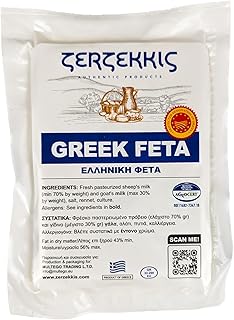
Varieties: There are different types of feta, including PDO (Protected Designation of Origin) feta, which must be produced in Greece
Feta cheese, a staple in Greek cuisine, comes in various types, each with its own unique characteristics and production methods. One of the most notable varieties is PDO (Protected Designation of Origin) feta, which is strictly regulated and must be produced in Greece. This designation ensures that the cheese adheres to specific quality standards and traditional production techniques, making it a premium choice for consumers.
PDO feta is made from sheep's milk, or a combination of sheep's and goat's milk, and is known for its rich, tangy flavor and crumbly texture. The cheese is typically aged for at least two months, during which time it develops its distinctive taste and texture. Producers of PDO feta must follow strict guidelines regarding the milk source, curdling process, and aging method to ensure consistency and quality.
In addition to PDO feta, there are other varieties of feta cheese available, each with its own unique qualities. For example, some feta cheeses are made from cow's milk or a blend of different types of milk, resulting in a milder flavor and softer texture. These varieties may not carry the PDO designation but can still be delicious and versatile ingredients in various dishes.
When selecting feta cheese, it's essential to consider the specific characteristics of each variety and choose the one that best suits your culinary needs. Whether you opt for PDO feta or another type, you can be sure that you're getting a flavorful and nutritious cheese that's rich in protein, calcium, and other essential nutrients.
Exploring the Dairy Dilemma: Is Feta Cheese Truly Dairy-Free?
You may want to see also
Frequently asked questions
Yes, feta cheese is traditionally made from sheep's milk, although some varieties may also use goat's milk or a combination of both.
Feta cheese originates from Greece and is a staple in Greek cuisine. It has a history dating back thousands of years.
Feta cheese is produced by coagulating sheep's milk with rennet, then draining and cutting the curds into small pieces. It is typically aged in brine, which gives it its characteristic salty flavor and crumbly texture.
Feta cheese is rich in protein, calcium, and vitamins B12 and K2. It also contains a moderate amount of fat and calories. However, it is high in sodium due to the brine aging process.
Feta cheese is versatile and can be used in a variety of dishes. It is commonly crumbled over salads, such as Greek salad, or used as a topping for pizzas and pastries. It can also be incorporated into sauces, marinades, and dressings.