Kamil Perry
Feta cheese, a popular dairy product originating from Greece, undergoes a fermentation process as part of its production. This process involves the introduction of specific bacterial cultures to milk, which then convert the lactose into lactic acid. This transformation not only preserves the cheese but also contributes to its distinctive tangy flavor and crumbly texture. The fermentation process is a crucial step in creating the unique characteristics that feta cheese is known for, making it a staple ingredient in various culinary traditions around the world.
| Characteristics | Values |
|---|---|
| Fermentation Process | Feta cheese undergoes a fermentation process where lactic acid bacteria convert lactose into lactic acid. |
| Microbial Cultures | Specific microbial cultures, including Lactobacillus bulgaricus and Streptococcus thermophilus, are used in the fermentation of feta cheese. |
| pH Level | The pH level of feta cheese typically ranges from 4.0 to 4.5 due to the lactic acid produced during fermentation. |
| Texture | Feta cheese has a crumbly and creamy texture, which is a result of the fermentation and subsequent aging process. |
| Flavor Profile | The flavor of feta cheese is tangy, salty, and slightly sour, characteristics developed through fermentation. |
| Aging Process | After fermentation, feta cheese is aged in brine or whey for several months, which further develops its flavor and texture. |
| Moisture Content | Feta cheese has a relatively high moisture content, usually around 50-55%, contributing to its creamy texture. |
| Fat Content | The fat content in feta cheese varies but is typically around 20-25%, with some variations depending on the type and brand. |
| Protein Content | Feta cheese is a good source of protein, containing approximately 15-20 grams per 100 grams. |
| Calcium Content | It is rich in calcium, providing about 400-500 mg per 100 grams, which is beneficial for bone health. |
| Sodium Content | Feta cheese has a high sodium content, around 900-1200 mg per 100 grams, due to the brine used in its aging process. |
| Production Regions | Feta cheese is traditionally produced in Greece, but it is also made in other countries such as Bulgaria, Serbia, and the United States. |
| Protected Designation of Origin (PDO) | In the European Union, feta cheese has a PDO status, meaning it must be produced in specific regions using traditional methods. |
| Culinary Uses | Feta cheese is commonly used in salads, sandwiches, and as a topping for various dishes. It is also a key ingredient in Greek cuisine. |
| Storage Requirements | Feta cheese should be stored in the refrigerator, preferably in its brine or whey, to maintain its freshness and flavor. |
| Shelf Life | The shelf life of feta cheese varies depending on the type and storage conditions but is generally around 2-3 months when refrigerated properly. |
Explore related products




What You'll Learn

What is feta cheese?
Feta cheese is a brined curd white cheese made in Greece from sheep's milk or from a mixture of sheep and goat's milk. It is a crumbly, salty cheese that is often used in Mediterranean cuisine. The cheese is typically cut into blocks and stored in brine, which helps to preserve it and enhance its flavor. Feta cheese is known for its tangy, salty taste and its crumbly texture, which makes it a popular choice for salads, sandwiches, and other dishes.
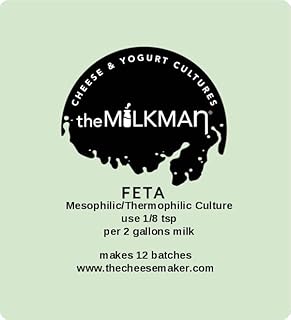
The process of making feta cheese involves fermenting the milk with bacterial cultures, which helps to curdle the milk and create the cheese's characteristic flavor. After the milk has been curdled, it is cut into small pieces and then pressed to remove excess liquid. The cheese is then stored in brine, which is a solution of salt and water, for several weeks or months to allow it to mature and develop its full flavor.
Feta cheese is a good source of protein, calcium, and other nutrients. It is also relatively low in fat and calories, making it a healthy choice for many people. However, it is important to note that feta cheese is high in sodium, so it should be consumed in moderation, especially by people with high blood pressure or other health conditions.
In addition to its culinary uses, feta cheese has also been associated with several health benefits. Some studies have suggested that feta cheese may help to improve bone health, reduce inflammation, and support heart health. However, more research is needed to confirm these potential benefits.
Overall, feta cheese is a versatile and flavorful cheese that can be used in a variety of dishes. Its unique taste and texture make it a popular choice for many people, and its nutritional profile offers several potential health benefits.
Exploring the Origins: Is Feta Cheese Truly Sheep's Milk?
You may want to see also
Explore related products


The fermentation process
Feta cheese undergoes a fascinating fermentation process that is crucial to its distinctive flavor and texture. This process begins with the pasteurization of sheep's or goat's milk, which is then cooled and inoculated with specific bacterial cultures. These cultures, typically including strains of Streptococcus thermophilus and Lactobacillus bulgaricus, play a vital role in converting the lactose in the milk into lactic acid.
As the fermentation progresses, the milk thickens and curdles, forming a solid mass known as curd. This curd is then cut into smaller pieces and allowed to ferment further in a brine solution. The brine, which is essentially a saltwater bath, helps to draw out excess moisture from the curd and enhances the development of the cheese's characteristic tangy flavor.
During this time, the bacterial cultures continue to work their magic, breaking down the proteins and fats in the milk and producing various compounds that contribute to the cheese's aroma and taste. The fermentation process can take anywhere from a few days to several weeks, depending on the desired level of flavor development and the specific production methods used.
One of the key factors that sets feta cheese apart from other types of cheese is the use of a specific type of mold, known as Penicillium roqueforti, in some production methods. This mold is introduced during the fermentation process and contributes to the development of the cheese's distinctive blue veins and pungent flavor. However, not all feta cheeses contain this mold, and its use is often a matter of regional tradition and personal preference.
In conclusion, the fermentation process is a critical component of feta cheese production, responsible for transforming raw milk into a flavorful and textured cheese. By carefully controlling the conditions and introducing specific bacterial cultures and molds, cheese makers can create a wide range of feta cheeses with unique characteristics and flavor profiles.
Exploring Dairy Alternatives: Is Feta Cheese Rennet-Free?
You may want to see also
Explore related products


Health benefits of fermentation
Fermentation is a metabolic process that converts sugar to acids, gases, or alcohol. It occurs naturally in foods such as yogurt, sourdough bread, and, yes, feta cheese. This process not only preserves the food but also enhances its nutritional value.
One of the key health benefits of fermentation is the production of probiotics. These are live microorganisms that, when administered in adequate amounts, confer a health benefit on the host. Probiotics are crucial for maintaining a healthy gut microbiome, which is linked to a range of health outcomes including improved digestion, enhanced immune function, and even mental health benefits.
Fermented foods like feta cheese are also rich in vitamins and minerals. The fermentation process increases the bioavailability of these nutrients, making them easier for the body to absorb. For instance, feta cheese is a good source of calcium, which is essential for bone health, and vitamin B12, which is important for nerve function and the production of red blood cells.
Moreover, fermentation can reduce the lactose content in dairy products, making them more digestible for people with lactose intolerance. This is particularly beneficial for those who enjoy dairy but struggle with its digestion.
In conclusion, the fermentation process not only adds a unique flavor to foods like feta cheese but also enhances their nutritional profile. By incorporating fermented foods into your diet, you can reap a range of health benefits, from improved gut health to better nutrient absorption.
The Surprising Source of Feta Cheese: A Journey into Dairy Delights
You may want to see also
Explore related products


How to identify fermented feta
Identifying fermented feta cheese involves examining several key characteristics that distinguish it from non-fermented varieties. The first step is to look at the texture; fermented feta typically has a crumbly, yet moist texture, whereas non-fermented feta may appear more solid and dry. The color is another important indicator; fermented feta often has a richer, deeper white color with possible yellowish or brownish hues, especially around the edges, due to the fermentation process. In contrast, non-fermented feta tends to have a uniform, bright white color.
The aroma is a crucial sensory cue in identifying fermented feta. Fermented feta cheese usually has a strong, tangy, and slightly sour smell, which is a result of the lactic acid bacteria used in the fermentation process. This distinct odor is often more pronounced than that of non-fermented feta, which may have a milder, more neutral scent. When tasting fermented feta, one should expect a sharp, salty flavor with a hint of tanginess, which is characteristic of the fermentation process. Non-fermented feta, on the other hand, typically has a milder, creamier taste.
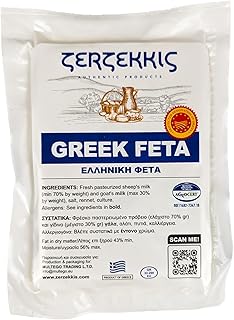
Packaging and labeling can also provide clues about whether feta cheese is fermented. Fermented feta is often sold in brine or a mixture of brine and oil, which helps to preserve its moisture and flavor. The label may also indicate the presence of live cultures or mention a specific fermentation process. In contrast, non-fermented feta is usually sold in a drier state and may not have any mention of fermentation on the label.
In summary, identifying fermented feta cheese involves a combination of visual, olfactory, and gustatory cues, as well as examining the packaging and labeling. By paying attention to these characteristics, one can distinguish between fermented and non-fermented feta cheese and make an informed choice based on personal preferences and culinary needs.
Exploring the Paleo Diet: Is Feta Cheese a Suitable Choice?
You may want to see also
Explore related products


$21.99


Uses of feta cheese
Feta cheese, a staple in Greek cuisine, is renowned for its versatility and distinct tangy flavor, which is a result of the fermentation process. One of the most common uses of feta cheese is in salads, where it adds a creamy texture and a burst of flavor. The classic Greek salad, for instance, is incomplete without crumbled feta cheese mixed with fresh tomatoes, cucumbers, onions, olives, and a drizzle of olive oil.
Beyond salads, feta cheese is often used in pastries and baked dishes. Spanakopita, a traditional Greek spinach pie, features layers of phyllo dough filled with a mixture of spinach, feta cheese, and herbs. The cheese melts during baking, creating a rich and savory filling. Similarly, feta cheese can be incorporated into quiches, omelets, and casseroles, adding depth and complexity to these dishes.
Feta cheese also serves as an excellent ingredient in dips and spreads. When blended with ingredients like roasted red peppers, garlic, and olive oil, it creates a flavorful and creamy dip that pairs well with pita bread or vegetables. Additionally, feta cheese can be used as a topping for pizzas, providing a tangy contrast to the richness of the tomato sauce and mozzarella cheese.
In terms of preservation, feta cheese is typically stored in brine, which helps maintain its freshness and flavor. This method of storage is a traditional practice that dates back centuries and is still used today in many artisanal cheese-making operations. The brine solution not only preserves the cheese but also contributes to its unique taste profile.
Overall, the uses of feta cheese are diverse, ranging from simple salads to more complex baked dishes. Its tangy flavor and creamy texture make it a popular choice for chefs and home cooks alike, and its role in Greek cuisine is unparalleled. Whether crumbled, sliced, or blended, feta cheese adds a distinctive touch to any dish it is used in.
Exploring the Acidity Levels of Feta Cheese: A Comprehensive Guide
You may want to see also
Frequently asked questions
Yes, feta cheese is a fermented dairy product. The fermentation process involves the conversion of lactose into lactic acid by lactic acid bacteria, which gives feta its characteristic tangy flavor and helps in its preservation.
Feta cheese is traditionally made from sheep's milk or a mixture of sheep's and goat's milk. Cow's milk is not typically used for authentic feta cheese production.
The fermentation process for feta cheese can vary, but it generally takes several weeks to a few months. The cheese is often aged in brine, which contributes to its flavor and texture.
Feta cheese is a good source of protein, calcium, and several vitamins, including vitamin B12. It also contains probiotics due to the fermentation process, which can aid in digestion. However, it is high in sodium and fat, so it should be consumed in moderation.
People with lactose intolerance may be able to eat feta cheese in small amounts because the fermentation process reduces the lactose content. However, it's best to consult with a healthcare provider or a registered dietitian to determine individual tolerance levels.