Andy Montoya
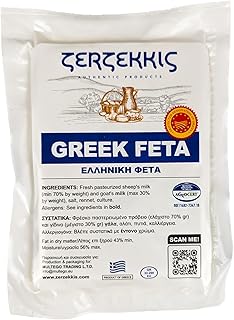
Feta cheese is a brined curd white cheese made in Greece that is known for its distinct taste and texture. It is typically made from sheep's milk or a mixture of sheep and goat's milk. The cheese has a crumbly texture and a tangy, salty flavor that can range from mild to sharp depending on the aging process. Feta cheese is often used in Mediterranean cuisine, particularly in Greek dishes such as salads, pastries, and as a topping for various foods. Its unique taste makes it a popular choice for those who enjoy bold and flavorful cheeses.
Explore related products


What You'll Learn

Salty and tangy flavor profile
Feta cheese is renowned for its distinctive salty and tangy flavor profile, which sets it apart from other types of cheese. This unique taste is a result of the cheese's brining process, where it is soaked in a saltwater solution for several weeks. The salt not only preserves the cheese but also imparts a sharp, briny flavor that is characteristic of feta.
The tanginess of feta cheese comes from the lactic acid produced during the fermentation process. As the cheese ages, the lactic acid develops, giving feta its signature zesty and slightly sour taste. This combination of saltiness and tanginess creates a complex flavor profile that is both bold and refreshing.
When tasting feta cheese, one can expect a crumbly texture that contrasts with its rich flavor. The cheese is often described as having a "bite" due to its sharp taste. Feta is typically made from sheep's milk or a combination of sheep's and goat's milk, which contributes to its unique flavor. The milk's natural fats and proteins are broken down during the cheese-making process, resulting in a creamy yet tangy taste.
Feta cheese is versatile and can be used in a variety of dishes, from salads to pastries. Its salty and tangy flavor pairs well with sweet and acidic ingredients, such as tomatoes, olives, and honey. In Greek cuisine, feta is a staple ingredient and is often used in dishes like spanakopita, a spinach and feta pie, or in a simple salad with olive oil and lemon juice.
In conclusion, the salty and tangy flavor profile of feta cheese is a result of its brining and fermentation processes. This unique taste, combined with its crumbly texture, makes feta a popular choice for many culinary applications. Whether used in traditional Greek dishes or as a flavorful addition to modern recipes, feta cheese's distinctive taste is sure to leave a lasting impression.
Mastering the Art of Crumbling Feta Cheese: Tips and Tricks
You may want to see also
Explore related products





Creamy yet crumbly texture
Feta cheese is renowned for its distinctive texture, which is both creamy and crumbly. This unique combination is a result of the cheese's brining process, where it is soaked in a saltwater solution that helps to preserve it and enhance its flavor. The salt draws out moisture from the cheese, creating a crumbly exterior while retaining a creamy interior.
When you bite into a piece of feta, the initial sensation is one of creaminess, as the cheese melts slightly in your mouth. This is quickly followed by a satisfying crumble, where the cheese breaks apart into small, manageable pieces. The contrast between these two textures is what makes feta so enjoyable to eat and so versatile in cooking.
The creamy yet crumbly texture of feta also contributes to its rich and tangy flavor. The brining process not only preserves the cheese but also infuses it with a salty, tangy taste that is characteristic of feta. This flavor is further enhanced by the cheese's crumbly texture, which allows it to absorb and hold onto other flavors, such as herbs, spices, and olive oil.
In addition to its taste and texture, feta cheese is also prized for its nutritional benefits. It is a good source of protein, calcium, and vitamins B12 and K2. Feta is also lower in fat and calories than many other types of cheese, making it a popular choice for those looking to maintain a healthy diet.
Overall, the creamy yet crumbly texture of feta cheese is what sets it apart from other types of cheese. This unique combination of textures, along with its rich flavor and nutritional benefits, makes feta a beloved ingredient in many cuisines around the world.
Exploring the Gluten Content in Feta Cheese: A Comprehensive Guide
You may want to see also
Explore related products




Sharp, pungent aroma
Feta cheese is renowned for its sharp, pungent aroma, which is a defining characteristic of this Greek staple. The intensity of the smell can vary depending on the cheese's age and the brine solution in which it's stored. Younger feta tends to have a milder scent, while older varieties can be quite potent. The aroma is often described as tangy and slightly sour, with hints of earthiness and a briny undertone.
The pungent aroma of feta cheese is a result of the fermentation process, during which lactic acid bacteria convert lactose into lactic acid. This process not only contributes to the cheese's distinctive smell but also its tangy flavor profile. The brine solution, typically made of saltwater, also plays a crucial role in developing the cheese's aroma and preserving its freshness.
When it comes to pairing feta cheese with other ingredients, its sharp aroma can be both a blessing and a challenge. The pungent scent can complement the sweetness of fruits like figs or the richness of olive oil, creating a harmonious balance of flavors. However, it can also overpower more delicate ingredients, so it's essential to use feta cheese judiciously in recipes to avoid overwhelming the other components.
In terms of storage, the aroma of feta cheese can be quite penetrating, so it's advisable to store it in an airtight container in the refrigerator. This will help contain the scent and prevent it from permeating other foods. When serving feta cheese, it's often crumbled or sliced thinly to allow its bold aroma and flavor to shine through without being too overpowering.
Overall, the sharp, pungent aroma of feta cheese is an integral part of its appeal. It's a sensory experience that can enhance the enjoyment of a variety of dishes, from salads and sandwiches to pasta and pizza. By understanding the factors that contribute to its distinctive smell and how to pair it with other ingredients, you can fully appreciate the unique qualities of feta cheese.
Starbucks Feta Cheese: Pasteurized or Not? A Comprehensive Guide
You may want to see also
Explore related products


![Feta Crumbles, have a firm texture and salty flavor that brings out the best any dish. It is the perfect spruce up to any gathering. Pair with your favorite wine, beer or salad. [ 22 oz, 1.3 lb ]](https://m.media-amazon.com/images/I/51RtUvD6FSL._AC_UL320_.jpg)
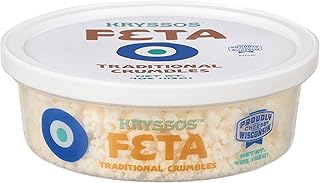
![Crumbled Traditional Feta Cheese , delivers a deliciously creamy, tangy flavor inspired by Greek tradition. Made with fresh, simple ingredients, this feta is easy to sprinkle over your favorite dishes—from salads and wraps to pastas and grain bowls. Add a flavorful twist to everyday meals with ease. Conveniently packaged in a resealable tub . [16 oz . 1 poubd ]](https://m.media-amazon.com/images/I/51PwpPkU-oL._AC_UL320_.jpg)
Mild to strong taste variations
Feta cheese, renowned for its crumbly texture and salty flavor, exhibits a surprising range of taste variations. These differences can be attributed to several factors, including the type of milk used, the region of production, and the aging process. For instance, feta made from sheep's milk tends to have a richer, more robust flavor compared to that made from cow's milk, which is generally milder and creamier.
The geographical origin of feta also plays a significant role in its taste profile. Traditional Greek feta, often considered the gold standard, is typically made from a blend of sheep's and goat's milk and is known for its sharp, tangy flavor. In contrast, feta produced in other countries, such as the United States or Australia, may have a more subdued taste due to differences in milk quality and production methods.
Aging is another critical factor that influences the flavor of feta. Younger feta, often referred to as "fresh" or "white" feta, has a milder taste and a softer texture. As feta ages, it becomes drier and more crumbly, developing a stronger, more pronounced flavor. Some feta cheeses are even aged in oil or brine, which can further enhance their taste and texture.
In addition to these primary factors, other variables such as the salt content, the type of rennet used, and the specific bacterial cultures employed during fermentation can also impact the final taste of feta. This complexity makes feta a fascinating cheese for connoisseurs and casual consumers alike, offering a wide array of flavor experiences within a single category.
When selecting feta cheese, it's essential to consider these taste variations to find the type that best suits your preferences and culinary needs. Whether you prefer a mild, creamy feta for salads or a strong, tangy feta for cooking, understanding these differences can help you make an informed choice.
Can Dogs Enjoy Feta Cheese? A Comprehensive Guide for Pet Owners
You may want to see also
Explore related products




Pairs well with Mediterranean dishes
Feta cheese, with its tangy and salty flavor profile, is a quintessential ingredient in Mediterranean cuisine. Its crumbly texture and sharp taste make it an excellent complement to the fresh, vibrant flavors commonly found in dishes from this region. When paired with Mediterranean dishes, feta cheese adds a depth of flavor that enhances the overall dining experience.
One of the most popular ways to enjoy feta cheese in Mediterranean cuisine is as part of a cheese platter. It pairs beautifully with olives, sun-dried tomatoes, and cured meats like prosciutto or salami. The saltiness of the feta balances the brininess of the olives and the sweetness of the sun-dried tomatoes, creating a harmonious blend of flavors.
Feta cheese is also a key ingredient in many Greek salads. Its creamy texture and tangy taste contrast perfectly with the crisp freshness of cucumbers, tomatoes, and red onions. When combined with olive oil and a sprinkle of oregano, feta cheese elevates the simple salad to a flavorful and satisfying dish.
In addition to its use in salads and cheese platters, feta cheese can also be incorporated into a variety of cooked dishes. It melts well and can be used in casseroles, pasta dishes, and even as a topping for pizzas. Its salty flavor adds a savory depth to these dishes, making them more complex and interesting.
When cooking with feta cheese, it's important to consider its strong flavor. A little goes a long way, so it's best to use it sparingly to avoid overpowering the other ingredients in the dish. Additionally, feta cheese can be quite salty, so it's a good idea to taste the dish as you cook and adjust the seasoning accordingly.
In conclusion, feta cheese is a versatile and flavorful ingredient that pairs exceptionally well with Mediterranean dishes. Its tangy, salty taste and crumbly texture add depth and complexity to a variety of dishes, from simple salads to hearty casseroles. When used thoughtfully and in moderation, feta cheese can elevate any Mediterranean meal to new heights.
Exploring Dairy Alternatives: Is Feta Cheese Rennet-Free?
You may want to see also
Frequently asked questions
Feta cheese has a tangy, salty, and slightly sour taste. It's known for its strong flavor and crumbly texture.
Feta cheese is commonly used in Greek salads, on pizzas, in pasta dishes, and as a topping for various appetizers. It's also a popular ingredient in Mediterranean cuisine.
Feta cheese has a crumbly and slightly grainy texture. It's not as smooth as some other cheeses, which contributes to its unique taste and mouthfeel.
Some cheeses that have a similar taste to feta include goat cheese, blue cheese, and Roquefort. These cheeses also have strong, tangy flavors and are often used in similar culinary applications.