Andy Montoya
Blue cheese, known for its strong, pungent flavor and creamy texture, is a versatile ingredient that can elevate a variety of dishes. When considering what to pair with blue cheese, it's essential to balance its bold taste with complementary flavors and textures. Classic pairings include sweet and tangy accompaniments like honey, figs, or caramelized onions, which contrast beautifully with the cheese's sharpness. For a savory option, cured meats such as prosciutto or salami can enhance the richness of blue cheese. Additionally, the acidity of balsamic vinegar or a crisp apple can cut through the creaminess, providing a refreshing counterpoint. Experimenting with different combinations can lead to delightful culinary discoveries, making blue cheese a rewarding ingredient for both novice and experienced food enthusiasts.
Explore related products


What You'll Learn
- Fruits: Sweet and tangy fruits like apples, pears, and figs complement blue cheese's strong flavor
- Nuts: Crunchy nuts such as walnuts, pecans, and almonds add texture and balance the cheese's richness
- Honey: Drizzling honey over blue cheese creates a delightful contrast of sweet and savory flavors
- Breads: Serve blue cheese with crusty breads like baguette or sourdough to soak up its creamy texture
- Beverages: Pair blue cheese with sweet desserts wines, like Sauternes, or strong beers, such as stouts or IPAs

Fruits: Sweet and tangy fruits like apples, pears, and figs complement blue cheese's strong flavor
The pairing of fruits with blue cheese is a culinary adventure that balances the pungent, salty characteristics of the cheese with the natural sweetness and acidity of the fruit. Apples, pears, and figs are particularly well-suited to this task, as their flavors and textures provide a harmonious contrast to the bold taste of blue cheese. When selecting fruits to pair with blue cheese, it's essential to consider the ripeness and variety, as these factors can significantly impact the overall flavor profile.
Apples, for instance, offer a crisp texture and a range of flavors from sweet to tart, depending on the variety. A Honeycrisp or Gala apple can provide a juicy sweetness that cuts through the richness of the cheese, while a Granny Smith can add a refreshing acidity. Pears, on the other hand, bring a softer texture and a more subtle sweetness to the pairing. Varieties like Bosc or Anjou pears can add a delicate flavor that complements the cheese without overpowering it.
Figs are a unique choice that can add a touch of luxury to the pairing. Their sweet, jammy flavor and soft, chewy texture create a delightful contrast with the crumbly, salty blue cheese. Fresh figs are ideal for this pairing, as their flavor is more vibrant and their texture is more appealing than dried figs. When pairing fruits with blue cheese, it's also important to consider the presentation. A beautifully arranged platter of cheese and fruit can be a feast for the eyes as well as the palate.
In addition to the classic pairings of apples, pears, and figs, other fruits can also be used to complement blue cheese. Grapes, for example, can add a burst of juicy sweetness, while citrus fruits like oranges or grapefruits can provide a tangy contrast. Even berries like strawberries or raspberries can be used to add a touch of tartness and color to the pairing. The key is to experiment with different combinations to find the perfect balance of flavors and textures that suit individual tastes.
When serving blue cheese with fruits, it's important to consider the temperature and timing. Blue cheese is best served at room temperature, as this allows its flavors to fully develop. Fruits, on the other hand, can be served chilled or at room temperature, depending on personal preference. The pairing can be enjoyed as a standalone snack or incorporated into a larger cheese board or charcuterie platter. By combining the strong, salty flavor of blue cheese with the sweet and tangy notes of fruits, one can create a truly memorable culinary experience.
The Lowdown on Blue Cheese Dressing: Carbs and Nutrition Facts
You may want to see also
Explore related products


Nuts: Crunchy nuts such as walnuts, pecans, and almonds add texture and balance the cheese's richness
The pairing of nuts with blue cheese is a classic combination that offers a delightful contrast in textures and flavors. Crunchy nuts such as walnuts, pecans, and almonds provide a satisfying crunch that complements the creamy, rich texture of blue cheese. This textural contrast not only enhances the eating experience but also helps to balance the bold, pungent flavor of the cheese.
Walnuts, with their slightly bitter and earthy taste, are a popular choice for pairing with blue cheese. They offer a robust flavor that stands up to the strong taste of the cheese without overpowering it. Pecans, on the other hand, bring a sweet and buttery flavor to the table, which can help to mellow out the sharpness of blue cheese. Almonds, with their mild and slightly sweet taste, provide a delicate crunch that pairs well with the intense flavor of the cheese.
When selecting nuts to pair with blue cheese, it's important to consider the flavor profile of both the nuts and the cheese. For example, if you're using a particularly strong and pungent blue cheese, you may want to choose a nut with a milder flavor to avoid overwhelming your palate. Additionally, you can experiment with different types of nuts to find the perfect combination that suits your personal taste preferences.
In terms of serving, you can simply place a selection of nuts alongside your blue cheese platter, or you can get creative and incorporate them into a recipe. For instance, you could make a blue cheese and walnut spread by combining softened blue cheese with chopped walnuts and a touch of honey. This spread can be served on crackers or used as a dip for vegetables.
Overall, the combination of crunchy nuts and rich blue cheese is a versatile and delicious pairing that can be enjoyed in a variety of ways. By experimenting with different types of nuts and cheeses, you can discover new and exciting flavor combinations that will delight your taste buds.
The Perfect Pairing: Blue Cheese and Buffalo Wings Explained
You may want to see also
Explore related products


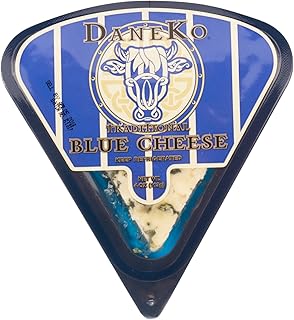
Honey: Drizzling honey over blue cheese creates a delightful contrast of sweet and savory flavors
The combination of honey and blue cheese is a classic pairing that never fails to impress. The sweetness of the honey perfectly balances the sharpness and tanginess of the blue cheese, creating a harmonious blend of flavors that is both unexpected and delightful. This pairing is not only popular among cheese enthusiasts but also among chefs and foodies who appreciate the complexity and depth that each ingredient brings to the table.
When selecting honey to pair with blue cheese, it's important to choose a variety that complements the cheese's flavor profile. A mild, floral honey like clover or wildflower honey works well with milder blue cheeses like Gorgonzola or Roquefort, while a more robust, dark honey like buckwheat or molasses honey can stand up to the strong flavors of a pungent blue cheese like Stilton or Valdeón. The key is to find a balance between the sweetness of the honey and the intensity of the cheese, so that neither ingredient overpowers the other.
One of the simplest and most effective ways to enjoy honey and blue cheese together is to drizzle the honey over the cheese and let it sit for a few minutes before serving. This allows the honey to soak into the cheese, creating a beautiful marbled effect and infusing the cheese with its sweet, floral notes. You can also experiment with different presentation styles, such as crumbling the blue cheese over a bed of arugula or spinach and drizzling the honey over the top, or creating a blue cheese and honey tartine by spreading the cheese on a slice of crusty bread and topping it with a drizzle of honey.
In addition to its flavor benefits, honey also has several health benefits that make it a great addition to any meal. Honey is a natural source of antioxidants, which can help protect the body against free radicals and reduce inflammation. It also has antibacterial and antiviral properties, which can help boost the immune system and fight off infections. Furthermore, honey is a good source of energy, making it a great choice for athletes or anyone looking for a quick pick-me-up.
In conclusion, the pairing of honey and blue cheese is a match made in heaven. The contrast of sweet and savory flavors creates a delightful sensory experience that is both simple and sophisticated. Whether you're serving it as an appetizer, a dessert, or a snack, honey and blue cheese are sure to impress your guests and leave them wanting more. So next time you're looking for a unique and delicious way to enjoy blue cheese, give honey a try – you won't be disappointed.
Exploring Low FODMAP Options: Is Blue Cheese Dressing a Safe Choice?
You may want to see also
Explore related products


Breads: Serve blue cheese with crusty breads like baguette or sourdough to soak up its creamy texture
Pairing blue cheese with the right type of bread can elevate the entire tasting experience. The key is to choose breads that complement the cheese's strong flavor and creamy texture. Crusty breads like baguette or sourdough are excellent choices because their firm exterior and soft interior provide the perfect contrast to blue cheese's richness.
When selecting a bread, consider its flavor profile as well. A bread with a slightly tangy or nutty flavor, such as a whole grain or multigrain bread, can balance the pungency of blue cheese. Avoid breads that are too sweet or have a strong flavor that might clash with the cheese, such as cinnamon swirl or garlic bread.
To serve, slice the bread into thin pieces and arrange them on a platter or cutting board. Place the blue cheese in the center, allowing guests to slice off pieces and spread them onto the bread as desired. For an extra touch, drizzle a bit of honey or olive oil over the cheese and bread to enhance the flavors.
Remember, the goal is to create a harmonious pairing that allows both the bread and the blue cheese to shine. By choosing the right type of bread and serving it in a visually appealing way, you can create a delicious and memorable appetizer or snack.
The Surprising Truth About Blue Cheese and Rats
You may want to see also
Explore related products


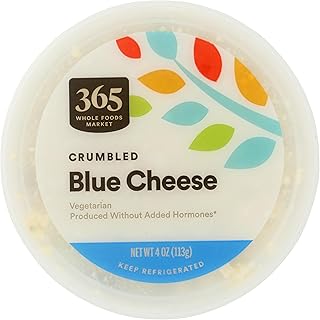

Beverages: Pair blue cheese with sweet desserts wines, like Sauternes, or strong beers, such as stouts or IPAs
Blue cheese, with its bold and pungent flavor, can be a challenging ingredient to pair with beverages. However, when matched with the right drink, it can create a harmonious and delightful culinary experience. One approach to pairing blue cheese is to contrast its strong taste with sweet dessert wines, such as Sauternes. This French wine, made from grapes affected by noble rot, offers a rich, honeyed sweetness that can balance the sharpness of blue cheese. The acidity in Sauternes also helps to cut through the creaminess of the cheese, making it an ideal pairing for a cheese board or a dessert course.
Alternatively, strong beers like stouts or IPAs can also complement blue cheese. Stouts, with their roasted malt flavors and creamy texture, can echo the richness of blue cheese, while the bitterness of IPAs can provide a refreshing counterpoint to the cheese's pungency. When pairing blue cheese with beer, it's essential to consider the intensity of both the cheese and the beer. A milder blue cheese, such as Gorgonzola, may pair better with a less aggressive beer, while a stronger blue cheese, like Roquefort, can stand up to a more robust brew.
When selecting a beverage to pair with blue cheese, it's also important to consider the occasion and the preferences of your guests. For a casual gathering, a bottle of Sauternes or a six-pack of craft beer can be a great choice. However, for a more formal event, you may want to opt for a higher-end wine or a limited-edition beer. Regardless of the occasion, the key to successful pairing is to find a balance between the flavors of the cheese and the beverage, creating a combination that is greater than the sum of its parts.
In conclusion, pairing blue cheese with beverages is all about finding the right balance of flavors. Whether you choose a sweet dessert wine like Sauternes or a strong beer like a stout or IPA, the goal is to create a harmonious and enjoyable culinary experience. By considering the intensity of both the cheese and the beverage, as well as the occasion and your guests' preferences, you can create a pairing that is sure to impress.
Blue Cheese Dressing: A Low-Carb Option for Your Salads?
You may want to see also
Frequently asked questions
Blue cheese pairs well with a variety of foods. Some popular pairings include apples, pears, and other fruits; nuts like walnuts and pecans; honey; figs; and cured meats such as prosciutto.
When it comes to wine pairings, blue cheese is often matched with sweet dessert wines like Port, Sauternes, or late-harvest Riesling. These wines balance the strong, pungent flavors of the cheese.
Yes, blue cheese can also be paired with certain beers. Strong, full-bodied beers like stouts, porters, and Belgian ales can complement the bold flavors of blue cheese.
While blue cheese is quite strong on its own, it can be paired with other cheeses for a diverse cheese board. Consider pairing it with milder cheeses like brie or camembert, or with other strong cheeses like aged cheddar or gouda.
Blue cheese can be used in a variety of dishes. You can crumble it over salads, mix it into dressings or dips, use it as a topping for burgers or steaks, or simply enjoy it on its own with crackers or bread.