Patrick Oconnell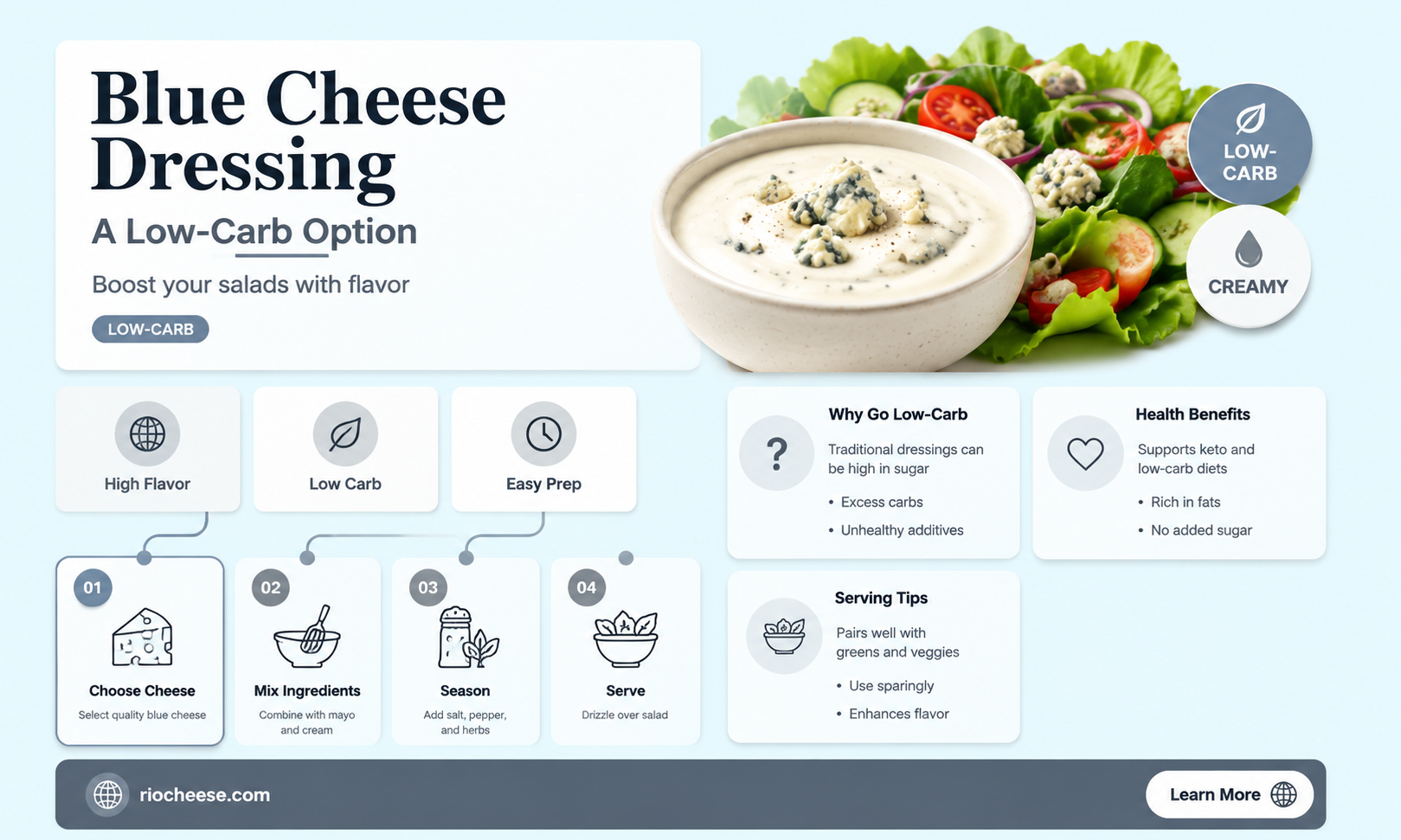
Blue cheese dressing is a popular condiment known for its tangy and pungent flavor, often used in salads and as a dip. For individuals following a low-carbohydrate diet, understanding the nutritional content of blue cheese dressing is crucial. Typically, blue cheese dressing is made with a base of mayonnaise or sour cream, mixed with blue cheese crumbles, vinegar, and various seasonings. While the exact carb content can vary depending on the specific recipe and brand, most blue cheese dressings contain a relatively low amount of carbohydrates per serving, making them a suitable choice for those looking to limit their carb intake. However, it's important to note that some commercial versions may include added sugars or other ingredients that could increase the carb count. As with any food product, checking the nutrition label and ingredient list is essential for making informed dietary choices.
Explore related products


What You'll Learn
- Nutritional Content: Blue cheese dressing's macronutrient profile, focusing on carbohydrate content
- Ingredient Analysis: Breakdown of common ingredients in blue cheese dressing and their carb contributions
- Comparison to Other Dressings: Carb content comparison with other popular salad dressings
- Low-Carb Alternatives: Suggestions for low-carb friendly alternatives or modifications to blue cheese dressing
- Health Considerations: Potential health benefits and drawbacks of consuming blue cheese dressing on a low-carb diet

Nutritional Content: Blue cheese dressing's macronutrient profile, focusing on carbohydrate content
Blue cheese dressing is often scrutinized for its carbohydrate content, particularly by those following low-carb diets. A typical serving of blue cheese dressing (about 2 tablespoons or 30 ml) contains approximately 1-2 grams of carbohydrates. This low carbohydrate count makes it a popular choice among individuals looking to reduce their carb intake. However, it's essential to consider the overall nutritional profile of blue cheese dressing, which includes a significant amount of fat and calories.
The macronutrient profile of blue cheese dressing is predominantly fat, with a small amount of protein and minimal carbohydrates. For instance, a 2-tablespoon serving may contain around 14-16 grams of fat, 2-3 grams of protein, and 1-2 grams of carbohydrates. The fat content is primarily from saturated fats, which should be consumed in moderation as part of a balanced diet. Additionally, blue cheese dressing can be high in sodium, which is another factor to consider for those monitoring their salt intake.
When evaluating the carbohydrate content of blue cheese dressing, it's also important to look at the ingredients list. Some commercial brands may contain added sugars or other carbohydrate sources that can increase the overall carb count. Homemade versions of blue cheese dressing can offer more control over the ingredients, allowing for a potentially lower carbohydrate option.
In summary, while blue cheese dressing is generally low in carbohydrates, its high fat and calorie content should be taken into account when considering its place in a balanced diet. For those strictly monitoring their carbohydrate intake, it's crucial to check the specific nutritional information and ingredients of the dressing they choose to ensure it aligns with their dietary goals.
Discover the Best Spots to Buy Roka Blue Cheese Spread
You may want to see also
Explore related products


Ingredient Analysis: Breakdown of common ingredients in blue cheese dressing and their carb contributions
Blue cheese dressing is a popular condiment known for its tangy and pungent flavor. To determine if it's low in carbohydrates, we need to analyze the common ingredients and their respective carb contributions.
The primary ingredients in blue cheese dressing typically include blue cheese crumbles, mayonnaise, sour cream, yogurt, milk, vinegar, onion powder, garlic powder, salt, and pepper. Let's break down the carb content of each:
- Blue cheese crumbles: Blue cheese is a type of cheese that has been aged with a mold culture, giving it its distinctive flavor and appearance. Cheese is generally low in carbohydrates, with most varieties containing less than 1 gram of carbs per ounce.
- Mayonnaise: Mayonnaise is a high-fat condiment made from egg yolks, oil, vinegar or lemon juice, and seasonings. It is essentially carb-free, with most brands containing less than 1 gram of carbs per tablespoon.
- Sour cream: Sour cream is a dairy product made by fermenting cream with lactic acid bacteria. It has a tangy flavor and a thick consistency. One tablespoon of sour cream contains approximately 1 gram of carbohydrates.
- Yogurt: Yogurt is a dairy product made by fermenting milk with specific bacterial cultures. It has a creamy texture and a slightly tangy flavor. The carb content of yogurt varies depending on the type and brand, but plain, unsweetened yogurt typically contains around 6-8 grams of carbs per 6-ounce serving.
- Milk: Milk is a dairy product that is a good source of calcium, protein, and vitamins. It contains lactose, a type of sugar, which contributes to its carb content. One cup of whole milk contains approximately 12 grams of carbohydrates.
- Vinegar: Vinegar is a liquid condiment made by fermenting ethanol with acetic acid bacteria. It has a sour taste and is often used in salad dressings and marinades. Vinegar is essentially carb-free, with most types containing less than 1 gram of carbs per tablespoon.
- Onion powder: Onion powder is a dried, ground form of onion. It is used as a seasoning to add onion flavor to dishes. Onion powder is low in carbohydrates, with approximately 1 gram of carbs per teaspoon.
- Garlic powder: Garlic powder is a dried, ground form of garlic. It is used as a seasoning to add garlic flavor to dishes. Garlic powder is also low in carbohydrates, with approximately 1 gram of carbs per teaspoon.
- Salt: Salt is a mineral composed of sodium and chloride. It is used as a seasoning to enhance the flavor of foods. Salt is essentially carb-free.
- Pepper: Pepper is a spice made from the dried, ground berries of the pepper plant. It is used as a seasoning to add heat and flavor to dishes. Pepper is also essentially carb-free.
Based on this analysis, we can see that most of the ingredients in blue cheese dressing are low in carbohydrates. However, the yogurt and milk content can contribute a significant amount of carbs, depending on the specific recipe and portion size. To make blue cheese dressing low carb, it's important to use a minimal amount of yogurt and milk, or to choose low-carb alternatives such as almond milk or coconut milk.
Ken's Blue Cheese Dressing: A Keto-Friendly Option?
You may want to see also
Explore related products


Comparison to Other Dressings: Carb content comparison with other popular salad dressings
Blue cheese dressing, with its tangy flavor and creamy texture, is a popular choice for salads. However, for those following a low-carb diet, the carbohydrate content of dressings can be a significant concern. A typical serving of blue cheese dressing (about 2 tablespoons) contains approximately 1-2 grams of carbohydrates. This is relatively low compared to other popular dressings.
For instance, ranch dressing, another creamy favorite, contains around 2-3 grams of carbs per 2 tablespoons. Caesar dressing, known for its rich, savory taste, has about 1-2 grams of carbs per serving, similar to blue cheese dressing. Vinaigrettes, which are often considered a healthier option, can vary widely in carb content depending on the ingredients used. Some may contain as little as 0-1 grams of carbs, while others, especially those with added sugars or fruit juices, can have 5 grams or more.
When comparing the carb content of blue cheese dressing to other dressings, it's essential to consider portion sizes and ingredients. Some dressings may appear low in carbs but contain hidden sugars or other ingredients that can impact blood sugar levels. Blue cheese dressing, while generally low in carbs, can also vary based on the recipe and brand. Homemade versions may have fewer carbs than store-bought varieties, which often contain added sugars and preservatives.
In conclusion, blue cheese dressing can be a suitable option for those on a low-carb diet, especially when compared to other popular dressings. However, it's crucial to check the ingredients and nutritional information to ensure it aligns with individual dietary needs and preferences.
Delicious Blue Cheese Olives: A Simple Stuffing Guide
You may want to see also
Explore related products



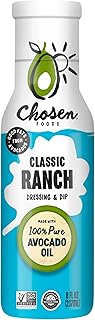
Low-Carb Alternatives: Suggestions for low-carb friendly alternatives or modifications to blue cheese dressing
For those following a low-carb diet, traditional blue cheese dressing can be a challenge due to its high carbohydrate content. However, there are several ways to enjoy the rich, tangy flavor of blue cheese while keeping your carb intake in check. One popular alternative is to make a homemade low-carb blue cheese dressing using ingredients like sour cream, mayonnaise, blue cheese crumbles, garlic powder, onion powder, and a touch of lemon juice. This DIY approach allows you to control the ingredients and reduce the carb content significantly.
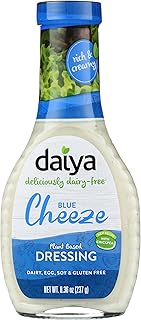
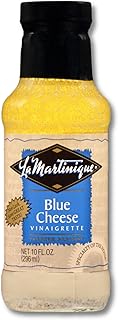
Another option is to use a store-bought low-carb or keto-friendly blue cheese dressing. Many brands now offer sugar-free and low-carb versions of their dressings, which can be a convenient choice for those who prefer not to make their own. When selecting a store-bought option, be sure to read the nutrition label carefully to ensure it aligns with your dietary needs.
If you're looking to modify a traditional blue cheese dressing recipe, consider replacing the buttermilk with a low-carb alternative like almond milk or coconut milk. You can also use a sugar substitute like erythritol or stevia to sweeten the dressing without adding carbs. Additionally, incorporating more herbs and spices, such as dill, parsley, or chives, can enhance the flavor without increasing the carbohydrate content.
For a more substantial low-carb meal, you can use blue cheese dressing as a dip for low-carb vegetables like celery, cucumber, or bell peppers. This not only adds flavor but also provides a satisfying crunch without the need for high-carb chips or crackers. Another creative use for low-carb blue cheese dressing is as a topping for salads, grilled meats, or even as a sauce for low-carb pasta alternatives like zucchini noodles or spaghetti squash.
In conclusion, while traditional blue cheese dressing may not be low in carbs, there are plenty of alternatives and modifications available to help you enjoy its distinctive taste while adhering to your low-carb lifestyle. Whether you choose to make your own dressing from scratch, opt for a store-bought low-carb version, or modify a traditional recipe, you can still savor the bold flavors of blue cheese without compromising your dietary goals.
Exploring Low FODMAP Options: Is Blue Cheese Dressing a Safe Choice?
You may want to see also
Explore related products
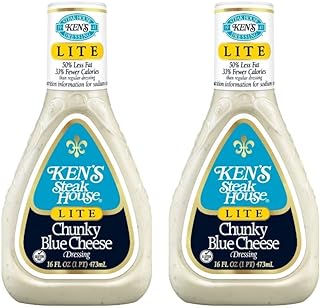


Health Considerations: Potential health benefits and drawbacks of consuming blue cheese dressing on a low-carb diet
Blue cheese dressing, known for its tangy flavor and creamy texture, is often a topic of discussion among those following a low-carb diet. While it is generally low in carbohydrates, making it a suitable choice for such diets, there are important health considerations to keep in mind.
One potential health benefit of consuming blue cheese dressing on a low-carb diet is its high fat content, which can help individuals feel fuller for longer periods. This can be particularly beneficial for those trying to manage their weight or control cravings. Additionally, blue cheese dressing contains some protein, which is essential for muscle repair and growth.
However, there are also drawbacks to consider. Blue cheese dressing is typically high in calories, which can contribute to weight gain if consumed in excess. Furthermore, it is often high in sodium, which can be a concern for individuals with high blood pressure or those who are sensitive to salt. The dressing may also contain additives and preservatives that some people prefer to avoid.
Another important consideration is the potential impact on gut health. Blue cheese dressing contains dairy, which can be problematic for individuals with lactose intolerance or those following a dairy-free diet. Additionally, the dressing may disrupt the balance of gut bacteria, potentially leading to digestive issues.
In conclusion, while blue cheese dressing can be a flavorful addition to a low-carb diet, it is essential to consume it in moderation and be aware of its potential health implications. Individuals should consider their specific dietary needs and health goals when deciding whether to include blue cheese dressing in their diet.
Decoding Dairy: The Truth About Blue Cheese and Goat Cheese
You may want to see also
Frequently asked questions
Blue cheese dressing can vary in carbohydrate content depending on the brand and recipe. Typically, it contains a small amount of carbs, mainly from the cheese and any added sweeteners. However, it's generally considered low-carb compared to other dressings like ranch or Caesar.
A typical serving of blue cheese dressing (about 2 tablespoons) usually contains around 1-2 grams of carbohydrates. This can vary slightly based on the specific ingredients and preparation method.
Yes, blue cheese dressing is generally suitable for a keto diet due to its low carbohydrate content. However, it's important to check the nutrition label and ingredients list to ensure it fits within your daily macro limits and doesn't contain any unwanted additives.