Patrick Oconnell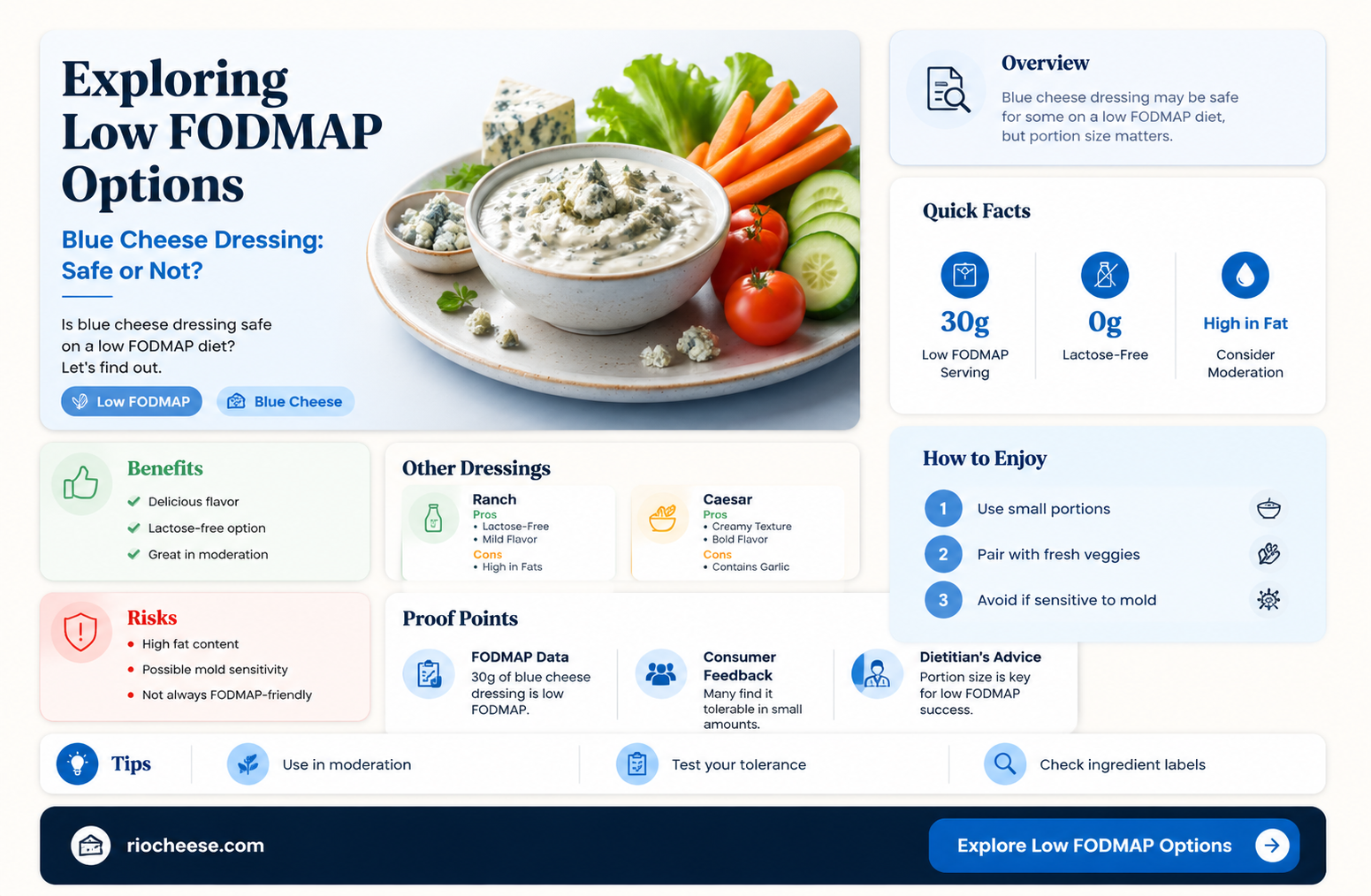
Blue cheese dressing is a popular condiment known for its strong flavor and creamy texture. For individuals following a low FODMAP diet, which is designed to manage symptoms of irritable bowel syndrome (IBS) and other digestive disorders, the suitability of blue cheese dressing can be a point of concern. FODMAPs are types of carbohydrates that can be poorly absorbed by the small intestine, leading to symptoms like bloating, gas, and abdominal pain. While blue cheese itself is generally considered low in FODMAPs due to its fermentation process, the dressing often contains additional ingredients that may contribute to its FODMAP content. Therefore, it is essential to examine the specific ingredients and preparation methods to determine if blue cheese dressing can be included in a low FODMAP diet.
Explore related products


What You'll Learn
- Blue Cheese Dressing Ingredients: Understand the typical ingredients used in blue cheese dressing
- FODMAP Content in Blue Cheese: Analyze the FODMAP levels in blue cheese itself
- FODMAP Content in Dressing Additives: Examine the FODMAP content in common dressing additives like mayonnaise and sour cream
- Low FODMAP Alternatives: Explore alternative ingredients or dressings that are low in FODMAPs
- Dietary Considerations: Discuss how blue cheese dressing fits into a low FODMAP diet and its potential impact on digestive health

Blue Cheese Dressing Ingredients: Understand the typical ingredients used in blue cheese dressing
Blue cheese dressing is a popular condiment known for its strong, tangy flavor. It's typically made with a combination of mayonnaise, sour cream, blue cheese crumbles, vinegar, onion powder, garlic powder, salt, and pepper. Some recipes may also include additional ingredients like Worcestershire sauce, lemon juice, or herbs for extra flavor.
The primary ingredient that gives blue cheese dressing its distinctive taste is, of course, the blue cheese itself. Blue cheese is a type of cheese that has been inoculated with Penicillium cultures, which produce the characteristic blue veins and strong flavor. The most common types of blue cheese used in dressing are Roquefort, Gorgonzola, and Stilton.
In terms of FODMAP content, blue cheese dressing can be a bit tricky. FODMAPs are types of carbohydrates that can be difficult for some people to digest, and they're found in a variety of foods, including some dairy products. The good news is that blue cheese itself is generally considered to be low in FODMAPs. However, some of the other ingredients commonly used in blue cheese dressing, such as mayonnaise and sour cream, can be high in FODMAPs.
If you're following a low-FODMAP diet, it's important to be mindful of the ingredients used in blue cheese dressing. You may want to look for a recipe that uses low-FODMAP alternatives, such as using Greek yogurt instead of sour cream or making your own mayonnaise with low-FODMAP oils. Additionally, be sure to choose a blue cheese that is low in lactose, as some blue cheeses can be higher in lactose than others.
In conclusion, while blue cheese dressing can be a delicious addition to salads and other dishes, it's important to be aware of its ingredients and their potential FODMAP content. By making informed choices and using low-FODMAP alternatives, you can still enjoy the tangy flavor of blue cheese dressing while sticking to your dietary needs.
Delicious Blue Cheese Olives: A Simple Stuffing Guide
You may want to see also
Explore related products


FODMAP Content in Blue Cheese: Analyze the FODMAP levels in blue cheese itself
Blue cheese, known for its strong flavor and distinctive blue veins, is a type of cheese that has been aged with cultures of the mold Penicillium roqueforti. When analyzing the FODMAP content in blue cheese itself, it's important to understand that FODMAPs are types of carbohydrates that can be poorly absorbed by some individuals, leading to digestive symptoms. The primary FODMAPs include fructose, lactose, fructans, galactans, and polyols.
In the case of blue cheese, the FODMAP content can vary depending on several factors, including the type of milk used, the aging process, and the specific strain of Penicillium roqueforti. Generally, blue cheese is considered to be low in lactose, which is one of the most common FODMAPs that people are sensitive to. This is because the aging process with Penicillium roqueforti helps to break down lactose into simpler sugars that are more easily absorbed.
However, blue cheese can still contain small amounts of other FODMAPs, such as fructose and polyols. These compounds are naturally present in the milk and can be concentrated during the cheese-making process. Additionally, some blue cheeses may contain added sugars or other ingredients that can increase the FODMAP content.
For individuals following a low-FODMAP diet, it's essential to consider the specific type and brand of blue cheese they consume. Some varieties may be lower in FODMAPs than others, and it's always a good idea to check with the manufacturer or consult a healthcare professional for personalized advice.
In conclusion, while blue cheese is generally considered to be lower in lactose compared to other types of cheese, it can still contain other FODMAPs that may affect individuals with sensitivities. Therefore, it's crucial to be mindful of the specific type and brand of blue cheese consumed and to consult with a healthcare professional if there are any concerns about FODMAP content.
Discover the Best Spots to Buy Blue Cheese Stuffed Olives
You may want to see also
Explore related products


FODMAP Content in Dressing Additives: Examine the FODMAP content in common dressing additives like mayonnaise and sour cream
Analyzing the FODMAP content in common dressing additives is crucial for individuals managing conditions like irritable bowel syndrome (IBS). Mayonnaise, a staple in many households, typically contains ingredients like egg yolks, oil, vinegar or lemon juice, and seasonings. While mayonnaise itself is generally considered low in FODMAPs, some commercially available versions may include high-FODMAP ingredients like garlic or onion powder. It's essential to check the ingredient list carefully or opt for homemade mayonnaise using low-FODMAP ingredients.
Sour cream, another popular dressing additive, is made from fermented cream and often contains probiotics, which can be beneficial for gut health. However, it is relatively high in lactose, a type of FODMAP. Individuals with lactose intolerance or those following a low-FODMAP diet may need to limit their consumption of sour cream or choose a lactose-free alternative. Some brands also offer sour cream made from non-dairy sources like coconut milk, which can be a suitable option for those avoiding dairy.
When considering the FODMAP content of blue cheese dressing, it's important to note that blue cheese itself is a significant source of FODMAPs, particularly lactose and fructose. While some blue cheese dressings may be lower in FODMAPs due to the addition of other ingredients like mayonnaise or sour cream, it's generally advisable for individuals on a low-FODMAP diet to avoid or limit their intake of blue cheese dressing.
For those looking to reduce their FODMAP intake, it's beneficial to explore alternative dressing options. Vinaigrettes made with olive oil, vinegar, and mustard can be a good choice, as long as they don't contain high-FODMAP ingredients like garlic or onion. Additionally, some specialty brands offer low-FODMAP salad dressings made with ingredients like avocado oil, lemon juice, and herbs.
In conclusion, understanding the FODMAP content of common dressing additives is essential for making informed dietary choices. By carefully selecting ingredients and exploring alternative options, individuals can enjoy flavorful dressings while maintaining a low-FODMAP diet.
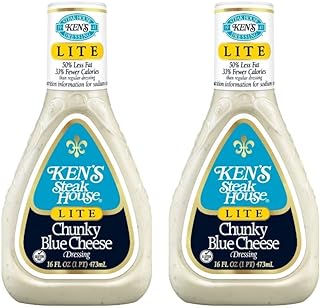
Ken's Blue Cheese Dressing: A Keto-Friendly Option?
You may want to see also
Explore related products




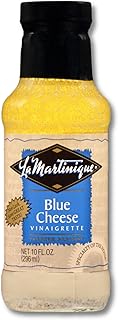
Low FODMAP Alternatives: Explore alternative ingredients or dressings that are low in FODMAPs
For individuals following a low FODMAP diet, finding suitable alternatives to high-FODMAP ingredients can be a challenge. When it comes to dressings, blue cheese is often a concern due to its potential FODMAP content. Fortunately, there are several low FODMAP alternatives that can be used to create delicious and compliant dressings.
One option is to use a base of olive oil and vinegar, which are both low in FODMAPs. Adding herbs and spices such as basil, oregano, and black pepper can enhance the flavor without increasing the FODMAP content. Another alternative is to use a dairy-free yogurt as a base, which can provide a creamy texture similar to blue cheese dressing. Look for yogurts made from almond milk, coconut milk, or soy milk, as these are typically low in FODMAPs.
When creating a low FODMAP dressing, it's important to be mindful of portion sizes. Even low FODMAP ingredients can become high FODMAP if consumed in large quantities. Additionally, be sure to check the labels of any store-bought ingredients, as some may contain hidden FODMAPs.
In terms of specific ingredients to avoid, onions and garlic are common high-FODMAP foods that are often found in dressings. Instead, try using green onions or chives, which are lower in FODMAPs. If you're looking for a cheese alternative, consider using a lactose-free cheese or a vegan cheese made from nuts or seeds.
By exploring these low FODMAP alternatives, individuals can create delicious and compliant dressings that meet their dietary needs. With a little creativity and experimentation, it's possible to find a dressing that is both low in FODMAPs and satisfying to the taste buds.
Exploring the Kosher Status of Blue Cheese: A Delicious Dilemma
You may want to see also
Explore related products


Dietary Considerations: Discuss how blue cheese dressing fits into a low FODMAP diet and its potential impact on digestive health
Blue cheese dressing, a popular condiment known for its tangy flavor, poses a unique challenge for individuals following a low FODMAP diet. FODMAPs, which stands for Fermentable Oligo-, Di-, Mono-saccharides, and Polyols, are types of carbohydrates that can be difficult for some people to digest, leading to symptoms such as bloating, gas, and abdominal pain. While blue cheese itself is generally considered low in FODMAPs, the dressing often contains additional ingredients that may not be as digestive-friendly.
One of the primary concerns with blue cheese dressing is the presence of high-fructose corn syrup or other sweeteners, which are high in fructose, a type of FODMAP. Additionally, some dressings may contain ingredients like garlic or onion powder, which are also high in FODMAPs. For individuals with irritable bowel syndrome (IBS) or other digestive sensitivities, consuming these ingredients can trigger uncomfortable symptoms.
However, it is possible to enjoy blue cheese dressing while adhering to a low FODMAP diet by making informed choices or preparing the dressing at home. Homemade blue cheese dressing can be made using low FODMAP ingredients such as olive oil, vinegar, and spices, allowing individuals to control the ingredients and avoid potential triggers. It is also important to note that the fermentation process involved in making blue cheese can help break down some of the lactose, making it easier to digest for some individuals.
When considering the impact of blue cheese dressing on digestive health, it is essential to weigh the potential benefits against the risks. Blue cheese is a good source of calcium, protein, and vitamins, which can contribute to overall health. However, for those with severe digestive sensitivities, the potential discomfort caused by consuming blue cheese dressing may outweigh these benefits.
In conclusion, while blue cheese dressing can be a flavorful addition to salads and other dishes, it is crucial for individuals following a low FODMAP diet to be mindful of the ingredients and potential impact on their digestive health. By making informed choices and considering alternatives, it is possible to enjoy the taste of blue cheese dressing without compromising digestive well-being.
Frequently asked questions
FODMAP stands for Fermentable Oligo-, Di-, Mono-saccharides, and Polyols. These are types of carbohydrates that can be poorly absorbed by the small intestine, leading to symptoms like bloating, gas, and abdominal pain in some individuals. Blue cheese dressing, being a dairy product, can contain lactose, which is a type of sugar that can be considered a FODMAP.
Blue cheese dressing can vary in its FODMAP content depending on the specific ingredients and preparation methods used. Some recipes may use ingredients that are high in FODMAPs, such as certain types of vinegar or sweeteners. However, there are also recipes that use low FODMAP ingredients, making the dressing suitable for those following a low FODMAP diet.
For those following a low FODMAP diet, there are several alternatives to traditional blue cheese dressing ingredients. Instead of using regular vinegar, one can opt for low FODMAP vinegars like white wine vinegar or apple cider vinegar. Additionally, using a low FODMAP sweetener like maple syrup or stevia can help reduce the overall FODMAP content of the dressing.
To make a low FODMAP blue cheese dressing at home, you can start by using a base of low FODMAP mayonnaise or sour cream. Then, add crumbled blue cheese, which is typically low in FODMAPs. For added flavor, you can incorporate low FODMAP herbs and spices like garlic powder, onion powder, and dried herbs. Finally, adjust the consistency and flavor with low FODMAP vinegar and sweetener as needed.