Andy Montoya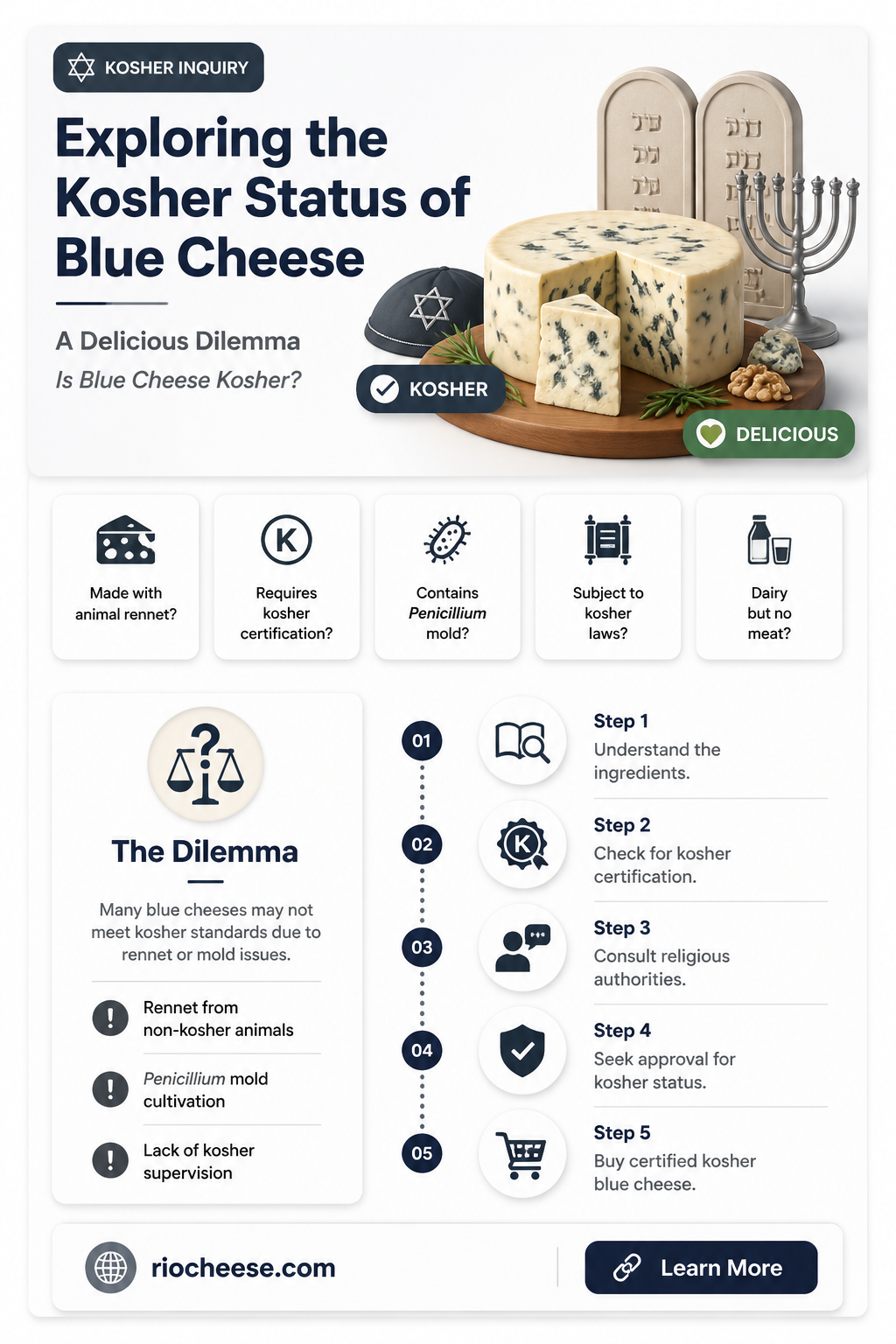
Blue cheese, known for its distinctive pungent aroma and sharp flavor, is a type of cheese that has been aged with cultures of the mold Penicillium roqueforti. When exploring whether blue cheese is kosher, it's essential to consider the dietary laws of kashrut, which govern what foods are permissible for consumption according to Jewish law. Kosher foods must meet specific criteria, including the source of the ingredients, the process by which they are prepared, and any potential cross-contamination with non-kosher substances. In the case of blue cheese, the primary concern lies in the type of rennet used in its production, as traditional rennet is derived from animal sources and may not be kosher unless it is specifically prepared under kosher supervision. Additionally, the aging process and any potential contact with non-kosher molds or enzymes must be carefully monitored to ensure the cheese meets kosher standards.
Explore related products



What You'll Learn
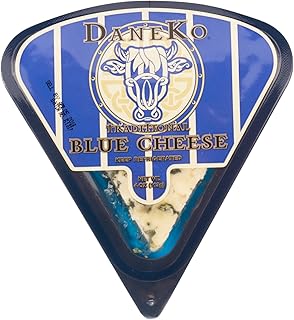
- Ingredients: Blue cheese contains milk and cultures; some may include enzymes from non-kosher sources
- Production Process: The method of producing blue cheese can vary, potentially involving non-kosher elements
- Certification: Look for kosher certification labels to ensure the blue cheese meets dietary laws
- Brand Specifics: Some blue cheese brands are explicitly kosher, while others may not adhere to kosher standards
- Consumption Guidelines: For those following kosher dietary rules, it's essential to verify the blue cheese's kosher status before consumption

Ingredients: Blue cheese contains milk and cultures; some may include enzymes from non-kosher sources
Blue cheese, a type of cheese known for its distinctive blue veins and strong flavor, is made from milk that has been inoculated with the mold Penicillium roqueforti. This mold is responsible for the characteristic blue coloration and pungent taste of the cheese. In addition to milk and mold cultures, some blue cheeses may include enzymes derived from non-kosher sources, such as animal rennet. These enzymes are used to aid in the coagulation of the milk during the cheese-making process.
For individuals following kosher dietary laws, the inclusion of non-kosher enzymes in blue cheese can be a concern. Kosher dietary regulations prohibit the consumption of any food products that contain or have come into contact with non-kosher substances. Therefore, it is essential for those adhering to kosher dietary laws to ensure that the blue cheese they consume is made using kosher-certified enzymes or alternative coagulation methods.
Fortunately, there are kosher-certified blue cheeses available on the market. These cheeses are made using enzymes derived from kosher sources, such as microbial or fungal enzymes, which are acceptable under kosher dietary laws. Additionally, some cheese manufacturers use traditional methods of coagulation, such as the use of fig leaves or thistles, which are also considered kosher.
In conclusion, while blue cheese can be a delicious addition to many dishes, it is crucial for those following kosher dietary laws to be aware of the potential inclusion of non-kosher enzymes in some varieties. By choosing kosher-certified blue cheeses or those made using traditional kosher coagulation methods, individuals can enjoy the unique flavor and texture of blue cheese while adhering to their dietary restrictions.
Discover the Best Spots to Buy Blue Cheese Stuffed Olives
You may want to see also
Explore related products


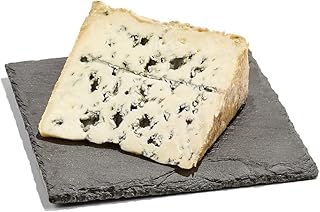


Production Process: The method of producing blue cheese can vary, potentially involving non-kosher elements
The production process of blue cheese is a critical factor in determining its kosher status. Blue cheese is made from cow's milk, which is inherently kosher. However, the introduction of mold cultures to create the characteristic blue veins can potentially involve non-kosher elements. Some mold cultures are grown on substrates that may include animal-derived products, such as gelatin or rennet, which are not kosher. Additionally, the enzymes used in the cheese-making process might be derived from non-kosher sources.
To ensure that blue cheese is kosher, it is essential to use mold cultures and enzymes that are certified kosher. This involves a meticulous process of selecting and cultivating mold strains that do not come into contact with any non-kosher substances. Kosher certification authorities often inspect and approve the production facilities and processes to guarantee that the cheese meets the necessary standards.
Another consideration in the production process is the aging of the cheese. Blue cheese is typically aged in caves or controlled environments to develop its flavor and texture. During this aging process, it is crucial to prevent any cross-contamination with non-kosher products. This may involve using separate aging rooms or racks for kosher and non-kosher cheeses, as well as ensuring that all equipment and utensils are thoroughly cleaned and sanitized between uses.
In summary, the kosher status of blue cheese hinges on the careful selection of mold cultures and enzymes, as well as the strict adherence to kosher production and aging processes. By following these guidelines, manufacturers can produce blue cheese that is both delicious and compliant with kosher dietary laws.
Explore related products


Certification: Look for kosher certification labels to ensure the blue cheese meets dietary laws
For individuals following kosher dietary laws, ensuring that their food choices align with these regulations is paramount. When it comes to blue cheese, a popular and flavorful variety, the presence of kosher certification labels becomes crucial. These labels serve as a guarantee that the cheese has been produced in accordance with Jewish dietary laws, providing consumers with the confidence to include it in their meals.
Kosher certification involves a rigorous process that includes the inspection of the cheese-making facility, the ingredients used, and the methods employed in production. Only when all these aspects meet the stringent requirements set forth by kosher authorities is the certification granted. This ensures that the blue cheese is free from any non-kosher additives or contaminants and that it has been handled and processed in a manner consistent with kosher practices.
Consumers should look for specific kosher certification symbols on the packaging of blue cheese. These symbols may vary depending on the certifying authority but often include a distinctive logo or label that clearly indicates the product's kosher status. Some common kosher certification agencies include the Orthodox Union (OU), the Star of David (Star-K), and the Kosher Supervision of America (KSA). By recognizing these symbols, consumers can make informed choices about the blue cheese they purchase.
It is important to note that not all blue cheeses are kosher, and the certification process can be complex and time-consuming for manufacturers. As a result, consumers may find that their options are limited when it comes to kosher blue cheese. However, by being diligent in their search and by understanding the significance of kosher certification labels, they can enjoy this delicious cheese variety while adhering to their dietary beliefs.
In conclusion, for those following kosher dietary laws, the presence of kosher certification labels on blue cheese is essential. These labels provide assurance that the cheese has been produced in compliance with Jewish dietary regulations, allowing consumers to make confident and informed choices about their food. By understanding the importance of these certifications and by recognizing the symbols of reputable kosher authorities, individuals can enjoy the rich flavors of blue cheese while maintaining their commitment to their dietary practices.
Explore related products


Brand Specifics: Some blue cheese brands are explicitly kosher, while others may not adhere to kosher standards
The kosher status of blue cheese can vary significantly depending on the brand and its production methods. While some blue cheese brands are explicitly certified as kosher, others may not meet the stringent requirements set forth by kosher dietary laws. This discrepancy arises from the use of animal-derived enzymes in the cheese-making process, which are prohibited in kosher foods.
For a blue cheese to be considered kosher, it must be produced using microbial or fungal enzymes instead of those derived from animals. Additionally, the milk used must come from kosher animals, and the entire production process must adhere to kosher standards, including the use of separate equipment and utensils for dairy and meat products.
Consumers who follow kosher dietary laws should look for blue cheese brands that have been certified by a reputable kosher certification agency. These agencies will typically provide a list of approved products on their websites or through other resources. It is also advisable to contact the manufacturer directly to inquire about their production methods and kosher certification status.
In recent years, there has been an increase in the availability of kosher blue cheese options, as more manufacturers recognize the demand for kosher products. This has led to a wider variety of kosher blue cheeses on the market, offering consumers more choices while ensuring compliance with kosher dietary laws.
Ultimately, the kosher status of blue cheese is a matter of individual responsibility, and consumers must be diligent in verifying the certification of the products they purchase. By doing so, they can enjoy the rich flavors of blue cheese while maintaining their commitment to kosher dietary practices.
Explore related products

![Blue Cheese Crumbles. These crumbles are handmade with cow's milk and are easy to incorporate into many recipes. Toss these blue cheese crumbles onto salads, on top of steaks and burgers, or even inside buffalo chicken wraps. [ 12 oz , 0.75 lb ]](https://m.media-amazon.com/images/I/61YHpZEyQtL._AC_UL320_.jpg)


Consumption Guidelines: For those following kosher dietary rules, it's essential to verify the blue cheese's kosher status before consumption
For individuals adhering to kosher dietary regulations, it is crucial to ascertain the kosher certification of blue cheese prior to consumption. This verification process involves examining the cheese's ingredients, production methods, and any potential cross-contamination risks. Kosher certification ensures that the blue cheese complies with the stringent dietary laws outlined in Jewish tradition, which include the prohibition of mixing dairy and meat products, as well as the requirement for specific slaughtering and preparation techniques for animals.
To determine the kosher status of blue cheese, one should look for a reliable kosher certification symbol on the packaging. This symbol indicates that the cheese has been inspected and approved by a recognized kosher certification authority. Additionally, it is advisable to consult with the manufacturer or distributor to obtain detailed information about the cheese's production process and ingredients. This can help identify any potential issues, such as the use of animal-derived rennet or the presence of non-kosher additives.
In cases where blue cheese is produced in a facility that also processes non-kosher products, there is a risk of cross-contamination. Therefore, it is essential to inquire about the facility's cleaning and separation procedures to ensure that the blue cheese remains kosher. Furthermore, individuals with strict kosher dietary requirements may prefer to choose blue cheeses that are produced in dedicated kosher facilities to minimize any potential risks.
It is also important to note that the kosher status of blue cheese can vary depending on the specific type and brand. Some blue cheeses may be inherently kosher due to their ingredients and production methods, while others may require additional certification or verification. Therefore, it is crucial to approach each blue cheese product on a case-by-case basis and to consult with kosher certification authorities or knowledgeable experts when in doubt.
In conclusion, verifying the kosher status of blue cheese is a critical step for those following kosher dietary rules. This process involves examining certification symbols, consulting with manufacturers, and considering potential cross-contamination risks. By taking these steps, individuals can ensure that the blue cheese they consume complies with the principles of kosher dietary law.
Frequently asked questions
Blue cheese can be kosher, but it depends on the specific production process and ingredients used. Some blue cheeses are made with animal rennet, which is not kosher, while others use microbial or fungal rennet, which is acceptable under kosher dietary laws.
Some blue cheeses are made with animal rennet, which is derived from the stomach lining of animals and is not kosher. Additionally, if the cheese is aged on wooden barrels that have been used for non-kosher products, it may also be considered non-kosher.
To determine if a specific blue cheese is kosher, you should check the label for a kosher certification symbol or contact the manufacturer directly to inquire about their production process and ingredients. Kosher certification organizations, such as the Orthodox Union or Star-K, can also provide information on kosher blue cheese options.