Randy Chandler
Blue cheese, a type of cheese characterized by its distinctive blue or green veins, is a polarizing delicacy that evokes strong opinions among cheese enthusiasts. The best blue cheese is subjective and depends on individual taste preferences, as the intensity of flavor, texture, and aroma can vary greatly between different varieties. Some popular contenders for the title of best blue cheese include Roquefort, Gorgonzola, and Stilton, each with its unique characteristics and origins. Roquefort, a French blue cheese, is known for its sharp, tangy flavor and crumbly texture, while Gorgonzola, an Italian variety, offers a milder, creamier taste. Stilton, a British blue cheese, is often described as having a balanced flavor profile with a smooth, velvety texture. Ultimately, the best blue cheese is the one that appeals most to an individual's palate, whether it's enjoyed on its own, crumbled over salads, or incorporated into recipes.
Explore related products


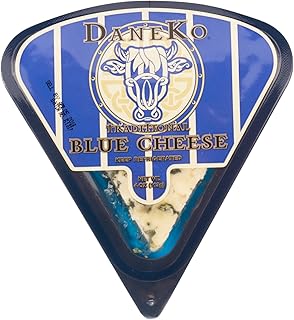

What You'll Learn
- Origin and Varieties: Explore the origins of blue cheese and its various types, such as Roquefort, Gorgonzola, and Stilton
- Flavor Profile: Describe the distinct flavor profile of blue cheese, including its sharpness, tanginess, and creamy texture
- Pairing Suggestions: Offer pairing suggestions for blue cheese, such as fruits, nuts, wines, and beers that complement its bold flavor
- Culinary Uses: Discuss the culinary uses of blue cheese, from salads and sandwiches to sauces and baked dishes
- Health Benefits: Examine the potential health benefits of blue cheese, including its probiotic properties and nutritional content

Origin and Varieties: Explore the origins of blue cheese and its various types, such as Roquefort, Gorgonzola, and Stilton
Blue cheese, a type of cheese characterized by its blue or green veins, has a rich history that dates back thousands of years. The origins of blue cheese can be traced to ancient civilizations, with evidence suggesting that the Romans and Greeks were among the first to produce and consume this unique dairy product. The distinctive blue veins in the cheese are created by the introduction of Penicillium cultures during the fermentation process. This mold not only gives blue cheese its characteristic appearance but also contributes to its pungent aroma and sharp flavor.
There are several renowned varieties of blue cheese, each with its own distinct characteristics and flavor profiles. Roquefort, a French blue cheese, is one of the most famous and is often considered the king of blue cheeses. It is made from sheep's milk and aged in limestone caves, which imparts a unique flavor and texture. Gorgonzola, an Italian blue cheese, is another popular variety known for its creamy consistency and milder flavor compared to Roquefort. Stilton, a British blue cheese, is often referred to as the "king of English cheeses" and is prized for its rich, buttery flavor and crumbly texture.
In addition to these well-known varieties, there are many other types of blue cheese produced around the world, each with its own unique characteristics. For example, Danish blue cheese, also known as Danablu, has a strong, pungent flavor and is often used in cooking. Spanish blue cheese, such as Valdeón, is known for its intense flavor and is typically served as a dessert cheese.
When selecting the best blue cheese, it is important to consider personal taste preferences, as the flavor profiles of different varieties can vary significantly. Some people may prefer the strong, pungent flavor of Roquefort, while others may opt for the milder taste of Gorgonzola. It is also important to consider the intended use of the blue cheese, as some varieties are better suited for cooking or baking, while others are best enjoyed on their own or as part of a cheese platter.
In conclusion, the origins of blue cheese can be traced back to ancient civilizations, and its various types, such as Roquefort, Gorgonzola, and Stilton, offer a range of flavors and textures to suit different palates and culinary applications. When choosing the best blue cheese, it is essential to consider personal taste preferences and the intended use of the cheese, as each variety has its own unique characteristics and flavor profiles.
Mastering the Art of Crumbling Blue Cheese: A Gourmet's Guide
You may want to see also
Explore related products


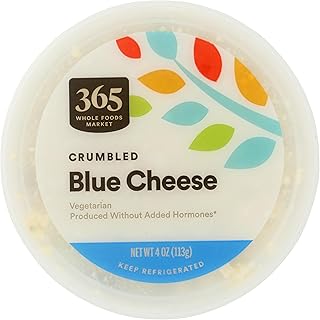

Flavor Profile: Describe the distinct flavor profile of blue cheese, including its sharpness, tanginess, and creamy texture
Blue cheese boasts a flavor profile that is as complex as it is distinctive. At its core, the sharpness of blue cheese is what sets it apart from other varieties. This pungent quality comes from the blue mold cultures—Penicillium roqueforti, Penicillium glaucum, or Penicillium changii—that are introduced during the cheese-making process. These molds produce enzymes that break down the fats and proteins in the cheese, resulting in a strong, spicy flavor that can range from mild to quite intense, depending on the type and aging process.
Tanginess is another key characteristic of blue cheese. This acidic note is often described as a 'bite' that complements the sharpness, adding a layer of complexity to the overall taste. The tanginess can vary in intensity, with some blue cheeses having a more pronounced acidic edge than others. This quality is typically more noticeable in younger blue cheeses, as the aging process tends to mellow out the acidity over time.
Despite its bold flavors, blue cheese also possesses a surprisingly creamy texture. This richness comes from the high fat content of the milk used to make the cheese, as well as the aging process, which allows the fats to develop and create a smooth, velvety mouthfeel. The creaminess of blue cheese is particularly noticeable when it is at room temperature, as the fats become more fluid and the cheese takes on a softer consistency.
The combination of sharpness, tanginess, and creaminess creates a unique flavor profile that makes blue cheese a favorite among cheese enthusiasts. Its bold taste is not for everyone, but for those who appreciate its complexity, blue cheese can be a delightful addition to a variety of dishes, from salads and sandwiches to pasta and pizza.
Discover the Best Spots to Buy Blue Cheese Stuffed Olives
You may want to see also
Explore related products


Pairing Suggestions: Offer pairing suggestions for blue cheese, such as fruits, nuts, wines, and beers that complement its bold flavor
Blue cheese, with its pungent aroma and sharp flavor, is a polarizing delicacy that demands careful pairing to fully appreciate its complexity. When considering fruits to complement blue cheese, the natural sweetness of figs or the tartness of green apples can provide a delightful contrast. For a more indulgent experience, try pairing blue cheese with a handful of toasted walnuts or pecans, which offer a satisfying crunch and nutty flavor that harmonizes with the cheese's bold profile.
In terms of beverages, a full-bodied red wine such as a Cabernet Sauvignon or a Malbec can stand up to the intensity of blue cheese, while a sweet dessert wine like a Sauternes can balance the cheese's saltiness with its own sugary notes. For beer enthusiasts, a strong ale or a Belgian Trappist beer can provide a rich, complex flavor profile that complements the cheese's pungency. When pairing blue cheese with beer, it's essential to consider the intensity of both the cheese and the brew to achieve a harmonious balance.
When serving blue cheese, it's crucial to bring it to room temperature to fully appreciate its flavor and texture. Presenting it on a cheese board with a variety of accompaniments, such as crackers, bread, and fresh fruit, allows guests to experiment with different pairings and discover their own preferences. Remember, the key to successful blue cheese pairings lies in finding complementary flavors and textures that enhance the cheese's unique characteristics without overpowering them.
Exploring the Richness of Roka Blue Cheese: A Gourmet's Delight
You may want to see also
Explore related products


Culinary Uses: Discuss the culinary uses of blue cheese, from salads and sandwiches to sauces and baked dishes
Blue cheese, with its distinctive pungent flavor and creamy texture, is a versatile ingredient that can elevate a variety of culinary creations. One of the most popular uses of blue cheese is in salads, where it can be crumbled over mixed greens, tomatoes, and cucumbers to add a tangy, savory element. For a more indulgent salad, blue cheese can be paired with sweet ingredients like dried cranberries or fresh figs, creating a delightful balance of flavors.
In sandwiches, blue cheese can be used as a spread or crumbled over other fillings to add depth and complexity. A classic combination is blue cheese and turkey, but it can also be paired with roast beef, ham, or even peanut butter for a unique twist. For those who enjoy a bit of heat, adding sliced jalapeños or banana peppers can complement the spiciness of the blue cheese.
Blue cheese is also a popular ingredient in sauces and dressings. A simple blue cheese dressing can be made by mixing crumbled blue cheese with mayonnaise, sour cream, and a splash of lemon juice. This dressing can be used as a dip for buffalo wings or as a topping for baked potatoes. For a more sophisticated sauce, blue cheese can be blended with butter, cream, and herbs to create a rich, velvety sauce that pairs perfectly with steak or grilled vegetables.
In baked dishes, blue cheese can add a burst of flavor to casseroles, gratins, and soufflés. A classic example is blue cheese and spinach soufflé, where the cheese is mixed with eggs, cream, and spinach to create a light, airy dish that's perfect for brunch or dinner parties. Blue cheese can also be used in pasta dishes, such as a creamy blue cheese and mushroom pasta or a blue cheese and sun-dried tomato pizza.
When using blue cheese in cooking, it's important to remember that a little goes a long way. The strong flavor can easily overpower other ingredients, so it's best to use it in moderation. Additionally, blue cheese can be quite salty, so it's a good idea to taste your dish as you go and adjust the seasoning accordingly. With its bold flavor and creamy texture, blue cheese is a delicious addition to a wide range of culinary creations, from simple salads and sandwiches to more complex sauces and baked dishes.
Exploring Mexico's Blue Cheese Alternatives: A Flavorful Journey
You may want to see also
Explore related products


Health Benefits: Examine the potential health benefits of blue cheese, including its probiotic properties and nutritional content
Blue cheese is renowned not only for its distinctive flavor and aroma but also for its potential health benefits. One of the key advantages of consuming blue cheese is its probiotic properties. Probiotics are live microorganisms that, when administered in adequate amounts, confer a health benefit on the host. Blue cheese contains various strains of probiotics, such as Penicillium roqueforti, which can contribute to gut health by promoting a balanced intestinal flora. This balance is crucial for maintaining a healthy digestive system and can aid in the prevention of gastrointestinal disorders.
In addition to its probiotic content, blue cheese is a rich source of essential nutrients. It is high in protein, which is vital for muscle repair and growth, and contains significant amounts of calcium, essential for strong bones and teeth. Blue cheese also provides vitamins such as vitamin B12, which plays a crucial role in the production of red blood cells and the maintenance of the nervous system. Furthermore, it is a good source of minerals like phosphorus and magnesium, which are important for various bodily functions, including energy production and muscle function.
The nutritional content of blue cheese can vary depending on the type and aging process. For instance, some varieties may have higher levels of certain nutrients due to differences in the cheese-making process or the specific strains of mold used. It is also important to note that while blue cheese can offer health benefits, it should be consumed in moderation due to its high fat and sodium content. Excessive intake of high-fat and high-sodium foods can contribute to health issues such as obesity, hypertension, and cardiovascular disease.
In conclusion, blue cheese can be a valuable addition to a balanced diet, offering probiotic properties and a range of essential nutrients. However, it is crucial to enjoy it in moderation and consider the specific nutritional profile of the variety being consumed. By doing so, one can potentially reap the health benefits of blue cheese while minimizing any associated risks.
Decoding Dairy: The Truth About Blue Cheese and Goat Cheese
You may want to see also
Frequently asked questions
Gorgonzola is often considered the best blue cheese for salads due to its creamy texture and mild, tangy flavor that complements a variety of greens and dressings.
Roquefort is known for its strong, pungent flavor and is often regarded as one of the most flavorful blue cheeses available.
Stilton is a popular choice for baking because it melts well and adds a rich, complex flavor to dishes like casseroles and gratins.
Blue Brie is an excellent choice to pair with fruits such as apples and pears, as its soft texture and mild flavor complement the sweetness of the fruit.
Cheddar Blue is a great option for snacking, as it combines the sharpness of cheddar with the distinctive tang of blue cheese, making it a flavorful and satisfying treat on its own or with crackers.


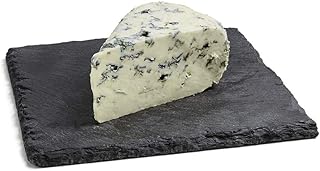


![Blue Cheese Crumbles. These crumbles are handmade with cow's milk and are easy to incorporate into many recipes. Toss these blue cheese crumbles onto salads, on top of steaks and burgers, or even inside buffalo chicken wraps. [ 12 oz , 0.75 lb ]](https://m.media-amazon.com/images/I/61YHpZEyQtL._AC_UL320_.jpg)