Patrick Oconnell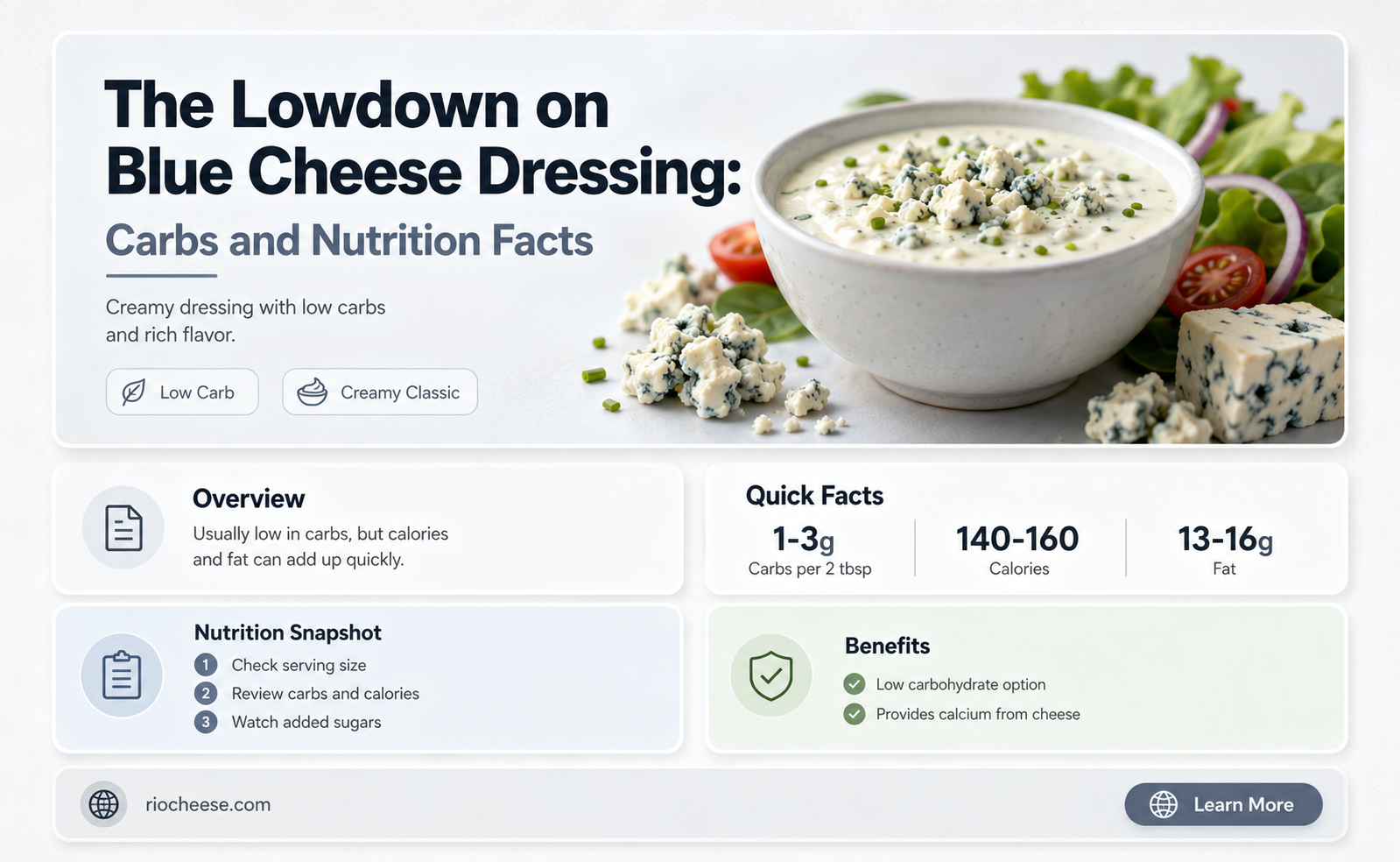
Blue cheese dressing, a popular condiment known for its tangy and pungent flavor, is often a topic of discussion among those monitoring their carbohydrate intake. Made primarily from blue cheese crumbles, mayonnaise, sour cream, and various seasonings, it's a creamy addition to salads and other dishes. However, due to its dairy and mayonnaise base, blue cheese dressing does contain carbohydrates, albeit in relatively small amounts compared to other dressings. For individuals following low-carb diets, understanding the nutritional content of blue cheese dressing is crucial for making informed dietary choices.
Explore related products


What You'll Learn
- Nutritional Content: Blue cheese dressing's carb count and other nutritional information
- Ingredients: Common ingredients in blue cheese dressing and their carb content
- Serving Size: Recommended serving sizes and their corresponding carb counts
- Dietary Considerations: Suitability for low-carb diets like keto or Atkins
- Alternatives: Low-carb alternatives to traditional blue cheese dressing

Nutritional Content: Blue cheese dressing's carb count and other nutritional information
Blue cheese dressing, a popular condiment known for its tangy flavor, is often scrutinized for its nutritional content, particularly its carbohydrate count. A typical serving of blue cheese dressing (about 2 tablespoons) contains approximately 1-2 grams of carbohydrates. However, this can vary depending on the specific brand and recipe.
In addition to carbohydrates, blue cheese dressing is relatively high in fat, with around 10-15 grams per serving. This is primarily due to the mayonnaise or sour cream base used in many recipes. The dressing also contains a moderate amount of protein, roughly 2-3 grams per serving, which comes from the blue cheese itself.
Blue cheese dressing is not a significant source of vitamins or minerals, but it does contain small amounts of calcium, phosphorus, and potassium. It's also worth noting that some commercial brands may add preservatives, artificial flavors, or colors, which can impact the overall nutritional quality.
For those monitoring their carbohydrate intake, it's essential to consider the serving size and frequency of blue cheese dressing consumption. While it may not be a major contributor to daily carb intake on its own, it can add up if used liberally. Opting for a homemade version using low-carb ingredients like Greek yogurt instead of mayonnaise can help reduce the carbohydrate content while still enjoying the dressing's distinctive flavor.
Discover the Best Spots to Buy Blue Cheese Near You
You may want to see also
Explore related products



Ingredients: Common ingredients in blue cheese dressing and their carb content
Blue cheese dressing is a popular condiment known for its tangy and savory flavor. It's often used as a dip for vegetables or as a dressing for salads. But for those who are watching their carbohydrate intake, it's important to know whether blue cheese dressing contains carbs.
The main ingredients in blue cheese dressing typically include blue cheese, mayonnaise, sour cream, yogurt, milk, vinegar, onion powder, garlic powder, salt, and pepper. Of these ingredients, mayonnaise, sour cream, and yogurt are the ones that contain carbohydrates. Mayonnaise is made from oil, egg yolks, and vinegar or lemon juice, and it contains about 0.4 grams of carbs per tablespoon. Sour cream is made from fermented cream and contains about 2.4 grams of carbs per tablespoon. Yogurt is made from fermented milk and can contain anywhere from 6 to 12 grams of carbs per serving, depending on the type and brand.
The other ingredients in blue cheese dressing, such as blue cheese, milk, vinegar, onion powder, garlic powder, salt, and pepper, are either low in carbs or contain no carbs at all. Blue cheese, for example, is a type of cheese that is made from cow's milk and contains about 1 gram of carbs per ounce. Milk is also low in carbs, with about 12 grams per cup. Vinegar, onion powder, garlic powder, salt, and pepper are all essentially carb-free.
So, does blue cheese dressing have carbs? The answer is yes, but the amount of carbs can vary depending on the recipe and the specific ingredients used. A typical serving of blue cheese dressing (about 2 tablespoons) can contain anywhere from 2 to 6 grams of carbs. For those who are following a low-carb diet, it's important to be mindful of the amount of blue cheese dressing consumed and to choose a recipe that uses low-carb ingredients whenever possible.
Discover the Best Places to Purchase Rogue River Blue Cheese
You may want to see also
Explore related products



Serving Size: Recommended serving sizes and their corresponding carb counts
Understanding serving sizes is crucial for managing carbohydrate intake, especially for those following a low-carb or ketogenic diet. Blue cheese dressing, while flavorful, can contribute to your daily carb count, and it's essential to know how much to use to stay within your dietary goals. Typically, a standard serving size of blue cheese dressing is around 2 tablespoons, which contains approximately 1-2 grams of carbohydrates, depending on the brand and recipe.
However, it's important to note that not all blue cheese dressings are created equal. Some may have added sugars or other ingredients that increase the carb content. Always check the nutrition label to ensure you're choosing a dressing that aligns with your dietary needs. For those looking to minimize their carb intake, opting for a homemade blue cheese dressing using low-carb ingredients can be a healthier alternative.
When incorporating blue cheese dressing into your meals, consider the overall carb content of the dish. For example, if you're having a salad with other high-carb vegetables, you may want to use a smaller amount of dressing or choose a lower-carb option. On the other hand, if your meal is primarily composed of low-carb foods like grilled meats and non-starchy vegetables, you can afford to use a bit more dressing without significantly impacting your carb count.
In summary, while blue cheese dressing does contain carbs, it can still be enjoyed in moderation as part of a balanced, low-carb diet. By being mindful of serving sizes and choosing dressings with lower carb content, you can indulge in the rich flavor of blue cheese without derailing your dietary goals.
A Match Made in Heaven: Blue Cheese and Wine Pairing Guide
You may want to see also
Explore related products


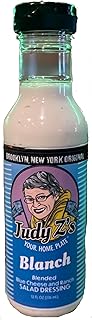
Dietary Considerations: Suitability for low-carb diets like keto or Atkins
For individuals following low-carb diets such as keto or Atkins, the suitability of blue cheese dressing can be a point of contention. While blue cheese dressing is generally low in carbohydrates, it's essential to consider the specific ingredients and preparation methods to determine its compatibility with these diets.
One of the primary concerns for those on low-carb diets is the presence of added sugars or high-carb thickeners in store-bought dressings. Some commercial blue cheese dressings may contain ingredients like cornstarch, sugar, or honey, which can significantly increase the carb content. Therefore, it's crucial to read labels carefully and opt for dressings with minimal or no added sugars and thickeners.
Another factor to consider is the type of blue cheese used in the dressing. Some varieties of blue cheese, such as gorgonzola or Roquefort, may have a higher carb content than others. Additionally, the amount of blue cheese used in the dressing can impact the overall carb count. Homemade blue cheese dressings often allow for better control over the ingredients and portion sizes, making them a more suitable option for low-carb dieters.
When making blue cheese dressing at home, it's important to choose low-carb ingredients such as mayonnaise, sour cream, or Greek yogurt as the base. Adding herbs, spices, and a small amount of vinegar or lemon juice can enhance the flavor without significantly increasing the carb content. By making the dressing from scratch, individuals can tailor the ingredients to their specific dietary needs and preferences.
In conclusion, while blue cheese dressing can be suitable for low-carb diets like keto or Atkins, it's essential to be mindful of the ingredients and preparation methods. Opting for store-bought dressings with minimal added sugars and thickeners or making the dressing at home with low-carb ingredients can help individuals stay within their dietary guidelines while still enjoying the rich flavor of blue cheese dressing.
Exploring the Low FODMAP Diet: Is Blue Cheese a Suitable Choice?
You may want to see also
Explore related products


Alternatives: Low-carb alternatives to traditional blue cheese dressing
For those following a low-carb diet, traditional blue cheese dressing can be a challenge due to its higher carbohydrate content. However, there are several alternatives that can provide a similar flavor profile without the added carbs. One option is to make a homemade blue cheese dressing using low-carb ingredients such as sour cream, mayonnaise, blue cheese crumbles, and spices. This allows for control over the ingredients and can result in a dressing that is both flavorful and low in carbohydrates.
Another alternative is to use a store-bought low-carb blue cheese dressing. Many brands now offer low-carb or keto-friendly versions of their dressings, which can be a convenient option for those looking to save time. When selecting a store-bought option, it's important to read the nutrition label and ingredient list to ensure that it aligns with dietary needs and preferences.
For those who enjoy the tangy flavor of blue cheese dressing but are looking for a dairy-free option, there are also alternatives available. One option is to use a cashew-based blue cheese dressing, which can provide a similar creamy texture and flavor without the added carbs or dairy. This type of dressing can be made at home or purchased pre-made from specialty stores or online retailers.
In addition to these alternatives, there are also ways to modify traditional recipes to make them low-carb friendly. For example, substituting the buttermilk in a traditional blue cheese dressing recipe with almond milk or coconut milk can significantly reduce the carbohydrate content without sacrificing flavor. Similarly, using a low-carb thickener such as xanthan gum or psyllium husk can help achieve the desired consistency without adding extra carbs.
When exploring low-carb alternatives to traditional blue cheese dressing, it's important to consider individual dietary needs and preferences. Some options may be more suitable for those following a strict keto diet, while others may be better for those who are simply looking to reduce their carbohydrate intake. By experimenting with different ingredients and recipes, it's possible to find a low-carb blue cheese dressing alternative that is both delicious and satisfying.
Delicious Blue Cheese Olives: A Simple Stuffing Guide
You may want to see also
Frequently asked questions
Yes, blue cheese dressing does contain carbohydrates. While it's primarily known for its high fat content due to the mayonnaise or sour cream base, a typical serving of blue cheese dressing can contain around 1-2 grams of carbohydrates.
On average, a tablespoon of blue cheese dressing contains approximately 1 gram of carbohydrates. However, this can vary slightly depending on the specific brand and recipe.
Blue cheese dressing can be considered keto-friendly in moderation due to its low carbohydrate content. However, it's important to note that it is high in fat and calories, so it should be consumed sparingly as part of a balanced ketogenic diet.